單元 65
單字 1281–1300 · trend, initial, pleasure, suggestion, critical, gather

trend
#1281noun, verb
趨勢;潮流
A general direction in which something is developing or changing.
某事物發展或變化的大致方向。

The latest fashion trend is wearing loose, comfortable clothes.
最近的時尚潮流是穿寬鬆舒適的衣服。

There is a growing trend toward working from home.
在家辦公正日益成為一種趨勢。

Healthy eating trends are changing what people buy at the supermarket.
健康飲食潮流正在改變人們在超市購買的東西。

Our teacher asked us to study trends in school attendance.
老師讓我們研究學生出勤率的變化趨勢。

Short videos are trending among my friends this month.
這個月,短影片在我朋友中很流行。

initial
#1282adjective, noun
最初的;姓名首字母
Happening first, or the first letter of a name.
最先發生的,或姓名中的第一個字母。

Our initial plan was to meet at the train station.
我們最初的計劃是在火車站見面。

Please write your initials on the bottom of the form.
請在表格底部寫上你的姓名首字母。

The initial cost of the meal was higher than expected.
這頓飯的最初費用比預想的要高。

She made her initial payment for the new apartment.
她支付了新公寓的首期款。

The doctor checked his initials before starting the treatment.
醫生在開始治療前核對了他的姓名首字母。

pleasure
#1283noun
愉快;樂趣;喜悅
a happy or enjoyable feeling, or something that gives you this feeling
愉快或享受的感覺,或能帶給你這種感覺的事物

It was a pleasure to meet your family yesterday.
昨天能見到你的家人,我很高興。

She takes great pleasure in cooking for her friends.
她很喜歡為朋友們做飯。

The hotel staff welcomed us with pleasure.
酒店員工熱情地歡迎了我們。

Reading a good book is one of my simple pleasures.
讀一本好書是我簡單的樂趣之一。

He smiled with pleasure when the doctor said he was healthy.
醫生說他身體健康時,他高興地笑了。

suggestion
#1284noun
建議;提議
an idea or plan that someone offers for others to think about or use
某人提出供他人考慮或採用的想法或計劃

Thanks for your suggestion; let’s try the new restaurant tonight.
謝謝你的建議,咱們今晚去試試那家新餐廳吧。

My manager accepted my suggestion for shorter team meetings.
我的經理採納了我關於縮短團隊會議時間的建議。

The teacher asked for suggestions about our school trip.
老師徵求我們對學校旅行的建議。

The doctor gave me some suggestions for getting better sleep.
醫生給了我一些改善睡眠的建議。

We followed your suggestion and packed snacks for the train journey.
我們聽從了你的建議,帶了些零食坐火車。
critical
#1285adjective
關鍵的;危急的;批評性的
Very important or serious, especially because something may fail or change.
非常重要或嚴重,尤其是因為某件事可能會失敗或發生變化。
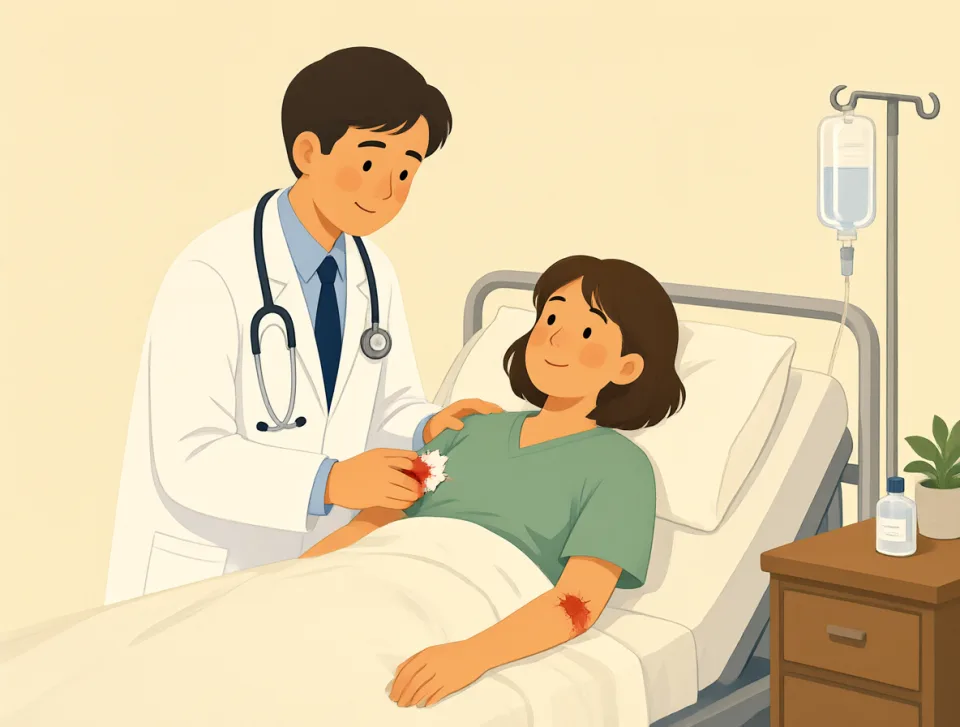
The patient is in critical condition after the accident.
事故發生後,患者的病情危急。

Good communication is critical for a successful team.
良好的溝通對於團隊取得成功至關重要。
The teacher gave me critical advice about my school project.
老師針對我的學校專案給了我一些重要的建議。

The restaurant received critical reviews for its slow service.
這家餐廳因服務速度太慢而受到評論家的批評。

Please be critical of the plan before we make a decision.
做決定之前,請認真審視這個計劃,指出它的問題。
gather
#1286verb
聚集;收集;聚攏
to bring people or things together in one place
把人或物聚集到同一個地方

The children gathered around their teacher after class.
下課後,孩子們聚集在老師周圍。
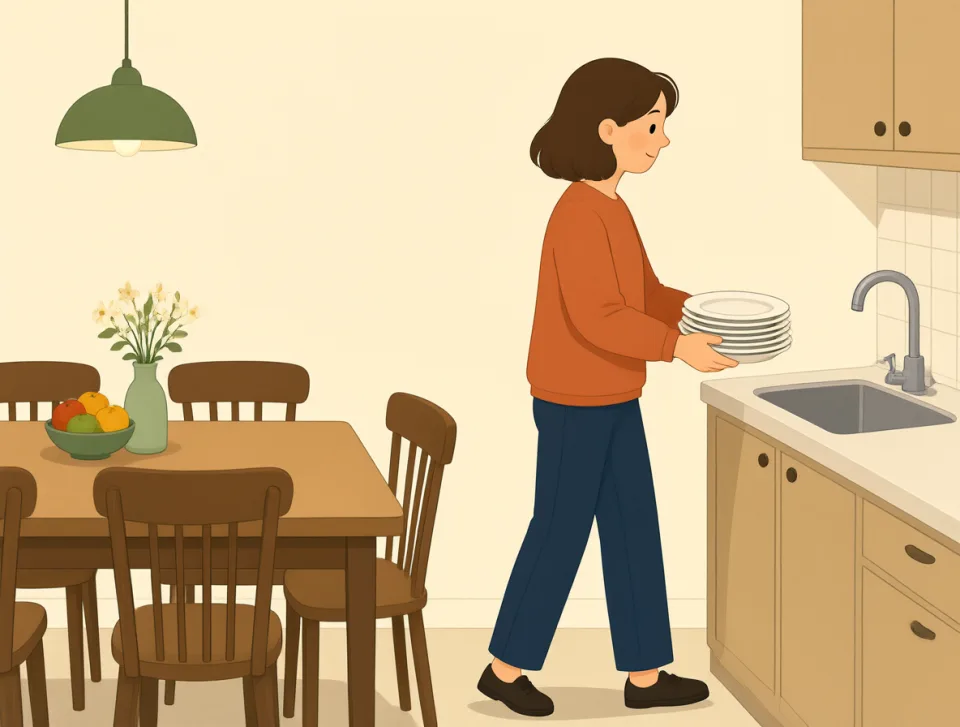
We gathered all the dishes and put them in the sink.
我們把所有的盤子收集起來,放進水槽裡。

Dark clouds gathered over the mountains before the storm.
暴風雨來臨前,烏雲聚集在山上空。

Please gather information before you make your decision.
請在做決定之前收集相關資訊。

Friends gathered at the station to welcome Anna.
朋友們聚集在車站迎接Anna。

mostly
#1287adverb
大多數;通常;主要
More than half, or usually, but not completely or always.
超過一半,或通常如此,但並非完全如此,也並非總是如此。
The children mostly play outside after school.
孩子們放學後大多在外面玩。

I mostly drink water during the day.
我白天大多喝水。

The audience was mostly young students.
觀眾大多是年輕學生。

We mostly use the kitchen for cooking and eating.
我們主要用廚房做飯和吃飯。

The trip was mostly enjoyable, despite the rainy weather.
儘管天氣一直下雨,這趟旅行總體上還是挺愉快的。

earth
#1288noun
地球;土壤;大地
the planet we live on, or the soil and land beneath our feet
我們居住的星球,或腳下的土壤和土地
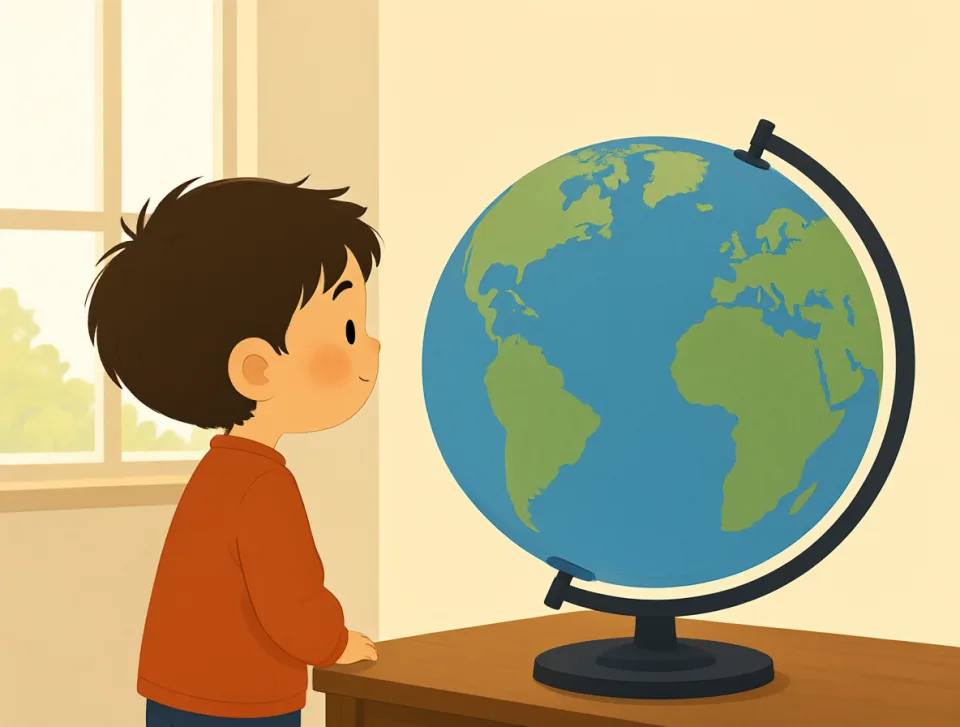
The Earth moves around the sun once every year.
地球每年繞太陽執行一週。

Please put the empty bottle in the earth-friendly recycling bin.
請把空瓶放進環保回收箱。
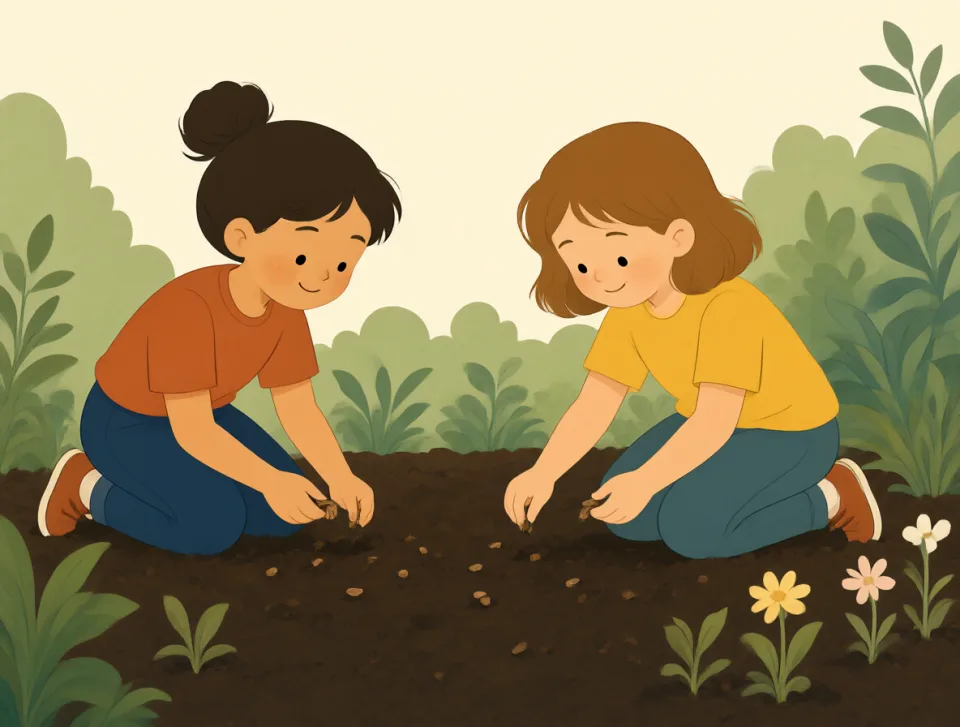
The children planted small seeds in the earth.
孩子們把小種子種在土裡。

After the earthquake, people slept outside on the earth.
地震後,人們睡在外面的地上。

The farmer grows vegetables in rich earth.
農民在肥沃的土壤裡種植蔬菜。
pop
#1289verb, noun
爆裂;突然出現;爆米花;少量
to make a short, sharp sound or suddenly appear; a small amount of something
發出短促而尖銳的聲音,或突然出現;少量的東西

The balloon popped while the children were playing.
孩子們玩耍時,氣球爆了。
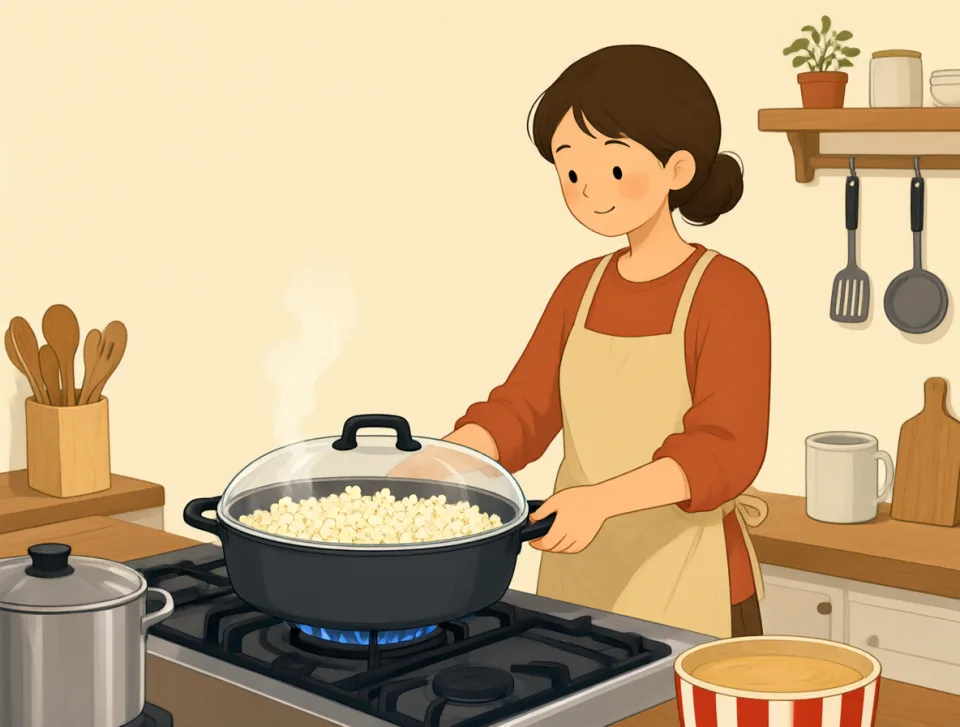
Pop the corn in a covered pan over medium heat.
把玉米放在蓋著蓋子的鍋裡,用中火爆成爆米花。

She popped into the shop to buy some milk.
她順便進了趟商店去買牛奶。

A message popped up on my phone during class.
上課時,我的手機上突然彈出了一條訊息。

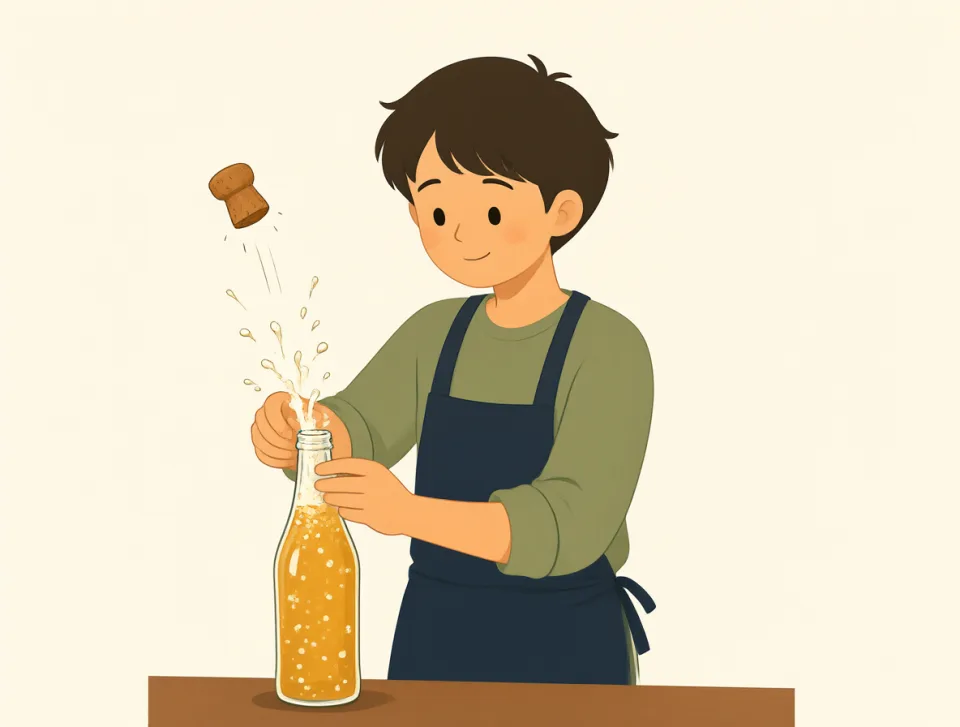
He gave the bottle a pop and opened it easily.
他啪的一聲開啟了瓶子,輕鬆地把它開啟了。
essential
#1290adjective, noun
必要的;必不可少的;要點
Absolutely necessary or extremely important for a particular purpose.
對於特定目的來說絕對必要或極其重要。

Good communication is essential for a successful team.
良好的溝通對於一個成功的團隊至關重要。
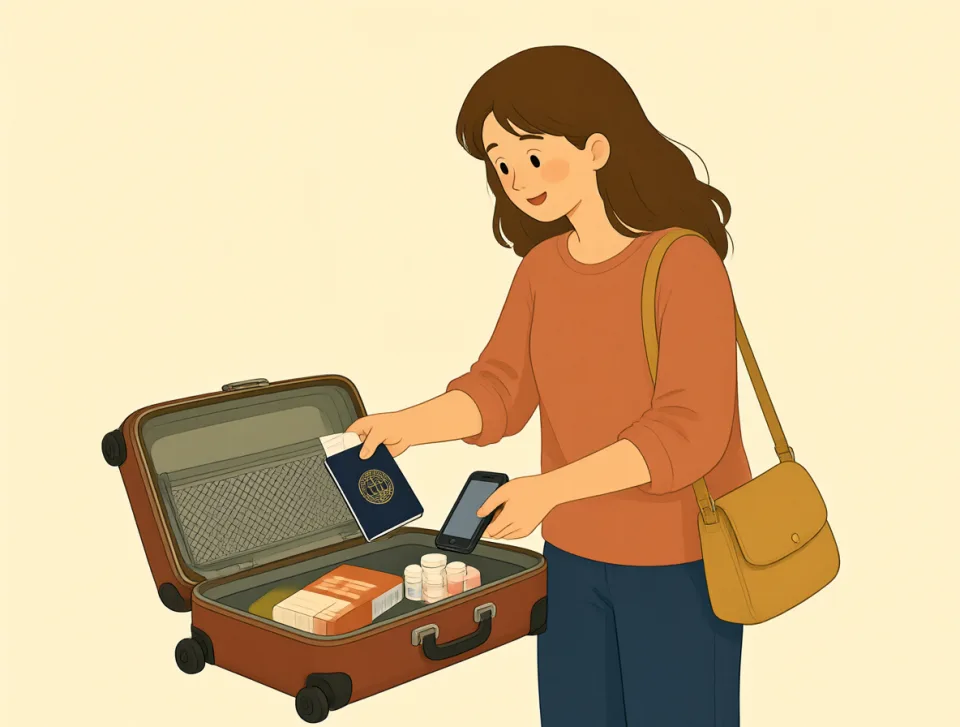
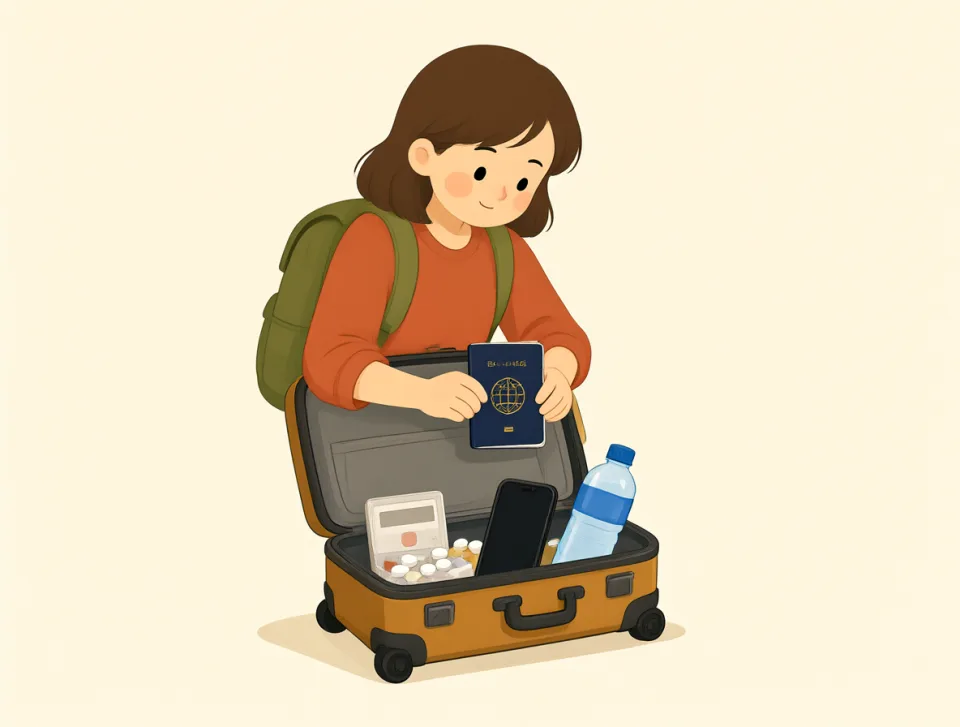
Pack essential items before you leave for the airport.
出發去機場前,把必需品收拾好。
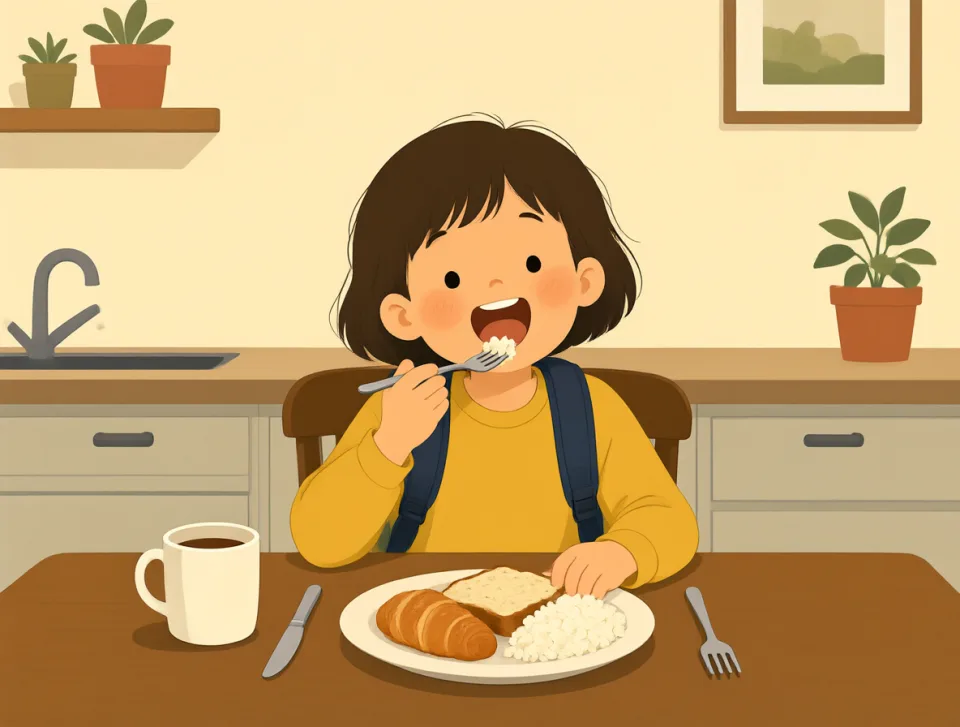
Breakfast is essential because it gives children energy for school.
早餐是必不可少的,因為它能為孩子們上學提供能量。
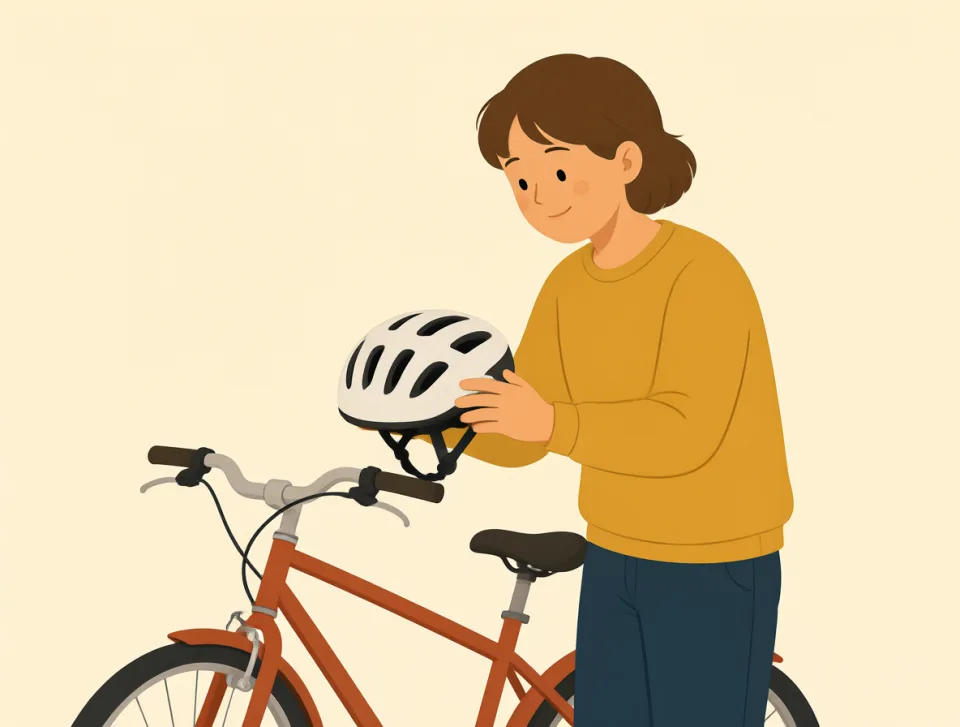
Wearing a helmet is essential when you ride a bike.
騎腳踏車時,戴頭盔是必不可少的。

The doctor explained the essentials of staying healthy.
醫生解釋了保持健康的基本要點。

desire
#1291noun, verb
渴望;希望;想要
a strong wish to have or do something
強烈地希望得到或做某事

She has a strong desire to travel around the world.
她非常渴望環遊世界。

His desire for success helped him work hard every day.
他對成功的渴望促使他每天努力工作。

The children desired ice cream after playing outside.
孩子們在外面玩了一會兒後,想吃冰淇淋。

I desire a quiet room where I can rest tonight.
我想要一間安靜的房間,今晚好好休息。

The doctor asked about my desire to eat less sugar.
醫生問我有沒有少吃糖的打算。

promote
#1292verb
促進;推廣;晉升
To help something grow, develop, or become more popular.
幫助某事物增長、發展或變得更受歡迎。

The company promoted her to manager after five years.
五年後,公司把她提拔為經理。

We promoted the new restaurant on social media.
我們在社交媒體上推廣了這家新餐廳。
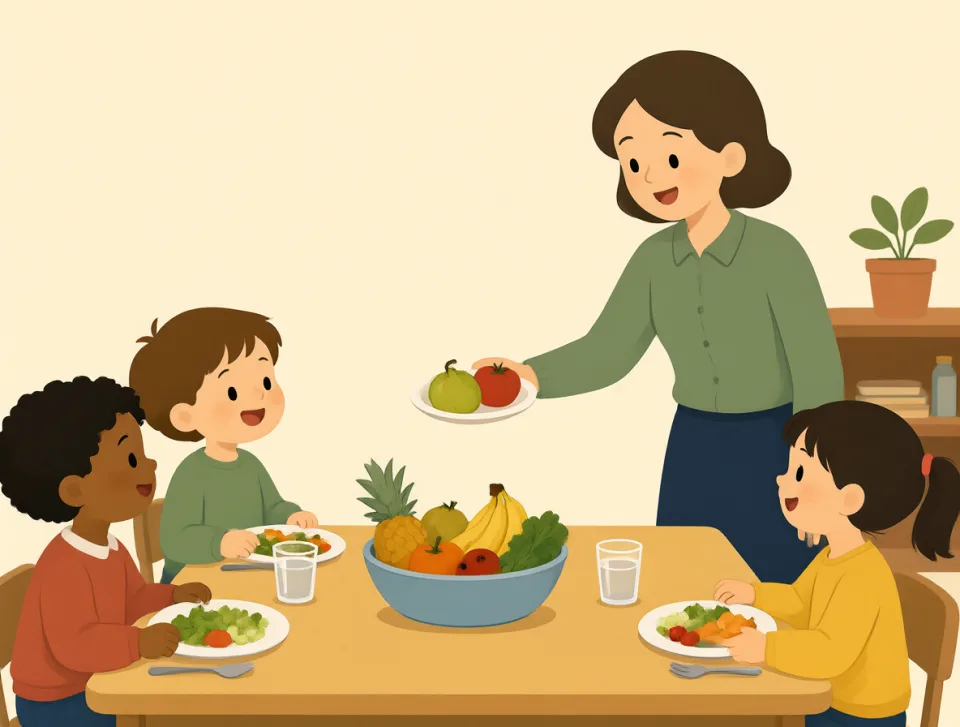
The school promotes healthy eating among its students.
學校鼓勵學生健康飲食。
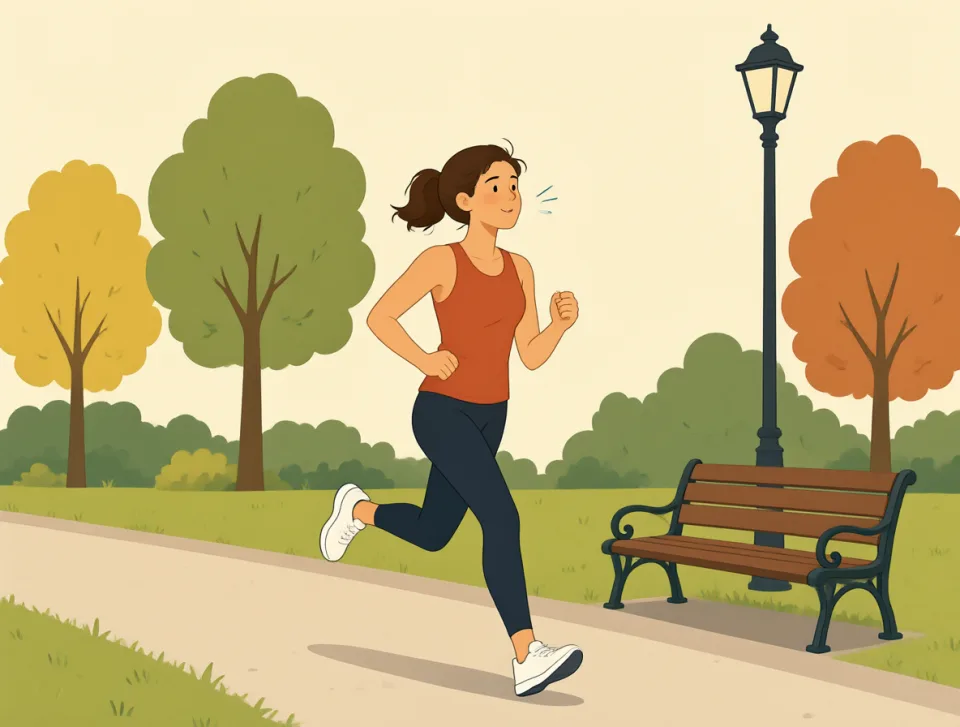
Regular exercise promotes better sleep and more energy.
經常鍛鍊有助於改善睡眠、增強精力。

The hotel promotes a peaceful holiday near the beach.
這家酒店宣傳在海灘附近享受寧靜假期的體驗。

currently
#1293adverb
目前;現在
At the present time; now.
在當前時間;現在。
She is currently working from home.
她目前在家工作。

The museum is currently closed for repairs.
博物館目前因維修而關閉。

I am currently looking for a new apartment.
我目前正在尋找新公寓。

He is currently studying for his final exams.
他目前正在準備期末考試。

The doctor is currently treating several patients.
醫生目前正在治療幾位病人。

employ
#1294verb
僱用;使用
to give someone a job and pay them for their work
給某人一份工作併為其勞動支付報酬

The company employs more than two hundred people.
這家公司僱用了兩百多名員工。
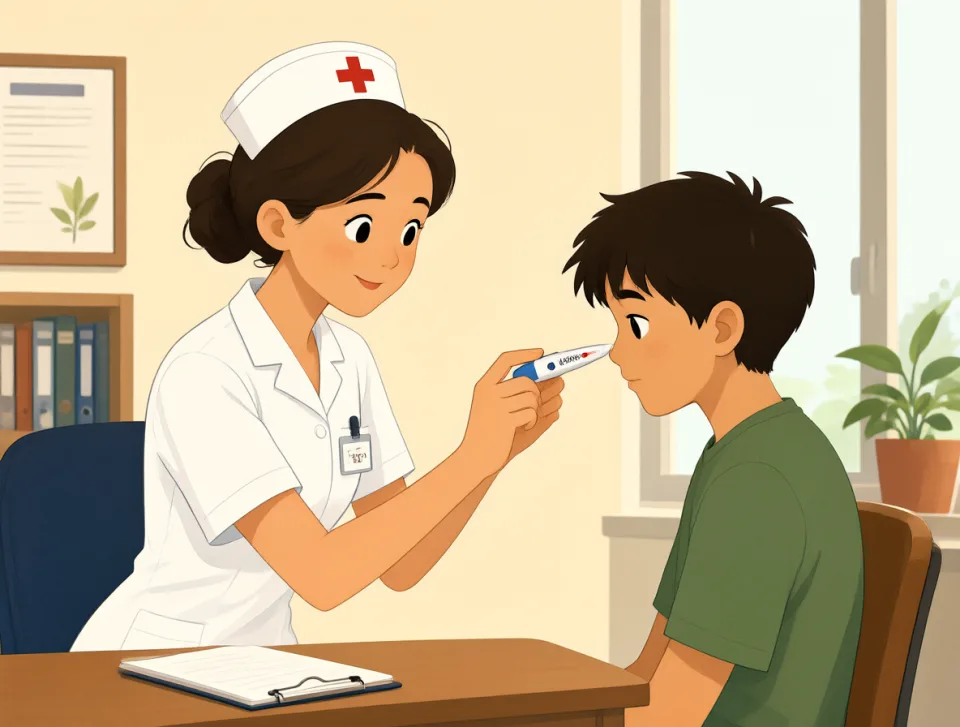
Our school employs a nurse to help sick students.
我們學校聘請了一名護士來幫助生病的學生。

They employed a local guide during their trip to Italy.
他們在義大利旅行期間僱了一名當地導遊。
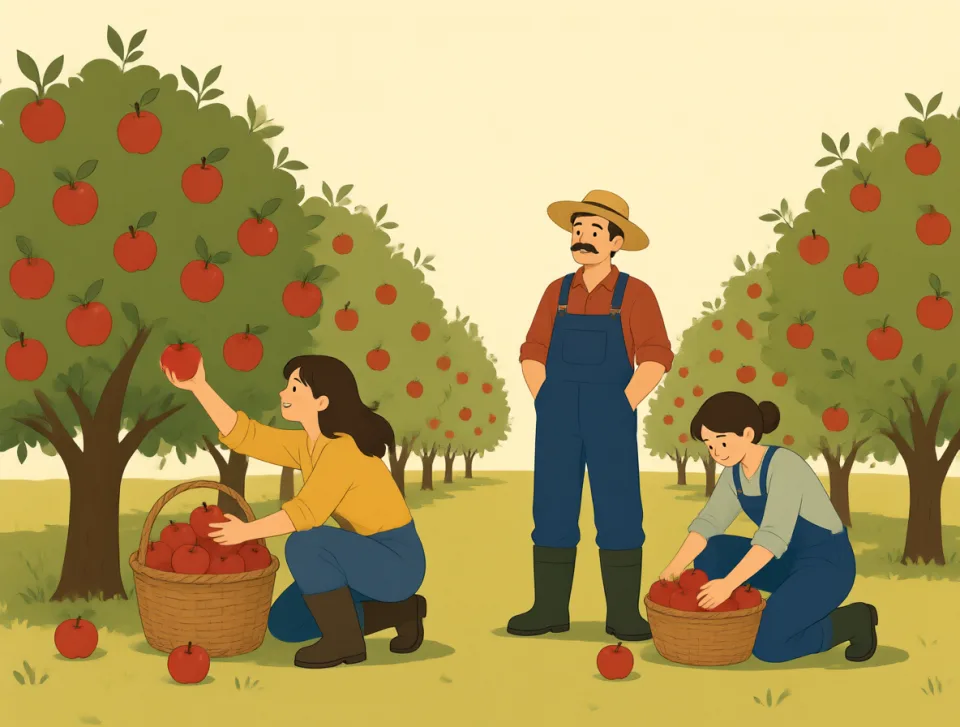
The farmer employs three workers to pick apples each autumn.
每年秋天,這位農場主都會僱用三名工人採摘蘋果。
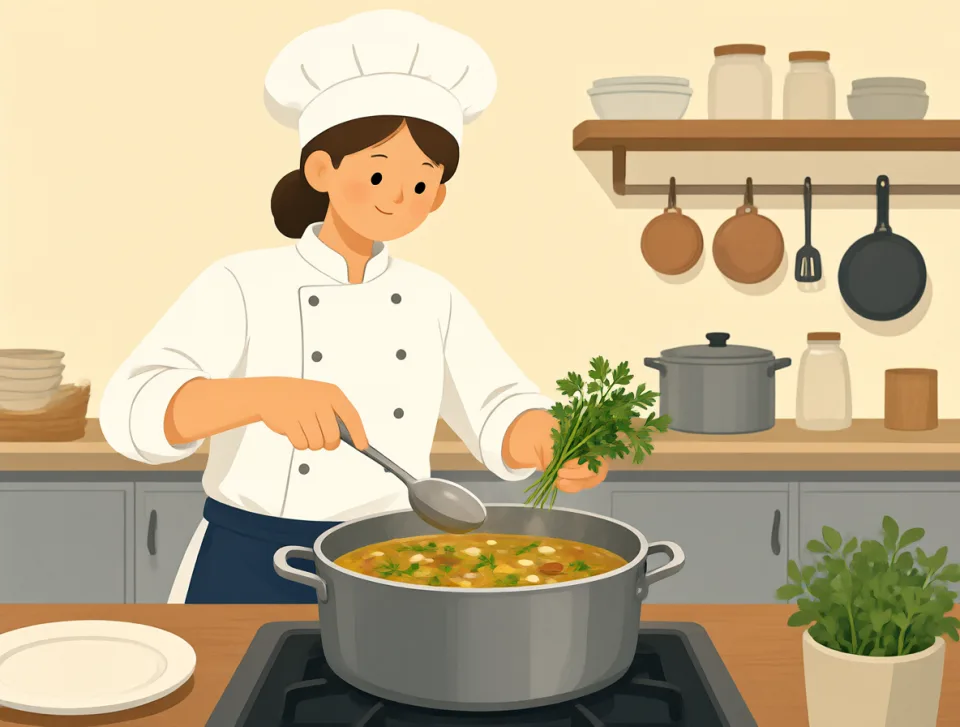
The restaurant employs fresh herbs to improve the soup's flavor.
這家餐館使用新鮮香草來提升湯的味道。

path
#1295noun
小路;道路;途徑
A way or track that people walk, travel, or move along.
供人步行、行進或通行的路或小道。

We followed the path through the forest to the lake.
我們沿著林間小路走到了湖邊。

This path leads to the main road near the village.
這條小路通向村子附近的主幹道。
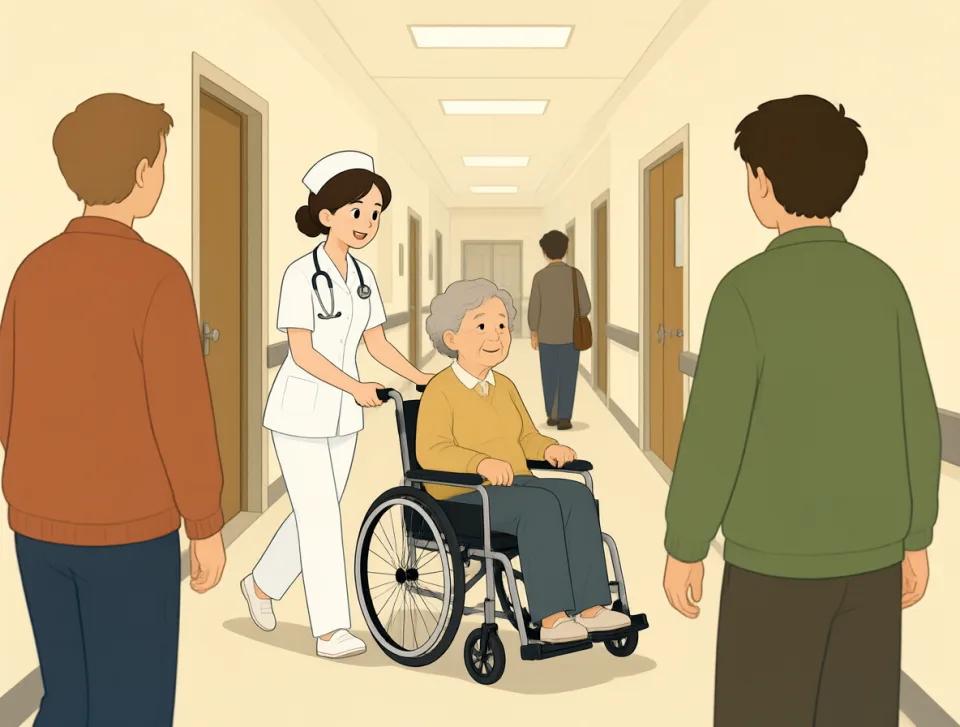
Please clear the path so the nurse can bring the wheelchair.
請把通道清理出來,好讓護士推輪椅透過。

The company is looking for a new path to growth.
公司正在尋找新的增長途徑。
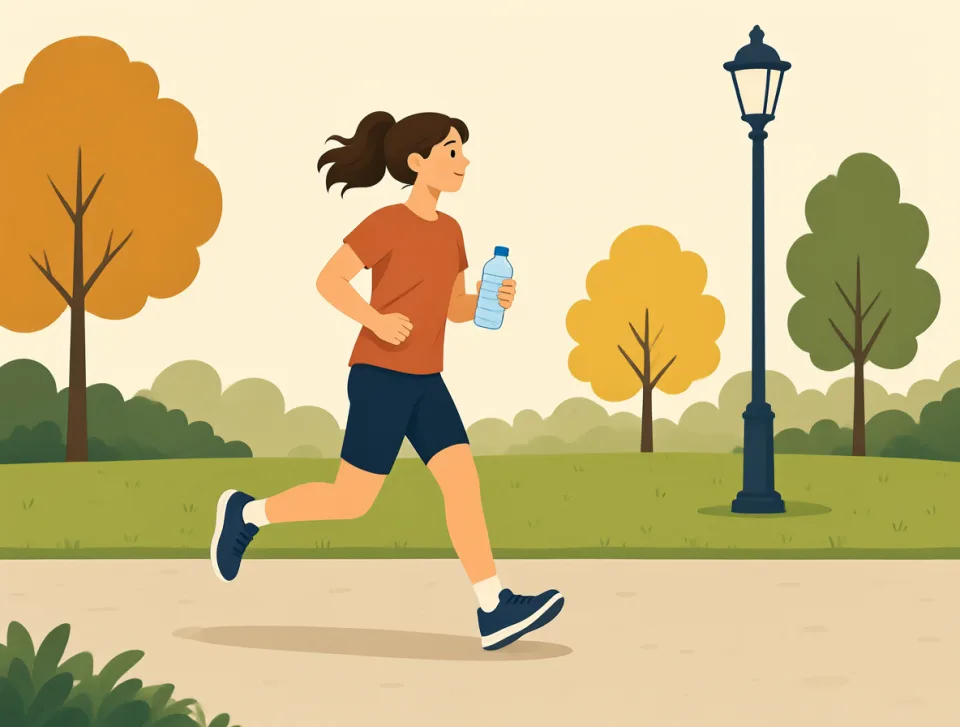
Regular exercise can help you stay on the path to better health.
定期鍛鍊有助於你走上健康之路。

topic
#1296noun
話題;主題
A subject that people talk, write, or learn about.
人們談論、寫作或學習的內容。

The main topic of today's meeting is our new project.
今天會議的主要議題是我們的新專案。

We chose an interesting topic for our school presentation.
我們為學校的演講展示選了一個有趣的話題。

Let's change the topic; I don't want to discuss money.
我們換個話題吧,我不想談錢。

The book covers several topics about healthy eating.
這本書介紹了幾個關於健康飲食的話題。

Travel was a popular topic during our dinner with friends.
和朋友共進晚餐時,旅行是個熱門話題。

beach
#1297noun
海灘;沙灘
An area of sand or small stones beside the sea or a lake.
海邊或湖邊由沙子或小石子組成的區域。

We spent the afternoon relaxing on the beach.
我們整個下午都在海灘上放鬆。

The children built a sandcastle on the beach.
孩子們在海灘上堆了一座沙堡。

Let's take a walk along the beach before dinner.
晚飯前,我們沿著海灘散散步吧。

The hotel has a private beach for its guests.
這家酒店有一片供客人使用的私人海灘。

Strong waves washed several shells onto the beach.
巨浪把幾個貝殼衝到了海灘上。

attract
#1298verb
吸引;引起興趣
to make someone or something interested in or interested in coming closer
使某人或某物產生興趣,或吸引其靠近

The colorful window display attracted many shoppers.
五顏六色的櫥窗展示吸引了許多購物者。

The festival attracts visitors from many different countries.
這個節日吸引了來自許多不同國家的遊客。
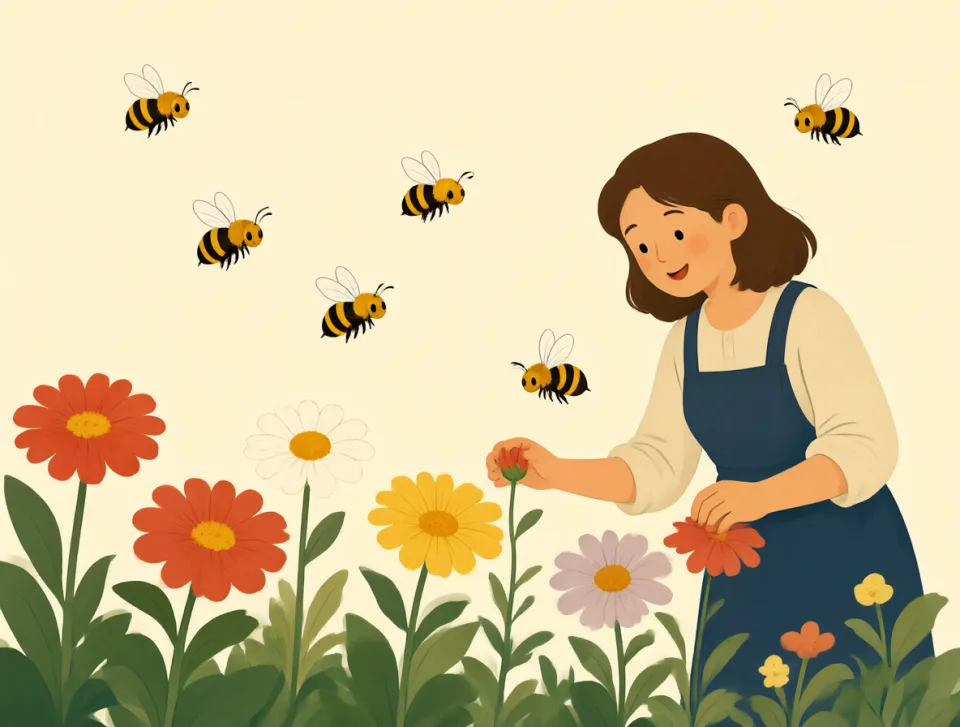
Bright flowers attract bees to our garden.
鮮豔的花朵吸引蜜蜂來到我們的花園。

The smell of fresh bread attracted me to the bakery.
新鮮麵包的香味吸引我走進了麵包店。
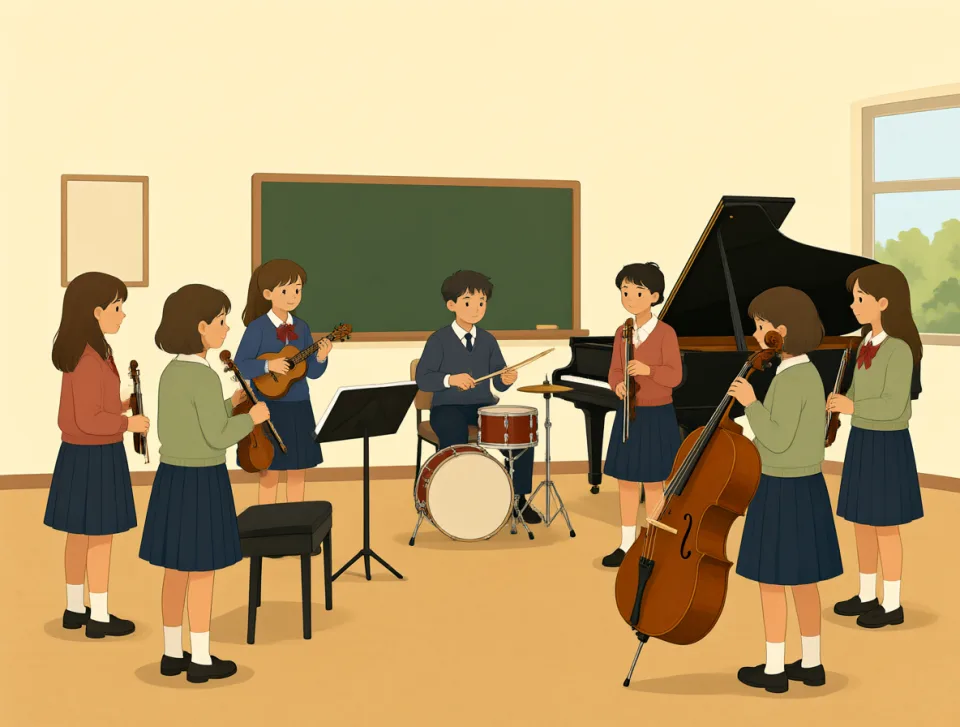
The new club attracted students who enjoyed playing music.
這家新俱樂部吸引了喜歡演奏音樂的學生。

engage
#1299verb
參與;溝通;吸引
to become involved in something, communicate with someone, or attract someone's interest.
參與某件事、與某人交流,或引起某人的興趣。

The children engaged in a lively game after school.
孩子們放學後參加了一場熱鬧的遊戲。

Please engage with your classmates during the group discussion.
小組討論時,請和你的同學積極交流。

The teacher used a story to engage the students' attention.
老師用一個故事吸引了學生們的注意力。

I engage in regular exercise to keep my heart healthy.
我經常鍛鍊,以保持心臟健康。

We engaged a local guide to show us around the city.
我們聘請了一位當地導遊帶我們遊覽這座城市。

powerful
#1300adjective
強大的;有力的;強效的
having a strong effect, great strength, or a lot of power
有強烈影響、力量很大或權力很大

The powerful storm knocked down several trees in our street.
我們街上的那場強風暴颳倒了好幾棵樹。

This powerful computer can run several programs at once.
這臺效能強大的電腦可以同時執行好幾個程式。

She gave a powerful speech that moved everyone in the room.
她發表了一場打動全場所有人的有力演講。

Garlic has a powerful smell, so open the kitchen window.
大蒜的氣味很濃,記得開啟廚房的窗戶。

The doctor prescribed a powerful medicine for his serious infection.
醫生給他開了一種強效藥,治療嚴重感染。