Responding to Office Actions
答覆審查意見通知書
The applicant and attorney receive an 'Office Action' from the patent office detailing objections or rejections. They then discuss strategies and prepare a formal response, often involving amendments to claims or arguments.
申請人和律師收到專利局的“審查意見通知書”,其中詳細說明了異議或駁回。他們隨後討論策略並準備正式答覆,通常包括修改權利要求或提出論點。
對話11
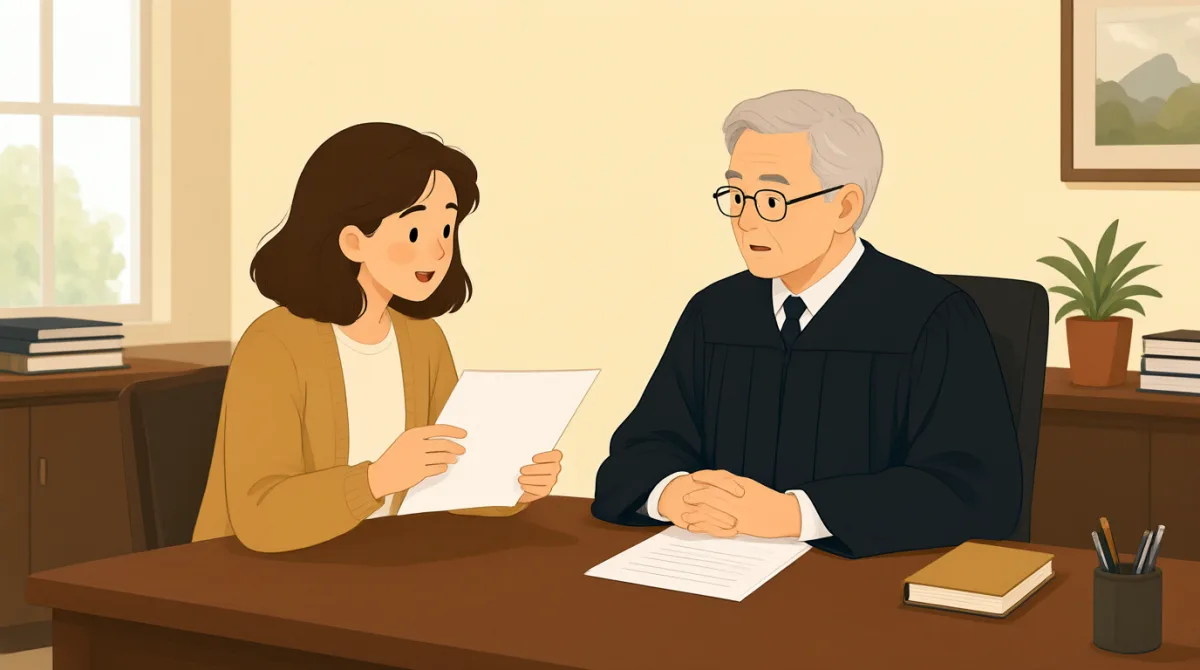

Good morning, Ms. Carter. I'm afraid we've received an Office Action for your patent application regarding the drone stabilization system. It landed in my inbox just yesterday.
卡特女士,早上好。恐怕我們就您的無人機穩定系統專利申請收到了審查意見通知書。它昨天才發到我的郵箱。

Oh, right. I was expecting that. What's the gist of it? Is it a rejection or just some objections we need to address?
哦,好的。我預料到了。主要內容是什麼?是駁回還是隻是一些我們需要解決的異議?
It's primarily objections based on prior art. The examiner cited two previous patents that they believe anticipate some of your claims, particularly those related to the sensor fusion aspect. They also raised a formality issue with the abstract.
主要是基於現有技術的異議。審查員引用了兩項他們認為與您的某些權利要求(特別是涉及感測器融合方面的權利要求)存在重複的現有專利。他們還提出了摘要的格式問題。
Sensor fusion, really? I thought our approach was distinct enough. Can we argue against that? And the abstract is usually an easy fix.
感測器融合?真的嗎?我以為我們的方法已經足夠獨特了。我們可以對此進行辯論嗎?摘要通常很容易修改。
Yes, we certainly can. I've already drafted some preliminary arguments for the sensor fusion claims, highlighting the unique algorithmic implementation. We'll need to submit a robust response within three months, which gives us some breathing room.
是的,我們當然可以。我已經為感測器融合權利要求起草了一些初步論點,強調了獨特的演算法實現。我們需要在三個月內提交一份有力的答覆,這給了我們一些喘息的空間。
Three months sounds manageable. What about amending the claims? Do you think we'll need to narrow them down, or can we push back more aggressively?
三個月聽起來可行。那修改權利要求呢?您認為我們需要縮小範圍,還是可以更積極地反駁?
We'll definitely consider amendments, especially for the broader claims. My preference is to try arguing first, but we should prepare alternative claim language as a backup. It's often a back-and-forth process with the examiner.
我們肯定會考慮修改,特別是對於更廣泛的權利要求。我傾向於先嚐試論證,但我們應該準備備用的權利要求措辭。這通常是與審查員來回協商的過程。
Okay, that makes sense. So, what are the next steps? Do you need any more technical details from my end, or are you working on the response independently for now?
好的,這有道理。那麼,下一步是什麼?您現在需要我提供更多技術細節,還是您先獨立準備答覆?
For now, I'll refine the arguments and proposed claim amendments. I'll send you a draft for your review next week. Please be ready to provide further technical details or clarifications if needed, especially regarding how your system differs from the cited prior art.
目前,我將完善論點和擬議的權利要求修改。下週我會將草稿發給您審閱。請準備好在需要時提供進一步的技術細節或澄清,特別是關於您的系統與引用的現有技術有何不同之處。
Understood. I'll make sure to prioritize that. Thanks for staying on top of this, I appreciate your proactive approach.
明白了。我一定優先處理。謝謝您一直關注此事,我很欣賞您的積極主動。
My pleasure. We'll get this addressed. I'll be in touch next week. Have a good one.
不客氣。我們會處理好的。我下週會與您聯絡。祝您愉快。
詞彙8
- Office Action審查意見通知書
A formal notice from the patent office pointing out problems or rejections in a patent application. It's like a feedback letter that requires a response.
專利局發出的正式通知,指出專利申請中存在的問題或駁回理由。它就像一封要求申請人作出答覆的反饋信。
- prior art現有技術
Existing inventions, patents, or publications that came before your invention and can be used to challenge its novelty. In patent discussions, it's key to show how your idea is different.
在你的發明之前已經存在的發明、專利或出版物,可被用來質疑你的發明是否具有新穎性。在專利討論中,關鍵是說明你的想法與現有技術有何不同。
- claims權利要求
The specific parts of a patent application that legally define what your invention protects. They are like the boundaries of your idea that you want to defend.
專利申請中具體界定專利保護範圍的部分。它們就像你希望維護的發明邊界。
- objections異議
Official reasons from the patent examiner why parts of your application are not acceptable. It's common in legal processes to address these step by step.
專利審查員提出的正式理由,說明申請中的某些部分為何不符合要求。在法律程式中,逐項處理這些異議很常見。
- amendments修改
Changes or modifications made to a patent application to fix issues raised by the examiner. This helps make your application stronger and more approvable.
為解決審查員指出的問題而對專利申請作出的變更或調整。這有助於增強申請的說服力,提高獲批的可能性。
- robust有力的;紮實的
Strong, solid, and effective. In professional contexts like this, it means a response or argument that is well-prepared and hard to challenge.
指強而有力、穩妥且有效。在這類專業場合中,通常形容準備充分、不容易被反駁的答覆或論點。
- breathing room喘息的空間;緩衝時間
Extra time or space to handle a situation without too much pressure. It's an idiomatic expression used when deadlines are not too tight.
指有額外的時間或餘地來處理事情,不必承受太大壓力。這個習語常用於形容截止期限不太緊迫。
- proactive積極主動的
Acting in advance to deal with an expected problem rather than reacting later. It's a positive trait in business and legal work, showing initiative.
在預料到問題時提前採取行動,而不是等問題出現後才應對。這是商務和法律工作中的一種積極品質,體現了主動性。
關鍵句8
- 1
I'm afraid we've received an Office Action for your patent application.
恐怕我們收到了您專利申請的審查意見通知書。
This is a polite way to deliver potentially bad news. 'I'm afraid' softens the message, making it less direct. Use it in professional emails or calls when sharing unwelcome updates, like in business or legal contexts.
這是一種禮貌地告知對方可能不太好的訊息的說法。'I'm afraid'(恐怕)能讓語氣不那麼直接。分享令人不快的訊息時,比如在商務或法律場合的郵件和電話中,可以這樣說。
- 2
What's the gist of it?
主要內容是什麼?
A casual way to ask for the main point or summary of something. 'Gist' means the essential idea. It's useful in conversations to quickly understand complex information without details, common in meetings or consultations.
這是一種比較隨意的問法,用來詢問某件事的重點或概要。'Gist' 指核心意思。交談中想快速瞭解複雜資訊、又不需要知道所有細節時,這種說法很實用,在會議或諮詢中也很常見。
- 3
It's primarily objections based on prior art.
主要是基於現有技術提出的異議。
This explains the main issues clearly. 'Primarily' means mainly or mostly. The sentence uses technical terms but in a straightforward structure. Use it to summarize problems in reports or discussions, helping intermediate learners practice describing causes.
這句話清楚地概括了主要問題。'Primarily' 意為“主要地”或“大部分”。句子使用了專業術語,但結構直白。你可以用它概述報告或討論中的問題,練習說明問題的成因。
- 4
Can we argue against that?
我們可以對此提出反駁嗎?
A question suggesting a challenge to an opinion or decision. 'Argue against' means to present reasons why something is wrong. It's practical for negotiations or debates, like in legal or work settings, and shows how to seek options politely.
這是一個建議對某種觀點或決定提出質疑的問句。'Argue against' 意為“提出理由反駁某事”。在談判、辯論或法律和工作場合中都很實用,也能禮貌地詢問是否有其他選擇。
- 5
We'll need to submit a robust response within three months, which gives us some breathing room.
我們需要在三個月內提交一份有力的答覆,這樣我們就有了一些喘息的空間。
This states a requirement and its benefit. The relative clause 'which gives us...' explains the advantage. Use this pattern to discuss deadlines and positives, common in project management. 'Breathing room' is an idiom for extra time.
這句話先說明一項要求,再說明它帶來的好處。關係從句 'which gives us...' 用來解釋優勢。討論截止日期和積極因素時,可以使用這個句型,在專案管理中很常見。'Breathing room' 是一個表示“額外時間”的習語。
- 6
What about amending the claims?
那修改權利要求呢?
'What about' introduces a suggestion or alternative idea. It's a simple way to propose changes in discussions. Useful for collaborative talks, like brainstorming solutions, and helps learners practice question forms for options.
'What about' 用來引出建議或另一個想法。在討論中,它是提出變更建議的簡單說法。團隊一起商量解決方案時很實用,也能幫助你練習用問句提出不同選項。
- 7
It's often a back-and-forth process with the examiner.
這通常是與審查員來回溝通的過程。
Describes a repeated exchange of ideas. 'Back-and-forth' is an idiom for ongoing discussion. This sentence uses present simple for general truths. Use it to explain typical processes in business or legal scenarios to set expectations.
這句話描述了反覆交流意見的過程。'Back-and-forth' 是一個表示“來回溝通”的習語。句子使用一般現在時來說明常見情況。你可以用它介紹商務或法律流程通常如何進行,讓對方瞭解預期。
- 8
Thanks for staying on top of this, I appreciate your proactive approach.
謝謝您一直跟進這件事,我很感謝您積極主動的做法。
'Staying on top of' means keeping control or updated on something. This expresses gratitude professionally. It's great for emails or calls to thank colleagues, teaching polite appreciation and idioms in workplace English.
'Staying on top of' 意為持續掌握情況或妥善跟進某事。這句話以專業、禮貌的方式表達感謝。在郵件或電話中感謝同事時很實用,也能幫你學習職場英語中的禮貌表達和習語。