A Big City or a Small Town?
Emma asks Mia whether her hometown is a big city or a small town. Mia describes its size and what daily life is like there.
Dialogue8
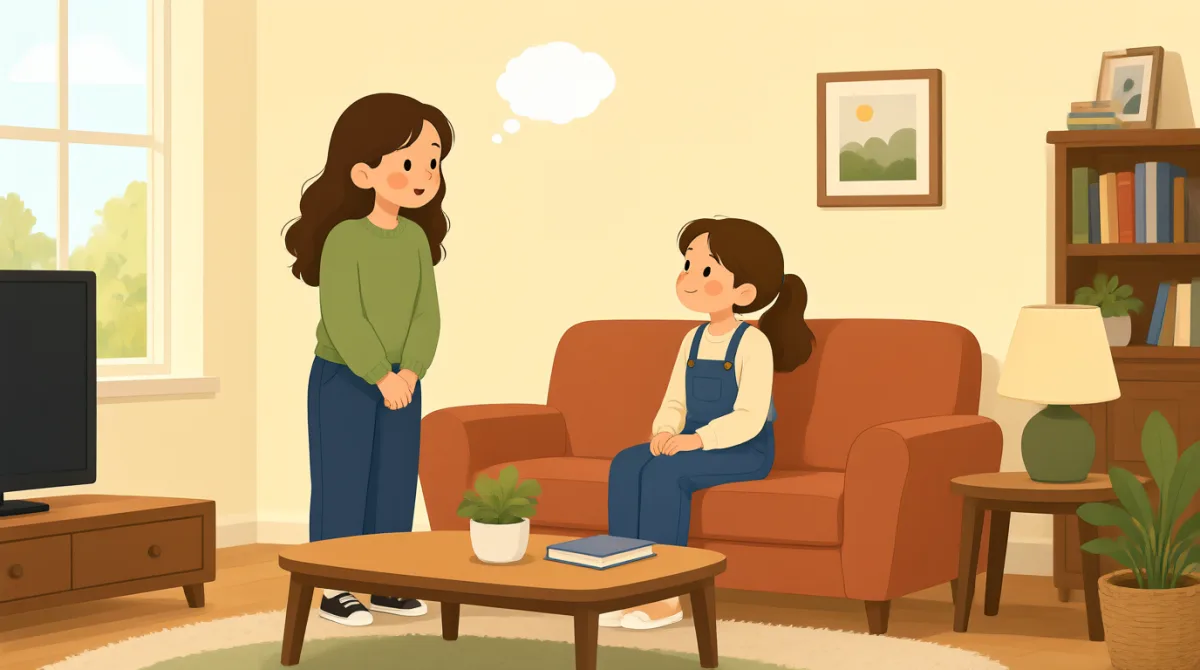

Is your hometown a big city or a small town, Mia?

It’s a small city, but it’s bigger than a town.
How many people live there?
About two hundred thousand. It’s not too crowded, and most places are easy to reach.
That sounds nice. What’s daily life like there?
It’s quiet and friendly. People often walk to the shops or take the bus.
Do you have busy areas, too?
Yes, the town center gets busy on weekends, but it’s calm on weekdays.
Vocabulary8
- hometown
The town or city where you grew up or where your family is from. Use it when talking about where you are from.
- small city
A city that is not very large. You can use this phrase to describe the size of a place.
- crowded
Full of many people, so there is little space. Use it to describe a busy place.
- easy to reach
Not difficult to get to. You can use this phrase when places are close or transport is convenient.
- daily life
The usual things people do every day. Ask “What’s daily life like?” to learn about someone’s everyday experience.
- take the bus
To travel somewhere by bus. Use “take the” with other forms of transport, such as “take the train.”
- town center
The main area in a town, often with shops and other places to visit. You can use it when describing where people go.
- on weekdays
During the days from Monday to Friday. Use it to say when something usually happens.
Key Sentences7
- 1
Is your hometown a big city or a small town, Mia?
This is a useful way to ask someone what kind of place their hometown is. You can replace “a big city” and “a small town” with other choices.
- 2
It’s a small city, but it’s bigger than a town.
This sentence describes a place by comparing its size. Use “bigger than” to compare two places or things.
- 3
About two hundred thousand.
This is a short, natural answer to a question about how many people live somewhere. Use “about” when you are giving an approximate number.
- 4
It’s not too crowded, and most places are easy to reach.
This sentence describes how busy a place is and how convenient it is to get around. You can change “not too crowded” and “easy to reach” to describe another location.
- 5
What’s daily life like there?
This is a natural way to ask what everyday life is like in a place. You can replace “there” with the name of a town or city.
- 6
People often walk to the shops or take the bus.
This sentence describes common ways people travel locally. Use “often” to talk about something people do regularly.
- 7
The town center gets busy on weekends, but it’s calm on weekdays.
This sentence compares how a place feels at different times. You can use “gets busy” and “is calm” to describe other places and days.