A Big City or a Small Town?
Duże miasto czy małe miasteczko?
Emma asks Mia whether her hometown is a big city or a small town. Mia describes its size and what daily life is like there.
Emma pyta Mię, czy jej rodzinne strony to duże miasto, czy małe miasteczko. Mia opowiada o ich wielkości i o tym, jak wygląda tam codzienne życie.
Dialog8
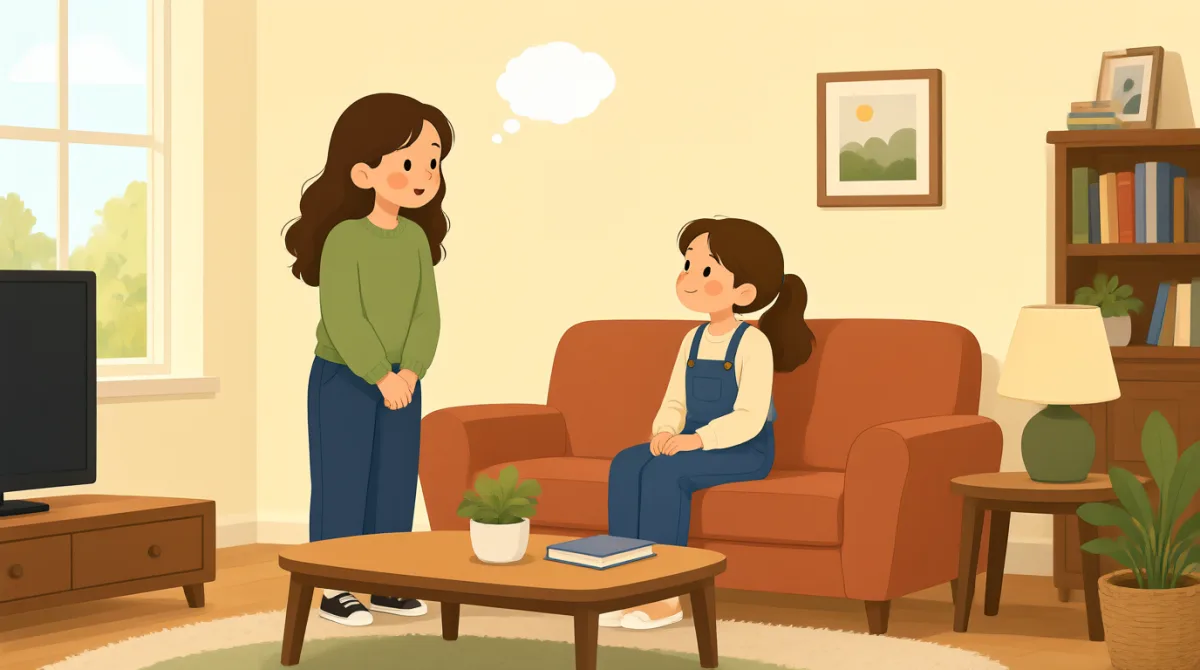

Is your hometown a big city or a small town, Mia?
Mia, twoje rodzinne strony to duże miasto czy małe miasteczko?

It’s a small city, but it’s bigger than a town.
To małe miasto, ale większe niż miasteczko.
How many people live there?
Ile osób tam mieszka?
About two hundred thousand. It’s not too crowded, and most places are easy to reach.
Około dwustu tysięcy. Nie ma tam zbyt wielu ludzi, a do większości miejsc łatwo dotrzeć.
That sounds nice. What’s daily life like there?
Brzmi fajnie. Jak wygląda tam codzienne życie?
It’s quiet and friendly. People often walk to the shops or take the bus.
Jest spokojnie i przyjaźnie. Ludzie często chodzą pieszo do sklepów albo jeżdżą autobusem.
Do you have busy areas, too?
Są tam też ruchliwe miejsca?
Yes, the town center gets busy on weekends, but it’s calm on weekdays.
Tak, w centrum robi się tłoczno w weekendy, ale w dni powszednie jest spokojnie.
Słownictwo8
- hometownrodzinne strony
The town or city where you grew up or where your family is from. Use it when talking about where you are from.
Miejscowość, w której dorastałeś lub skąd pochodzi twoja rodzina. Użyj tego wyrażenia, gdy mówisz o tym, skąd jesteś.
- small citymałe miasto
A city that is not very large. You can use this phrase to describe the size of a place.
Miasto, które nie jest zbyt duże. Tego wyrażenia możesz użyć, by opisać wielkość jakiegoś miejsca.
- crowdedzatłoczony
Full of many people, so there is little space. Use it to describe a busy place.
Pełen ludzi, przez co jest mało miejsca. Użyj tego słowa, by opisać miejsce, w którym panuje duży ruch.
- easy to reachłatwo dotrzeć
Not difficult to get to. You can use this phrase when places are close or transport is convenient.
Nietrudno się tam dostać. Możesz użyć tego wyrażenia, gdy miejsca są blisko albo dojazd jest wygodny.
- daily lifecodzienne życie
The usual things people do every day. Ask “What’s daily life like?” to learn about someone’s everyday experience.
Zwykłe rzeczy, które ludzie robią każdego dnia. Zapytaj “What’s daily life like?”, żeby dowiedzieć się, jak wygląda czyjeś życie na co dzień.
- take the busjeździć autobusem
To travel somewhere by bus. Use “take the” with other forms of transport, such as “take the train.”
Podróżować gdzieś autobusem. Wyrażenia “take the” używa się też z innymi środkami transportu, na przykład “take the train”.
- town centercentrum miasteczka
The main area in a town, often with shops and other places to visit. You can use it when describing where people go.
Główna część miasteczka, często z sklepami i innymi miejscami, które można odwiedzić. Możesz użyć tego wyrażenia, opisując, dokąd chodzą ludzie.
- on weekdaysw dni powszednie
During the days from Monday to Friday. Use it to say when something usually happens.
Od poniedziałku do piątku. Użyj tego wyrażenia, by powiedzieć, kiedy coś zwykle się dzieje.
Kluczowe zdania7
- 1
Is your hometown a big city or a small town, Mia?
Mia, twoje rodzinne strony to duże miasto czy małe miasteczko?
This is a useful way to ask someone what kind of place their hometown is. You can replace “a big city” and “a small town” with other choices.
To przydatny sposób, by zapytać kogoś, jaką miejscowością są jego rodzinne strony. Możesz zastąpić “a big city” i “a small town” innymi możliwościami.
- 2
It’s a small city, but it’s bigger than a town.
To małe miasto, ale większe niż miasteczko.
This sentence describes a place by comparing its size. Use “bigger than” to compare two places or things.
To zdanie opisuje miejscowość, porównując jej wielkość z inną. Użyj “bigger than”, by porównać dwa miejsca lub przedmioty.
- 3
About two hundred thousand.
Około dwustu tysięcy.
This is a short, natural answer to a question about how many people live somewhere. Use “about” when you are giving an approximate number.
To krótka, naturalna odpowiedź na pytanie o liczbę mieszkańców jakiegoś miejsca. Użyj “about”, gdy podajesz przybliżoną liczbę.
- 4
It’s not too crowded, and most places are easy to reach.
Nie ma tam zbyt wielu ludzi, a do większości miejsc łatwo dotrzeć.
This sentence describes how busy a place is and how convenient it is to get around. You can change “not too crowded” and “easy to reach” to describe another location.
To zdanie opisuje, jak duży ruch panuje w danym miejscu i jak łatwo się po nim poruszać. Możesz zmienić “not too crowded” i “easy to reach”, by opisać inne miejsce.
- 5
What’s daily life like there?
Jak wygląda tam codzienne życie?
This is a natural way to ask what everyday life is like in a place. You can replace “there” with the name of a town or city.
To naturalny sposób, by zapytać, jak wygląda codzienne życie w jakimś miejscu. Zamiast “there” możesz podać nazwę miasteczka lub miasta.
- 6
People often walk to the shops or take the bus.
Ludzie często chodzą pieszo do sklepów albo jeżdżą autobusem.
This sentence describes common ways people travel locally. Use “often” to talk about something people do regularly.
To zdanie opisuje popularne sposoby poruszania się po okolicy. Użyj “often”, gdy mówisz o czymś, co ludzie robią regularnie.
- 7
The town center gets busy on weekends, but it’s calm on weekdays.
W centrum miasteczka robi się tłoczno w weekendy, ale w dni powszednie jest spokojnie.
This sentence compares how a place feels at different times. You can use “gets busy” and “is calm” to describe other places and days.
To zdanie porównuje, jak dane miejsce wygląda o różnych porach. Możesz użyć “gets busy” i “is calm”, by opisać inne miejsca i dni.