Initial Approach and Explanation
शुरुआत में बात करना और वजह बताना
The person needing to cut in line approaches someone at the front and briefly explains their urgent situation.
जिस व्यक्ति को लाइन में आगे जाना है, वह आगे खड़े किसी व्यक्ति के पास जाकर अपनी ज़रूरी स्थिति के बारे में संक्षेप में बताता है।
संवाद6
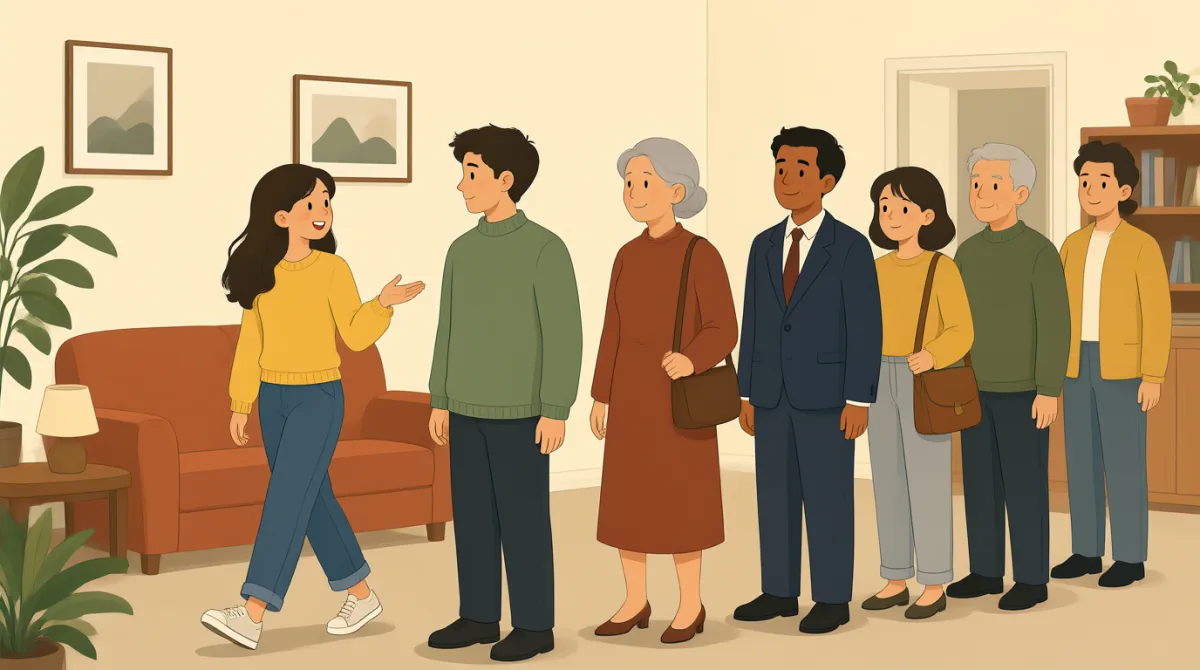

Excuse me, I'm so sorry to bother you, but I was wondering if I could possibly go ahead of you?
माफ़ कीजिए, आपको परेशान करने के लिए बहुत माफ़ी चाहता हूँ, लेकिन क्या मैं आपके आगे जा सकता हूँ?

Oh, sure. Is everything alright? Is there an emergency?
अरे, हाँ, ज़रूर। सब ठीक तो है? कोई आपातकालीन स्थिति है?
Yes, actually. My son is quite sick and I need to get him to the urgent care clinic immediately. We're already running a bit late.
जी, दरअसल। मेरा बेटा काफ़ी बीमार है और मुझे उसे तुरंत तत्काल देखभाल वाले क्लिनिक ले जाना है। हमें पहले ही थोड़ी देर हो रही है।
Oh, I'm so sorry to hear that! Of course, please go right ahead. I hope he feels better soon.
ओह, यह सुनकर बहुत अफ़सोस हुआ! बिल्कुल, आप आगे चले जाइए। उम्मीद है कि वह जल्द ठीक हो जाएगा।
Thank you so much, I really appreciate your understanding. You've been a lifesaver.
आपका बहुत-बहुत धन्यवाद, आपकी समझदारी के लिए मैं सचमुच आभारी हूँ। आपने मेरी बहुत बड़ी मदद की है।
No problem at all. Just be careful and get him seen quickly.
कोई बात नहीं। बस सावधानी से जाइए और उसे जल्दी डॉक्टर को दिखाइए।
शब्दावली7
- excuseमाफ़ करना
To say 'excuse me' is a polite way to get someone's attention or apologize for interrupting them in a conversation or situation.
'excuse me' कहकर किसी का ध्यान विनम्रता से अपनी ओर खींचा जा सकता है या बातचीत अथवा किसी स्थिति में बीच में बोलने के लिए माफ़ी माँगी जा सकती है।
- botherपरेशान करना
To bother someone means to interrupt or annoy them slightly; it's often used in apologies like 'sorry to bother you' to show politeness.
किसी को 'bother' करने का मतलब है उसे थोड़ा बीच में टोकना या परेशान करना। विनम्रता दिखाने के लिए माफ़ी माँगते समय, जैसे 'sorry to bother you' में, यह अक्सर इस्तेमाल होता है।
- wonderingसोच रहा/रही था/थी
Wondering means thinking about something or being curious; it's used to politely ask a question, like 'I was wondering if...' to make requests softer.
'Wondering' का मतलब है किसी बात के बारे में सोचना या जानने की उत्सुकता होना। 'I was wondering if...' जैसे वाक्यांश से विनम्रता से सवाल पूछा जा सकता है और अनुरोध थोड़ा नरम लगता है।
- aheadआगे
Ahead means in front of others; in lines, 'go ahead' means to move forward before someone else, often used when allowing someone to cut in politely.
'Ahead' का मतलब है दूसरों से आगे। लाइन में 'go ahead' का मतलब है किसी और से पहले आगे बढ़ना। किसी को विनम्रता से लाइन में आगे जाने देने के लिए भी इसका इस्तेमाल होता है।
- emergencyआपातकालीन स्थिति
An emergency is a sudden, serious situation that needs immediate help, like a medical problem; it's useful for explaining why you need to act quickly.
'Emergency' ऐसी अचानक आई गंभीर स्थिति होती है जिसमें तुरंत मदद की ज़रूरत हो, जैसे कोई चिकित्सकीय समस्या। जल्दी कार्रवाई करने की वजह बताते समय यह शब्द काम आता है।
- urgentतत्काल
Urgent means needing quick action because it's important or time-sensitive; say 'urgent care' for a clinic that handles non-life-threatening emergencies.
'Urgent' का मतलब है ऐसी ज़रूरी बात जिसके लिए समय रहते जल्दी कार्रवाई करनी हो। ऐसी क्लिनिक के लिए 'urgent care' कहते हैं जहाँ जानलेवा न होने वाली आपातकालीन स्थितियों का इलाज किया जाता है।
- lifesaverबहुत बड़ी मदद करने वाला व्यक्ति
A lifesaver is someone who helps you out of a difficult situation; it's an idiomatic expression to thank someone greatly, like saving your day.
'Lifesaver' ऐसे व्यक्ति को कहते हैं जो किसी मुश्किल स्थिति से निकलने में आपकी मदद करे। यह बहुत आभार जताने का मुहावरेदार तरीका है, जैसे किसी ने आपका दिन बचा लिया हो।
मुख्य वाक्य6
- 1
Excuse me, I'm so sorry to bother you, but I was wondering if I could possibly go ahead of you?
माफ़ कीजिए, आपको परेशान करने के लिए बहुत माफ़ी चाहता हूँ, लेकिन क्या मैं आपके आगे जा सकता हूँ?
This is a very polite way to make a request to cut in line. It uses 'excuse me' for attention, 'sorry to bother' for apology, and 'I was wondering if... possibly' to soften the ask, making it suitable for urgent but polite situations like emergencies.
लाइन में आगे जाने का अनुरोध करने का यह बहुत विनम्र तरीका है। इसमें ध्यान खींचने के लिए 'excuse me', माफ़ी माँगने के लिए 'sorry to bother' और अनुरोध को नरम बनाने के लिए 'I was wondering if... possibly' का इस्तेमाल हुआ है। आपातकाल जैसी ज़रूरी स्थिति में भी यह विनम्र लगता है।
- 2
Oh, sure. Is everything alright? Is there an emergency?
अरे, हाँ, ज़रूर। सब ठीक तो है? कोई आपातकालीन स्थिति है?
This shows a kind response allowing the request and asking for more details. 'Oh, sure' means yes casually, and 'is everything alright?' is a common empathetic question; use it when someone asks for a favor to show concern.
इस जवाब में अनुरोध मानते हुए सहानुभूति से कुछ और जानकारी पूछी जाती है। 'Oh, sure' का मतलब अनौपचारिक ढंग से हाँ कहना है, और 'is everything alright?' चिंता जताने वाला आम सवाल है। किसी के एहसान माँगने पर उसकी परवाह दिखाने के लिए इसका इस्तेमाल करें।
- 3
Yes, actually. My son is quite sick and I need to get him to the urgent care clinic immediately.
जी, दरअसल। मेरा बेटा काफ़ी बीमार है और मुझे उसे तुरंत तत्काल देखभाल वाले क्लिनिक ले जाना है।
This explains the urgent reason briefly. 'Yes, actually' confirms politely, and 'immediately' emphasizes speed; it's useful for justifying a request in time-sensitive situations, with simple present tense for current needs.
इस वाक्य में जल्दी की वजह संक्षेप में बताई गई है। 'Yes, actually' विनम्रता से बात की पुष्टि करता है, जबकि 'immediately' जल्दी की ज़रूरत पर ज़ोर देता है। समय की कमी वाली स्थिति में अनुरोध का कारण बताने के लिए यह उपयोगी है। वर्तमान ज़रूरत बताने के लिए सरल वर्तमान काल का इस्तेमाल किया गया है।
- 4
Oh, I'm so sorry to hear that! Of course, please go right ahead.
ओह, यह सुनकर बहुत अफ़सोस हुआ! बिल्कुल, आप आगे चले जाइए।
This expresses sympathy and agrees to the request. 'I'm sorry to hear that' shows empathy, and 'go right ahead' means proceed without delay; use this pattern to respond kindly to someone's urgent explanation.
इसमें सहानुभूति जताते हुए अनुरोध मान लिया जाता है। 'I'm sorry to hear that' से हमदर्दी दिखाई जाती है, और 'go right ahead' का मतलब है बिना देर किए आगे बढ़ना। किसी की ज़रूरी बात का दयालुता से जवाब देने के लिए इस ढाँचे का इस्तेमाल करें।
- 5
Thank you so much, I really appreciate your understanding. You've been a lifesaver.
आपका बहुत-बहुत धन्यवाद, आपकी समझदारी के लिए मैं सचमुच आभारी हूँ। आपने मेरी बहुत बड़ी मदद की है।
This is a strong way to thank someone after help. 'Thank you so much' is emphatic gratitude, 'I appreciate' shows value for their kindness, and 'lifesaver' is idiomatic; ideal for ending polite interactions where someone helped in a pinch.
मदद मिलने के बाद आभार जताने का यह एक प्रभावशाली तरीका है। 'Thank you so much' से बहुत आभार जताया जाता है, 'I appreciate' से सामने वाले की दयालुता की कद्र दिखाई जाती है, और 'lifesaver' एक मुहावरेदार अभिव्यक्ति है। मुश्किल घड़ी में मदद मिलने पर विनम्र बातचीत को समाप्त करने के लिए यह अच्छा है।
- 6
No problem at all. Just be careful and get him seen quickly.
कोई बात नहीं। बस सावधानी से जाइए और उसे जल्दी डॉक्टर को दिखाइए।
This downplays the help given while offering advice. 'No problem at all' means it was easy to help, and 'get him seen' is a phrasal verb for receiving medical attention; use it to respond humbly and caringly in supportive situations.
इसमें मदद को बड़ी बात न मानते हुए सलाह दी जाती है। 'No problem at all' का मतलब है कि मदद करना आसान था, और 'get him seen' एक वाक्यांश है जिसका मतलब है किसी को चिकित्सकीय देखभाल दिलाना। मददगार और हमदर्दी भरे जवाब में इसका इस्तेमाल करें।