Leaving Work for the Day
กลับบ้านหลังเลิกงาน
A colleague is leaving the office at the end of the workday and says goodbye to co-workers still present.
เพื่อนร่วมงานกำลังออกจากออฟฟิศเมื่อสิ้นสุดวันทำงาน และกล่าวลาผู้ร่วมงานที่ยังอยู่
บทสนทนา6
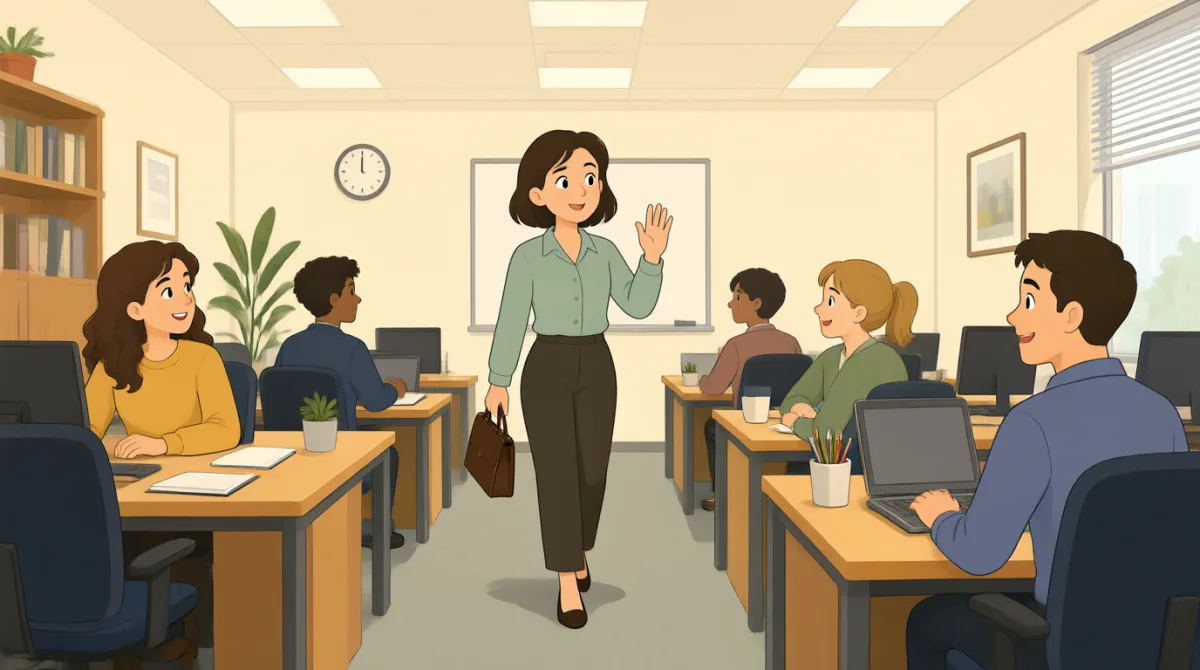

Alright everyone, I'm heading out. Have a good evening!
เอาล่ะทุกคน ฉันกลับก่อนนะ ขอให้เย็นนี้เป็นช่วงเวลาดี ๆ!

See ya, Jack! You too. Have a good one.
แล้วเจอกันนะ แจ็ก! เธอก็เหมือนกัน ขอให้วันนี้เป็นวันที่ดีนะ

Later, Jack. Drive safe!
แล้วเจอกัน แจ็ก ขับรถดี ๆ นะ!
Thanks, guys! See you all tomorrow.
ขอบใจนะทุกคน! เจอกันพรุ่งนี้นะ

Bye, Jack! Enjoy your evening.
บ๊ายบายนะแจ็ก ขอให้มีความสุขกับช่วงเย็นนะ
You too, Grace. Good night!
เธอก็เหมือนกัน เกรซ ราตรีสวัสดิ์!
คำศัพท์8
- heading outกำลังออกไป
This phrase means leaving or going away from a place, like leaving work. It's casual and common in everyday situations.
วลีนี้หมายถึงกำลังออกจากหรือไปจากสถานที่หนึ่ง เช่น กำลังกลับจากที่ทำงาน เป็นสำนวนกันเองที่ใช้กันทั่วไปในชีวิตประจำวัน
- eveningช่วงเย็น
This refers to the time of day after afternoon and before night. Use it in goodbyes like 'Have a good evening' to wish someone a nice time after work.
หมายถึงช่วงเวลาหลังบ่ายและก่อนกลางคืน ใช้กล่าวลาอย่าง 'Have a good evening' เพื่ออวยพรให้อีกฝ่ายมีช่วงเวลาที่ดีหลังเลิกงาน
- see yaแล้วเจอกันนะ
An informal way to say 'see you later' or goodbye. It's short for 'see you' and used with friends or colleagues in casual settings.
เป็นวิธีกล่าวลาแบบไม่เป็นทางการ มีความหมายว่า 'see you later' หรือบ๊ายบาย เป็นคำย่อของ 'see you' และใช้กับเพื่อนหรือเพื่อนร่วมงานในสถานการณ์สบาย ๆ
- laterแล้วเจอกัน
A casual slang for 'see you later' or goodbye. It's very common among friends and coworkers to say when parting ways.
เป็นคำสแลงแบบกันเองที่หมายถึง 'see you later' หรือบ๊ายบาย เพื่อนและเพื่อนร่วมงานมักใช้คำนี้เวลาจากกัน
- drive safeขับรถดี ๆ นะ
This means 'drive carefully' to wish someone a safe journey home by car. It's a polite and caring way to say goodbye when someone is driving.
หมายถึง 'drive carefully' ใช้อวยพรให้ใครสักคนเดินทางกลับบ้านโดยรถยนต์อย่างปลอดภัย เป็นคำพูดแสดงความห่วงใยเมื่อกล่าวลาคนที่กำลังจะขับรถ
- guysทุกคน
An informal word for a group of people, like 'everyone' or 'you all.' It's used casually with colleagues or friends, regardless of gender.
เป็นคำเรียกกลุ่มคนแบบไม่เป็นทางการ เช่น 'everyone' หรือ 'you all' ใช้พูดกับเพื่อนร่วมงานหรือเพื่อนอย่างเป็นกันเองได้ ไม่ว่าจะเป็นเพศใด
- enjoyสนุกกับ
To get pleasure from something. In goodbyes, say 'Enjoy your evening' to wish someone a fun or relaxing time after leaving.
หมายถึงได้รับความสุขหรือความเพลิดเพลินจากบางสิ่ง เวลากล่าวลา สามารถพูดว่า 'Enjoy your evening' เพื่ออวยพรให้อีกฝ่ายมีช่วงเวลาหลังเลิกงานที่สนุกหรือผ่อนคลาย
- good nightราตรีสวัสดิ์
A standard farewell used in the evening or before bed. It means wishing someone a peaceful night, often at the end of the day.
เป็นคำกล่าวลาทั่วไปที่ใช้ในตอนเย็นหรือก่อนเข้านอน หมายถึงการอวยพรให้อีกฝ่ายนอนหลับฝันดี มักใช้เมื่อสิ้นสุดวัน
ประโยคสำคัญ6
- 1
Alright everyone, I'm heading out. Have a good evening!
เอาล่ะทุกคน ฉันกลับก่อนนะ ขอให้เย็นนี้เป็นช่วงเวลาดี ๆ!
This is a casual way to announce you're leaving work and wish others well. 'Alright everyone' gets attention politely; 'Have a good evening' is a common farewell for the end of the day. Useful for office settings to say goodbye to the group.
ประโยคนี้เป็นวิธีพูดแบบสบาย ๆ เพื่อบอกคนอื่นว่าคุณกำลังกลับจากที่ทำงาน พร้อมอวยพรให้พวกเขา 'Alright everyone' ใช้เรียกความสนใจอย่างสุภาพ ส่วน 'Have a good evening' เป็นคำอำลาที่ใช้กันทั่วไปเมื่อสิ้นสุดวัน เหมาะสำหรับกล่าวลาคนทั้งกลุ่มในออฟฟิศ
- 2
See ya, Jack! You too. Have a good one.
แล้วเจอกันนะ แจ็ก! เธอก็เหมือนกัน ขอให้วันนี้เป็นวันที่ดีนะ
'See ya' is informal for goodbye, and 'You too' mirrors the other person's wish. 'Have a good one' means 'have a good day/evening' vaguely. This pattern is great for quick, friendly responses in casual conversations.
'See ya' เป็นคำกล่าวลาแบบไม่เป็นทางการ และ 'You too' ใช้อวยพรกลับให้อีกฝ่ายเช่นเดียวกัน 'Have a good one' หมายถึง 'ขอให้วันนี้หรือเย็นนี้เป็นวันที่ดี' โดยไม่ได้ระบุชัดเจน เหมาะสำหรับตอบกลับอย่างเป็นกันเองและรวดเร็วในการสนทนาทั่วไป
- 3
Later, Jack. Drive safe!
แล้วเจอกัน แจ็ก ขับรถดี ๆ นะ!
'Later' is slang for goodbye, and 'Drive safe' adds a caring note for someone driving home. Use this when you know the person will drive; it's short and shows concern, common among coworkers.
'Later' เป็นคำสแลงที่ใช้กล่าวลา ส่วน 'Drive safe' เป็นการแสดงความห่วงใยต่อคนที่กำลังขับรถกลับบ้าน ใช้เมื่อรู้ว่าอีกฝ่ายจะขับรถ เป็นประโยคสั้น ๆ ที่แสดงความใส่ใจและเพื่อนร่วมงานมักใช้กัน
- 4
Thanks, guys! See you all tomorrow.
ขอบใจนะทุกคน! เจอกันพรุ่งนี้นะ
'Thanks, guys' acknowledges well-wishes informally, and 'See you all tomorrow' plans to meet again soon. The future tense 'see' here expresses expectation; ideal for work goodbyes when you'll return the next day.
'Thanks, guys' เป็นการขอบคุณคำอวยพรอย่างเป็นกันเอง ส่วน 'See you all tomorrow' บอกว่าจะได้พบกันอีกในเร็ว ๆ นี้ ในที่นี้ใช้ 'see' ในรูปอนาคตเพื่อสื่อถึงสิ่งที่คาดว่าจะเกิดขึ้น เหมาะสำหรับกล่าวลาที่ทำงานเมื่อจะกลับมาในวันถัดไป
- 5
Bye, Jack! Enjoy your evening.
บ๊ายบายนะแจ็ก ขอให้มีความสุขกับช่วงเย็นนะ
'Bye' is a simple farewell, and 'Enjoy your evening' wishes relaxation after work. Use the verb 'enjoy' to make it positive; this sentence is polite and versatile for any end-of-day goodbye.
'Bye' เป็นคำกล่าวลาง่าย ๆ และ 'Enjoy your evening' เป็นการอวยพรให้อีกฝ่ายได้พักผ่อนหลังเลิกงาน การใช้คำกริยา 'enjoy' ช่วยให้คำอวยพรฟังดูสดใส ประโยคนี้สุภาพและใช้ได้หลากหลายเมื่อต้องกล่าวลาตอนสิ้นวัน
- 6
You too, Grace. Good night!
เธอก็เหมือนกัน เกรซ ราตรีสวัสดิ์!
'You too' returns the wish politely, and 'Good night' is a standard evening farewell. It's a reciprocal pattern useful in conversations to keep things friendly and balanced.
'You too' เป็นการอวยพรกลับอย่างสุภาพ และ 'Good night' เป็นคำกล่าวลาตอนเย็นที่ใช้กันทั่วไป รูปแบบการตอบกลับเช่นนี้ช่วยให้การสนทนาเป็นมิตรและสมดุล