Short Visit Farewell
กล่าวลากันหลังแวะมาไม่นาน
Someone has made a brief visit to a friend's house or a store, and is now leaving with a simple goodbye.
มีคนแวะไปบ้านเพื่อนหรือร้านค้าไม่นาน แล้วกำลังจะกลับพร้อมกล่าวลากันสั้น ๆ
บทสนทนา6
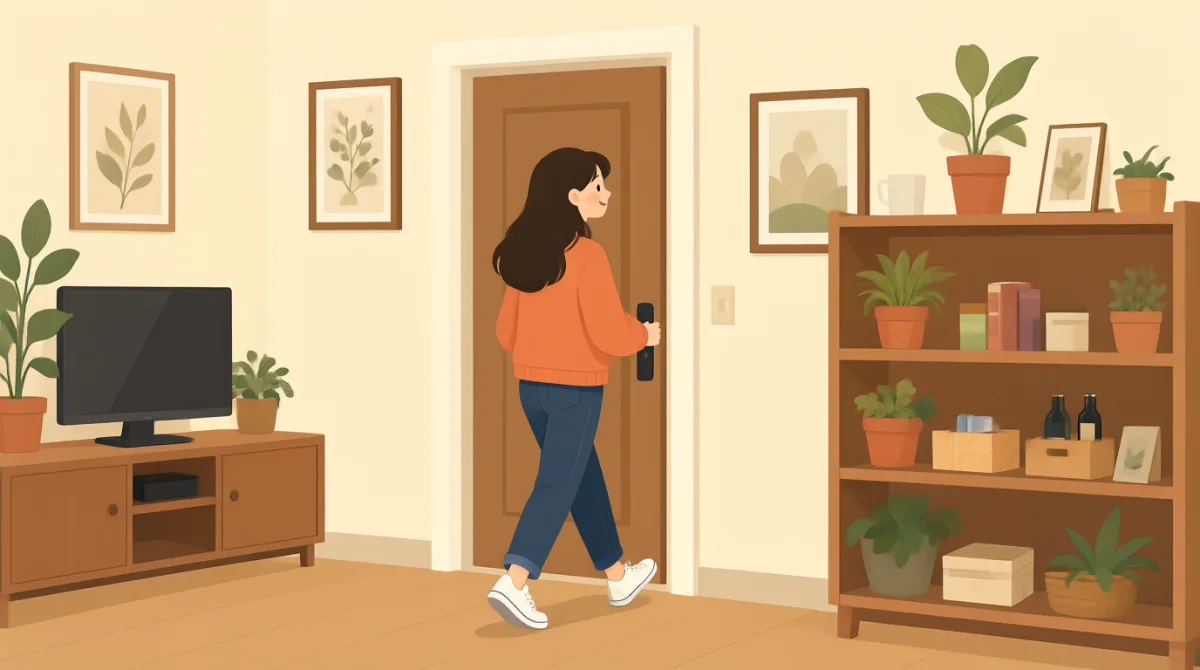

Well, it was great seeing you! I should probably head out now.
แหม ดีจังที่ได้เจอกัน! เราคงต้องกลับแล้วล่ะ

Oh, already? Time flies when you're having fun! Thanks for stopping by, Emma.
อ้าว กลับแล้วเหรอ? เวลาเดินเร็วจริง ๆ ตอนที่กำลังสนุก! ขอบใจที่แวะมานะ เอ็มมา
It really does! It was lovely catching up. Say hi to the family for me.
จริงด้วย! ดีจังที่ได้คุยอัปเดตเรื่องราวกัน ฝากทักทายคนที่บ้านแทนเราด้วยนะ
I will. Drive safe!
ได้เลย ขับรถดี ๆ นะ!
You too! Bye for now!
เธอก็เหมือนกัน! ไว้เจอกันนะ!
Bye, Emma!
บาย เอ็มมา!
คำศัพท์6
- head outออกเดินทาง / กลับ
This phrasal verb means to leave a place or start a journey. It's casual and common when saying goodbye after a short visit, like 'I need to head out now.'
กริยาวลี "head out" หมายถึงออกจากสถานที่หรือเริ่มเดินทาง เป็นคำพูดสบาย ๆ ที่ใช้กันบ่อยเวลาบอกลากันหลังแวะมาไม่นาน เช่น 'I need to head out now.' (ฉันต้องกลับแล้วล่ะ)
- time fliesเวลาเดินเร็ว
An idiom meaning time passes very quickly, especially when you are enjoying yourself. Use it to express surprise that time has gone so fast during a fun meeting.
สำนวน "time flies" หมายถึงเวลาผ่านไปเร็วมาก โดยเฉพาะตอนที่กำลังสนุก ใช้พูดเมื่อแปลกใจว่าเวลาผ่านไปเร็วแค่ไหนระหว่างที่ได้เจอกันอย่างเพลิดเพลิน
- stopping byแวะมา
This phrase means making a quick, unplanned visit to someone's place. It's polite to thank someone for 'stopping by' when they leave after a brief stay.
วลี "stopping by" หมายถึงแวะไปหาใครสักคนช่วงสั้น ๆ โดยไม่ได้วางแผนล่วงหน้า เมื่อแขกกำลังจะกลับหลังมาเยี่ยมไม่นาน เจ้าบ้านพูดขอบคุณที่ 'stopping by' ได้อย่างสุภาพ
- catching upพูดคุยถามไถ่สารทุกข์สุกดิบ
This gerund form means talking and sharing news with someone you haven't seen for a while. It's useful in goodbyes to show you enjoyed reconnecting.
รูป gerund "catching up" หมายถึงพูดคุยแลกเปลี่ยนข่าวคราวกับคนที่ไม่ได้เจอกันมาสักพัก ใช้ตอนกล่าวลาเพื่อบอกว่าดีใจที่ได้กลับมาเจอกันและพูดคุยกัน
- say hiฝากทักทาย
An informal way to ask someone to greet or say hello to another person on your behalf. It's friendly and common when mentioning family or friends.
"say hi" เป็นวิธีพูดแบบไม่เป็นทางการเพื่อขอให้ใครทักทายอีกคนแทนเรา เป็นคำพูดที่เป็นกันเองและใช้บ่อยเมื่อพูดถึงครอบครัวหรือเพื่อน
- drive safeขับรถดี ๆ นะ
A casual shortening of 'drive safely,' used to wish someone a safe journey by car. It's a common goodbye when the person is driving away.
"drive safe" เป็นรูปย่อแบบสบาย ๆ ของ 'drive safely' ใช้อวยพรให้ใครเดินทางด้วยรถยนต์อย่างปลอดภัย เป็นคำกล่าวลาที่ใช้บ่อยเมื่ออีกฝ่ายกำลังขับรถกลับ
ประโยคสำคัญ5
- 1
Well, it was great seeing you! I should probably head out now.
แหม ดีจังที่ได้เจอกัน! เราคงต้องกลับแล้วล่ะ
This is a polite way to say goodbye after a short visit. 'Well' is a filler for smooth transition; 'great seeing you' expresses enjoyment; 'should probably' softens the need to leave. Useful for ending casual meetings naturally.
ประโยคนี้เป็นวิธีบอกลาอย่างสุภาพหลังแวะมาไม่นาน 'Well' เป็นคำเสริมที่ช่วยเปลี่ยนเข้าสู่การกล่าวลาอย่างลื่นไหล ส่วน 'great seeing you' สื่อว่าดีใจที่ได้เจอกัน และ 'should probably' ช่วยให้การบอกว่าต้องกลับฟังดูนุ่มนวลขึ้น ใช้ปิดท้ายการพบปะแบบสบาย ๆ ได้อย่างเป็นธรรมชาติ
- 2
Time flies when you're having fun!
เวลาผ่านไปเร็วจริง ๆ ตอนที่กำลังสนุก!
An idiomatic expression to explain why time feels short during enjoyable times. The structure uses present continuous ('you're having') for ongoing action. Say it when surprised by how quickly a visit ends.
สำนวนนี้ใช้บอกว่าทำไมเวลาถึงรู้สึกสั้นตอนที่กำลังเพลิดเพลิน โครงสร้างใช้ present continuous ใน 'you're having' เพื่อพูดถึงการกระทำที่กำลังดำเนินอยู่ พูดได้เมื่อแปลกใจว่าการแวะมาใกล้จะจบลงเร็วแค่ไหน
- 3
Thanks for stopping by, Emma.
ขอบใจที่แวะมานะ เอ็มมา
A thankful goodbye phrase after a brief visit. 'Thanks for' + gerund ('stopping by') shows gratitude. It's practical for hosts to use when guests leave unexpectedly or quickly.
เป็นคำกล่าวลาพร้อมขอบคุณหลังอีกฝ่ายแวะมาไม่นาน โครงสร้าง 'Thanks for' ตามด้วย gerund ('stopping by') ใช้แสดงความขอบคุณ เจ้าบ้านนำไปใช้ได้จริงเมื่อต้องกล่าวลากับแขกที่แวะมาแบบกะทันหันหรืออยู่ไม่นาน
- 4
It was lovely catching up. Say hi to the family for me.
ดีจังที่ได้คุยอัปเดตเรื่องราวกัน ฝากทักทายคนที่บ้านแทนเราด้วยนะ
Expresses pleasure in talking about recent events ('catching up' in past continuous). 'Say hi to... for me' is a request to pass on greetings. Use this in goodbyes to friends to keep connections warm.
ประโยคนี้บอกว่าดีใจที่ได้พูดคุยเรื่องราวช่วงที่ผ่านมา ('catching up' ในรูป past continuous) ส่วน 'Say hi to... for me' คือการขอให้ฝากคำทักทายไปถึงใครอีกคน ใช้กล่าวลากับเพื่อนเพื่อรักษาความสัมพันธ์อันดี
- 5
Drive safe! You too! Bye for now!
ขับรถดี ๆ นะ! เธอก็เหมือนกัน! ไว้เจอกันนะ!
Short, reciprocal well-wishes: 'Drive safe' is imperative for safety; 'You too' mirrors it back; 'Bye for now' implies temporary farewell. Grammar is simple imperatives. Ideal for quick, friendly partings when leaving by car.
เป็นคำอวยพรสั้น ๆ ที่พูดตอบกัน 'Drive safe' เป็นคำสั่งให้อีกฝ่ายเดินทางอย่างปลอดภัย 'You too' ใช้ตอบกลับคำอวยพรนั้น ส่วน 'Bye for now' สื่อว่าเป็นการลาชั่วคราว ไวยากรณ์เป็นประโยคคำสั่งอย่างง่าย เหมาะกับการบอกลากันอย่างเป็นกันเองและรวดเร็วเมื่ออีกฝ่ายกำลังจะขับรถกลับ