Reporting the Accident to Insurance
Emma calls her insurance company to report the collision and asks what documents she needs to provide. The representative explains the next steps and reminds her to keep her notes and photos.
Dialogue10
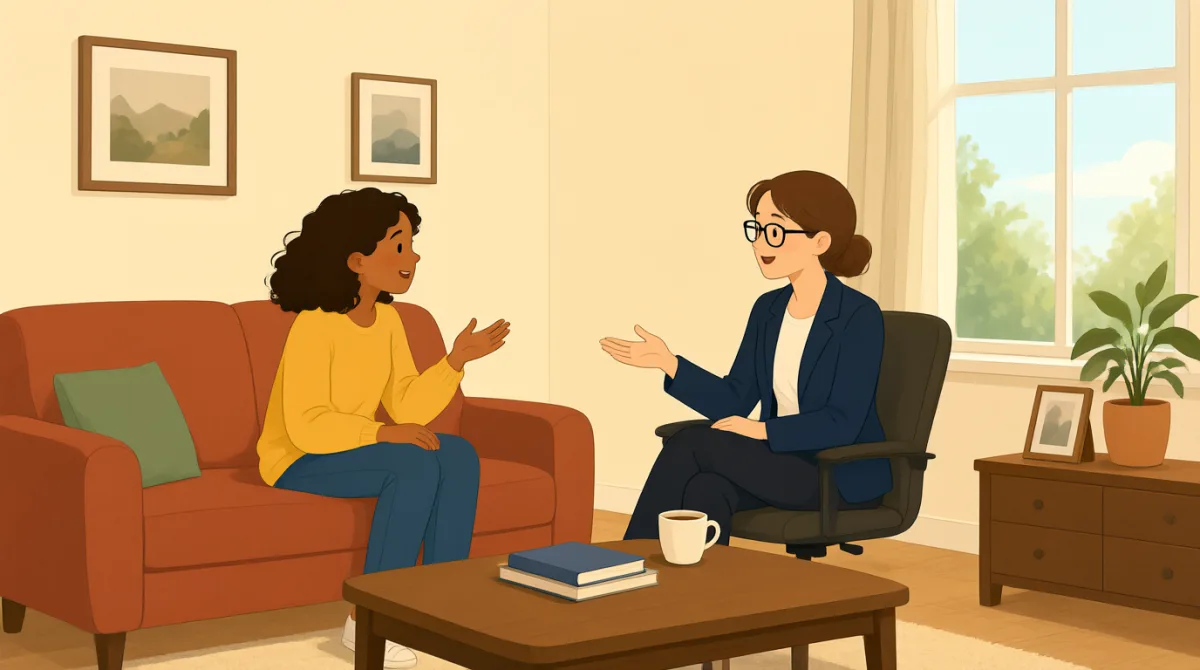

Hi, I’d like to report a minor collision from this morning. Everyone is okay, but my car has some damage.

I’m glad no one was hurt. Could I have your full name, policy number, and the date and location of the accident?
Sure. I’m Emma Carter, and my policy number is 483921. It happened around 8:30 this morning on Pine Street.
Thank you. Can you briefly explain what happened and describe the damage to your vehicle?
The other car bumped my rear bumper while we were turning. There’s a small dent and a few scratches.
Understood. Please keep your photos, notes, and the other driver’s insurance details. Have you received a police report number?
Not yet. We exchanged details, and I took photos at the scene. I also wrote down what I remember.
That’s helpful. You can send those through our online claims form. We’ll review them and contact you about an inspection.
Great. Is there anything else I should do before I get a repair estimate?
Keep copies of everything, and don’t authorize repairs until we explain the process. Your claim number is 72614.
Vocabulary8
- report a minor collision
To officially tell your insurance company about a small car accident. You can also say, “I’d like to report…” when making a formal report.
- policy number
The identifying number for your insurance policy. The company uses it to find your account.
- briefly explain
To describe something in a short, clear way. This phrase is useful when someone asks you to give the main details.
- exchanged details
Shared contact and insurance information with another person. It often describes what drivers do after an accident.
- at the scene
At the place where an event happened. Here, it means Emma took photos at the accident location.
- claims form
A document or online form used to give an insurance company information about an accident. You can submit details and evidence through it.
- repair estimate
An approximate cost for fixing a vehicle. A repair shop usually provides one before the work begins.
- authorize repairs
To officially give permission for repair work to start. In this context, Emma should wait until the insurance company explains its process.
Key Sentences7
- 1
I’d like to report a minor collision from this morning.
This is a polite, direct way to tell an insurance company why you are calling. Replace “a minor collision” with the issue you need to report.
- 2
Could I have your full name, policy number, and the date and location of the accident?
This sentence asks for several important details in a professional way. Use the same structure to request the information needed for a report or claim.
- 3
Can you briefly explain what happened and describe the damage to your vehicle?
This is a useful way to ask someone for a short account of an incident and its results. You can adapt it to ask about other problems or damage.
- 4
We exchanged details, and I took photos at the scene.
This sentence gives two clear actions completed after an accident. You can use “We exchanged details” to explain that people shared contact or insurance information.
- 5
You can send those through our online claims form.
This explains how to submit documents or other information. Replace “those” with the specific items you need to send.
- 6
Is there anything else I should do before I get a repair estimate?
This is a polite way to check what steps to take before moving forward. You can reuse “Is there anything else I should do before…” in many service situations.
- 7
Keep copies of everything, and don’t authorize repairs until we explain the process.
This gives two practical instructions and includes a clear condition about when to wait. The structure “don’t [action] until…” is useful for explaining what someone should avoid doing too soon.