Planning the Investigation With an Editor
편집자와 함께 취재 계획 세우기
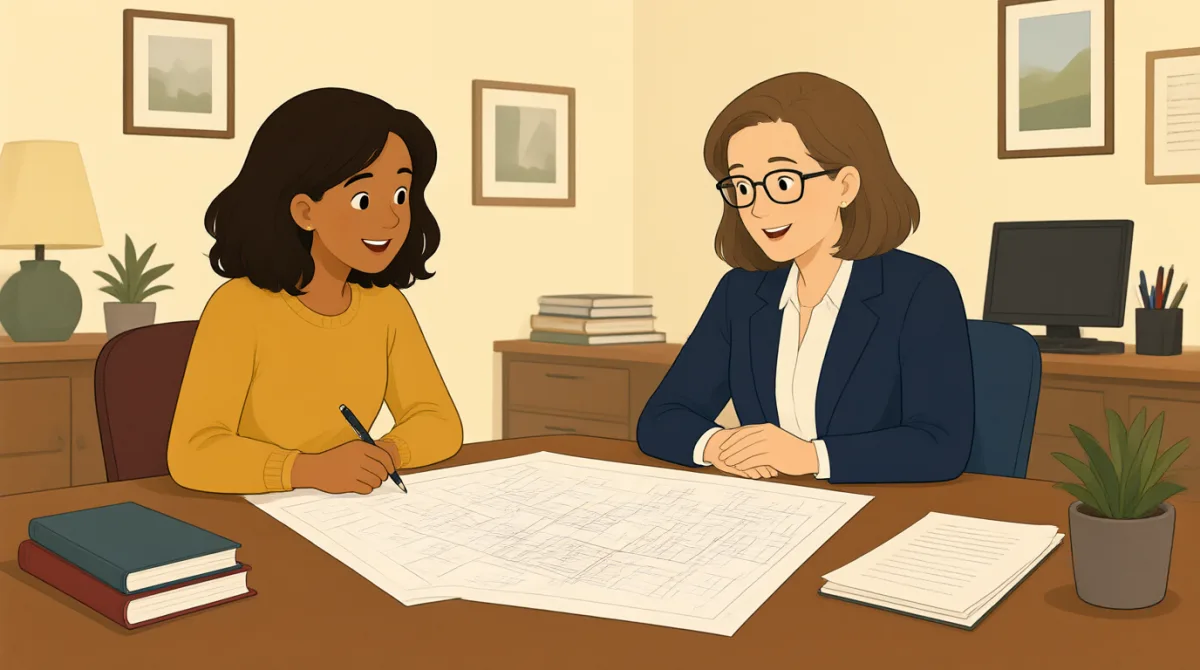
Reporter Emma Carter briefs editor Grace Wilson on allegations of improper safety inspections at a local plant. They map out what is known, what remains unverified, and how to approach a source who may be reluctant to speak.
기자 에마 카터가 지역 공장의 안전 점검이 부적절하게 이뤄졌다는 의혹을 편집자 그레이스 윌슨에게 설명합니다. 두 사람은 확인된 사실과 아직 검증되지 않은 내용을 정리하고, 취재에 응하기를 꺼릴 수 있는 제보자에게 어떻게 접근할지 논의합니다.
대화10

I’ve received two accounts alleging that safety inspections at the plant were signed off without being completed. I want to separate what we can document from what we’ve only been told.
공장 안전 점검이 실제로 끝나기도 전에 완료된 것으로 승인됐다는 제보를 두 건 받았어요. 문서로 확인할 수 있는 내용과 전해 들은 내용만 있는 걸 구분하고 싶어요.

Good. At this stage, treat those accounts as leads, not findings. What do the records actually show, and do the two sources have firsthand knowledge?
좋아요. 지금 단계에서는 그 제보들을 확인된 사실이 아니라 단서로 다뤄야 해요. 기록에는 실제로 뭐라고 나와 있죠? 두 제보자는 직접 알고 있는 내용인가요?
One worked on the inspection team; the other says they saw completed forms entered after the fact. I haven’t seen the original forms, and neither has provided documentation yet.
한 사람은 점검팀에서 일했고, 다른 사람은 작성이 끝난 점검 양식이 나중에 입력되는 걸 봤다고 해요. 저는 원본 양식을 보지 못했고, 두 사람 모두 아직 자료를 제공하지 않았어요.
Then don’t collapse those into one claim. Ask each person what they observed directly, when they observed it, and what they’re inferring from someone else’s account.
그럼 두 내용을 하나의 주장으로 뭉뚱그리지 마세요. 각자 무엇을 직접 봤는지, 언제 봤는지, 다른 사람에게 들은 내용을 바탕으로 무엇을 추측하는지 물어보세요.
I’m trying to reach a former employee who may know how the records were handled. They’re wary of being identified and haven’t agreed to speak yet.
기록이 어떻게 처리됐는지 알 만한 전직 직원에게 연락하려고 해요. 신원이 드러날까 봐 걱정하는 것 같고, 아직 인터뷰에 응하겠다고 하진 않았어요.
Be clear about the purpose of the conversation and the ground rules before asking anything sensitive. Don’t promise anonymity unless we can realistically protect it.
민감한 질문을 하기 전에 대화의 목적과 기본 원칙을 분명히 설명하세요. 현실적으로 신원을 보호할 수 없다면 익명을 보장한다고 약속하면 안 돼요.
I can explain that we’ll discuss attribution first and that they can decline questions. But I can’t guarantee their identity could never be inferred from the details.
먼저 익명·실명 표기 방식을 논의하고, 질문에 답하지 않아도 된다고 설명할 수 있어요. 하지만 세부 내용을 보면 신원을 절대 알아낼 수 없다고 장담할 수는 없어요.
Exactly. Also, don’t imply that a source’s account proves misconduct. We need the inspection logs, the underlying forms, and a response from the plant before drawing conclusions.
맞아요. 그리고 제보자의 말이 부정행위를 입증한다고 암시하지도 마세요. 결론을 내리기 전에 점검 기록과 원본 양식, 그리고 공장 측의 답변이 필요해요.
I’ll request the public logs and look for dates, signatures, and any gaps that can be independently checked. If something conflicts, I’ll ask whether there’s a routine explanation.
공개된 점검 기록을 요청하고, 날짜와 서명, 독립적으로 확인할 수 있는 누락 사항이 있는지 살펴볼게요. 내용이 서로 맞지 않으면 통상적인 이유가 있는지도 물어보겠어요.
And keep a careful record of what we asked and what each person said. If the source agrees to speak, we can revisit attribution after we understand the evidence and the risks.
그리고 우리가 무엇을 물었고 각자가 뭐라고 답했는지 꼼꼼히 기록해 두세요. 제보자가 인터뷰에 동의하면, 증거와 위험을 파악한 뒤 출처 표기 방식을 다시 논의할 수 있어요.
어휘7
- leads단서
Leads are pieces of information that may help an investigation but have not been confirmed. Here, the accounts point to issues that still need to be checked.
단서(leads)는 조사에 도움이 될 수 있지만 아직 확인되지 않은 정보예요. 여기서는 제보 내용이 추가로 확인해야 할 문제를 가리킨다는 뜻이에요.
- firsthand knowledge직접 경험한 지식
This means knowing something from your own direct experience, rather than hearing it from someone else. Journalists ask about it to assess how reliable a source’s information may be.
다른 사람에게 전해 들은 게 아니라 직접 겪어서 아는 것을 뜻해요. 기자들은 제보자가 얼마나 믿을 만한 정보를 제공할 수 있는지 판단하기 위해 이를 물어봐요.
- after the fact사후에
This means something was done after the event it was supposed to record. Here, the phrase suggests forms may have been entered after the inspections took place.
기록하려던 일이 일어난 뒤에 무언가를 했다는 뜻이에요. 여기서는 점검이 끝난 후에 양식이 입력됐을 가능성을 나타내요.
- ground rules기본 원칙
Ground rules are the conditions or expectations agreed on before a conversation. In an interview, they can cover attribution, confidentiality, and the source’s right not to answer.
기본 원칙(ground rules)은 대화를 시작하기 전에 합의하는 조건이나 기대 사항이에요. 인터뷰에서는 출처 표기 방식, 비밀 유지, 제보자가 답변을 거부할 권리 등을 정할 수 있어요.
- attribution출처 표기
Attribution is how a journalist identifies or describes the source of information. It matters because a source may agree to speak only under certain conditions.
출처 표기(attribution)는 기자가 정보 제공자를 어떻게 밝히거나 설명하는지를 말해요. 제보자가 특정 조건에서만 말하기로 동의할 수 있기 때문에 중요해요.
- independently checked독립적으로 확인할 수 있는
This describes information that can be verified using evidence separate from the original account. Dates, signatures, and records can help confirm whether a claim is accurate.
원래 제보와는 별개의 증거를 통해 검증할 수 있는 정보를 가리켜요. 날짜, 서명, 기록 등을 살펴보면 주장이 정확한지 확인하는 데 도움이 돼요.
- routine explanation통상적인 이유
A routine explanation is an ordinary, non-misconduct reason for something that appears unusual. Asking about one helps a journalist test competing interpretations fairly.
통상적인 이유(routine explanation)는 이상해 보이는 일이 부정행위가 아니라 일반적인 사정 때문에 발생했을 가능성을 말해요. 기자가 이를 물으면 서로 다른 해석을 공정하게 검토할 수 있어요.
핵심 문장8
- 1
At this stage, treat those accounts as leads, not findings.
지금 단계에서는 그 제보들을 확인된 사실이 아니라 단서로 다뤄야 해요.
This sentence clearly distinguishes unverified information from established facts. Reuse the structure “Treat X as Y, not Z” when you need to emphasize caution.
이 문장은 검증되지 않은 정보와 확립된 사실을 분명히 구분해요. 신중한 태도를 강조할 때 “Treat X as Y, not Z”라는 구조를 활용해 보세요.
- 2
What do the records actually show, and do the two sources have firsthand knowledge?
기록에는 실제로 뭐라고 나와 있죠? 두 제보자는 직접 알고 있는 내용인가요?
This is a useful way to focus an investigation on evidence and the source’s direct experience. You can adapt it to ask what documents show and whether a person witnessed an event themselves.
조사를 증거와 제보자의 직접 경험에 초점을 맞추는 데 유용한 질문이에요. 문서에 무엇이 나와 있는지, 당사자가 직접 사건을 목격했는지를 묻는 식으로 응용할 수 있어요.
- 3
Then don’t collapse those into one claim.
그럼 두 내용을 하나의 주장으로 뭉뚱그리지 마세요.
This concise sentence warns against merging separate accounts or allegations into a single assertion. Use “don’t collapse X into Y” when different details need to remain distinct.
서로 다른 제보나 의혹을 하나의 주장으로 합치지 말라는 간결한 경고예요. 세부 내용을 구분해서 다뤄야 할 때 “don’t collapse X into Y”를 활용해 보세요.
- 4
Be clear about the purpose of the conversation and the ground rules before asking anything sensitive.
민감한 질문을 하기 전에 대화의 목적과 기본 원칙을 분명히 설명하세요.
This gives practical guidance for beginning a delicate interview transparently. The structure “Be clear about X before doing Y” is useful for setting expectations in professional conversations.
민감한 인터뷰를 투명하게 시작하기 위한 실용적인 조언이에요. 전문적인 대화에서 기대 사항을 정할 때 “Be clear about X before doing Y”라는 구조를 활용하면 좋아요.
- 5
Don’t promise anonymity unless we can realistically protect it.
현실적으로 지킬 수 없다면 익명을 보장한다고 약속하지 마세요.
This sentence expresses an important ethical limit: do not guarantee protection you may be unable to provide. Reuse “Don’t promise X unless…” to set a careful boundary.
이 문장은 중요한 윤리적 한계를 나타내요. 지킬 수 없을지도 모르는 보호를 약속하지 말라는 뜻이에요. 신중하게 선을 그을 때 “Don’t promise X unless…”를 활용해 보세요.
- 6
We need the inspection logs, the underlying forms, and a response from the plant before drawing conclusions.
결론을 내리기 전에 점검 기록과 원본 양식, 그리고 공장 측의 답변이 필요해요.
This sentence lists the evidence needed before reaching a judgment. It is useful to adapt the pattern “We need X, Y, and Z before…” when explaining what must happen next.
판단을 내리기 전에 필요한 증거를 나열하는 문장이에요. 다음 단계에서 필요한 일을 설명할 때 “We need X, Y, and Z before…”라는 구조를 응용해 보세요.
- 7
If something conflicts, I’ll ask whether there’s a routine explanation.
내용이 서로 맞지 않으면 통상적인 이유가 있는지도 물어보겠어요.
This shows how to investigate discrepancies without assuming wrongdoing. Use “If something conflicts, I’ll ask whether…” to describe a fair, evidence-minded next step.
부정행위를 미리 단정하지 않고 불일치 사항을 조사하는 방법을 보여 줘요. 공정하게 증거를 살펴보는 다음 단계를 설명할 때 “If something conflicts, I’ll ask whether…”를 활용해 보세요.
- 8
If the source agrees to speak, we can revisit attribution after we understand the evidence and the risks.
제보자가 인터뷰에 동의하면, 증거와 위험을 파악한 뒤 출처 표기 방식을 다시 논의할 수 있어요.
This sentence explains that attribution can be discussed again once the situation is clearer. The pattern “If X, we can revisit Y after…” is useful for describing a conditional plan.
상황이 더 분명해진 뒤 출처 표기 방식을 다시 논의할 수 있다는 뜻이에요. 조건에 따라 계획을 설명할 때 “If X, we can revisit Y after…”라는 구조를 활용하면 좋아요.