Making a List of Questions
質問リストを作る
Emma and Jack prepare questions before visiting nearby daycares. They decide to ask about staff experience, safety, daily routines, and fees.
エマとジャックは、近くの保育施設を見学する前に質問を準備します。職員の経験や安全対策、日々の過ごし方、料金について尋ねることにします。
会話8
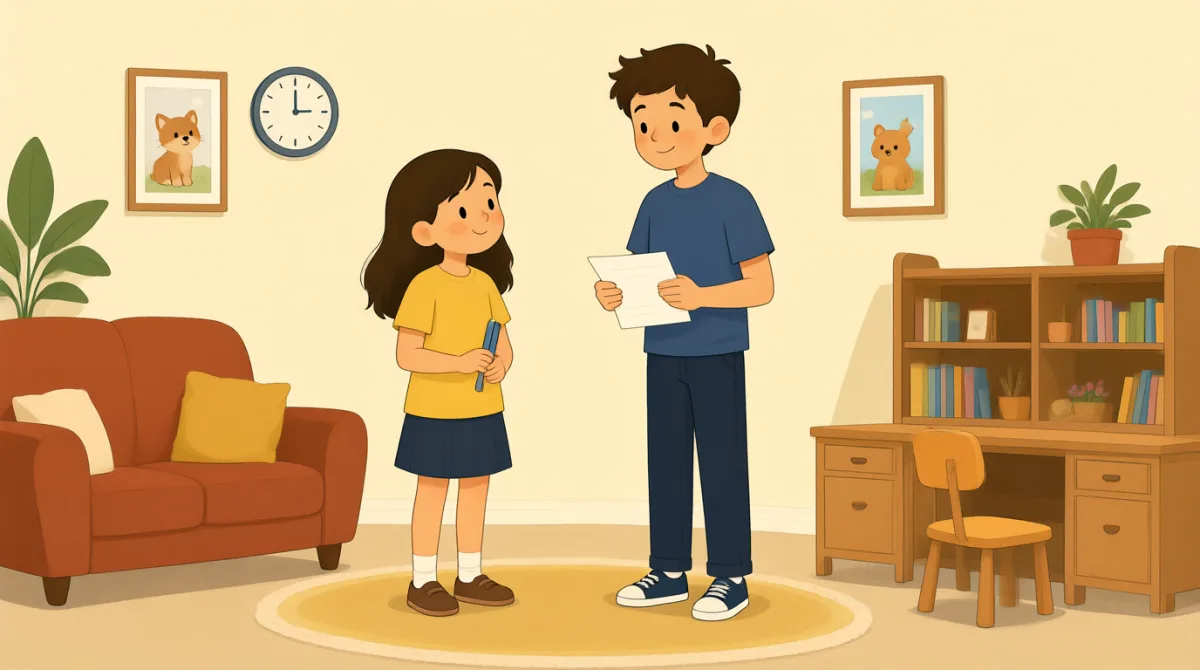

I found three daycares near us. Before we visit, let’s make a list of questions so we don’t forget anything.
近くに保育施設を3つ見つけたよ。見学に行く前に、忘れないように質問リストを作ろう。

Good idea. We should ask how much experience the staff have and whether they’re trained in first aid.
いいね。職員にどれくらい経験があるか、それに救急法の研修を受けているか聞いたほうがいいね。
Definitely. And we should ask how many children each staff member looks after. I want to know they’ll get enough attention.
そうだね。それぞれの職員が何人の子どもを担当しているかも聞こう。子どもたちに十分目が行き届くか知りたいな。
Let’s ask about safety, too—how they handle pick-ups, emergencies, and visitors. Those details really matter.
安全対策についても聞こう。子どものお迎えや緊急時、訪問者への対応についてね。そういうことは本当に大事だから。
Right. I’d also like to know what a typical day looks like, including meals, naps, and outdoor play.
そうだね。食事やお昼寝、外遊びも含めて、普段の一日の流れも知りたいな。
We should check the fees and ask what’s included. Some places charge extra for meals or early drop-off.
料金と、何が料金に含まれているかも確認しよう。食事代や早めの預け入れに追加料金がかかるところもあるからね。
Good point. Let’s ask about their hours and whether they offer flexible drop-off. Our schedules can change.
それはいいね。利用時間や、預ける時間に融通が利くかも聞こう。予定が変わることもあるからね。
I’ll write everything down on my phone. Then we can compare the answers after we visit each place.
全部スマホにメモしておくよ。そうすれば、それぞれの施設を見学したあとに回答を比べられるね。
語彙8
- make a list of questions質問リストを作る
To write down questions you want to ask. Here, Emma and Jack do this so they remember what to check at each daycare.
尋ねたいことを書き出す、という意味です。ここでは、エマとジャックは各保育施設で確認することを忘れないように、質問を書き出しています。
- trained in first aid救急法の研修を受けている
Having learned how to give basic medical help in an emergency. You can ask whether staff members are trained in first aid.
緊急時にできる基本的な応急手当を学んでいる、という意味です。職員が救急法の研修を受けているかどうかを尋ねるときに使えます。
- looks after世話をする
Takes care of someone. Here, it describes how many children each staff member is responsible for.
人の面倒を見る、という意味です。ここでは、それぞれの職員が何人の子どもを担当しているかを表しています。
- get enough attention十分に目が行き届く
Receive enough care and notice from other people. You can use this phrase when talking about whether a child will be well cared for.
人から十分な世話や配慮を受ける、という意味です。子どもがきちんと世話をしてもらえるか話すときに使えます。
- handle pick-upsお迎えに対応する
Manage the process of children being collected. It is useful when asking about a daycare’s safety procedures.
子どもを迎えに来た人へ引き渡す手順を管理する、という意味です。保育施設の安全対策について尋ねるときに役立つ表現です。
- what a typical day looks like普段の一日の流れ
What usually happens during a normal day. You can use this phrase to ask about someone’s routine or a service’s schedule.
通常の日にどんなことが行われるか、という意味です。人の日課やサービスのスケジュールについて尋ねるときに使えます。
- what’s included料金に含まれているもの
What is covered as part of a price or service. You can ask this before paying for childcare or another service.
料金やサービスの一部として提供されるもの、という意味です。保育やほかのサービスの料金を支払う前に尋ねることができます。
- flexible drop-off時間に融通の利く預け入れ
A drop-off arrangement that can adjust to different schedules. Here, it means being able to bring a child in at different times.
さまざまな予定に合わせて調整できる預け入れの方法、という意味です。ここでは、子どもを連れて行く時間を変えられることを指します。
重要な文8
- 1
Before we visit, let’s make a list of questions so we don’t forget anything.
見学に行く前に、忘れないように質問リストを作ろう。
This is a natural way to suggest preparing before a visit. Use “let’s make a list of questions” when planning an appointment, tour, or meeting.
見学の前に準備しようと提案するときの自然な言い方です。“let’s make a list of questions”(質問リストを作ろう)は、予約や見学、打ち合わせの準備をするときに使えます。
- 2
We should ask how much experience the staff have and whether they’re trained in first aid.
職員にどれくらい経験があるか、それに救急法の研修を受けているか聞いたほうがいいね。
This sentence combines two useful questions about staff qualifications. Reuse “We should ask…” to suggest information to check before making a decision.
職員の資格や経験について、役立つ2つの質問を組み合わせた文です。“We should ask…”(〜を聞いたほうがいいね)は、決める前に確認したいことを提案するときに使えます。
- 3
And we should ask how many children each staff member looks after.
それぞれの職員が何人の子どもを担当しているかも聞こう。
This is a clear way to ask about the number of people one staff member cares for. Replace “children” with another group, such as customers or students, to fit a different situation.
一人の職員が何人の人を担当しているかを尋ねる、わかりやすい言い方です。別の場面では、“children”を“customers”や“students”などに置き換えて使えます。
- 4
Those details really matter.
そういうことは本当に大事だから。
This short sentence emphasizes that some information is important. Use it after mentioning details that could affect a decision.
重要な情報があることを強調する短い文です。判断に影響する details を挙げたあとに使えます。
- 5
I’d also like to know what a typical day looks like, including meals, naps, and outdoor play.
食事やお昼寝、外遊びも含めて、普段の一日の流れも知りたいな。
This politely asks for a description of a normal routine. You can reuse “I’d also like to know…” to add another question.
普段の過ごし方を丁寧に尋ねる表現です。“I’d also like to know…”(〜も知りたいです)を使うと、質問をもう一つ付け加えられます。
- 6
We should check the fees and ask what’s included.
料金と、何が料金に含まれているかも確認しよう。
This is a useful way to make sure you understand the price and what it covers. Replace “fees” with “cost” or “price” when talking about other services.
料金と、その料金で受けられる内容をきちんと把握するための便利な言い方です。ほかのサービスについて話すときは、“fees”を“cost”や“price”に置き換えられます。
- 7
Let’s ask about their hours and whether they offer flexible drop-off.
利用時間や、預ける時間に融通が利くかも聞こう。
This sentence suggests checking opening times and whether arrival times can vary. Use “whether they offer…” to ask if a business provides a particular option.
営業時間と、預ける時間を変更できるかを確認しようと提案する文です。“whether they offer…”(〜を提供しているかどうか)を使うと、事業者が特定の選択肢を用意しているか尋ねられます。
- 8
Then we can compare the answers after we visit each place.
それぞれの施設を見学したあとに、回答を比べられるね。
This explains how to make a decision after gathering information. Reuse “compare the answers” when evaluating several services or options.
情報を集めたあとで、どう判断するかを説明する文です。複数のサービスや選択肢を検討するときにも、“compare the answers”(回答を比べる)を使えます。