Planning the Investigation With an Editor
संपादक के साथ जाँच की योजना बनाना
Reporter Emma Carter briefs editor Grace Wilson on allegations of improper safety inspections at a local plant. They map out what is known, what remains unverified, and how to approach a source who may be reluctant to speak.
रिपोर्टर एमा कार्टर स्थानीय कारखाने में सुरक्षा निरीक्षणों में अनियमितताओं के आरोपों के बारे में संपादक ग्रेस विल्सन को जानकारी देती हैं। वे तय करती हैं कि क्या ज्ञात है, क्या अभी सत्यापित नहीं हुआ है और ऐसे स्रोत से कैसे संपर्क किया जाए जो बात करने से हिचकिचा सकता है।
संवाद10
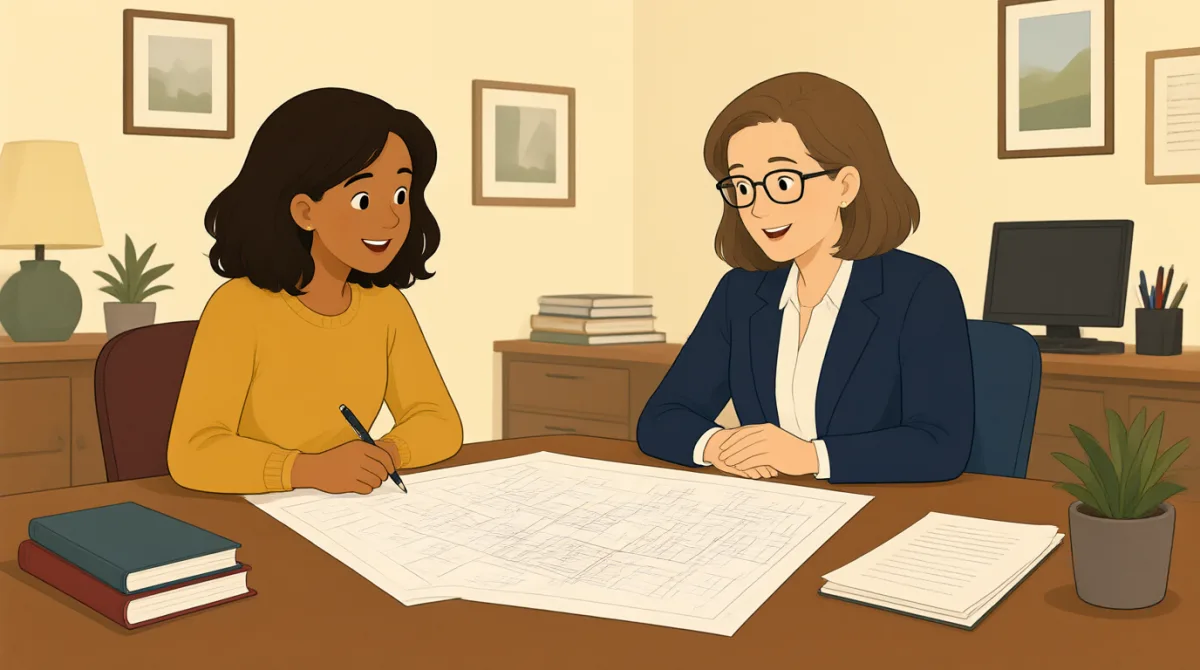

I’ve received two accounts alleging that safety inspections at the plant were signed off without being completed. I want to separate what we can document from what we’ve only been told.
मुझे दो लोगों के बयान मिले हैं, जिनमें आरोप लगाया गया है कि कारखाने में सुरक्षा निरीक्षण पूरे किए बिना ही उन पर मंज़ूरी दे दी गई। मैं यह अलग करना चाहती हूँ कि हम किस बात का दस्तावेज़ी प्रमाण दे सकते हैं और हमें अब तक केवल क्या बताया गया है।

Good. At this stage, treat those accounts as leads, not findings. What do the records actually show, and do the two sources have firsthand knowledge?
अच्छा। इस चरण में उन बयानों को निष्कर्ष नहीं, बल्कि सुराग मानिए। रिकॉर्ड वास्तव में क्या दिखाते हैं, और क्या दोनों स्रोतों को प्रत्यक्ष जानकारी है?
One worked on the inspection team; the other says they saw completed forms entered after the fact. I haven’t seen the original forms, and neither has provided documentation yet.
एक व्यक्ति निरीक्षण दल में काम करता था; दूसरे का कहना है कि उन्होंने निरीक्षण पूरा होने के बाद भरे गए फ़ॉर्म दर्ज होते देखे। मैंने मूल फ़ॉर्म नहीं देखे हैं और अभी तक किसी ने भी कोई दस्तावेज़ उपलब्ध नहीं कराया है।
Then don’t collapse those into one claim. Ask each person what they observed directly, when they observed it, and what they’re inferring from someone else’s account.
तो उन दोनों बातों को मिलाकर एक ही दावा मत बनाइए। हर व्यक्ति से पूछिए कि उन्होंने सीधे क्या देखा, कब देखा और किसी दूसरे के बयान से वे क्या निष्कर्ष निकाल रहे हैं।
I’m trying to reach a former employee who may know how the records were handled. They’re wary of being identified and haven’t agreed to speak yet.
मैं एक पूर्व कर्मचारी से संपर्क करने की कोशिश कर रही हूँ, जिसे शायद पता हो कि रिकॉर्ड कैसे संभाले गए थे। वे अपनी पहचान उजागर होने को लेकर चिंतित हैं और अभी बात करने के लिए सहमत नहीं हुए हैं।
Be clear about the purpose of the conversation and the ground rules before asking anything sensitive. Don’t promise anonymity unless we can realistically protect it.
संवेदनशील सवाल पूछने से पहले बातचीत का उद्देश्य और तय नियम स्पष्ट कर दीजिए। जब तक हम वास्तव में उसकी पहचान सुरक्षित रखने में सक्षम न हों, तब तक गुमनामी का वादा मत कीजिए।
I can explain that we’ll discuss attribution first and that they can decline questions. But I can’t guarantee their identity could never be inferred from the details.
मैं समझा सकती हूँ कि हम पहले यह तय करेंगे कि उनका नाम किस तरह लिया जाएगा और वे किसी भी सवाल का जवाब देने से इनकार कर सकते हैं। लेकिन मैं यह गारंटी नहीं दे सकती कि विवरणों से उनकी पहचान का कभी अंदाज़ा नहीं लगाया जा सकेगा।
Exactly. Also, don’t imply that a source’s account proves misconduct. We need the inspection logs, the underlying forms, and a response from the plant before drawing conclusions.
बिल्कुल। साथ ही, यह संकेत मत दीजिए कि किसी स्रोत का बयान कदाचार का प्रमाण है। निष्कर्ष निकालने से पहले हमें निरीक्षण लॉग, मूल फ़ॉर्म और कारखाने की ओर से प्रतिक्रिया चाहिए।
I’ll request the public logs and look for dates, signatures, and any gaps that can be independently checked. If something conflicts, I’ll ask whether there’s a routine explanation.
मैं सार्वजनिक लॉग मँगवाऊँगी और ऐसी तारीखों, हस्ताक्षरों तथा किसी भी अंतराल को तलाशूँगी जिनकी स्वतंत्र रूप से जाँच की जा सके। अगर कोई बात मेल नहीं खाती, तो मैं पूछूँगी कि क्या इसकी कोई सामान्य वजह हो सकती है।
And keep a careful record of what we asked and what each person said. If the source agrees to speak, we can revisit attribution after we understand the evidence and the risks.
और हमने क्या पूछा तथा हर व्यक्ति ने क्या कहा, इसका सावधानी से रिकॉर्ड रखिए। अगर स्रोत बात करने के लिए सहमत हो जाता है, तो सबूत और जोखिमों को समझने के बाद हम यह फिर से तय कर सकते हैं कि उसका नाम किस तरह लिया जाए।
शब्दावली7
- leadsसुराग
Leads are pieces of information that may help an investigation but have not been confirmed. Here, the accounts point to issues that still need to be checked.
सुराग ऐसी जानकारियाँ होती हैं जो जाँच में मदद कर सकती हैं, लेकिन अभी उनकी पुष्टि नहीं हुई है। यहाँ, ये बयान उन समस्याओं की ओर इशारा करते हैं जिनकी अभी जाँच की जानी बाकी है।
- firsthand knowledgeप्रत्यक्ष जानकारी
This means knowing something from your own direct experience, rather than hearing it from someone else. Journalists ask about it to assess how reliable a source’s information may be.
इसका अर्थ है किसी बात को अपने सीधे अनुभव से जानना, न कि किसी और से सुनना। पत्रकार इसके बारे में इसलिए पूछते हैं ताकि यह आकलन कर सकें कि स्रोत की जानकारी कितनी विश्वसनीय हो सकती है।
- after the factघटना के बाद
This means something was done after the event it was supposed to record. Here, the phrase suggests forms may have been entered after the inspections took place.
इसका अर्थ है कि कोई काम उस घटना के बाद किया गया जिसे दर्ज करने के लिए वह काम होना था। यहाँ, यह वाक्यांश संकेत देता है कि निरीक्षण हो जाने के बाद फ़ॉर्म दर्ज किए गए होंगे।
- ground rulesतय नियम
Ground rules are the conditions or expectations agreed on before a conversation. In an interview, they can cover attribution, confidentiality, and the source’s right not to answer.
तय नियम वे शर्तें या अपेक्षाएँ होती हैं जिन पर बातचीत से पहले सहमति बनती है। किसी साक्षात्कार में इनमें नाम का उल्लेख, गोपनीयता और स्रोत का जवाब न देने का अधिकार शामिल हो सकते हैं।
- attributionस्रोत का उल्लेख
Attribution is how a journalist identifies or describes the source of information. It matters because a source may agree to speak only under certain conditions.
स्रोत का उल्लेख उस तरीके को कहते हैं जिससे पत्रकार जानकारी के स्रोत की पहचान या उसका वर्णन करता है। यह महत्वपूर्ण है क्योंकि कोई स्रोत कुछ निश्चित शर्तों पर ही बात करने के लिए सहमत हो सकता है।
- independently checkedस्वतंत्र रूप से जाँची जा सकने वाली
This describes information that can be verified using evidence separate from the original account. Dates, signatures, and records can help confirm whether a claim is accurate.
यह उन जानकारियों का वर्णन करता है जिन्हें मूल बयान से अलग किसी अन्य प्रमाण का उपयोग करके सत्यापित किया जा सकता है। तारीखें, हस्ताक्षर और रिकॉर्ड यह पुष्टि करने में मदद कर सकते हैं कि कोई दावा सही है या नहीं।
- routine explanationसामान्य वजह
A routine explanation is an ordinary, non-misconduct reason for something that appears unusual. Asking about one helps a journalist test competing interpretations fairly.
सामान्य वजह किसी असामान्य लगने वाली बात का साधारण, गैर-कदाचारी कारण होती है। इसके बारे में पूछने से पत्रकार अलग-अलग व्याख्याओं की निष्पक्ष रूप से जाँच कर सकता है।
मुख्य वाक्य8
- 1
At this stage, treat those accounts as leads, not findings.
इस चरण में उन बयानों को निष्कर्ष नहीं, बल्कि सुराग मानिए।
This sentence clearly distinguishes unverified information from established facts. Reuse the structure “Treat X as Y, not Z” when you need to emphasize caution.
यह वाक्य अपुष्ट जानकारी और स्थापित तथ्यों के बीच स्पष्ट अंतर बताता है। सावधानी पर ज़ोर देने के लिए “Treat X as Y, not Z” संरचना का फिर से उपयोग करें।
- 2
What do the records actually show, and do the two sources have firsthand knowledge?
रिकॉर्ड वास्तव में क्या दिखाते हैं, और क्या दोनों स्रोतों को प्रत्यक्ष जानकारी है?
This is a useful way to focus an investigation on evidence and the source’s direct experience. You can adapt it to ask what documents show and whether a person witnessed an event themselves.
यह जाँच को सबूत और स्रोत के सीधे अनुभव पर केंद्रित करने का उपयोगी तरीका है। आप इसे इस तरह बदल सकते हैं कि दस्तावेज़ क्या दिखाते हैं और क्या उस व्यक्ति ने घटना को स्वयं देखा था।
- 3
Then don’t collapse those into one claim.
तो उन दोनों बातों को मिलाकर एक ही दावा मत बनाइए।
This concise sentence warns against merging separate accounts or allegations into a single assertion. Use “don’t collapse X into Y” when different details need to remain distinct.
यह संक्षिप्त वाक्य अलग-अलग बयानों या आरोपों को मिलाकर एक ही दावा बनाने के विरुद्ध चेतावनी देता है। जब अलग-अलग विवरणों को अलग रखना ज़रूरी हो, तब “don’t collapse X into Y” का उपयोग करें।
- 4
Be clear about the purpose of the conversation and the ground rules before asking anything sensitive.
संवेदनशील सवाल पूछने से पहले बातचीत का उद्देश्य और तय नियम स्पष्ट कर दीजिए।
This gives practical guidance for beginning a delicate interview transparently. The structure “Be clear about X before doing Y” is useful for setting expectations in professional conversations.
यह पारदर्शी तरीके से नाज़ुक साक्षात्कार शुरू करने के लिए व्यावहारिक सलाह देता है। पेशेवर बातचीत में अपेक्षाएँ तय करने के लिए “Be clear about X before doing Y” संरचना उपयोगी है।
- 5
Don’t promise anonymity unless we can realistically protect it.
जब तक हम वास्तव में उसकी पहचान सुरक्षित रखने में सक्षम न हों, तब तक गुमनामी का वादा मत कीजिए।
This sentence expresses an important ethical limit: do not guarantee protection you may be unable to provide. Reuse “Don’t promise X unless…” to set a careful boundary.
यह एक महत्वपूर्ण नैतिक सीमा बताता है: ऐसी सुरक्षा की गारंटी न दें जिसे आप शायद दे न सकें। सावधानी से सीमा तय करने के लिए “Don’t promise X unless…” का फिर से उपयोग करें।
- 6
We need the inspection logs, the underlying forms, and a response from the plant before drawing conclusions.
निष्कर्ष निकालने से पहले हमें निरीक्षण लॉग, मूल फ़ॉर्म और कारखाने की ओर से प्रतिक्रिया चाहिए।
This sentence lists the evidence needed before reaching a judgment. It is useful to adapt the pattern “We need X, Y, and Z before…” when explaining what must happen next.
यह वाक्य निर्णय लेने से पहले आवश्यक सबूतों की सूची देता है। आगे क्या होना चाहिए, यह समझाते समय “We need X, Y, and Z before…” पैटर्न को अपनाना उपयोगी है।
- 7
If something conflicts, I’ll ask whether there’s a routine explanation.
अगर कोई बात मेल नहीं खाती, तो मैं पूछूँगी कि क्या इसकी कोई सामान्य वजह हो सकती है।
This shows how to investigate discrepancies without assuming wrongdoing. Use “If something conflicts, I’ll ask whether…” to describe a fair, evidence-minded next step.
यह दिखाता है कि गलत काम मान लेने के बजाय विसंगतियों की जाँच कैसे की जाए। निष्पक्ष और सबूत-आधारित अगले कदम का वर्णन करने के लिए “If something conflicts, I’ll ask whether…” का उपयोग करें।
- 8
If the source agrees to speak, we can revisit attribution after we understand the evidence and the risks.
अगर स्रोत बात करने के लिए सहमत हो जाता है, तो सबूत और जोखिमों को समझने के बाद हम यह फिर से तय कर सकते हैं कि उसका नाम किस तरह लिया जाए।
This sentence explains that attribution can be discussed again once the situation is clearer. The pattern “If X, we can revisit Y after…” is useful for describing a conditional plan.
यह वाक्य समझाता है कि स्थिति अधिक स्पष्ट होने के बाद स्रोत का उल्लेख करने के तरीके पर फिर से चर्चा की जा सकती है। किसी शर्त पर आधारित योजना का वर्णन करने के लिए “If X, we can revisit Y after…” पैटर्न उपयोगी है।