Cross-Checking the Evidence
साक्ष्यों का परस्पर मिलान
Emma consults David Chen, a veteran records specialist, to authenticate documents and compare their dates with public inspection logs. David cautions her that inconsistencies may point to clerical errors rather than deliberate tampering.
एमा दस्तावेज़ों की प्रामाणिकता जाँचने और उनकी तारीखों का सार्वजनिक निरीक्षण अभिलेखों से मिलान करने के लिए अनुभवी अभिलेख विशेषज्ञ डेविड चेन से सलाह लेती है। डेविड उसे आगाह करते हैं कि विसंगतियाँ जानबूझकर की गई छेड़छाड़ के बजाय लिपिकीय गलतियों की ओर भी इशारा कर सकती हैं।
संवाद12
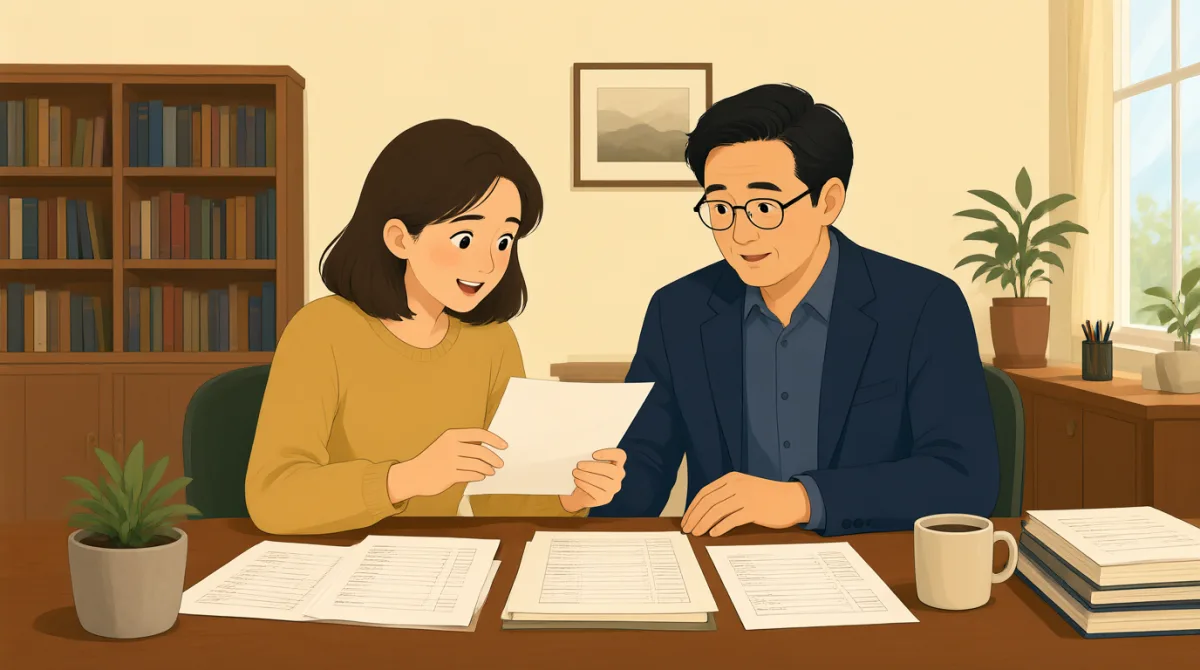

I’ve brought the inspection forms and the public logs. The dates don’t line up, but I don’t want to call that evidence of tampering before we know how these records were created.
मैं निरीक्षण के फ़ॉर्म और सार्वजनिक अभिलेख लाई हूँ। तारीखें मेल नहीं खातीं, लेकिन जब तक हमें यह पता न हो कि ये रिकॉर्ड कैसे तैयार किए गए, मैं इसे छेड़छाड़ का सबूत नहीं कहना चाहती।

Good instinct. A discrepancy is a question, not a conclusion. First, let’s establish whether these are original records, copies, or entries exported from a database that may have been updated later.
अच्छी सोच है। विसंगति एक सवाल है, निष्कर्ष नहीं। पहले यह पता लगाते हैं कि ये मूल रिकॉर्ड हैं, प्रतियाँ हैं या किसी ऐसे डेटाबेस से निकाली गई प्रविष्टियाँ हैं जिसे बाद में अपडेट किया गया हो।
The forms came from a former employee. They have handwritten dates and initials, but there’s no cover sheet, and I can’t tell whether the pages are complete or in their original order.
ये फ़ॉर्म एक पूर्व कर्मचारी से मिले थे। उन पर हाथ से लिखी तारीखें और शुरुआती अक्षर हैं, लेकिन कोई कवर शीट नहीं है। मैं यह भी नहीं बता सकती कि सारे पन्ने मौजूद हैं या वे अपने मूल क्रम में हैं।
Then we should treat provenance as unresolved. Do you have the files as they were received, including the email or message that transmitted them? Metadata and transmission history may help establish what changed—and when.
तो हमें इनका स्रोत और इतिहास अभी अनिश्चित मानना चाहिए। क्या तुम्हारे पास फ़ाइलें उसी रूप में हैं, जिस रूप में वे मिली थीं—उस ईमेल या संदेश सहित, जिसके ज़रिए वे भेजी गई थीं? मेटाडेटा और भेजे जाने का इतिहास यह पता लगाने में मदद कर सकते हैं कि क्या बदला और कब।
I saved the original attachment and made a working copy. The attachment’s timestamp is two years later than the handwritten inspection date, though, so it could simply be a scan made after the fact.
मैंने मूल अटैचमेंट सहेज लिया और काम के लिए उसकी एक प्रति बना ली। लेकिन अटैचमेंट का टाइमस्टैम्प हाथ से लिखी निरीक्षण-तारीख से दो साल बाद का है। हो सकता है कि यह बस बाद में बनाया गया स्कैन हो।
Exactly. A file timestamp usually tells you when that digital file was created or modified, not when the underlying inspection occurred. We’ll need to separate what the metadata proves from what it merely suggests.
बिल्कुल। किसी फ़ाइल का टाइमस्टैम्प आम तौर पर यह बताता है कि वह डिजिटल फ़ाइल कब बनाई या बदली गई, न कि उससे संबंधित असली निरीक्षण कब हुआ। हमें अलग करना होगा कि मेटाडेटा क्या साबित करता है और वह सिर्फ़ किस बात का संकेत देता है।
The public log lists an inspection on that date, but it describes a different section of the plant. Could that indicate the form was misdated, or are we comparing records that use different location codes?
सार्वजनिक अभिलेख में उस तारीख को एक निरीक्षण दर्ज है, लेकिन उसमें संयंत्र के किसी दूसरे हिस्से का ज़िक्र है। क्या इसका मतलब हो सकता है कि फ़ॉर्म पर गलत तारीख लिखी गई थी, या हम उन रिकॉर्डों की तुलना कर रहे हैं जिनमें स्थान के अलग-अलग कोड इस्तेमाल हुए हैं?
Either is possible. Let’s compare the codes against the agency’s documentation, then check whether its log records the inspection date, the filing date, or the date an entry was entered into the system.
दोनों में से कुछ भी संभव है। पहले कोडों की तुलना एजेंसी के दस्तावेज़ों से करते हैं। फिर यह जाँचते हैं कि उसके अभिलेख में निरीक्षण की तारीख दर्ज है, फ़ाइल करने की तारीख, या वह तारीख जब प्रविष्टि सिस्टम में डाली गई थी।
If the log was entered later, a mismatch might be routine. But if the initials on the form match the inspector’s signature elsewhere, would that strengthen the document’s authenticity?
अगर अभिलेख में प्रविष्टि बाद में डाली गई थी, तो अंतर होना सामान्य बात हो सकती है। लेकिन अगर फ़ॉर्म पर लिखे शुरुआती अक्षर किसी दूसरे रिकॉर्ड में निरीक्षक के हस्ताक्षर से मेल खाते हों, तो क्या इससे दस्तावेज़ की प्रामाणिकता को बल मिलेगा?
It would be one useful point of comparison, not proof by itself. We should verify the signature against an independent record and ask the agency how its forms were handled at the time.
यह तुलना का एक उपयोगी आधार होगा, अपने आप में सबूत नहीं। हमें हस्ताक्षर की पुष्टि किसी स्वतंत्र रिकॉर्ड से करनी चाहिए और एजेंसी से पूछना चाहिए कि उस समय उसके फ़ॉर्मों का रखरखाव कैसे किया जाता था।
Understood. I’ll preserve the originals, document how I received them, and request the agency’s filing procedures and the relevant log history. I won’t describe the discrepancy as deliberate alteration unless the evidence supports that.
समझ गई। मैं मूल दस्तावेज़ सुरक्षित रखूँगी, दर्ज करूँगी कि वे मुझे कैसे मिले, और एजेंसी से उसकी फ़ाइल करने की प्रक्रियाएँ तथा संबंधित अभिलेख का इतिहास माँगूँगी। जब तक साक्ष्य इसका समर्थन न करें, मैं इस विसंगति को जानबूझकर किया गया बदलाव नहीं कहूँगी।
That’s the right standard. And keep a clear distinction in your notes between what the documents show, what someone told you, and what you’re still trying to establish. Readers deserve that precision.
यही सही मानदंड है। और अपने नोट्स में साफ़-साफ़ अलग रखना कि दस्तावेज़ क्या दिखाते हैं, किसी ने तुम्हें क्या बताया है और तुम अभी क्या पता लगाने की कोशिश कर रही हो। पाठक उस सटीकता के हक़दार हैं।
शब्दावली7
- discrepancyविसंगति
A difference between two pieces of information that are expected to match. Here, it describes the dates or details that do not line up across records.
दो ऐसी जानकारियों के बीच का अंतर, जिनसे एक-दूसरे से मेल खाने की उम्मीद हो। यहाँ इसका मतलब रिकॉर्डों में तारीखों या विवरणों का मेल न खाना है।
- provenanceस्रोत और इतिहास
The history of where a document came from and how it has been handled. Journalists use provenance to assess a record’s reliability.
किसी दस्तावेज़ की उत्पत्ति और उसे संभालने के तरीके का इतिहास। पत्रकार किसी रिकॉर्ड की विश्वसनीयता परखने के लिए उसके स्रोत और इतिहास की जाँच करते हैं।
- metadataमेटाडेटा
Information about a digital file, such as when it was created or modified. It may help establish a file’s history, but not necessarily the date of the event described in it.
किसी डिजिटल फ़ाइल के बारे में जानकारी, जैसे वह कब बनाई या बदली गई। इससे फ़ाइल का इतिहास पता लगाने में मदद मिल सकती है, लेकिन ज़रूरी नहीं कि यह उसमें वर्णित घटना की तारीख भी बताए।
- underlying inspectionवास्तविक निरीक्षण
The actual inspection that a document refers to, as distinct from the later creation of a digital copy. The phrase helps separate an event’s date from a file’s timestamp.
दस्तावेज़ में बताए गए असली निरीक्षण की घटना, जो बाद में बनाई गई डिजिटल प्रति से अलग है। यह पद घटना की तारीख और फ़ाइल के टाइमस्टैम्प में फ़र्क़ बताने में मदद करता है।
- independent recordस्वतंत्र रिकॉर्ड
A separate source that can be used to check a claim. Comparing a signature with an independent record can support authentication, though it does not prove it on its own.
एक अलग स्रोत, जिसका इस्तेमाल किसी दावे की जाँच के लिए किया जा सकता है। हस्ताक्षर की तुलना किसी स्वतंत्र रिकॉर्ड से करने पर प्रामाणिकता की पुष्टि में मदद मिल सकती है, हालाँकि यह अकेले उसे साबित नहीं करता।
- filing proceduresफ़ाइल करने की प्रक्रियाएँ
The rules or routine steps an organization follows to submit and store records. Asking about them can help explain why dates or entries differ.
किसी संगठन द्वारा रिकॉर्ड जमा करने और सुरक्षित रखने के लिए अपनाए जाने वाले नियम या नियमित कदम। इनके बारे में पूछने से तारीखों या प्रविष्टियों में अंतर की वजह समझने में मदद मिल सकती है।
- deliberate alterationजानबूझकर किया गया बदलाव
An intentional change made to a document or record. The phrase should be used only when evidence supports the conclusion that the change was intentional.
किसी दस्तावेज़ या रिकॉर्ड में किया गया जानबूझकर का बदलाव। इस पद का इस्तेमाल तभी करना चाहिए जब साक्ष्य इस निष्कर्ष का समर्थन करें कि बदलाव जानबूझकर किया गया था।
मुख्य वाक्य7
- 1
A discrepancy is a question, not a conclusion.
विसंगति एक सवाल है, निष्कर्ष नहीं।
This concise sentence cautions against treating an inconsistency as proof. Use it to emphasize that a finding needs further investigation before it supports a conclusion.
यह छोटा-सा वाक्य आगाह करता है कि किसी असंगति को सबूत नहीं मान लेना चाहिए। इसका इस्तेमाल यह बताने के लिए करें कि किसी निष्कर्ष पर पहुँचने से पहले मिली जानकारी की और जाँच ज़रूरी है।
- 2
Then we should treat provenance as unresolved.
तो हमें इनका स्रोत और इतिहास अभी अनिश्चित मानना चाहिए।
This is a careful way to say that a document’s origins and handling have not yet been established. Reuse the pattern “treat [issue] as unresolved” when evidence is incomplete.
यह कहने का एक सावधानी भरा तरीका है कि किसी दस्तावेज़ की उत्पत्ति और उसे संभालने का इतिहास अभी पता नहीं चला है। साक्ष्य अधूरे हों तो “treat [issue] as unresolved” (“[मुद्दे] को अभी अनसुलझा मानना”) का ढाँचा फिर से इस्तेमाल करें।
- 3
We’ll need to separate what the metadata proves from what it merely suggests.
हमें अलग करना होगा कि मेटाडेटा क्या साबित करता है और वह सिर्फ़ किस बात का संकेत देता है।
This sentence distinguishes confirmed facts from possible interpretations. It is useful when explaining why digital information should be interpreted cautiously.
यह वाक्य पक्के तथ्यों और संभावित व्याख्याओं के बीच अंतर करता है। डिजिटल जानकारी की सावधानी से व्याख्या करने की वजह समझाते समय यह उपयोगी है।
- 4
Either is possible.
दोनों में से कुछ भी संभव है।
This brief response acknowledges multiple plausible explanations without choosing between them prematurely. Use it when the available evidence does not yet settle a question.
यह छोटा जवाब बिना जल्दबाज़ी में किसी एक को चुने, कई संभावित व्याख्याओं को स्वीकार करता है। उपलब्ध साक्ष्य से किसी सवाल का जवाब अभी तय न हो, तो इसका इस्तेमाल करें।
- 5
It would be one useful point of comparison, not proof by itself.
यह तुलना का एक उपयोगी आधार होगा, अपने आप में सबूत नहीं।
This sentence explains that a piece of supporting evidence has limits. Reuse the structure “one useful point of comparison, not proof by itself” to describe evidence that needs corroboration.
यह वाक्य बताता है कि सहायक साक्ष्य की भी सीमाएँ होती हैं। ऐसे साक्ष्य के लिए “one useful point of comparison, not proof by itself” (“तुलना का एक उपयोगी आधार, अपने आप में सबूत नहीं”) वाले ढाँचे का इस्तेमाल करें, जिसकी पुष्टि दूसरे स्रोतों से करना ज़रूरी हो।
- 6
I’ll preserve the originals, document how I received them, and request the agency’s filing procedures and the relevant log history.
मैं मूल दस्तावेज़ सुरक्षित रखूँगी, दर्ज करूँगी कि वे मुझे कैसे मिले, और एजेंसी से उसकी फ़ाइल करने की प्रक्रियाएँ तथा संबंधित अभिलेख का इतिहास माँगूँगी।
This sentence lays out practical steps for maintaining a clear record of evidence and seeking context. Its parallel verbs make it useful when describing a careful investigation plan.
यह वाक्य साक्ष्य का साफ़ रिकॉर्ड बनाए रखने और उससे जुड़ी जानकारी जुटाने के व्यावहारिक कदम बताता है। इसमें क्रियाओं की समानांतर रचना है, इसलिए जाँच की सावधानी भरी योजना बताते समय यह उपयोगी है।
- 7
Readers deserve that precision.
पाठक उस सटीकता के हक़दार हैं।
This short statement connects accurate reporting with responsibility to the audience. Use it to underscore why a journalist should distinguish facts, claims, and unanswered questions.
यह छोटा-सा कथन सटीक रिपोर्टिंग को पाठकों के प्रति ज़िम्मेदारी से जोड़ता है। तथ्यों, दावों और अनुत्तरित सवालों को अलग रखने की पत्रकार की ज़िम्मेदारी पर ज़ोर देने के लिए इसका इस्तेमाल करें।