Taking Time to Cool Down
शांत होने के लिए थोड़ा समय लेना
After the argument, Emma and Jack agree to take some time apart rather than say things they might regret. Later, Jack checks in and asks whether Emma is ready to talk.
बहस के बाद, एमा और जैक ऐसी बातें कहने के बजाय कुछ समय अलग रहने पर सहमत होते हैं जिनका उन्हें बाद में पछतावा हो सकता है। बाद में, जैक एमा का हाल पूछता है और जानना चाहता है कि क्या वह बात करने के लिए तैयार है।
संवाद11
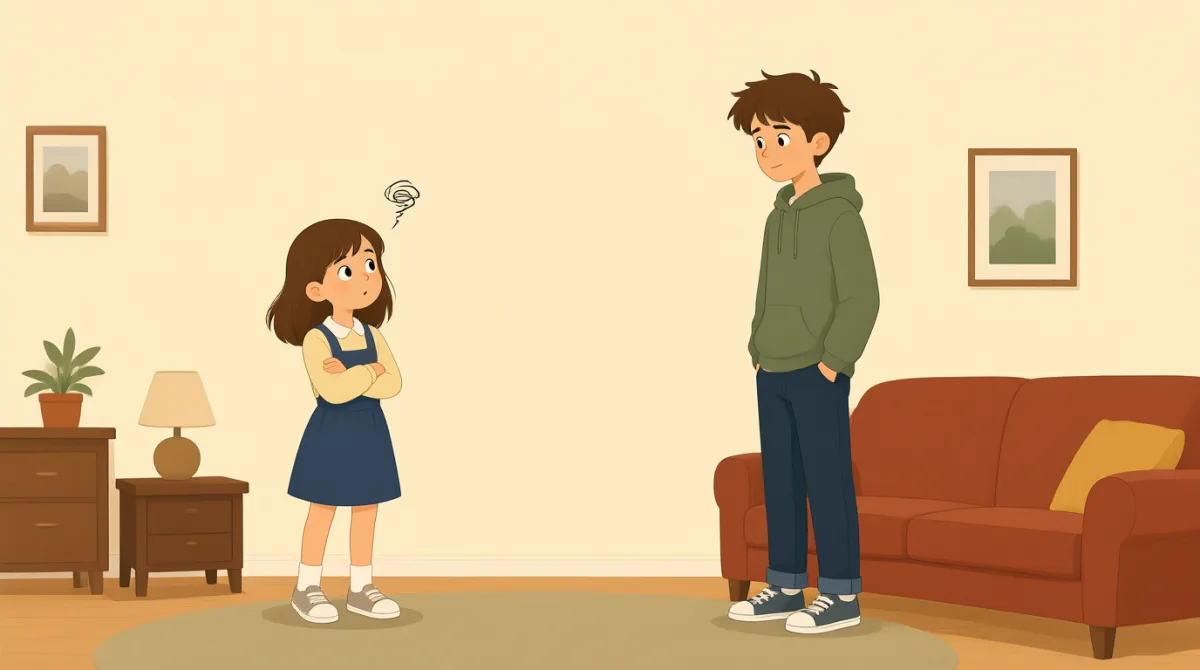

Hey, Emma. I know we said we’d give each other some space, so there’s no pressure to reply right away. I just wanted to check in.
अरे, एमा। मुझे पता है कि हमने एक-दूसरे को थोड़ी जगह देने की बात की थी, इसलिए तुरंत जवाब देने का कोई दबाव नहीं है। बस तुम्हारा हाल पूछना चाहता था।

Thanks for checking in. I’ve had some time to cool down, but I’m still feeling hurt. I think I’m ready to talk, as long as we take it slowly.
हाल पूछने के लिए शुक्रिया। मुझे शांत होने के लिए थोड़ा समय मिला, लेकिन मुझे अब भी बुरा लग रहा है। मुझे लगता है कि मैं बात करने के लिए तैयार हूँ, बस हम धीरे-धीरे बात करें।
Absolutely. We don’t have to sort everything out tonight. I’d rather listen properly than jump in and get defensive again.
बिल्कुल। हमें आज रात ही सब कुछ सुलझाने की ज़रूरत नहीं है। मैं फिर से बीच में बोलकर बचाव करने के बजाय, तुम्हारी बात ध्यान से सुनना चाहूँगा।
That would help. When we argued, I felt like we were both trying to win instead of understand what the other person was saying.
इससे मदद मिलेगी। जब हमारी बहस हुई, तो मुझे लगा कि हम दोनों सामने वाले की बात समझने के बजाय जीतने की कोशिश कर रहे थे।
I can see that. I got caught up in explaining myself, and the more I talked, the less I seemed to hear you. I’m sorry for that.
मैं समझ सकता हूँ। मैं अपनी सफ़ाई देने में उलझ गया, और जितना ज़्यादा बोलता गया, उतना ही कम तुम्हारी बात सुन पाया। इसके लिए मुझे माफ़ करना।
I appreciate you saying that. I don’t want us to brush it under the rug, but I also don’t want to go over every sharp thing we said right now.
तुम्हारा यह कहना मेरे लिए मायने रखता है। मैं नहीं चाहती कि हम इस बात को यूँ ही दबा दें, लेकिन मैं अभी हमारी कही हर कड़वी बात पर भी चर्चा नहीं करना चाहती।
That makes sense. We can pause if either of us starts getting worked up. Would you rather talk here, or take a walk somewhere quiet?
यह बात समझ में आती है। अगर हममें से कोई भी परेशान होने लगे, तो हम थोड़ी देर रुक सकते हैं। तुम यहीं बात करना चाहोगी या किसी शांत जगह पर टहलने चलें?
A walk sounds good. I think I’ll be able to explain myself better if we’re not sitting across from each other like we’re in a formal meeting.
टहलना अच्छा रहेगा। मुझे लगता है कि अगर हम एक औपचारिक मीटिंग की तरह आमने-सामने बैठने के बजाय चलते रहें, तो मैं अपनी बात बेहतर ढंग से समझा पाऊँगी।
Fair enough. We can keep it low-key and just talk for a little while. If it feels like too much, we can call it for tonight and pick it up later.
ठीक है। हम इसे हल्का-फुल्का रख सकते हैं और बस थोड़ी देर बात कर सकते हैं। अगर ज़्यादा मुश्किल लगे, तो आज रात यहीं रोककर बाद में फिर बात कर लेंगे।
Okay. I’m not promising we’ll settle everything on this walk, but I’m willing to hear you out and tell you how I’ve been feeling.
ठीक है। मैं यह वादा नहीं कर रही कि इस सैर में हम सब कुछ सुलझा लेंगे, लेकिन मैं तुम्हारी पूरी बात सुनने और तुम्हें यह बताने को तैयार हूँ कि मैं कैसा महसूस कर रही हूँ।
That’s all I’m asking for. Thanks for giving me a chance to talk, Emma. Let’s take it one step at a time.
मैं बस यही चाहता हूँ। मुझे बात करने का मौका देने के लिए शुक्रिया, एमा। चलो, एक-एक कदम करके आगे बढ़ते हैं।
शब्दावली7
- give each other some spaceएक-दूसरे को थोड़ी जगह देना
To spend some time apart so both people can calm down. It can help prevent an argument from getting worse.
एक-दूसरे से कुछ समय अलग रहना, ताकि दोनों शांत हो सकें। इससे बहस को और बढ़ने से रोकने में मदद मिल सकती है।
- cool downशांत होना
To become calmer after feeling angry or upset. Here, Emma has had time to process her feelings before talking.
गुस्सा या परेशान महसूस करने के बाद शांत हो जाना। यहाँ, एमा ने बात करने से पहले अपनी भावनाओं को समझने के लिए थोड़ा समय लिया है।
- get defensiveबचाव की मुद्रा में आना
To react as if you are being attacked, often by making excuses or arguing back. You can use this phrase to describe a response that makes a difficult conversation harder.
इस तरह प्रतिक्रिया देना मानो आप पर हमला हो रहा हो—अक्सर बहाने बनाकर या जवाबी बहस करके। इस वाक्यांश का इस्तेमाल ऐसी प्रतिक्रिया बताने के लिए कर सकते हैं जो मुश्किल बातचीत को और कठिन बना देती है।
- brush it under the rugबात को दबा देना
To avoid discussing a problem instead of dealing with it. It is often used when an issue may come back later if it is ignored.
किसी समस्या से निपटने के बजाय उस पर बात करने से बचना। यह अक्सर तब कहा जाता है जब अनदेखी की गई समस्या बाद में फिर सामने आ सकती है।
- keep it low-keyबातचीत को हल्का-फुल्का रखना
To make something relaxed and informal, without too much intensity or attention. Here, it means having a calm, casual conversation.
किसी चीज़ को सहज और अनौपचारिक रखना, बिना उसे बहुत गंभीर बनाए या उस पर ज़्यादा ध्यान दिए। यहाँ इसका मतलब है शांत और अनौपचारिक बातचीत करना।
- hear you outपूरी बात सुनना
To listen to someone fully before judging or responding. It is useful when you want to show that you are open to understanding another person's point of view.
किसी को परखने या जवाब देने से पहले उसकी पूरी बात सुनना। जब आप यह दिखाना चाहें कि आप दूसरे का नज़रिया समझने के लिए तैयार हैं, तब यह वाक्यांश काम आता है।
- one step at a timeएक-एक कदम करके
To deal with something gradually instead of trying to solve everything at once. It can reassure someone during a difficult or complicated process.
सब कुछ एक साथ सुलझाने की कोशिश करने के बजाय धीरे-धीरे उससे निपटना। किसी मुश्किल या पेचीदा प्रक्रिया के दौरान यह किसी को भरोसा दिला सकता है।
मुख्य वाक्य8
- 1
I’ve had some time to cool down, but I’m still feeling hurt.
मुझे शांत होने के लिए थोड़ा समय मिला, लेकिन मुझे अब भी बुरा लग रहा है।
This sentence shows that you are calmer but still have difficult feelings. You can reuse the pattern “I’ve had some time to [verb], but I’m still…” to describe mixed emotions.
इस वाक्य से पता चलता है कि अब आप शांत हैं, लेकिन मन में अब भी मुश्किल भावनाएँ हैं। मिली-जुली भावनाएँ बताने के लिए आप “I’ve had some time to [verb], but I’m still…” का ढाँचा फिर से इस्तेमाल कर सकते हैं।
- 2
I think I’m ready to talk, as long as we take it slowly.
मुझे लगता है कि मैं बात करने के लिए तैयार हूँ, बस हम धीरे-धीरे बात करें।
This is a considerate way to agree to a conversation while setting a condition. Replace “take it slowly” with another request, such as “keep it brief” or “talk somewhere quiet.”
किसी शर्त के साथ बातचीत के लिए सहमति जताने का यह एक संवेदनशील तरीका है। “take it slowly” की जगह आप कोई और अनुरोध रख सकते हैं, जैसे “keep it brief” या “talk somewhere quiet.”
- 3
I’d rather listen properly than jump in and get defensive again.
मैं फिर से बीच में बोलकर बचाव करने के बजाय, तुम्हारी बात ध्यान से सुनना चाहूँगा।
This sentence expresses a preference and recognizes a past behavior you want to change. The structure “I’d rather [action] than [action]” is useful for explaining how you want to handle a situation.
यह वाक्य आपकी पसंद बताता है और साथ ही उस पुराने व्यवहार को भी स्वीकार करता है जिसे आप बदलना चाहते हैं। किसी स्थिति से निपटने का अपना तरीका समझाने के लिए “I’d rather [action] than [action]” का ढाँचा काम आता है।
- 4
I don’t want us to brush it under the rug, but I also don’t want to go over every sharp thing we said right now.
मैं नहीं चाहता कि हम इस बात को दबा दें, लेकिन मैं अभी हमारी कही हर कड़वी बात पर भी चर्चा नहीं करना चाहता।
This balances the need to address a problem with the need to avoid discussing it all immediately. You can reuse “I don’t want to…, but I also don’t want to…” to explain two competing concerns.
यह समस्या पर बात करने की ज़रूरत और अभी हर बात पर चर्चा से बचने की ज़रूरत—दोनों के बीच संतुलन बनाता है। अपनी दो परस्पर विरोधी चिंताएँ बताने के लिए “I don’t want to…, but I also don’t want to…” का ढाँचा इस्तेमाल कर सकते हैं।
- 5
We can pause if either of us starts getting worked up.
अगर हममें से कोई भी परेशान होने लगे, तो हम थोड़ी देर रुक सकते हैं।
This suggests a practical boundary for keeping a conversation calm. The pattern “We can [action] if either of us…” can help both people agree on a plan.
यह बातचीत को शांत रखने के लिए एक व्यावहारिक सीमा तय करता है। किसी योजना पर दोनों की सहमति बनाने में “We can [action] if either of us…” का ढाँचा मदद कर सकता है।
- 6
If it feels like too much, we can call it for tonight and pick it up later.
अगर यह सब बहुत ज़्यादा लगने लगे, तो हम आज रात के लिए बात रोककर बाद में फिर शुरू कर सकते हैं।
This offers a way to stop a difficult conversation without giving up on it. “Call it for tonight” means stop for now, while “pick it up later” means continue at another time.
यह मुश्किल बातचीत को छोड़े बिना रोकने का एक तरीका बताता है। “Call it for tonight” का मतलब है अभी के लिए रोक देना, जबकि “pick it up later” का मतलब है किसी और समय फिर से जारी रखना।
- 7
I’m not promising we’ll settle everything on this walk, but I’m willing to hear you out and tell you how I’ve been feeling.
मैं यह वादा नहीं कर रहा कि इस सैर में हम सब कुछ सुलझा लेंगे, लेकिन मैं तुम्हारी पूरी बात सुनने और तुम्हें यह बताने को तैयार हूँ कि मैं कैसा महसूस कर रहा हूँ।
This manages expectations while showing openness to a conversation. You can use “I’m not promising…, but I’m willing to…” to set a realistic limit and still show cooperation.
यह बातचीत के लिए खुलेपन का संकेत देते हुए उम्मीदों को वास्तविकता के मुताबिक रखता है। एक व्यावहारिक सीमा तय करने और फिर भी सहयोग की इच्छा दिखाने के लिए “I’m not promising…, but I’m willing to…” का इस्तेमाल कर सकते हैं।
- 8
Let’s take it one step at a time.
चलो, एक-एक कदम करके आगे बढ़ते हैं।
This encourages people to handle a situation gradually. It works well when a problem feels complicated or emotionally overwhelming.
यह लोगों को किसी स्थिति से धीरे-धीरे निपटने के लिए प्रोत्साहित करता है। जब कोई समस्या पेचीदा या भावनात्मक रूप से बहुत भारी लगे, तब यह वाक्यांश अच्छा रहता है।