Inquiring About Parking Rates
पार्किंग की दरों के बारे में पूछताछ
Before or during parking, the user asks about the hourly or daily rates, maximum charges, and any special offers or free parking durations.
पार्किंग करने से पहले या उसके दौरान, ग्राहक प्रति घंटे या प्रतिदिन की दरों, अधिकतम शुल्क और विशेष छूट या मुफ़्त पार्किंग की अवधि के बारे में पूछता है।
संवाद8
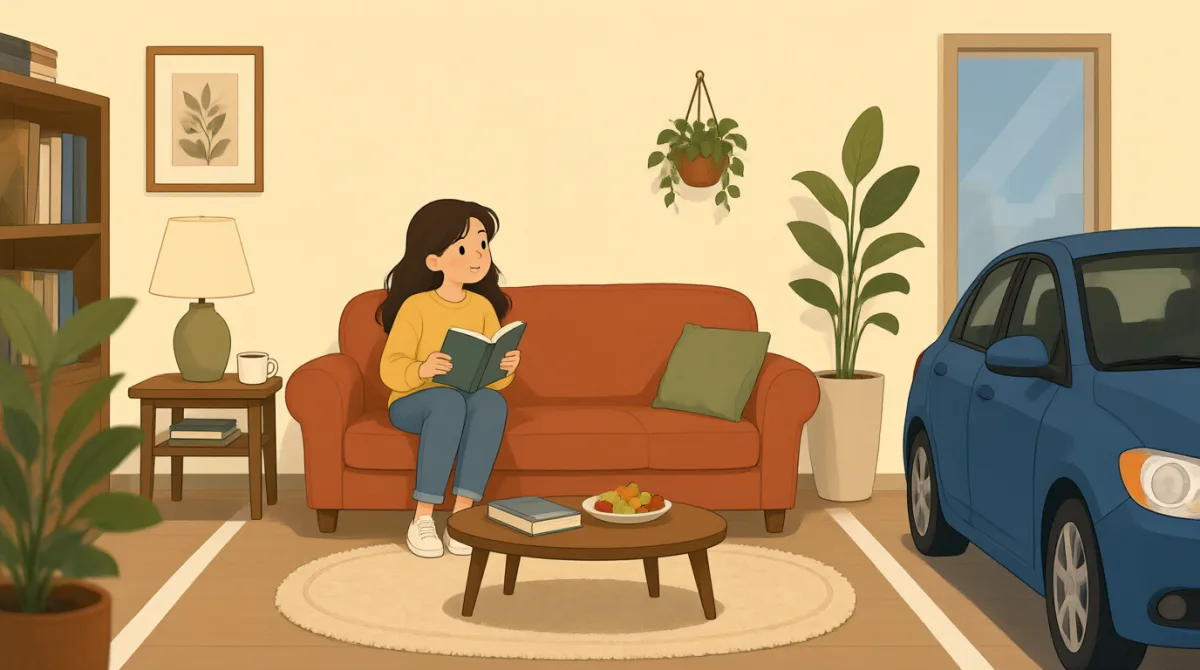

Excuse me, I'm just about to park and I was wondering what the rates are here?
माफ़ कीजिए, मैं अभी गाड़ी पार्क करने वाला हूँ। जानना चाहता था कि यहाँ पार्किंग की दरें क्या हैं?

No problem! It's $5 for the first hour, and then $3 for every subsequent hour.
कोई बात नहीं! पहले घंटे के लिए $5 और उसके बाद हर घंटे के लिए $3 लगते हैं।
Okay, got it. Is there a daily maximum charge?
अच्छा, समझ गया। क्या रोज़ का अधिकतम शुल्क भी है?
Yes, the daily maximum is $25. And if you're parking after 6 PM, there's a flat rate of $10 until midnight.
हाँ, एक दिन का अधिकतम शुल्क $25 है। और अगर आप शाम 6 बजे के बाद पार्क करते हैं, तो आधी रात तक का एक तय शुल्क $10 है।
Good to know. And what about payment methods? Is it card only or can I pay with cash?
अच्छा, यह जानकर बढ़िया लगा। भुगतान के कौन-कौन से तरीके हैं? क्या सिर्फ़ कार्ड से भुगतान कर सकते हैं या नकद भी दे सकते हैं?
We accept major credit cards and debit cards. Unfortunately, we don't take cash at the machines, but you can pay with cash at the attendant booth if someone's here.
हम मुख्य क्रेडिट कार्ड और डेबिट कार्ड स्वीकार करते हैं। अफ़सोस, मशीनों पर नकद नहीं ले सकते, लेकिन अगर यहाँ कोई कर्मचारी मौजूद हो तो आप बूथ पर नकद भुगतान कर सकते हैं।
Alright, card it is then. Thanks for the information!
ठीक है, फिर कार्ड से ही भुगतान करूँगा। जानकारी देने के लिए धन्यवाद!
You're welcome! Have a good day.
आपका स्वागत है! आपका दिन अच्छा गुज़रे।
शब्दावली8
- ratesदरें
The cost or price for something, like parking fees. Use it when asking about how much something costs, e.g., 'What are the rates?'
किसी चीज़ की लागत या कीमत को दर कहते हैं, जैसे पार्किंग शुल्क। किसी चीज़ की कीमत पूछते समय इसका इस्तेमाल करें, जैसे 'What are the rates?' (दरें क्या हैं?)।
- subsequentउसके बाद का
Following or coming after something else. In parking, it means hours after the first one, e.g., 'every subsequent hour.'
इसका अर्थ है किसी चीज़ के बाद आने वाला। पार्किंग के संदर्भ में, इसका मतलब पहले घंटे के बाद के घंटे हैं, जैसे 'every subsequent hour' (उसके बाद हर घंटे)।
- daily maximumदैनिक अधिकतम शुल्क
The highest amount you have to pay in one day, even if you park longer. Useful for understanding parking limits.
एक दिन में आपको जितनी अधिकतम रकम चुकानी होती है, भले ही आप उससे ज़्यादा समय तक पार्क करें। पार्किंग की शुल्क-सीमा समझने के लिए यह शब्द काम आता है।
- flat rateतय शुल्क
A fixed price that doesn't change, no matter the time. Common in services like parking after a certain hour.
एक तय कीमत, जो समय के हिसाब से नहीं बदलती। पार्किंग जैसी सेवाओं में किसी तय समय के बाद यह आम है।
- payment methodsभुगतान के तरीके
The different ways you can pay for something, like card or cash. Ask about this when unsure how to pay.
किसी चीज़ का भुगतान करने के अलग-अलग तरीके, जैसे कार्ड या नकद। भुगतान कैसे करना है, यह पता न हो तो इसके बारे में पूछें।
- credit cardsक्रेडिट कार्ड
Plastic cards for borrowing money to pay, from banks like Visa or Mastercard. Widely accepted for payments.
बैंक से उधार लेकर भुगतान करने के लिए इस्तेमाल किए जाने वाले कार्ड, जैसे Visa या Mastercard। भुगतान के लिए ये व्यापक रूप से स्वीकार किए जाते हैं।
- debit cardsडेबिट कार्ड
Cards linked directly to your bank account, using your own money. Similar to credit cards but no borrowing.
ऐसे कार्ड जो सीधे आपके बैंक खाते से जुड़े होते हैं और जिनसे आप अपना पैसा खर्च करते हैं। ये क्रेडिट कार्ड जैसे हैं, लेकिन इनमें उधार नहीं लेना पड़ता।
- cashनकद
Physical money, like bills and coins. Some places don't accept it at machines for convenience.
भौतिक पैसा, जैसे नोट और सिक्के। सुविधा के लिए कुछ जगहों पर मशीनें नकद स्वीकार नहीं करतीं।
मुख्य वाक्य7
- 1
Excuse me, I'm just about to park and I was wondering what the rates are here?
माफ़ कीजिए, मैं अभी गाड़ी पार्क करने वाला हूँ। जानना चाहता था कि यहाँ पार्किंग की दरें क्या हैं?
This is a polite way to start a conversation and ask for information. 'I was wondering' softens the question, making it less direct. Useful for inquiring about prices in services like parking.
बातचीत शुरू करने और जानकारी माँगने का यह एक विनम्र तरीका है। 'I was wondering' सवाल को थोड़ा नरम बनाता है, जिससे वह कम सीधा लगता है। पार्किंग जैसी सेवाओं की कीमत पूछते समय यह उपयोगी है।
- 2
It's $5 for the first hour, and then $3 for every subsequent hour.
पहले घंटे के लिए $5 और उसके बाद हर घंटे के लिए $3 लगते हैं।
This explains pricing structure using 'and then' to connect parts. 'For every' shows repetition. Practical for describing costs in stages, like time-based fees.
यह वाक्य 'and then' का इस्तेमाल करके शुल्क के अलग-अलग हिस्सों को जोड़ता है। 'For every' बार-बार होने वाली चीज़ दिखाता है। समय के हिसाब से लगने वाले शुल्क जैसे खर्चों के बारे में बताने में यह काम आता है।
- 3
Is there a daily maximum charge?
क्या रोज़ का अधिकतम शुल्क भी है?
A yes/no question using 'is there' to ask about limits. Simple structure for checking rules. Use it when you want to know if there's a cap on costs.
'Is there' से शुरू होने वाला यह हाँ-या-ना वाला सवाल किसी सीमा के बारे में पूछता है। नियमों की जाँच करने का यह आसान तरीका है। खर्च की अधिकतम सीमा जाननी हो तो इसका इस्तेमाल करें।
- 4
Yes, the daily maximum is $25. And if you're parking after 6 PM, there's a flat rate of $10 until midnight.
हाँ, एक दिन का अधिकतम शुल्क $25 है। और अगर आप शाम 6 बजे के बाद पार्क करते हैं, तो आधी रात तक का एक तय शुल्क $10 है।
This answers with details and adds conditions using 'if' clause. 'Until' shows end time. Helpful for giving full info with exceptions in transactions.
यह वाक्य जानकारी के साथ जवाब देता है और 'if' वाले उपवाक्य से एक शर्त भी जोड़ता है। 'Until' बताता है कि कोई चीज़ कब तक लागू है। लेन-देन में अपवादों समेत पूरी जानकारी देने के लिए यह उपयोगी है।
- 5
What about payment methods? Is it card only or can I pay with cash?
भुगतान के कौन-कौन से तरीके हैं? क्या सिर्फ़ कार्ड से भुगतान कर सकते हैं या नकद भी दे सकते हैं?
Uses 'what about' to introduce a new topic and 'or' for alternatives. Questions payment options. Great for clarifying how to pay in everyday situations.
'What about' से नया विषय शुरू किया जाता है और 'or' विकल्पों को जोड़ता है। यहाँ भुगतान के विकल्प पूछे जा रहे हैं। रोज़मर्रा की स्थितियों में भुगतान का तरीका स्पष्ट करने के लिए यह बढ़िया है।
- 6
We accept major credit cards and debit cards.
हम मुख्य क्रेडिट कार्ड और डेबिट कार्ड स्वीकार करते हैं।
States what is allowed using 'accept.' 'Major' means common ones. Useful response when explaining accepted payments; shows inclusivity.
'Accept' का इस्तेमाल करके बताया जाता है कि कौन-से भुगतान मान्य हैं। 'Major' का अर्थ है आम या प्रचलित। स्वीकार किए जाने वाले भुगतान के तरीके समझाते समय यह जवाब काम आता है।
- 7
Unfortunately, we don't take cash at the machines, but you can pay with cash at the attendant booth if someone's here.
अफ़सोस, मशीनों पर नकद नहीं ले सकते, लेकिन अगर यहाँ कोई कर्मचारी मौजूद हो तो आप बूथ पर नकद भुगतान कर सकते हैं।
Uses 'unfortunately' for polite regret, 'but' for contrast, and 'if' for condition. Explains alternatives. Practical for service apologies and options.
'Unfortunately' विनम्रता से अफ़सोस जताता है, 'but' विरोध या अंतर दिखाता है और 'if' शर्त बताता है। यह दूसरे विकल्प भी समझाता है। सेवाओं के बारे में खेद जताने और विकल्प बताने में यह काम आता है।