Setting Ground Rules for Mediation
تعیین اصول پایه برای میانجیگری
Mediator Mia establishes a respectful process, asking both parents to speak without interruption and keep the children’s needs at the center. She clarifies that the goal is a workable agreement, not deciding who was right in the separation.
میا، میانجی، روندی محترمانه برقرار میکند و از هر دو والد میخواهد بدون قطعکردن حرف یکدیگر صحبت کنند و نیازهای فرزندان را در اولویت بگذارند. او روشن میکند که هدف، رسیدن به توافقی عملی است، نه تعیین اینکه در جدایی حق با چه کسی بوده است.
گفتوگو12
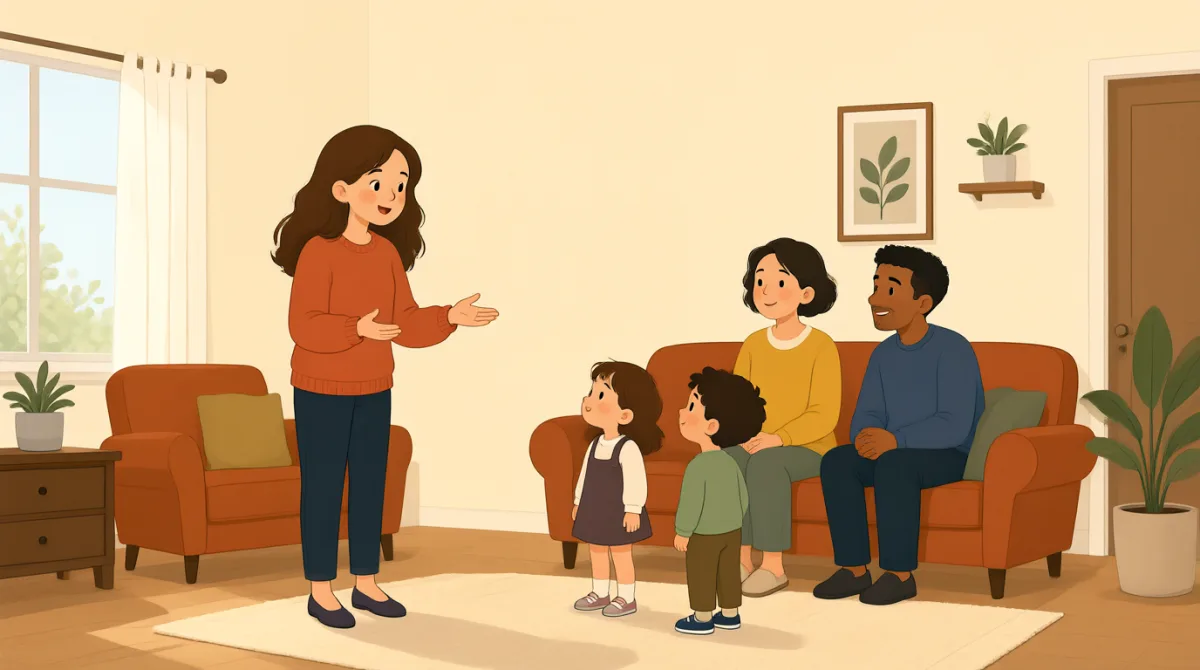

Thank you both for coming. Before we discuss schedules or expenses, I’d like to establish a few ground rules so this conversation stays constructive and focused.
از هر دوتون ممنونم که اومدید. قبل از اینکه درباره برنامهها یا هزینهها صحبت کنیم، میخوام چند تا قاعده مشخص کنیم تا گفتوگومون سازنده و متمرکز بمونه.

That sounds reasonable. I’ll admit I’m worried we’ll end up revisiting the separation itself, but I’m willing to try to keep this about the children.
بهنظرم منطقیه. راستش نگرانم دوباره بحثمون به خود جدایی برسه، اما حاضرم سعی کنم صحبتهامون رو به بچهها محدود کنیم.

I agree in principle. I just don’t want “keeping it about the children” to mean that my concerns get dismissed whenever they’re inconvenient.
در اصل موافقم. فقط نمیخوام «محدودکردن بحث به بچهها» به این معنی باشه که هر وقت نگرانیهام دردسرساز شد، نادیدهشون بگیریم.
That’s a fair concern, Jack. Each of you will have time to explain what matters to you. I’ll ask that you speak one at a time, without interrupting.
نگرانی بهجاییه، جک. هر کدومتون وقت دارید توضیح بدید چه چیزهایی براتون مهمه. ازتون میخوام یکییکی حرف بزنید و حرف همدیگه رو قطع نکنید.
I can do that. I may need a moment if the conversation gets difficult, though. I don’t want a pause to be mistaken for refusing to cooperate.
میتونم این کار رو بکنم. البته اگه گفتوگو سخت بشه، شاید لازم داشته باشم یک لحظه مکث کنم. نمیخوام این مکث رو بهمعنای همکارینکردن برداشت کنید.
Of course. You can ask for a brief pause, and we’ll make sure both of you have a chance to finish your thoughts. Respectful disagreement is welcome; personal attacks are not.
حتماً. میتونید درخواست کنید کمی مکث کنیم و مطمئن میشیم که هر دوتون فرصت دارید حرفهاتون رو کامل کنید. مخالفت محترمانه پذیرفتنیه؛ حمله شخصی نه.
Understood. I’ll try to describe what I need without turning it into a list of everything Grace has done wrong. That hasn’t helped us before.
فهمیدم. سعی میکنم نیازم رو توضیح بدم، نه اینکه فهرستی از همه کارهایی که گریس اشتباه انجام داده ردیف کنم. قبلاً این کار کمکی بهمون نکرده.
And I’ll try to hear the concern beneath the frustration. I’d also like us to avoid making assumptions about each other’s motives.
من هم سعی میکنم نگرانیای رو که پشت ناراحتیه بشنوم. همچنین دوست دارم درباره انگیزههای همدیگه پیشداوری نکنیم.
That’s a useful commitment from both of you. Our purpose here isn’t to determine who was right in the separation; it’s to develop an agreement you can both follow.
این تعهد هر دوتون ارزشمنده. هدف اینجا این نیست که مشخص کنیم موقع جدایی حق با چه کسی بوده؛ هدف اینه که به توافقی برسیم که هر دوتون بتونید بهش پایبند بمونید.
I can work with that, as long as the agreement is practical. The children shouldn’t have to manage our conflict or carry messages between us.
با این موافقم، بهشرطی که توافق عملی باشه. بچهها نباید مجبور بشن اختلافمون رو مدیریت کنن یا پیامهامون رو به هم برسونن.
Agreed. Their routines and sense of security need to come first, even when that means either of us has to adjust an expectation.
موافقم. برنامههای روزمره و احساس امنیتشون باید در اولویت باشه، حتی اگه این یعنی هر کدوم از ما باید از یکی از انتظاراتمون کوتاه بیایم.
Good. If either of you feels the discussion drifting toward blame, we can pause and return to the question: what arrangement would best support the children?
خوبه. اگه هر کدومتون حس کردید بحث داره به سمت سرزنش میره، میتونیم مکث کنیم و برگردیم به این سؤال: چه ترتیبی بیشترین حمایت رو از بچهها میکنه؟
واژگان7
- establish a few ground rulesتعیین چند قاعدهٔ پایه
To agree on basic guidelines before starting a discussion. Here, it means setting expectations for how the mediation will work.
یعنی پیش از شروع گفتوگو، درباره دستورالعملهای اصلی به توافق برسیم. اینجا منظور تعیین انتظارات درباره نحوه برگزاری میانجیگریه.
- constructive and focusedسازنده و متمرکز
A constructive conversation aims to solve problems, while a focused one stays on the main topic. The phrase helps describe the kind of discussion participants want.
گفتوگوی سازنده به حل مشکلات کمک میکنه و گفتوگوی متمرکز از موضوع اصلی دور نمیشه. این عبارت نوع گفتوگویی رو توصیف میکنه که شرکتکنندهها میخوان داشته باشن.
- in principleدر اصل
This means agreeing with an idea generally, though there may still be concerns about how it works in practice.
یعنی بهطور کلی با یک ایده موافق باشیم، هرچند ممکنه درباره نحوه عملیشدنش هنوز نگرانیهایی داشته باشیم.
- dismissedنادیده گرفتهشدن
To dismiss someone’s concerns is to treat them as unimportant or not worth considering. Jack worries that keeping the discussion child-focused could be used this way.
وقتی نگرانیهای کسی را نادیده میگیریم، با آنها طوری برخورد میکنیم که انگار اهمیتی ندارند یا ارزش بررسی ندارند. جک نگران است که تمرکز بر بچهها بهانهای برای این کار شود.
- Respectful disagreement is welcome; personal attacks are not.مخالفت محترمانه پذیرفتنیه؛ حملههای شخصی نه.
This sets a boundary while allowing people to express different opinions. You can reuse the contrast to make clear what behavior is acceptable in a discussion.
این جمله حدومرزی تعیین میکند و در عین حال به افراد اجازه میدهد نظرهای متفاوتی داشته باشند. میتوانی از این تقابل استفاده کنی تا روشن کنی چه رفتاری در گفتوگو پذیرفتنی است.
- the concern beneath the frustrationنگرانیِ پشتِ ناراحتی
This refers to the underlying need or worry that may be expressed through anger. The phrase encourages listening for meaning rather than reacting only to someone’s tone.
منظور نیاز یا نگرانی پنهانیای است که ممکن است بهشکل خشم بروز کند. این عبارت تشویقت میکند بهجای واکنش نشاندادن فقط به لحن کسی، سعی کنی منظور اصلی او را بفهمی.
- drifting toward blameبه سمت سرزنش رفتن
This describes a conversation gradually shifting into accusations about who is at fault. It can be used to suggest returning to the main issue before the discussion becomes unproductive.
یعنی گفتوگو کمکم به متهمکردن یکدیگر درباره اینکه تقصیر با کیست کشیده شود. میتوانی از این عبارت برای پیشنهاد بازگشت به موضوع اصلی، پیش از بیفایدهشدن بحث، استفاده کنی.
جملات کلیدی8
- 1
Before we discuss schedules or expenses, I’d like to establish a few ground rules so this conversation stays constructive and focused.
قبل از اینکه درباره برنامهها یا هزینهها صحبت کنیم، میخوام چند تا قاعده مشخص کنیم تا گفتوگومون سازنده و متمرکز بمونه.
This politely sets the agenda and explains why guidelines are needed. Reuse the structure “Before we discuss X, I’d like to…” to introduce a process or priority.
این جمله مؤدبانه موضوع گفتوگو را مشخص میکند و توضیح میدهد چرا به قاعدههایی نیاز داریم. از ساختار “Before we discuss X, I’d like to…” برای معرفی یک روند یا اولویت استفاده کن.
- 2
Each of you will have time to explain what matters to you.
هر کدومتون وقت دارید توضیح بدید چه چیزهایی براتون مهمه.
This reassures people that they will have a fair opportunity to speak. It is useful in meetings where participants may worry their concerns will be overlooked.
این جمله به افراد اطمینان میدهد که فرصت منصفانهای برای صحبتکردن خواهند داشت. در جلسههایی مفید است که ممکن است شرکتکنندهها نگران باشند کسی به نگرانیهایشان توجه نکند.
- 3
I may need a moment if the conversation gets difficult, though.
البته اگه گفتوگو سخت بشه، شاید لازم داشته باشم یک لحظه مکث کنم.
This is a tactful way to ask for understanding if you need time to collect your thoughts. You can use “I may need a moment if…” to prepare others for a possible pause.
این راهی سنجیده برای درخواست درک و همراهی است، اگر به زمانی برای جمعوجورکردن فکرت نیاز داشته باشی. میتوانی از “I may need a moment if…” استفاده کنی تا دیگران را برای مکث احتمالی آماده کنی.
- 4
Respectful disagreement is welcome; personal attacks are not.
مخالفت محترمانه پذیرفتنیه؛ حملههای شخصی نه.
This sentence distinguishes between acceptable disagreement and unacceptable behavior. It can help establish clear boundaries in sensitive conversations.
این جمله میان مخالفت پذیرفتنی و رفتار ناپذیرفتنی تفاوت میگذارد. برای تعیین حدومرزهای روشن در گفتوگوهای حساس مفید است.
- 5
Our purpose here isn’t to determine who was right in the separation; it’s to develop an agreement you can both follow.
هدف ما اینجا این نیست که مشخص کنیم موقع جدایی حق با چه کسی بوده؛ هدف اینه که به توافقی برسیم که هر دوتون بتونید بهش پایبند بمونید.
This redirects attention from past conflict to a practical shared goal. The pattern “Our purpose isn’t to X; it’s to Y” is useful for reframing discussions.
این جمله توجه را از اختلافهای گذشته به هدفی عملی و مشترک برمیگرداند. الگوی “Our purpose isn’t to X; it’s to Y” برای تغییر جهت بحث مفید است.
- 6
The children shouldn’t have to manage our conflict or carry messages between us.
بچهها نباید مجبور بشن اختلافمون رو مدیریت کنن یا پیامهامون رو به هم برسونن.
This clearly explains why children should not be placed in the middle of adult disagreements. The sentence can be adapted to name responsibilities that should not be given to others.
این جمله روشن میکند چرا نباید بچهها را وسط اختلافهای بزرگترها قرار داد. میتوانی آن را تغییر بدهی و مسئولیتهایی را نام ببری که نباید به دیگران واگذار شوند.
- 7
Their routines and sense of security need to come first, even when that means either of us has to adjust an expectation.
برنامههای روزمره و احساس امنیتشون باید در اولویت باشه، حتی اگه این یعنی هر کدوم از ما باید از یکی از انتظاراتمون کوتاه بیایم.
This states a priority while acknowledging that both parents may need to compromise. Reuse “X needs to come first, even when…” to emphasize a principle and its practical consequences.
این جمله یک اولویت را بیان میکند و میپذیرد که هر دو والد ممکن است لازم باشد کوتاه بیایند. از “X needs to come first, even when…” برای تأکید بر یک اصل و پیامدهای عملی آن استفاده کن.
- 8
If either of you feels the discussion drifting toward blame, we can pause and return to the question: what arrangement would best support the children?
اگه هر کدومتون حس کردید بحث داره به سمت سرزنش میره، میتونیم مکث کنیم و برگردیم به این سؤال: چه ترتیبی بیشترین حمایت رو از بچهها میکنه؟
This offers a practical way to interrupt an unproductive pattern and refocus the conversation. The structure “If you feel the discussion drifting toward X, we can…” is useful for suggesting a calm reset.
این جمله راهی عملی برای متوقفکردن روندی بیفایده و متمرکزکردن دوباره گفتوگو پیشنهاد میدهد. ساختار “If you feel the discussion drifting toward X, we can…” برای پیشنهاد شروع دوبارهای آرام مفید است.