Staying Focused When Emotions Rise
حفظ تمرکز هنگام بالا گرفتن احساسات
A disagreement about a missed handoff brings old grievances into the room, and both parents struggle to stay composed. Mia pauses the discussion and helps them separate their hurt from the immediate question of what arrangement would best support the children.
اختلاف بر سر تحویلگرفتن بچهها در زمان مقرر، دلخوریهای قدیمی را دوباره زنده میکند و هر دو والد بهسختی آرامششان را حفظ میکنند. میا گفتوگو را متوقف میکند و کمکشان میکند رنجشهایشان را از پرسش فوریِ اینکه چه ترتیبی بیشترین حمایت را از بچهها میکند، جدا کنند.
گفتوگو12
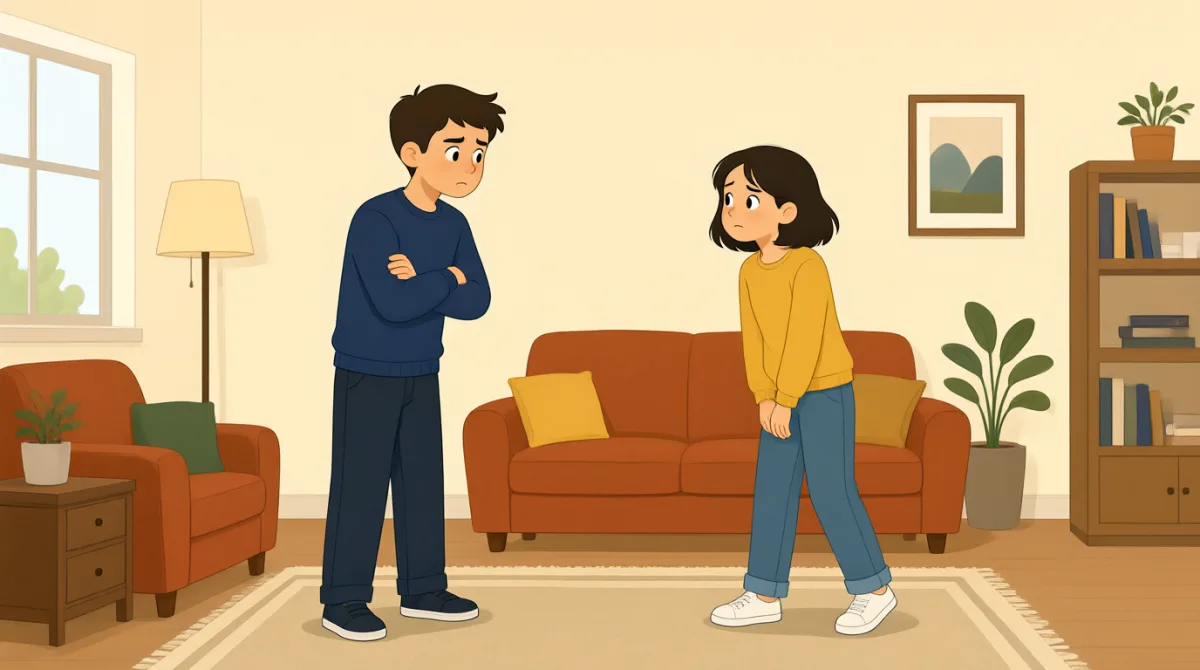

I want to address the missed handoff last Thursday. I waited outside the school for forty minutes, and the children were confused. This cannot keep happening.
میخوام دربارهٔ تحویلگرفتن بچهها در پنجشنبهٔ گذشته صحبت کنم. چهل دقیقه بیرون مدرسه منتظر موندم و بچهها گیج شده بودن. این وضع نمیتونه ادامه پیدا کنه.

I know I was late, Jack, and I regret that the children had to wait. But your message made it sound as if I had deliberately abandoned them. That was unfair.
میدونم دیر کردم، جک، و متأسفم که بچهها مجبور شدن منتظر بمونن. اما پیامت طوری بود که انگار عمداً رهاشون کرده بودم. این منصفانه نبود.
I was angry because you did not tell me what was happening. And this is not the first time I have had to rearrange my afternoon at the last minute.
عصبانی بودم چون بهم نگفتی چه اتفاقی افتاده. تازه، این اولین بار نیست که مجبور میشم دقیقهٔ آخر برنامهٔ بعدازظهرم رو عوض کنم.
You are turning one late pickup into a verdict on my parenting. I have covered for you plenty of times, but I do not bring every mistake into mediation.
داری یک بار دیر رسیدن رو به قضاوتی دربارهٔ والد بودن من تبدیل میکنی. من بارها هوات رو داشتم، ولی هر اشتباهی رو برای مطرحکردن توی جلسهٔ میانجیگری نمیارم.

Let me pause you both. I hear a practical concern about reliability, and I also hear hurt about feeling judged. For a moment, let us separate those issues from the older grievances.
اجازه بدین حرف هر دوتون رو نگه دارم. هم نگرانی عملی دربارهٔ قابلاعتمادبودن رو میشنوم، هم رنجش از اینکه احساس میکنین مورد قضاوت قرار گرفتین. بیاین برای لحظهای این مسائل رو از دلخوریهای قدیمی جدا کنیم.
I can own that my message was sharper than it needed to be. What I need, though, is a way to know promptly if a handoff is going to be delayed.
میتونم قبول کنم که لحن پیامی تندتر از حد لازم بود. بااینحال، چیزی که لازم دارم اینه که اگر قرار شد تحویلگرفتن بچهها عقب بیفته، زود باخبر بشم.
That is reasonable. My phone was on silent during a meeting, but I should have sent an update as soon as I could. I do not want the children caught between us.
این منطقیه. موقع جلسه گوشیم روی بیصدا بود، ولی باید بهمحض اینکه میتونستم خبر میدادم. نمیخوام بچهها بین ما گرفتار بشن.
Then let us focus on what would help the children feel secure. Could you agree to notify each other as soon as a delay becomes likely, and give an estimated arrival time?
پس بیاین روی چیزی تمرکز کنیم که کمک میکنه بچهها احساس امنیت کنن. میتونین توافق کنین بهمحض اینکه احتمال تأخیر پیش اومد به هم خبر بدین و زمان تقریبی رسیدن رو هم بگین؟
Yes. If there is no response after fifteen minutes, I would like us to have a backup contact method—not to escalate things, just to confirm the children are accounted for.
بله. اگه بعد از پانزده دقیقه جوابی نگرفتیم، دوست دارم یه راه ارتباطی جایگزین داشته باشیم؛ نه برای اینکه اوضاع رو بدتر کنیم، فقط برای اینکه مطمئن بشیم میدونیم بچهها کجا هستن.
I can agree to that, provided the backup is used only for logistics and not as a way to reopen the argument. We should also tell the children the plan calmly, without assigning blame.
میتونم با این موافق باشم، بهشرطی که از راه جایگزین فقط برای هماهنگیهای عملی استفاده کنیم، نه برای ازسرگرفتن بحث. باید برنامه رو هم آروم و بدون مقصردونستن کسی به بچهها بگیم.
That sounds workable. Before we move on, is there anything either of you needs to acknowledge so this agreement is not simply covering over what happened?
این شدنی به نظر میرسه. قبل از اینکه بریم سراغ موضوع بعدی، چیزی هست که یکی از شما لازم بدونه بهش اذعان کنه تا این توافق فقط سرپوشی روی اتفاقی که افتاد نباشه؟
I am sorry I made you feel accused rather than addressing the problem. I still need dependable communication, but I can raise that without making the children’s handoff a referendum on our past.
متأسفم که بهجای پرداختن به مشکل، کاری کردم احساس کنی متهم شدی. هنوز هم به ارتباط قابلاعتماد نیاز دارم، اما میتونم این رو مطرح کنم، بیآنکه تحویلگرفتن بچهها رو به همهپرسی دربارهٔ گذشتهمون تبدیل کنم.
واژگان8
- missed handoffتحویلگرفتن بچهها در زمان مقرر انجام نشدن
A missed handoff is when a parent does not arrive as planned to transfer the children to the other parent. Here, it refers to the delayed pickup outside the school.
وقتی یکی از والدین برای تحویلدادن بچهها به والد دیگر، طبق برنامه حاضر نمیشود، میگوییم «missed handoff». اینجا منظور تأخیر در تحویلگرفتن بچهها بیرون مدرسه است.
- at the last minuteدر آخرین لحظه
This means with very little notice, just before something needs to happen. It describes how the schedule changes affect Jack's afternoon.
این عبارت یعنی با فاصلهٔ زمانی خیلی کم و درست پیش از موعد انجام کاری. اینجا تغییر برنامهها در آخرین لحظه بر بعدازظهر جک اثر میگذارد.
- a verdict on my parentingقضاوتی دربارهٔ والد بودنم
A verdict is a judgment or decision about someone. Grace uses this phrase to say Jack is treating one mistake as proof that she is a bad parent.
«verdict» یعنی قضاوت یا تصمیمی دربارهٔ کسی. گریس از این عبارت استفاده میکند تا بگوید جک یک اشتباه را مدرکی برای بدوالدبودن او میداند.
- I can own thatمیتونم مسئولیتش رو بپذیرم
This means “I can accept responsibility for that.” It is a useful way to acknowledge your part in a disagreement without giving up your other concerns.
«I can own that» یعنی «میتونم مسئولیت اون رو بپذیرم». این عبارت راه خوبی است برای پذیرفتن سهم خودتان در یک اختلاف، بدون اینکه از نگرانیهای دیگرتان صرفنظر کنید.
- as soon as a delay becomes likelyبهمحض اینکه احتمال تأخیر پیش بیاد
This means to give notice when it seems probable that someone will be late, rather than waiting until the delay is certain. It can help people make practical plans.
این عبارت یعنی وقتی احتمال میرود کسی دیر برسد خبر بدهید، نه اینکه صبر کنید تا تأخیر قطعی شود. این کار میتواند به دیگران کمک کند برنامههای عملیشان را تنظیم کنند.
- a backup contact methodراه ارتباطی جایگزین
This is an alternative way to get in touch if the usual method does not work. In this conversation, it is intended to confirm that the children are accounted for.
این یعنی راه دیگری برای تماسگرفتن، اگر روش معمول کار نکرد. در این گفتوگو قرار است از این راه استفاده شود تا مطمئن شوند بچهها مشخص هستند و کسی از وضعیتشان بیخبر نمانده است.
- covering over what happenedسرپوشگذاشتن روی اتفاقی که افتاد
This means hiding or ignoring a problem instead of addressing it. Mia asks whether anything needs to be acknowledged so the agreement does not avoid the hurt caused by the incident.
این عبارت یعنی پنهانکردن یا نادیدهگرفتن مشکل بهجای پرداختن به آن. میا میپرسد آیا چیزی هست که باید به آن اذعان شود تا توافق باعث نشود رنج ناشی از آن اتفاق نادیده گرفته شود.
- a referendum on our pastهمهپرسی دربارهٔ گذشتهمان
A referendum is usually a vote on an important issue; here, Jack uses it figuratively to mean a judgment on the history of their relationship. He says he can raise a current concern without turning it into a judgment about their past.
«referendum» معمولاً یعنی رأیگیری دربارهٔ موضوعی مهم. جک اینجا آن را بهصورت استعاری به کار میبرد و منظورش قضاوت دربارهٔ گذشتهٔ رابطهشان است. او میگوید میتواند نگرانی فعلیاش را مطرح کند، بیآنکه آن را به قضاوتی دربارهٔ گذشتهشان تبدیل کند.
جملات کلیدی8
- 1
I hear a practical concern about reliability, and I also hear hurt about feeling judged.
هم نگرانی عملی دربارهٔ قابلاعتمادبودن رو میشنوم، هم رنجش از اینکه احساس میکنین مورد قضاوت قرار گرفتین.
This sentence acknowledges two sides of a disagreement without taking sides. You can reuse the structure “I hear [concern], and I also hear [feeling]” to show that you understand both the practical issue and its emotional impact.
این جمله بدون جانبداری، دو سوی یک اختلاف را به رسمیت میشناسد. میتوانید از الگوی “I hear [concern], and I also hear [feeling]” (نگرانیِ [نگرانی] رو میشنوم و [احساس] رو هم میشنوم) استفاده کنید تا نشان دهید هم مسئلهٔ عملی را درک میکنید و هم تأثیر عاطفی آن را.
- 2
For a moment, let us separate those issues from the older grievances.
بیاین برای لحظهای این مسائل رو از دلخوریهای قدیمی جدا کنیم.
This is a calm way to redirect a conversation that is becoming overwhelmed by past conflicts. “Let us separate [current issue] from [other concern]” helps people return to the matter they can address now.
این جمله راهی آرام برای برگرداندن گفتوگویی است که درگیرشدن با اختلافهای گذشته آن را از مسیر خارج کرده. الگوی “Let us separate [current issue] from [other concern]” (بیاین [مسئلهٔ فعلی] رو از [نگرانی دیگر] جدا کنیم) کمک میکند افراد دوباره به موضوعی بپردازند که میتوانند همین حالا حلوفصل کنند.
- 3
I can own that my message was sharper than it needed to be.
میتونم قبول کنم که لحن پیامی تندتر از حد لازم بود.
This sentence takes responsibility for a specific action while leaving room to discuss the underlying problem. Reuse “I can own that…” to make a direct, measured acknowledgment.
این جمله مسئولیت یک رفتار مشخص را میپذیرد، اما همچنان جا برای صحبت دربارهٔ مشکل اصلی باقی میگذارد. از “I can own that…” استفاده کنید تا پذیرشی صریح و سنجیده نشان دهید.
- 4
What I need, though, is a way to know promptly if a handoff is going to be delayed.
بااینحال، چیزی که لازم دارم اینه که راهی باشه تا اگر قرار شد تحویلگرفتن بچهها عقب بیفته، زود باخبر بشم.
This sentence shifts from an apology to a clear request about future communication. “What I need is a way to…” is useful for stating a practical need without making a personal accusation.
این جمله از عذرخواهی به درخواستی روشن دربارهٔ ارتباط در آینده میرسد. الگوی “What I need is a way to…” (چیزی که لازم دارم راهی برای … است) برای بیان یک نیاز عملی بدون متهمکردن شخصی مفید است.
- 5
Could you agree to notify each other as soon as a delay becomes likely, and give an estimated arrival time?
میتونین توافق کنین بهمحض اینکه احتمال تأخیر پیش اومد به هم خبر بدین و زمان تقریبی رسیدن رو هم بگین؟
This is a collaborative question that proposes specific actions rather than assigning blame. You can use “Could you agree to…” when seeking a clear, mutual commitment.
این پرسشی مشارکتی است که بهجای مقصردانستن کسی، اقدامهای مشخصی را پیشنهاد میکند. وقتی میخواهید به تعهدی روشن و مشترک برسید، میتوانید از “Could you agree to…” استفاده کنید.
- 6
I can agree to that, provided the backup is used only for logistics and not as a way to reopen the argument.
میتونم با این موافق باشم، بهشرطی که از راه جایگزین فقط برای هماهنگیهای عملی استفاده کنیم، نه برای ازسرگرفتن بحث.
This sentence accepts a proposal while setting a reasonable condition. “I can agree to that, provided…” is useful when you want to cooperate but clarify the limits of an agreement.
این جمله پیشنهادی را میپذیرد و درعینحال شرطی معقول میگذارد. “I can agree to that, provided…” وقتی مفید است که میخواهید همکاری کنید، اما محدودیتهای توافق را هم روشن کنید.
- 7
We should also tell the children the plan calmly, without assigning blame.
باید برنامه رو هم آروم و بدون مقصردونستن کسی به بچهها بگیم.
This sentence keeps the children’s needs central and recommends a neutral way to communicate. The phrase “without assigning blame” can help frame a discussion around solutions rather than fault.
این جمله نیازهای بچهها را در مرکز توجه نگه میدارد و شیوهای بیطرفانه برای گفتوگو پیشنهاد میکند. عبارت “without assigning blame” (بدون مقصردانستن کسی) کمک میکند گفتوگو را بهجای سرزنش، بر راهحلها متمرکز کنید.
- 8
I still need dependable communication, but I can raise that without making the children’s handoff a referendum on our past.
هنوز هم به ارتباط قابلاعتماد نیاز دارم، اما میتونم این رو مطرح کنم، بیآنکه تحویلگرفتن بچهها رو به همهپرسی دربارهٔ گذشتهمون تبدیل کنم.
This sentence expresses an ongoing need while showing a commitment to address it constructively. “I still need…, but I can…” is a useful way to balance firmness with accountability.
این جمله نیازی ادامهدار را بیان میکند و درعینحال نشان میدهد که گوینده میخواهد بهشکلی سازنده به آن بپردازد. الگوی “I still need…, but I can…” راهی مفید برای حفظ قاطعیت همراه با پذیرفتن مسئولیت است.