Setting Ground Rules for Mediation
조정의 기본 원칙 정하기
Mediator Mia establishes a respectful process, asking both parents to speak without interruption and keep the children’s needs at the center. She clarifies that the goal is a workable agreement, not deciding who was right in the separation.
조정자 미아는 서로 존중하는 대화 방식을 정하고, 두 부모에게 상대방의 말을 끊지 않고 이야기하며 아이들의 필요를 중심에 두도록 요청합니다. 조정의 목표는 별거 과정에서 누가 옳았는지 가리는 것이 아니라, 두 사람이 함께 지킬 수 있는 합의를 마련하는 것이라고 설명합니다.
대화12
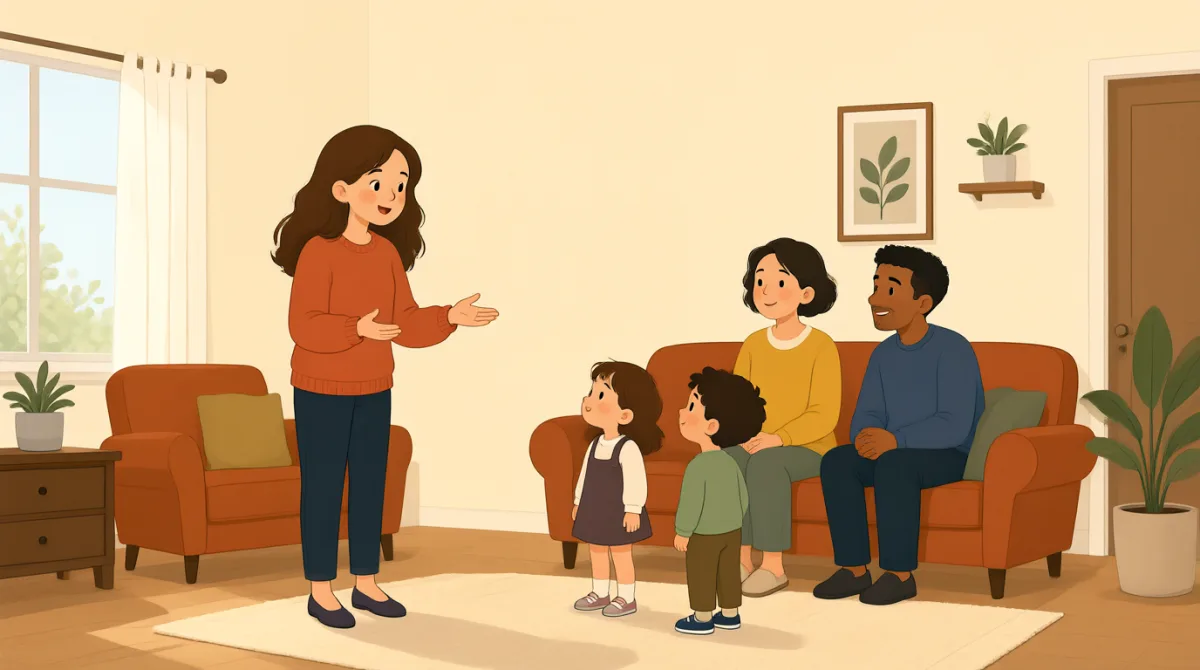

Thank you both for coming. Before we discuss schedules or expenses, I’d like to establish a few ground rules so this conversation stays constructive and focused.
두 분 모두 와 주셔서 감사합니다. 일정이나 비용에 관해 이야기하기 전에, 대화가 건설적이고 핵심에 집중될 수 있도록 몇 가지 기본 원칙을 정하고 싶습니다.

That sounds reasonable. I’ll admit I’m worried we’ll end up revisiting the separation itself, but I’m willing to try to keep this about the children.
그게 합리적인 것 같아요. 솔직히 별거 문제를 다시 꺼내게 될까 봐 걱정되지만, 아이들에 관한 이야기로 이어 가도록 노력해 볼게요.

I agree in principle. I just don’t want “keeping it about the children” to mean that my concerns get dismissed whenever they’re inconvenient.
원칙적으로는 동의해요. 다만 ‘아이들에 관한 이야기’라는 말이 제 걱정이 불편하다는 이유로 묵살된다는 뜻은 아니었으면 해요.
That’s a fair concern, Jack. Each of you will have time to explain what matters to you. I’ll ask that you speak one at a time, without interrupting.
그건 충분히 이해할 만한 걱정이에요, 잭. 두 분 모두 각자 중요하게 생각하는 점을 설명할 시간이 있을 거예요. 한 번에 한 분씩 말씀하시고, 상대방의 말을 끊지 말아 주세요.
I can do that. I may need a moment if the conversation gets difficult, though. I don’t want a pause to be mistaken for refusing to cooperate.
그렇게 할 수 있어요. 다만 대화가 힘들어지면 잠시 시간이 필요할 수도 있어요. 잠깐 멈추는 걸 협조를 거부하는 것으로 오해하지 않으셨으면 해요.
Of course. You can ask for a brief pause, and we’ll make sure both of you have a chance to finish your thoughts. Respectful disagreement is welcome; personal attacks are not.
물론이죠. 잠시 멈추고 싶다고 말씀하셔도 되고, 두 분 모두 생각을 끝까지 말씀하실 수 있도록 하겠습니다. 서로 존중하며 의견이 다른 건 괜찮지만, 인신공격은 안 됩니다.
Understood. I’ll try to describe what I need without turning it into a list of everything Grace has done wrong. That hasn’t helped us before.
알겠어요. 그레이스가 잘못한 일을 전부 늘어놓는 대신, 제가 필요한 점을 설명하도록 노력할게요. 예전에는 그렇게 해도 도움이 되지 않았으니까요.
And I’ll try to hear the concern beneath the frustration. I’d also like us to avoid making assumptions about each other’s motives.
저도 불만 속에 담긴 걱정을 들으려고 노력할게요. 서로의 의도를 함부로 짐작하지 않았으면 해요.
That’s a useful commitment from both of you. Our purpose here isn’t to determine who was right in the separation; it’s to develop an agreement you can both follow.
두 분 모두 좋은 약속을 해 주셨네요. 여기서의 목적은 별거 과정에서 누가 옳았는지 가리는 게 아니라, 두 분 모두 지킬 수 있는 합의를 만드는 거예요.
I can work with that, as long as the agreement is practical. The children shouldn’t have to manage our conflict or carry messages between us.
합의가 현실적이기만 하다면 저도 그렇게 할 수 있어요. 아이들이 우리 갈등을 해결하거나 우리 사이에서 말을 전하는 역할을 해서는 안 돼요.
Agreed. Their routines and sense of security need to come first, even when that means either of us has to adjust an expectation.
동의해요. 그러려면 둘 중 한 사람이 기대를 조정해야 하더라도 아이들의 일상과 안정감을 우선해야 해요.
Good. If either of you feels the discussion drifting toward blame, we can pause and return to the question: what arrangement would best support the children?
좋습니다. 대화가 서로를 탓하는 쪽으로 흐른다고 느끼시면 잠시 멈추고 이 질문으로 돌아오면 돼요. 아이들에게 가장 도움이 되는 방식은 무엇일까요?
어휘7
- establish a few ground rules몇 가지 기본 원칙을 정하다
To agree on basic guidelines before starting a discussion. Here, it means setting expectations for how the mediation will work.
대화를 시작하기 전에 기본 지침을 정하는 거예요. 여기서는 조정을 어떤 방식으로 진행할지 서로 기대하는 바를 정한다는 뜻이에요.
- constructive and focused건설적이고 핵심에 집중하는
A constructive conversation aims to solve problems, while a focused one stays on the main topic. The phrase helps describe the kind of discussion participants want.
건설적인 대화는 문제 해결을 목표로 하고, 핵심에 집중하는 대화는 주요 주제에서 벗어나지 않아요. 이 표현은 대화에 참여하는 사람들이 원하는 대화 방식을 설명할 때 유용해요.
- in principle원칙적으로는
This means agreeing with an idea generally, though there may still be concerns about how it works in practice.
대체로 어떤 생각에 동의하지만, 실제로 어떻게 진행될지에는 여전히 걱정이 있을 수 있다는 뜻이에요.
- dismissed묵살된
To dismiss someone’s concerns is to treat them as unimportant or not worth considering. Jack worries that keeping the discussion child-focused could be used this way.
누군가의 걱정을 묵살한다는 건 그 걱정을 중요하지 않거나 고려할 가치가 없는 것처럼 대하는 거예요. 잭은 대화를 아이들 중심으로 하자는 말이 그런 식으로 이용될까 봐 걱정하고 있어요.
- Respectful disagreement is welcome; personal attacks are not.서로 존중하며 의견이 다른 건 괜찮지만, 인신공격은 안 됩니다.
This sets a boundary while allowing people to express different opinions. You can reuse the contrast to make clear what behavior is acceptable in a discussion.
이 표현은 서로 다른 의견을 말할 수 있도록 하면서도 지켜야 할 선을 정해 줘요. 대화에서 어떤 행동은 괜찮고 어떤 행동은 안 되는지 분명히 할 때 이 대조 표현을 활용할 수 있어요.
- the concern beneath the frustration불만 속에 담긴 걱정
This refers to the underlying need or worry that may be expressed through anger. The phrase encourages listening for meaning rather than reacting only to someone’s tone.
화난 말투로 표현될 수 있는 근본적인 필요나 걱정을 뜻해요. 이 표현은 상대방의 말투에만 반응하기보다, 그 말에 담긴 뜻을 들으라고 권해요.
- drifting toward blame서로를 탓하는 쪽으로 흐르다
This describes a conversation gradually shifting into accusations about who is at fault. It can be used to suggest returning to the main issue before the discussion becomes unproductive.
대화가 점점 누구에게 잘못이 있는지 따지는 방향으로 바뀌는 것을 말해요. 대화가 생산적이지 않게 되기 전에 중심 주제로 돌아가자고 제안할 때 쓸 수 있어요.
핵심 문장8
- 1
Before we discuss schedules or expenses, I’d like to establish a few ground rules so this conversation stays constructive and focused.
일정이나 비용에 관해 이야기하기 전에, 대화가 건설적이고 핵심에 집중될 수 있도록 몇 가지 기본 원칙을 정하고 싶습니다.
This politely sets the agenda and explains why guidelines are needed. Reuse the structure “Before we discuss X, I’d like to…” to introduce a process or priority.
이 문장은 대화의 순서를 정중하게 제시하고, 왜 기본 원칙이 필요한지 설명해요. “Before we discuss X, I’d like to…”라는 구조를 활용하면 절차나 우선순위를 소개할 수 있어요.
- 2
Each of you will have time to explain what matters to you.
두 분 모두 각자 중요하게 생각하는 점을 설명할 시간이 있을 거예요.
This reassures people that they will have a fair opportunity to speak. It is useful in meetings where participants may worry their concerns will be overlooked.
이 문장은 모두에게 공평하게 말할 기회가 있다고 안심시켜 줘요. 자신의 걱정이 간과될까 봐 염려하는 사람들이 있을 수 있는 회의에서 유용해요.
- 3
I may need a moment if the conversation gets difficult, though.
다만 대화가 힘들어지면 잠시 시간이 필요할 수도 있어요.
This is a tactful way to ask for understanding if you need time to collect your thoughts. You can use “I may need a moment if…” to prepare others for a possible pause.
생각을 가다듬을 시간이 필요할 때 이해를 구하는 정중한 표현이에요. “I may need a moment if…”를 사용하면 잠시 멈춰야 할 수도 있다는 점을 상대에게 미리 알릴 수 있어요.
- 4
Respectful disagreement is welcome; personal attacks are not.
서로 존중하며 의견이 다른 건 괜찮지만, 인신공격은 안 됩니다.
This sentence distinguishes between acceptable disagreement and unacceptable behavior. It can help establish clear boundaries in sensitive conversations.
이 문장은 받아들일 수 있는 의견 차이와 용납할 수 없는 행동을 구분해요. 민감한 대화에서 명확한 경계를 세우는 데 도움이 돼요.
- 5
Our purpose here isn’t to determine who was right in the separation; it’s to develop an agreement you can both follow.
여기서의 목적은 별거 과정에서 누가 옳았는지 가리는 게 아니라, 두 분 모두 지킬 수 있는 합의를 만드는 거예요.
This redirects attention from past conflict to a practical shared goal. The pattern “Our purpose isn’t to X; it’s to Y” is useful for reframing discussions.
이 문장은 과거의 갈등에서 벗어나 현실적이고 공동의 목표에 집중하도록 대화의 방향을 돌려요. “Our purpose isn’t to X; it’s to Y”라는 구조는 대화의 틀을 새롭게 잡을 때 유용해요.
- 6
The children shouldn’t have to manage our conflict or carry messages between us.
아이들이 우리 갈등을 해결하거나 우리 사이에서 말을 전하는 역할을 해서는 안 돼요.
This clearly explains why children should not be placed in the middle of adult disagreements. The sentence can be adapted to name responsibilities that should not be given to others.
이 문장은 어른들의 갈등에 아이들을 끌어들여서는 안 되는 이유를 분명히 설명해요. 다른 사람에게 맡겨서는 안 될 역할이나 책임을 말하도록 문장을 응용할 수 있어요.
- 7
Their routines and sense of security need to come first, even when that means either of us has to adjust an expectation.
그러려면 둘 중 한 사람이 기대를 조정해야 하더라도 아이들의 일상과 안정감을 우선해야 해요.
This states a priority while acknowledging that both parents may need to compromise. Reuse “X needs to come first, even when…” to emphasize a principle and its practical consequences.
이 문장은 우선순위를 밝히면서 두 부모 모두 양보해야 할 수도 있다는 점을 인정해요. “X needs to come first, even when…”을 활용하면 중요한 원칙과 그에 따르는 현실적인 결과를 강조할 수 있어요.
- 8
If either of you feels the discussion drifting toward blame, we can pause and return to the question: what arrangement would best support the children?
대화가 서로를 탓하는 쪽으로 흐른다고 느끼시면 잠시 멈추고 이 질문으로 돌아오면 돼요. 아이들에게 가장 도움이 되는 방식은 무엇일까요?
This offers a practical way to interrupt an unproductive pattern and refocus the conversation. The structure “If you feel the discussion drifting toward X, we can…” is useful for suggesting a calm reset.
이 문장은 생산적이지 않은 대화의 흐름을 멈추고 다시 초점을 맞출 실용적인 방법을 제안해요. “If you feel the discussion drifting toward X, we can…”이라는 구조는 차분히 대화를 새로 시작하자고 제안할 때 유용해요.