Setting Ground Rules for Mediation
मध्यस्थता के लिए बुनियादी नियम तय करना
Mediator Mia establishes a respectful process, asking both parents to speak without interruption and keep the children’s needs at the center. She clarifies that the goal is a workable agreement, not deciding who was right in the separation.
मध्यस्थ मीआ दोनों माता-पिता से बिना टोके बारी-बारी से बोलने और बच्चों की ज़रूरतों को प्राथमिकता देने के लिए कहकर बातचीत की एक सम्मानजनक प्रक्रिया तय करती हैं। वह स्पष्ट करती हैं कि लक्ष्य ऐसा समझौता करना है जिस पर अमल किया जा सके, न कि यह तय करना कि अलगाव में कौन सही था।
संवाद12
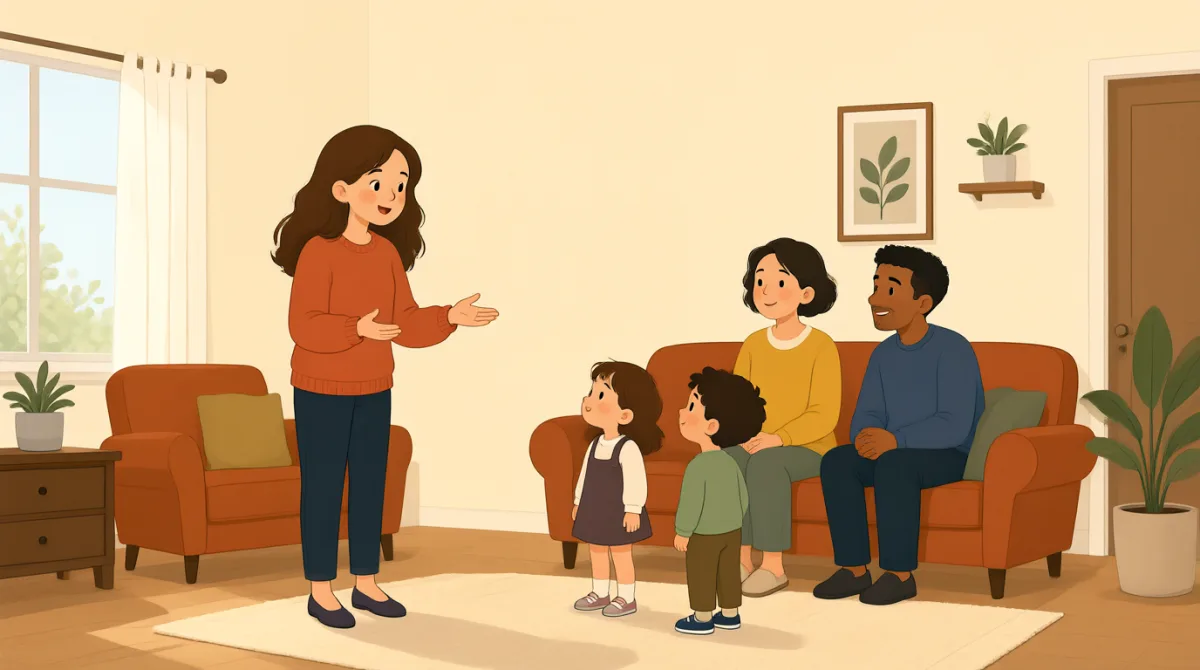

Thank you both for coming. Before we discuss schedules or expenses, I’d like to establish a few ground rules so this conversation stays constructive and focused.
आप दोनों के आने के लिए धन्यवाद। समय-सारणी या खर्चों पर चर्चा करने से पहले, मैं कुछ बुनियादी नियम तय करना चाहूँगी, ताकि यह बातचीत रचनात्मक और मुद्दे पर केंद्रित रहे।

That sounds reasonable. I’ll admit I’m worried we’ll end up revisiting the separation itself, but I’m willing to try to keep this about the children.
यह ठीक लगता है। सच कहूँ तो मुझे चिंता है कि हम फिर से अलगाव की बातों पर लौट आएँगे, लेकिन मैं कोशिश करने को तैयार हूँ कि बातचीत बच्चों के बारे में ही रहे।

I agree in principle. I just don’t want “keeping it about the children” to mean that my concerns get dismissed whenever they’re inconvenient.
सिद्धांत रूप में मैं सहमत हूँ। बस मैं नहीं चाहता कि “बातचीत बच्चों के बारे में ही रहे” का मतलब यह हो कि मेरी चिंताओं को जब भी असुविधाजनक लगे, नज़रअंदाज़ कर दिया जाए।
That’s a fair concern, Jack. Each of you will have time to explain what matters to you. I’ll ask that you speak one at a time, without interrupting.
यह वाजिब चिंता है, जैक। आप दोनों को यह बताने का समय मिलेगा कि आपके लिए क्या मायने रखता है। मैं चाहूँगी कि आप एक बार में एक ही बोलें और बीच में किसी को न टोकें।
I can do that. I may need a moment if the conversation gets difficult, though. I don’t want a pause to be mistaken for refusing to cooperate.
मैं ऐसा कर सकती हूँ। हालाँकि, अगर बातचीत मुश्किल हो जाए तो मुझे थोड़ा समय चाहिए हो सकता है। मैं नहीं चाहती कि मेरे चुप होने को सहयोग करने से इनकार समझा जाए।
Of course. You can ask for a brief pause, and we’ll make sure both of you have a chance to finish your thoughts. Respectful disagreement is welcome; personal attacks are not.
बिल्कुल। आप थोड़ी देर रुकने के लिए कह सकती हैं, और हम सुनिश्चित करेंगे कि आप दोनों को अपनी बात पूरी करने का मौका मिले। सम्मानजनक असहमति का स्वागत है; व्यक्तिगत हमले नहीं।
Understood. I’ll try to describe what I need without turning it into a list of everything Grace has done wrong. That hasn’t helped us before.
समझ गया। मैं अपनी ज़रूरतों के बारे में बताने की कोशिश करूँगा, न कि ग्रेस ने क्या-क्या गलत किया है, उसकी पूरी सूची बनाने लगूँगा। पहले इससे हमें कोई मदद नहीं मिली।
And I’ll try to hear the concern beneath the frustration. I’d also like us to avoid making assumptions about each other’s motives.
और मैं झुंझलाहट के पीछे की चिंता को समझने की कोशिश करूँगी। मैं यह भी चाहूँगी कि हम एक-दूसरे के इरादों के बारे में अनुमान लगाने से बचें।
That’s a useful commitment from both of you. Our purpose here isn’t to determine who was right in the separation; it’s to develop an agreement you can both follow.
आप दोनों की यह प्रतिबद्धता बहुत उपयोगी है। यहाँ हमारा मकसद यह तय करना नहीं है कि अलगाव में कौन सही था; मकसद ऐसा समझौता करना है जिसका पालन आप दोनों कर सकें।
I can work with that, as long as the agreement is practical. The children shouldn’t have to manage our conflict or carry messages between us.
मैं इस पर काम कर सकता हूँ, बशर्ते समझौता व्यावहारिक हो। बच्चों को हमारे झगड़े सँभालने या हमारे बीच संदेश पहुँचाने की ज़िम्मेदारी नहीं उठानी चाहिए।
Agreed. Their routines and sense of security need to come first, even when that means either of us has to adjust an expectation.
सहमत हूँ। उनकी दिनचर्या और सुरक्षा का एहसास सबसे पहले आना चाहिए, भले ही इसके लिए हममें से किसी को अपनी अपेक्षा बदलनी पड़े।
Good. If either of you feels the discussion drifting toward blame, we can pause and return to the question: what arrangement would best support the children?
अच्छा। अगर आप दोनों में से किसी को लगे कि बातचीत आरोप लगाने की ओर बढ़ रही है, तो हम रुककर इस सवाल पर लौट सकते हैं: बच्चों को सबसे अच्छा सहारा देने वाली व्यवस्था क्या होगी?
शब्दावली7
- establish a few ground rulesकुछ बुनियादी नियम तय करना
To agree on basic guidelines before starting a discussion. Here, it means setting expectations for how the mediation will work.
चर्चा शुरू करने से पहले बुनियादी दिशानिर्देशों पर सहमत होना। यहाँ इसका मतलब है यह तय करना कि मध्यस्थता की प्रक्रिया कैसे चलेगी।
- constructive and focusedरचनात्मक और मुद्दे पर केंद्रित
A constructive conversation aims to solve problems, while a focused one stays on the main topic. The phrase helps describe the kind of discussion participants want.
रचनात्मक बातचीत समस्याएँ सुलझाने की कोशिश करती है, जबकि मुद्दे पर केंद्रित बातचीत मुख्य विषय से नहीं भटकती। इस वाक्यांश से बताया जाता है कि लोग किस तरह की चर्चा चाहते हैं।
- in principleसिद्धांत रूप में
This means agreeing with an idea generally, though there may still be concerns about how it works in practice.
इसका मतलब है किसी विचार से आम तौर पर सहमत होना, हालाँकि इस बात को लेकर चिंता हो सकती है कि वह व्यवहार में कैसे काम करेगा।
- dismissedनज़रअंदाज़ किया गया
To dismiss someone’s concerns is to treat them as unimportant or not worth considering. Jack worries that keeping the discussion child-focused could be used this way.
किसी की चिंताओं को नज़रअंदाज़ करने का मतलब है उन्हें महत्वहीन या विचार करने लायक न समझना। जैक को चिंता है कि बातचीत को बच्चों पर केंद्रित रखने की बात का इस्तेमाल इसी तरह किया जा सकता है।
- Respectful disagreement is welcome; personal attacks are not.सम्मानजनक असहमति का स्वागत है; व्यक्तिगत हमले नहीं।
This sets a boundary while allowing people to express different opinions. You can reuse the contrast to make clear what behavior is acceptable in a discussion.
यह अलग-अलग राय व्यक्त करने की गुंजाइश देते हुए एक सीमा तय करता है। चर्चा में कौन-सा व्यवहार स्वीकार्य है, यह स्पष्ट करने के लिए आप इस तरह का विरोधाभास फिर से इस्तेमाल कर सकते हैं।
- the concern beneath the frustrationझुंझलाहट के पीछे की चिंता
This refers to the underlying need or worry that may be expressed through anger. The phrase encourages listening for meaning rather than reacting only to someone’s tone.
इसका मतलब है वह मूल ज़रूरत या चिंता जो गुस्से के रूप में व्यक्त हो सकती है। यह वाक्यांश सामने वाले के लहजे पर ही प्रतिक्रिया देने के बजाय उसकी बात का अर्थ समझकर सुनने को प्रोत्साहित करता है।
- drifting toward blameआरोप लगाने की ओर बढ़ना
This describes a conversation gradually shifting into accusations about who is at fault. It can be used to suggest returning to the main issue before the discussion becomes unproductive.
इससे ऐसी बातचीत का वर्णन होता है जो धीरे-धीरे इस आरोप में बदलने लगती है कि गलती किसकी है। चर्चा के बेकार होने से पहले मुख्य मुद्दे पर लौटने का सुझाव देने के लिए इसका इस्तेमाल किया जा सकता है।
मुख्य वाक्य8
- 1
Before we discuss schedules or expenses, I’d like to establish a few ground rules so this conversation stays constructive and focused.
समय-सारणी या खर्चों पर चर्चा करने से पहले, मैं कुछ बुनियादी नियम तय करना चाहूँगी, ताकि यह बातचीत रचनात्मक और मुद्दे पर केंद्रित रहे।
This politely sets the agenda and explains why guidelines are needed. Reuse the structure “Before we discuss X, I’d like to…” to introduce a process or priority.
यह विनम्रता से चर्चा का एजेंडा तय करता है और बताता है कि दिशानिर्देश क्यों ज़रूरी हैं। किसी प्रक्रिया या प्राथमिकता का परिचय देने के लिए “Before we discuss X, I’d like to…” की संरचना फिर से इस्तेमाल करें।
- 2
Each of you will have time to explain what matters to you.
आप दोनों को यह बताने का समय मिलेगा कि आपके लिए क्या मायने रखता है।
This reassures people that they will have a fair opportunity to speak. It is useful in meetings where participants may worry their concerns will be overlooked.
यह लोगों को भरोसा दिलाता है कि उन्हें अपनी बात रखने का उचित मौका मिलेगा। बैठकों में यह उपयोगी है, जहाँ लोगों को चिंता हो सकती है कि उनकी बातों पर ध्यान नहीं दिया जाएगा।
- 3
I may need a moment if the conversation gets difficult, though.
हालाँकि, अगर बातचीत मुश्किल हो जाए तो मुझे थोड़ा समय चाहिए हो सकता है।
This is a tactful way to ask for understanding if you need time to collect your thoughts. You can use “I may need a moment if…” to prepare others for a possible pause.
अगर आपको अपने विचार समेटने के लिए समय चाहिए, तो समझदारी से यह कहने का यह एक तरीका है। दूसरों को बता देने के लिए कि आपको शायद थोड़ी देर रुकना पड़े, “I may need a moment if…” का इस्तेमाल कर सकते हैं।
- 4
Respectful disagreement is welcome; personal attacks are not.
सम्मानजनक असहमति का स्वागत है; व्यक्तिगत हमले नहीं।
This sentence distinguishes between acceptable disagreement and unacceptable behavior. It can help establish clear boundaries in sensitive conversations.
यह वाक्य स्वीकार्य असहमति और अस्वीकार्य व्यवहार के बीच अंतर स्पष्ट करता है। संवेदनशील बातचीत में साफ़ सीमाएँ तय करने के लिए यह मददगार हो सकता है।
- 5
Our purpose here isn’t to determine who was right in the separation; it’s to develop an agreement you can both follow.
यहाँ हमारा मकसद यह तय करना नहीं है कि अलगाव में कौन सही था; मकसद ऐसा समझौता करना है जिसका पालन आप दोनों कर सकें।
This redirects attention from past conflict to a practical shared goal. The pattern “Our purpose isn’t to X; it’s to Y” is useful for reframing discussions.
यह ध्यान को बीते हुए झगड़े से हटाकर एक व्यावहारिक साझा लक्ष्य की ओर ले जाता है। चर्चा को नया रुख देने के लिए “Our purpose isn’t to X; it’s to Y” की संरचना उपयोगी है।
- 6
The children shouldn’t have to manage our conflict or carry messages between us.
बच्चों को हमारे झगड़े सँभालने या हमारे बीच संदेश पहुँचाने की ज़िम्मेदारी नहीं उठानी चाहिए।
This clearly explains why children should not be placed in the middle of adult disagreements. The sentence can be adapted to name responsibilities that should not be given to others.
यह साफ़ तौर पर बताता है कि बच्चों को बड़ों के मतभेदों के बीच क्यों नहीं डालना चाहिए। इस वाक्य को बदलकर उन ज़िम्मेदारियों का नाम बताया जा सकता है जो दूसरों पर नहीं डालनी चाहिए।
- 7
Their routines and sense of security need to come first, even when that means either of us has to adjust an expectation.
उनकी दिनचर्या और सुरक्षा का एहसास सबसे पहले आना चाहिए, भले ही इसके लिए हममें से किसी को अपनी अपेक्षा बदलनी पड़े।
This states a priority while acknowledging that both parents may need to compromise. Reuse “X needs to come first, even when…” to emphasize a principle and its practical consequences.
यह एक प्राथमिकता बताता है और साथ ही मानता है कि माता-पिता दोनों को समझौता करना पड़ सकता है। किसी सिद्धांत और उसके व्यावहारिक नतीजों पर ज़ोर देने के लिए “X needs to come first, even when…” का इस्तेमाल करें।
- 8
If either of you feels the discussion drifting toward blame, we can pause and return to the question: what arrangement would best support the children?
अगर आप दोनों में से किसी को लगे कि बातचीत आरोप लगाने की ओर बढ़ रही है, तो हम रुककर इस सवाल पर लौट सकते हैं: बच्चों को सबसे अच्छा सहारा देने वाली व्यवस्था क्या होगी?
This offers a practical way to interrupt an unproductive pattern and refocus the conversation. The structure “If you feel the discussion drifting toward X, we can…” is useful for suggesting a calm reset.
यह बातचीत के बेकार होते जा रहे ढर्रे को रोकने और उसे फिर से सही दिशा देने का व्यावहारिक तरीका बताता है। शांति से चर्चा को फिर से सही दिशा देने का सुझाव देने के लिए “If you feel the discussion drifting toward X, we can…” की संरचना उपयोगी है।