Setting Ground Rules for Mediation
وضع القواعد الأساسية للوساطة
Mediator Mia establishes a respectful process, asking both parents to speak without interruption and keep the children’s needs at the center. She clarifies that the goal is a workable agreement, not deciding who was right in the separation.
تضع الوسيطة ميا إطارًا يحترم فيه الجميع بعضهم بعضًا، وتطلب من الوالدين التحدث دون مقاطعة وإبقاء احتياجات الأطفال في صميم النقاش. وتوضح أن الهدف هو التوصل إلى اتفاق قابل للتطبيق، لا تحديد من كان على صواب عند الانفصال.
حوار12
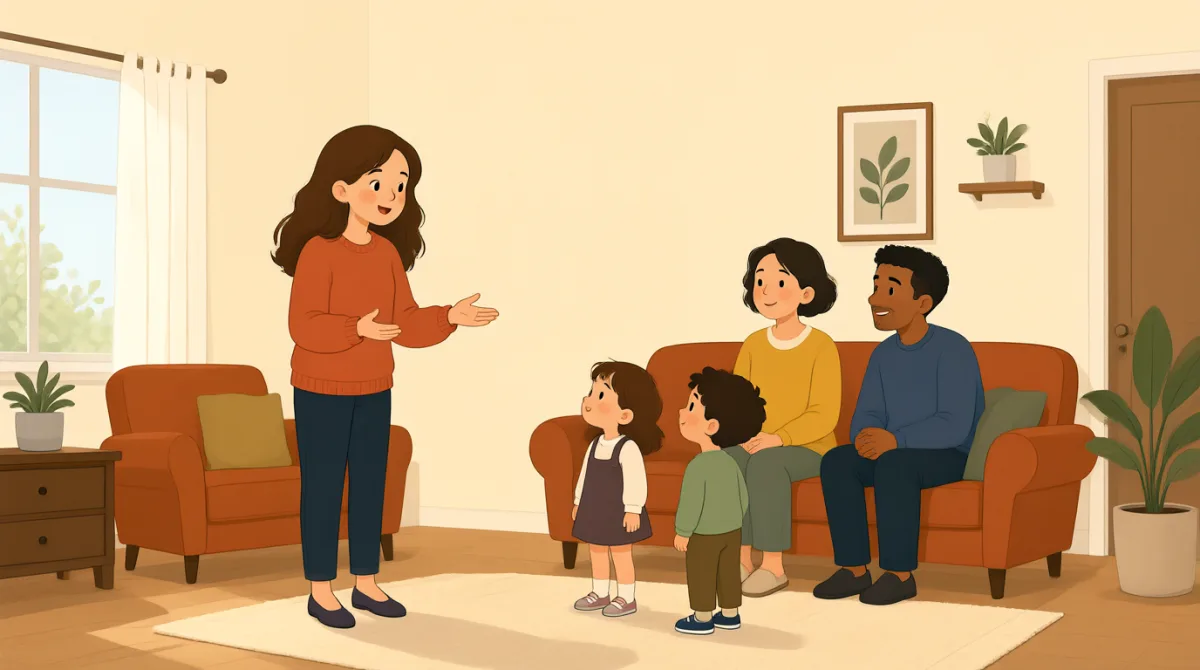

Thank you both for coming. Before we discuss schedules or expenses, I’d like to establish a few ground rules so this conversation stays constructive and focused.
شكرًا لكما على الحضور. قبل أن نناقش الجداول الزمنية أو النفقات، أود أن نتفق على بعض القواعد الأساسية حتى يظل هذا الحوار بنّاءً ومركّزًا.

That sounds reasonable. I’ll admit I’m worried we’ll end up revisiting the separation itself, but I’m willing to try to keep this about the children.
يبدو ذلك منطقيًا. أعترف بأنني قلقة من أن نعود إلى مناقشة الانفصال نفسه، لكنني مستعدة لمحاولة إبقاء الحديث منصبًا على الأطفال.

I agree in principle. I just don’t want “keeping it about the children” to mean that my concerns get dismissed whenever they’re inconvenient.
أتفق مع ذلك من حيث المبدأ. لكنني لا أريد أن يعني «إبقاء الحديث منصبًا على الأطفال» تجاهل مخاوفي كلما كانت غير ملائمة.
That’s a fair concern, Jack. Each of you will have time to explain what matters to you. I’ll ask that you speak one at a time, without interrupting.
هذا تخوف مشروع يا جاك. سيحظى كل منكما بوقت لشرح ما يهمه. سأطلب منكما التحدث بالتناوب دون مقاطعة.
I can do that. I may need a moment if the conversation gets difficult, though. I don’t want a pause to be mistaken for refusing to cooperate.
يمكنني فعل ذلك. لكن قد أحتاج إلى لحظة إذا أصبح الحوار صعبًا. لا أريد أن يُفهم التوقف على أنه رفض للتعاون.
Of course. You can ask for a brief pause, and we’ll make sure both of you have a chance to finish your thoughts. Respectful disagreement is welcome; personal attacks are not.
بالطبع. يمكنكما طلب استراحة قصيرة، وسنحرص على أن تتاح لكل منكما فرصة إكمال ما يريد قوله. الاختلاف باحترام مرحّب به، أما الهجمات الشخصية فغير مقبولة.
Understood. I’ll try to describe what I need without turning it into a list of everything Grace has done wrong. That hasn’t helped us before.
مفهوم. سأحاول أن أشرح ما أحتاج إليه من دون أن أحوّل الأمر إلى قائمة بكل ما فعلته غريس على نحو خاطئ. فهذا لم يساعدنا من قبل.
And I’ll try to hear the concern beneath the frustration. I’d also like us to avoid making assumptions about each other’s motives.
وسأحاول أن أفهم ما وراء الإحباط من مخاوف. وأود أيضًا أن نتجنب افتراض دوافع بعضنا بعضًا.
That’s a useful commitment from both of you. Our purpose here isn’t to determine who was right in the separation; it’s to develop an agreement you can both follow.
هذا التزام مفيد منكما. ليس هدفنا هنا تحديد من كان على صواب عند الانفصال، بل التوصل إلى اتفاق يستطيع كلاكما الالتزام به.
I can work with that, as long as the agreement is practical. The children shouldn’t have to manage our conflict or carry messages between us.
يمكنني قبول ذلك، ما دام الاتفاق عمليًا. ينبغي ألا يضطر الأطفال إلى التعامل مع خلافاتنا أو نقل الرسائل بيننا.
Agreed. Their routines and sense of security need to come first, even when that means either of us has to adjust an expectation.
أتفق معك. ينبغي أن تأتي عاداتهم اليومية وشعورهم بالأمان في المقام الأول، حتى لو اقتضى ذلك أن يراجع أيٌّ منا أحد توقعاته.
Good. If either of you feels the discussion drifting toward blame, we can pause and return to the question: what arrangement would best support the children?
جيد. إذا شعر أيٌّ منكما بأن النقاش بدأ ينحرف نحو تبادل اللوم، فيمكننا التوقف والعودة إلى السؤال: ما الترتيب الذي سيدعم الأطفال على أفضل وجه؟
المفردات7
- establish a few ground rulesالاتفاق على بعض القواعد الأساسية
To agree on basic guidelines before starting a discussion. Here, it means setting expectations for how the mediation will work.
أي الاتفاق على إرشادات أساسية قبل بدء النقاش. والمقصود هنا وضع توقعات لكيفية سير الوساطة.
- constructive and focusedبنّاء ومركّز
A constructive conversation aims to solve problems, while a focused one stays on the main topic. The phrase helps describe the kind of discussion participants want.
يهدف الحوار البنّاء إلى حل المشكلات، بينما يظل الحوار المركّز منصبًا على الموضوع الرئيسي. وتصف هذه العبارة نوع النقاش الذي يرغب المشاركون في إجرائه.
- in principleمن حيث المبدأ
This means agreeing with an idea generally, though there may still be concerns about how it works in practice.
تعني الموافقة على فكرة بوجه عام، مع احتمال استمرار وجود مخاوف بشأن تطبيقها عمليًا.
- dismissedتجاهَلَ / استهانَ بـ
To dismiss someone’s concerns is to treat them as unimportant or not worth considering. Jack worries that keeping the discussion child-focused could be used this way.
تجاهل مخاوف شخص يعني التعامل معها على أنها غير مهمة أو لا تستحق النظر فيها. ويخشى جاك أن يُستخدم التركيز على الأطفال ذريعةً لتجاهل مخاوفه.
- Respectful disagreement is welcome; personal attacks are not.الاختلاف باحترام مرحّب به، أما الهجمات الشخصية فغير مقبولة.
This sets a boundary while allowing people to express different opinions. You can reuse the contrast to make clear what behavior is acceptable in a discussion.
تضع هذه العبارة حدًا واضحًا مع السماح للناس بالتعبير عن آراء مختلفة. ويمكنك استخدام هذا التضاد لتوضيح السلوك المقبول في النقاش.
- the concern beneath the frustrationالمخاوف الكامنة وراء الإحباط
This refers to the underlying need or worry that may be expressed through anger. The phrase encourages listening for meaning rather than reacting only to someone’s tone.
تشير هذه العبارة إلى الحاجة أو القلق الأساسي الذي قد يعبّر عنه الشخص بغضب. وهي تشجع على الإصغاء إلى المعنى بدلًا من مجرد التفاعل مع نبرة الشخص.
- drifting toward blameالانحراف نحو تبادل اللوم
This describes a conversation gradually shifting into accusations about who is at fault. It can be used to suggest returning to the main issue before the discussion becomes unproductive.
تصف هذه العبارة تحوّل النقاش تدريجيًا إلى اتهامات بشأن الطرف المخطئ. ويمكن استخدامها للاقتراح بالعودة إلى المسألة الرئيسية قبل أن يصبح النقاش غير مثمر.
الجمل الأساسية8
- 1
Before we discuss schedules or expenses, I’d like to establish a few ground rules so this conversation stays constructive and focused.
قبل أن نناقش الجداول الزمنية أو النفقات، أود أن نتفق على بعض القواعد الأساسية حتى يظل هذا الحوار بنّاءً ومركّزًا.
This politely sets the agenda and explains why guidelines are needed. Reuse the structure “Before we discuss X, I’d like to…” to introduce a process or priority.
تحدد هذه الجملة جدول النقاش بأدب وتوضح سبب الحاجة إلى إرشادات. أعد استخدام التركيب “Before we discuss X, I’d like to…” لتقديم إجراء أو أولوية.
- 2
Each of you will have time to explain what matters to you.
سيحظى كل منكما بوقت لشرح ما يهمه.
This reassures people that they will have a fair opportunity to speak. It is useful in meetings where participants may worry their concerns will be overlooked.
تطمئن هذه الجملة المشاركين إلى أن لكل منهم فرصة عادلة للتحدث. وهي مفيدة في الاجتماعات التي قد يخشى فيها المشاركون ألا يُلتفت إلى مخاوفهم.
- 3
I may need a moment if the conversation gets difficult, though.
لكن قد أحتاج إلى لحظة إذا أصبح الحوار صعبًا.
This is a tactful way to ask for understanding if you need time to collect your thoughts. You can use “I may need a moment if…” to prepare others for a possible pause.
هذه طريقة لبقة لطلب التفهم إذا احتجت إلى وقت لترتيب أفكارك. يمكنك استخدام “I may need a moment if…” لتهيئة الآخرين لاحتمال التوقف قليلًا.
- 4
Respectful disagreement is welcome; personal attacks are not.
الاختلاف باحترام مرحّب به، أما الهجمات الشخصية فغير مقبولة.
This sentence distinguishes between acceptable disagreement and unacceptable behavior. It can help establish clear boundaries in sensitive conversations.
تميز هذه الجملة بين الاختلاف المقبول والسلوك غير المقبول. ويمكنها أن تساعد على وضع حدود واضحة في الحوارات الحساسة.
- 5
Our purpose here isn’t to determine who was right in the separation; it’s to develop an agreement you can both follow.
ليس هدفنا هنا تحديد من كان على صواب عند الانفصال، بل التوصل إلى اتفاق يستطيع كلاكما الالتزام به.
This redirects attention from past conflict to a practical shared goal. The pattern “Our purpose isn’t to X; it’s to Y” is useful for reframing discussions.
تحوّل هذه الجملة الانتباه من الخلافات الماضية إلى هدف عملي مشترك. ويفيد التركيب “Our purpose isn’t to X; it’s to Y” في إعادة توجيه النقاش.
- 6
The children shouldn’t have to manage our conflict or carry messages between us.
ينبغي ألا يضطر الأطفال إلى التعامل مع خلافاتنا أو نقل الرسائل بيننا.
This clearly explains why children should not be placed in the middle of adult disagreements. The sentence can be adapted to name responsibilities that should not be given to others.
توضح هذه الجملة بجلاء سبب عدم وضع الأطفال في قلب خلافات الكبار. ويمكنك تعديلها لتحديد مسؤوليات لا ينبغي إسنادها إلى الآخرين.
- 7
Their routines and sense of security need to come first, even when that means either of us has to adjust an expectation.
ينبغي أن تأتي عاداتهم اليومية وشعورهم بالأمان في المقام الأول، حتى لو اقتضى ذلك أن يراجع أيٌّ منا أحد توقعاته.
This states a priority while acknowledging that both parents may need to compromise. Reuse “X needs to come first, even when…” to emphasize a principle and its practical consequences.
توضح هذه الجملة أولويةً مع الإقرار بأن الوالدين قد يحتاجان إلى تقديم تنازلات. أعد استخدام “X needs to come first, even when…” للتأكيد على مبدأ وعواقبه العملية.
- 8
If either of you feels the discussion drifting toward blame, we can pause and return to the question: what arrangement would best support the children?
إذا شعر أيٌّ منكما بأن النقاش بدأ ينحرف نحو تبادل اللوم، فيمكننا التوقف والعودة إلى السؤال: ما الترتيب الذي سيدعم الأطفال على أفضل وجه؟
This offers a practical way to interrupt an unproductive pattern and refocus the conversation. The structure “If you feel the discussion drifting toward X, we can…” is useful for suggesting a calm reset.
تقترح هذه الجملة طريقة عملية لإيقاف مسار غير مثمر وإعادة التركيز إلى الحوار. ويفيد التركيب “If you feel the discussion drifting toward X, we can…” في اقتراح استعادة الهدوء وإعادة توجيه النقاش.