Identifying Emergency Exits
การหาทางออกฉุกเฉิน
Someone at a new location (e.g., a building, a mall) is looking for and asking about the location of emergency exits and safety procedures.
มีคนอยู่ในสถานที่แห่งใหม่ เช่น อาคารหรือห้างสรรพสินค้า กำลังมองหาและสอบถามตำแหน่งทางออกฉุกเฉินกับขั้นตอนด้านความปลอดภัย
บทสนทนา8
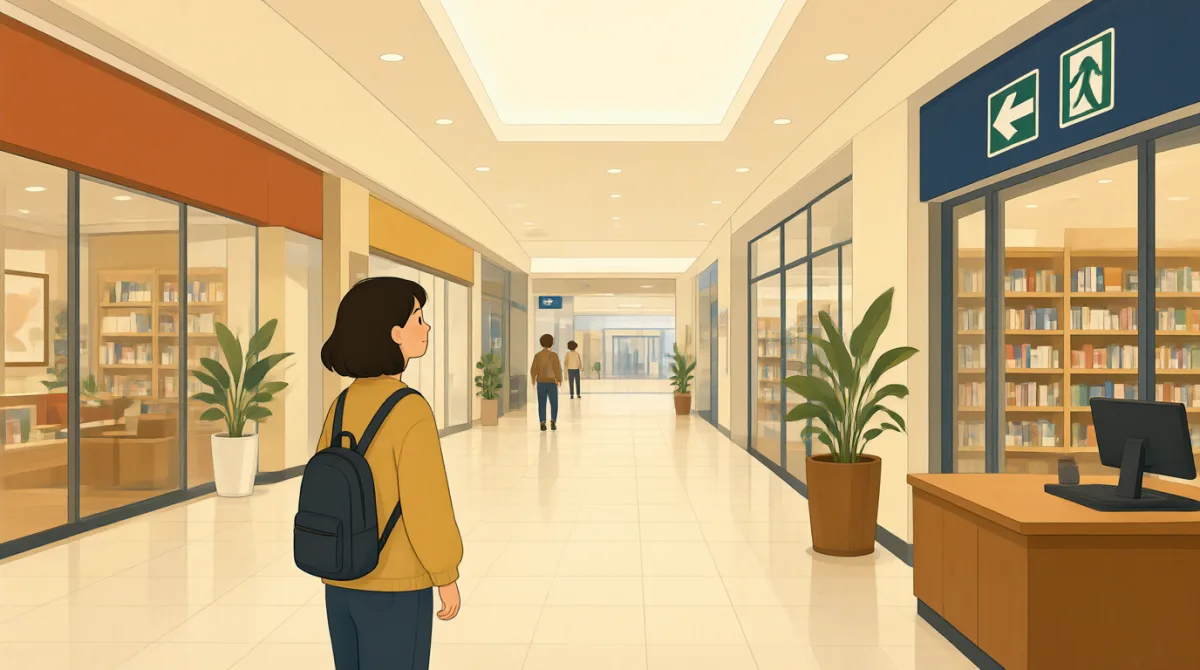

Excuse me, I'm new to this building. Could you point me towards the nearest emergency exit?
ขอโทษนะครับ ผมเพิ่งมาที่อาคารนี้ ช่วยบอกทางไปทางออกฉุกเฉินที่ใกล้ที่สุดได้ไหมครับ

Certainly! If you go straight down this hallway and turn right, you'll see a green 'EXIT' sign. That's one of them.
ได้เลยค่ะ เดินตรงไปตามโถงทางเดินนี้แล้วเลี้ยวขวา ก็จะเห็นป้ายสีเขียวที่เขียนว่า 'EXIT' ค่ะ ทางออกอยู่ตรงนั้นทางหนึ่ง
Thanks! And are there any other emergency exits on this floor, just in case?
ขอบคุณครับ แล้วชั้นนี้มีทางออกฉุกเฉินอื่นอีกไหมครับ เผื่อไว้
Yes, there's another one at the far end of the building, near the main staircase. All exits are clearly marked.
มีค่ะ อีกทางอยู่สุดอาคารฝั่งโน้น ใกล้บันไดหลัก ทางออกทุกทางมีป้ายบอกไว้อย่างชัดเจนค่ะ
Good to know. Are there any specific safety procedures I should be aware of, like evacuation routes or muster points?
ดีเลยครับ มีขั้นตอนด้านความปลอดภัยอะไรที่ผมควรรู้ไว้เป็นพิเศษไหมครับ เช่น เส้นทางอพยพหรือจุดรวมพล
Absolutely. There's a safety information board by the main elevator bank on each floor. It shows the evacuation routes and the primary muster point in the parking lot.
มีค่ะ ทุกชั้นจะมีบอร์ดข้อมูลความปลอดภัยอยู่ข้างกลุ่มลิฟต์หลัก บอร์ดจะแสดงเส้นทางอพยพและจุดรวมพลหลักในลานจอดรถค่ะ
Perfect. I'll check that out. Thanks for your help!
เยี่ยมเลยครับ เดี๋ยวผมไปดู ขอบคุณที่ช่วยนะครับ
You're welcome! Stay safe.
ยินดีค่ะ ดูแลตัวเองให้ปลอดภัยนะคะ
คำศัพท์7
- emergency exitทางออกฉุกเฉิน
A special door or path used to leave a building quickly and safely during an emergency like a fire. It's important to know where these are in public places.
ประตูหรือทางพิเศษที่ใช้หนีออกจากอาคารอย่างรวดเร็วและปลอดภัยเมื่อเกิดเหตุฉุกเฉิน เช่น ไฟไหม้ ในสถานที่สาธารณะควรรู้ว่าทางออกเหล่านี้อยู่ตรงไหนค่ะ
- hallwayโถงทางเดิน
A long, narrow passage inside a building that connects rooms or areas. Use this word when giving or asking for directions indoors.
ทางเดินยาวและแคบภายในอาคารที่เชื่อมห้องหรือพื้นที่ต่าง ๆ ใช้คำนี้เวลาบอกหรือถามทางภายในอาคารค่ะ
- evacuation routesเส้นทางอพยพ
The planned paths people follow to leave a building safely during an emergency. These are often shown on maps or signs for quick escape.
เส้นทางที่วางแผนไว้ให้ผู้คนใช้เดินออกจากอาคารอย่างปลอดภัยเมื่อเกิดเหตุฉุกเฉิน มักแสดงไว้บนแผนที่หรือป้ายเพื่อให้หนีออกมาได้อย่างรวดเร็วค่ะ
- muster pointจุดรวมพล
A safe gathering spot outside a building where people go after evacuating. It's where officials check if everyone is safe.
จุดนัดรวมตัวที่ปลอดภัยนอกอาคาร ซึ่งผู้คนจะไปหลังอพยพออกมา เจ้าหน้าที่จะตรวจสอบที่จุดนี้ว่าทุกคนปลอดภัยหรือไม่ค่ะ
- just in caseเผื่อไว้
A phrase meaning 'to be prepared for a possible problem.' It's useful for asking extra information to feel more secure.
วลีที่หมายถึง “เตรียมพร้อมไว้เผื่อเกิดปัญหาขึ้น” ใช้ถามข้อมูลเพิ่มเติมเพื่อให้รู้สึกมั่นใจและปลอดภัยขึ้นได้ค่ะ
- clearly markedมีป้ายบอกไว้อย่างชัดเจน
Something that is easy to see and understand, like signs with bright colors or big letters. In safety contexts, it means exits are easy to find.
ใช้พูดถึงสิ่งที่มองเห็นและเข้าใจได้ง่าย เช่น ป้ายที่ใช้สีเด่นหรือตัวอักษรขนาดใหญ่ ในบริบทด้านความปลอดภัยหมายถึงหาทางออกได้ง่ายค่ะ
- stay safeดูแลตัวเองให้ปลอดภัย
A friendly way to say 'be careful and protect yourself.' It's a common goodbye in safety-related conversations.
เป็นคำพูดเป็นมิตรที่หมายถึง “ระมัดระวังและปกป้องตัวเอง” มักใช้กล่าวลาในการสนทนาเกี่ยวกับความปลอดภัยค่ะ
ประโยคสำคัญ6
- 1
Excuse me, I'm new to this building. Could you point me towards the nearest emergency exit?
ขอโทษนะครับ ผมเพิ่งมาที่อาคารนี้ ช่วยบอกทางไปทางออกฉุกเฉินที่ใกล้ที่สุดได้ไหมครับ
This is a polite way to ask for directions in an unfamiliar place. 'Excuse me' gets attention, 'I'm new to' explains your situation, and 'point me towards' means show the direction. Use it when you're lost and need safety info.
ประโยคนี้ใช้ถามทางอย่างสุภาพเมื่ออยู่ในสถานที่ที่ไม่คุ้นเคย 'Excuse me' ใช้เรียกความสนใจ ส่วน 'I'm new to' ใช้อธิบายสถานการณ์ของคุณ และ 'point me towards' หมายถึงบอกทิศทาง ใช้ได้เมื่อคุณหลงทางและต้องการสอบถามข้อมูลด้านความปลอดภัยค่ะ
- 2
If you go straight down this hallway and turn right, you'll see a green 'EXIT' sign.
ถ้าเดินตรงไปตามโถงทางเดินนี้แล้วเลี้ยวขวา ก็จะเห็นป้ายสีเขียวที่เขียนว่า 'EXIT'
This gives clear step-by-step directions. 'Go straight down' and 'turn right' are common directional phrases; 'you'll see' predicts what happens next. It's useful for helping others find locations.
ประโยคนี้บอกทางเป็นขั้นตอนชัดเจน 'Go straight down' และ 'turn right' เป็นวลีบอกทิศทางที่ใช้กันทั่วไป ส่วน 'you'll see' ใช้บอกสิ่งที่คาดว่าจะเห็นต่อไป มีประโยชน์เวลาช่วยคนอื่นหาสถานที่ค่ะ
- 3
And are there any other emergency exits on this floor, just in case?
แล้วชั้นนี้มีทางออกฉุกเฉินอื่นอีกไหมครับ เผื่อไว้
This follows up for more details using 'just in case' for precaution. The question structure with 'are there any other' asks about alternatives. Use it to ensure you have backup plans in emergencies.
ประโยคนี้ถามข้อมูลเพิ่มเติมโดยใช้ 'just in case' เพื่อแสดงว่าถามไว้เป็นการป้องกัน โครงสร้างคำถาม 'are there any other' ใช้ถามว่ามีทางเลือกอื่นไหม ใช้ได้เมื่อต้องการเตรียมแผนสำรองสำหรับกรณีฉุกเฉินค่ะ
- 4
Are there any specific safety procedures I should be aware of, like evacuation routes or muster points?
มีขั้นตอนด้านความปลอดภัยอะไรที่ผมควรรู้ไว้เป็นพิเศษไหมครับ เช่น เส้นทางอพยพหรือจุดรวมพล
This asks about important rules using 'be aware of' meaning 'know about.' 'Like' introduces examples. It's practical for learning safety in new places; the grammar is a yes/no question with specifics.
ประโยคนี้ใช้ถามเกี่ยวกับกฎสำคัญ โดย 'be aware of' หมายถึง “รู้เกี่ยวกับ” และ 'like' ใช้ยกตัวอย่าง ประโยคนี้เหมาะสำหรับสอบถามเรื่องความปลอดภัยในสถานที่ใหม่ โดยมีโครงสร้างเป็นคำถามที่ตอบได้ว่าใช่หรือไม่ พร้อมระบุรายละเอียดที่ต้องการทราบค่ะ
- 5
There's a safety information board by the main elevator bank on each floor.
ทุกชั้นจะมีบอร์ดข้อมูลความปลอดภัยอยู่ข้างกลุ่มลิฟต์หลักค่ะ
This describes where to find info using 'by' for location and 'on each floor' for repetition. It's helpful for pointing out resources; use it to guide someone to visual aids like maps.
ประโยคนี้บอกตำแหน่งของข้อมูล โดยใช้ 'by' เพื่อบอกว่าอยู่ใกล้ ๆ และ 'on each floor' เพื่อบอกว่ามีอยู่ทุกชั้น ใช้บอกให้คนอื่นรู้ว่าจะหาข้อมูลได้ที่ไหน เช่น แผนที่หรือสื่อภาพต่าง ๆ ค่ะ
- 6
You're welcome! Stay safe.
ยินดีค่ะ ดูแลตัวเองให้ปลอดภัยนะคะ
A polite response to thanks, followed by a safety wish. 'You're welcome' is standard after help; 'stay safe' adds care. Use this to end conversations positively in safety topics.
เป็นคำตอบอย่างสุภาพเมื่อมีคนขอบคุณ แล้วตามด้วยคำอวยพรให้ปลอดภัย 'You're welcome' เป็นคำตอบทั่วไปหลังจากช่วยเหลือใครสักคน ส่วน 'stay safe' แสดงความห่วงใย ใช้ปิดบทสนทนาเกี่ยวกับความปลอดภัยอย่างเป็นมิตรได้ค่ะ