Reporting a Minor Incident (e.g., small accident)
การรายงานเหตุการณ์เล็กน้อย (เช่น อุบัติเหตุเล็ก ๆ น้อย ๆ)
Witnessing or being involved in a very minor incident, like a tripped and fallen person with no serious injury, and needing to report it or ask if help is needed.
พบเห็นหรือเกี่ยวข้องกับเหตุการณ์เล็กน้อยมาก เช่น มีคนสะดุดล้มโดยไม่ได้รับบาดเจ็บร้ายแรง และต้องรายงานเหตุการณ์หรือถามว่าต้องการความช่วยเหลือหรือไม่
บทสนทนา6
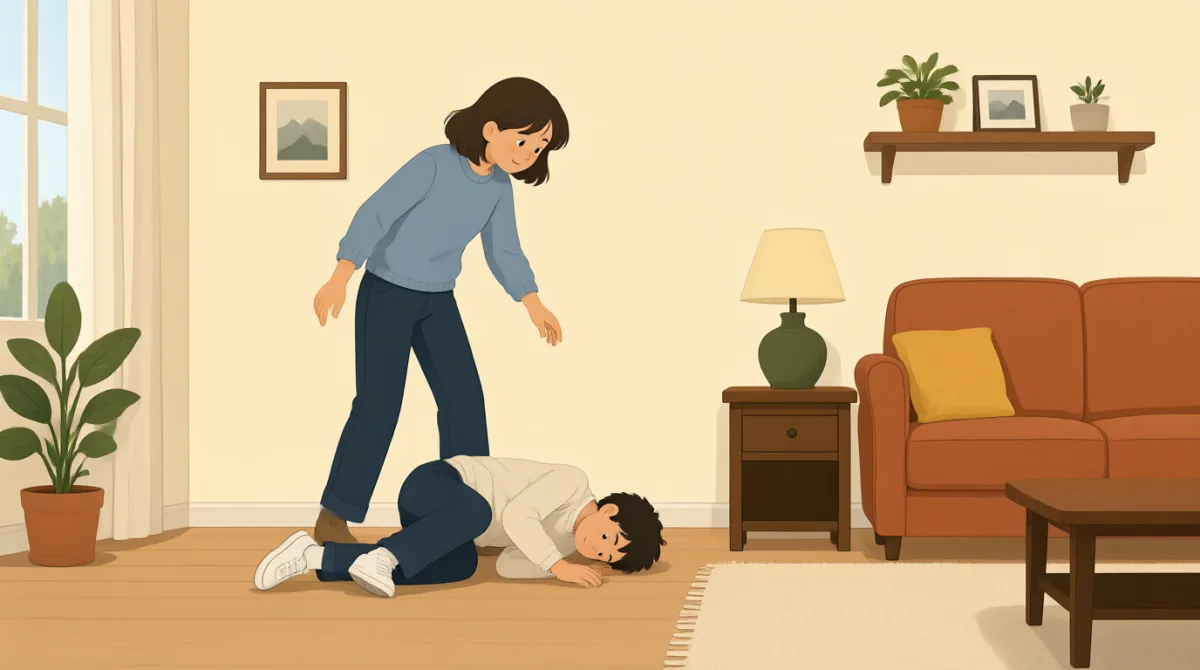

Excuse me, David? I just saw someone trip and fall near the main entrance.
ขอโทษนะ เดวิด? เมื่อกี้ฉันเห็นคนสะดุดล้มตรงทางเข้าหลัก

Oh, really? Are they okay? Did they seem hurt?
อ๋อ จริงเหรอ? เขาเป็นอะไรไหม ดูเหมือนบาดเจ็บหรือเปล่า?
They got up pretty quickly, and they said they were fine, just a bit shaken. But I wanted to make sure it was reported.
เขาลุกขึ้นได้ค่อนข้างเร็ว แล้วก็บอกว่าไม่เป็นไร แค่ตกใจนิดหน่อย แต่ฉันอยากให้แน่ใจว่ามีการรายงานเรื่องนี้แล้ว
Thanks for letting me know, Emma. Good thinking. Was there anything on the ground, like a wet spot or something uneven?
ขอบคุณที่บอกนะ เอมมา ดีแล้วที่นึกถึงเรื่องนี้ มีอะไรอยู่บนพื้นหรือเปล่า เช่น พื้นเปียกหรือพื้นไม่เรียบ?
It looked like they just caught their foot on the edge of the mat. Nothing serious, thankfully.
ดูเหมือนเขาจะเกี่ยวเท้ากับขอบพรมเช็ดเท้า โชคดีที่ไม่มีอะไร गंभीर
Okay, that's good to hear. I'll make a note of it and check the mat to ensure it's flat. Thanks again for reporting it.
โอเค ได้ยินแบบนั้นก็ดีแล้ว ฉันจะจดเรื่องนี้ไว้แล้วตรวจดูพรมเช็ดเท้าให้แน่ใจว่าวางราบดี ขอบคุณอีกครั้งที่รายงานนะ
คำศัพท์6
- tripสะดุด
To trip means to catch your foot on something and almost fall, often leading to a stumble. Use it in safety contexts like 'I tripped on the step' to describe minor accidents.
trip หมายถึงสะดุดเท้าเกี่ยวกับบางสิ่งจนเกือบล้ม ซึ่งมักทำให้เซหรือเดินสะดุด ใช้พูดถึงเหตุการณ์เล็ก ๆ ในบริบทความปลอดภัยได้ เช่น 'I tripped on the step' (ฉันสะดุดตรงขั้นบันได)
- fallล้ม
To fall is to drop suddenly to the ground, often by accident. It's common in emergency reports, e.g., 'She fell down the stairs,' to describe incidents.
fall หมายถึงล้มลงกับพื้นอย่างกะทันหัน ซึ่งมักเกิดขึ้นโดยไม่ได้ตั้งใจ มักใช้ในรายงานเหตุฉุกเฉิน เช่น 'She fell down the stairs' (เธอตกบันไดลงมา) เพื่อบรรยายเหตุการณ์
- shakenตกใจ
Shaken means feeling upset or surprised after a shock, but not physically injured. Use it like 'He was a bit shaken after the fall' to show emotional impact in minor incidents.
shaken หมายถึงรู้สึกไม่สบายใจหรือตกใจหลังเจอเรื่องสะเทือนใจ แต่ไม่ได้บาดเจ็บทางร่างกาย ใช้ได้อย่างเช่น 'He was a bit shaken after the fall' (เขายังตกใจนิดหน่อยหลังจากล้ม) เพื่อบอกถึงผลกระทบทางใจจากเหตุการณ์เล็กน้อย
- reportedรายงานแล้ว
Reported means to tell someone in authority about an event. In safety situations, say 'I reported the accident' to show responsibility and follow procedures.
reported หมายถึงแจ้งเหตุการณ์ให้ผู้มีหน้าที่รับทราบ ในสถานการณ์เกี่ยวกับความปลอดภัย พูดว่า 'I reported the accident' (ฉันรายงานอุบัติเหตุแล้ว) เพื่อแสดงความรับผิดชอบและปฏิบัติตามขั้นตอน
- unevenไม่เรียบ
Uneven describes a surface that is not flat or smooth, which can cause slips. Useful in warnings like 'Watch out for the uneven sidewalk' to prevent accidents.
uneven ใช้บรรยายพื้นผิวที่ไม่ราบเรียบหรือไม่สม่ำเสมอ ซึ่งอาจทำให้คนสะดุดหรือลื่นได้ ใช้เตือนได้ เช่น 'Watch out for the uneven sidewalk' (ระวังทางเท้าที่ไม่เรียบ) เพื่อป้องกันอุบัติเหตุ
- matพรมเช็ดเท้า
A mat is a small rug or piece of material on the floor, often at entrances. Mention it in reports like 'The mat was causing the problem' for hazard descriptions.
mat หมายถึงพรมผืนเล็กหรือวัสดุชิ้นหนึ่งที่ปูบนพื้น มักวางไว้ตรงทางเข้า ใช้พูดถึงสิ่งที่อาจเป็นอันตรายได้ เช่น 'The mat was causing the problem' (พรมเช็ดเท้าเป็นสาเหตุของปัญหา) เพื่อบรรยายอันตราย
ประโยคสำคัญ6
- 1
Excuse me, David? I just saw someone trip and fall near the main entrance.
ขอโทษนะ เดวิด? เมื่อกี้ฉันเห็นคนสะดุดล้มตรงทางเข้าหลัก
This polite way to start a conversation uses 'Excuse me' to get attention and reports an incident immediately. Useful for interrupting politely in emergencies; the past tense 'saw' describes what happened recently.
ประโยคนี้เริ่มบทสนทนาอย่างสุภาพ โดยใช้ 'Excuse me' เพื่อเรียกความสนใจ แล้วแจ้งเหตุการณ์ทันที เหมาะสำหรับพูดแทรกอย่างสุภาพในสถานการณ์ฉุกเฉิน ส่วน 'saw' เป็นรูปอดีตที่ใช้เล่าเรื่องที่เพิ่งเกิดขึ้น
- 2
Oh, really? Are they okay? Did they seem hurt?
อ๋อ จริงเหรอ? เขาเป็นอะไรไหม ดูเหมือนบาดเจ็บหรือเปล่า?
This shows concern with questions using 'okay' for general well-being and 'hurt' for injury. Practice for responding to reports; 'seem' expresses observation without certainty, common in safety checks.
ประโยคนี้แสดงความเป็นห่วง โดยใช้คำถามที่มี 'okay' เพื่อถามว่าโดยรวมสบายดีไหม และ 'hurt' เพื่อถามว่าบาดเจ็บหรือเปล่า ลองฝึกใช้เมื่อตอบรับรายงานเหตุการณ์ ส่วน 'seem' ใช้บอกสิ่งที่สังเกตเห็นโดยไม่ยืนยันแน่ชัด ซึ่งพบได้บ่อยเวลาตรวจสอบความปลอดภัย
- 3
They got up pretty quickly, and they said they were fine, just a bit shaken.
เขาลุกขึ้นได้ค่อนข้างเร็ว แล้วก็บอกว่าไม่เป็นไร แค่ตกใจนิดหน่อย
This describes the outcome using past tense actions like 'got up' and reported speech 'they said.' Useful to update on minor incidents; 'pretty quickly' adds detail on speed, and 'just a bit' softens the impact.
ประโยคนี้บอกผลที่เกิดขึ้นโดยใช้กริยาอดีต เช่น 'got up' และคำพูดที่นำมาเล่าต่อ เช่น 'they said' เหมาะสำหรับแจ้งความคืบหน้าหลังเกิดเหตุเล็กน้อย 'pretty quickly' เพิ่มรายละเอียดเรื่องความเร็ว ส่วน 'just a bit' ช่วยลดความหนักของเรื่องที่พูดถึง
- 4
But I wanted to make sure it was reported.
แต่ฉันอยากให้แน่ใจว่ามีการรายงานเรื่องนี้แล้ว
This expresses caution with 'make sure' followed by passive 'was reported.' Ideal for emphasizing responsibility in safety protocols; use it when following up on potential hazards.
ประโยคนี้แสดงความรอบคอบด้วย 'make sure' ตามด้วยรูปประโยคถูกกระทำ 'was reported' เหมาะสำหรับเน้นความรับผิดชอบตามขั้นตอนความปลอดภัย ใช้เมื่อติดตามเรื่องที่อาจเป็นอันตราย
- 5
Was there anything on the ground, like a wet spot or something uneven?
มีอะไรอยู่บนพื้นหรือเปล่า เช่น พื้นเปียกหรือพื้นไม่เรียบ?
This asks for details using examples with 'like' and vague 'something.' Helpful in investigations; the question form encourages more information, key for identifying causes in reports.
ประโยคนี้ถามหารายละเอียดโดยยกตัวอย่างด้วย 'like' และใช้คำกว้าง ๆ อย่าง 'something' เหมาะกับการสอบถามเพื่อหาสาเหตุ รูปคำถามช่วยให้อีกฝ่ายให้ข้อมูลเพิ่มเติม ซึ่งสำคัญต่อการระบุสาเหตุในรายงาน
- 6
I'll make a note of it and check the mat to ensure it's flat.
ฉันจะจดเรื่องนี้ไว้แล้วตรวจดูพรมเช็ดเท้าให้แน่ใจว่าวางราบดี
This promises action with future 'I'll' and 'to ensure' for purpose. Practical for confirming follow-up; 'make a note' means recording, useful in professional safety responses.
ประโยคนี้รับปากว่าจะลงมือทำ โดยใช้ 'I'll' พูดถึงสิ่งที่จะทำต่อไป และใช้ 'to ensure' บอกจุดประสงค์ เหมาะสำหรับยืนยันว่าจะติดตามแก้ไข 'make a note' หมายถึงจดบันทึก ซึ่งมีประโยชน์เมื่อตอบสนองต่อเรื่องความปลอดภัยในที่ทำงาน