Asking Permission in a Restaurant/Cafe
اجازه گرفتن در رستوران یا کافه
A customer wants to take photos of their food, the interior design, or friends at a restaurant or cafe. They are unsure about the establishment's policy or if it would disturb others, so they ask a staff member.
مشتری میخواهد از غذایش، دکور داخلی یا دوستانش در رستوران یا کافه عکس بگیرد. مطمئن نیست عکاسی در آنجا مجاز است یا ممکن است مزاحم دیگران شود، بنابراین از یکی از کارکنان میپرسد.
گفتوگو6
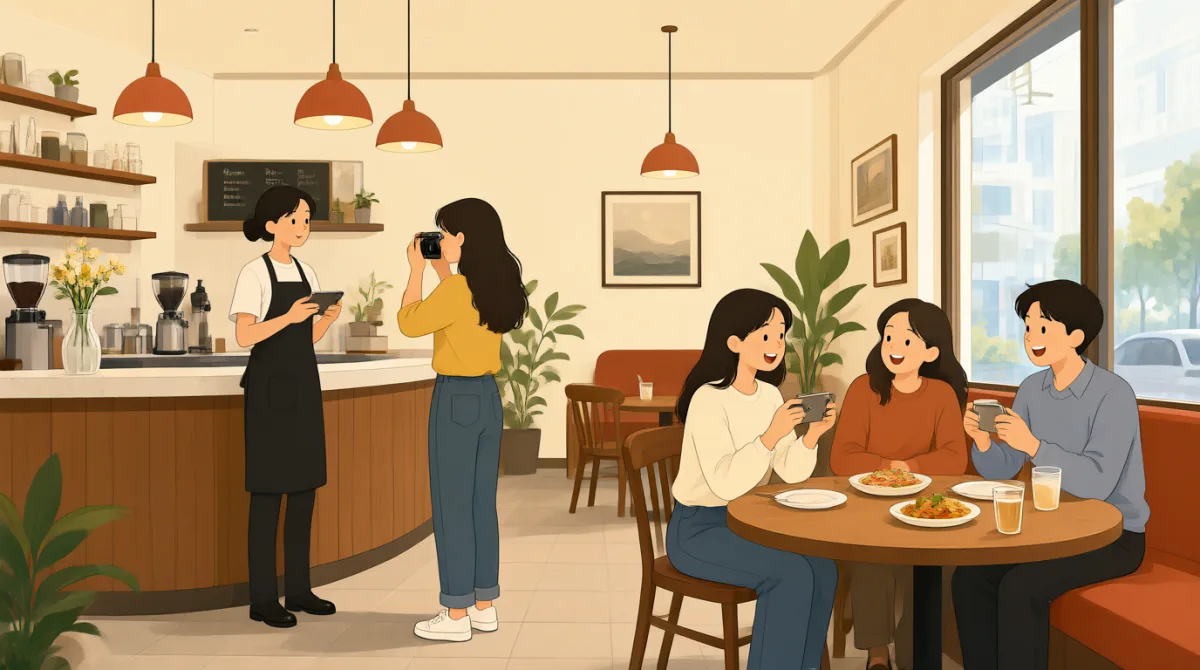

Excuse me, I have a quick question. Is it okay to take photos in here?
ببخشید، یک سؤال کوتاه داشتم. اشکالی ندارد اینجا عکس بگیرم؟

Yes, of course! You're welcome to take pictures of your food and the interior. We just ask that you be mindful of other customers' privacy.
بله، حتماً! میتوانید از غذا و فضای داخلی عکس بگیرید. فقط لطفاً حریم خصوصی مشتریهای دیگر را رعایت کنید.
Great, thanks! I just wanted to get a shot of my latte, it looks amazing. And maybe a quick one of the general decor.
عالیه، ممنون! فقط میخواستم از لاتهام عکس بگیرم، خیلی خوشگل به نظر میرسه. شاید هم یه عکس سریع از دکور کلی اینجا بگیرم.
No problem at all. Just avoid using a flash, as it can be disruptive to others. And please, no photos of other guests without their permission.
اصلاً مشکلی نیست. فقط لطفاً از فلاش استفاده نکنید، چون ممکن است مزاحم دیگران شود. و لطفاً بدون اجازه از مهمانهای دیگر عکس نگیرید.
Understood. I'll be careful not to bother anyone. Thanks for letting me know!
متوجه شدم. حواسم هست مزاحم کسی نشوم. ممنون که گفتید!
You're very welcome. Enjoy your coffee and your meal!
خواهش میکنم. از قهوه و غذایتان لذت ببرید!
واژگان8
- Excuse meببخشید
A polite phrase used to get someone's attention or interrupt politely, like when you want to ask a question in public.
عبارتی مؤدبانه برای جلب توجه کسی یا مؤدبانه حرف او را قطع کردن است؛ مثلاً وقتی میخواهید در یک مکان عمومی سؤالی بپرسید.
- Mindfulملاحظهگر
Being careful and aware of something, especially how your actions affect others; useful when following rules in shared spaces.
یعنی مراقب و متوجه چیزی بودن، بهویژه توجه داشتن به اینکه رفتارتان چه اثری بر دیگران میگذارد. این واژه هنگام رعایت قوانین فضاهای مشترک کاربرد دارد.
- Privacyحریم خصوصی
The right to keep personal information or images private; important in situations like taking photos of people.
حق خصوصی نگهداشتن اطلاعات شخصی یا تصاویر است؛ مثلاً هنگام عکاسی از افراد اهمیت دارد.
- Shotعکس
Informal word for a photograph or picture; commonly used in casual conversations about photography.
واژهای غیررسمی برای عکس یا تصویر که در گفتوگوهای روزمره درباره عکاسی رایج است.
- Decorدکور
Short for decoration; refers to the style and items that make a place look attractive, like in a restaurant.
شکل کوتاهشدهٔ واژهٔ «دکوراسیون» است و به سبک و وسایلی اشاره دارد که یک مکان را زیبا میکنند، مثل دکور یک رستوران.
- Flashفلاش
The bright light from a camera used in low-light conditions; often avoided in public to not disturb others.
نور درخشان دوربین است که در محیطهای کمنور استفاده میشود؛ در مکانهای عمومی اغلب از آن استفاده نمیکنند تا مزاحم دیگران نشوند.
- Disruptiveمزاحم
Something that interrupts or disturbs the normal flow; used to describe actions that bother people around you.
چیزی که روند عادی کارها را مختل میکند یا باعث آزار میشود؛ برای توصیف رفتاری به کار میرود که دیگران را اذیت میکند.
- Botherمزاحم شدن
To annoy or disturb someone; in this context, it means to cause inconvenience to others.
کسی را آزردن یا مختل کردن؛ در اینجا یعنی برای دیگران دردسر یا زحمتی ایجاد کردن.
جملات کلیدی5
- 1
Excuse me, I have a quick question. Is it okay to take photos in here?
ببخشید، یک سؤال کوتاه داشتم. اشکالی ندارد اینجا عکس بگیرم؟
This is a polite way to ask for permission; 'Is it okay' is a common, indirect question for requests. Use it when seeking approval in public places to show respect.
این راهی مؤدبانه برای اجازه گرفتن است. عبارت 'Is it okay' (اشکالی دارد؟) پرسشی رایج و غیرمستقیم برای درخواست کردن است. در مکانهای عمومی از آن استفاده کنید تا احترام خود را نشان دهید.
- 2
Yes, of course! You're welcome to take pictures of your food and the interior.
بله، حتماً! میتوانید از غذا و فضای داخلی عکس بگیرید.
A friendly response giving permission; 'You're welcome to' means you are allowed and encouraged to do something. Useful for service staff or hosts to make guests feel comfortable.
پاسخی دوستانه برای اجازه دادن است. عبارت 'You're welcome to' یعنی اجازه دارید کاری را انجام دهید و انجام آن بلامانع است. کارکنان خدماتی یا میزبانها میتوانند از این عبارت استفاده کنند تا مهمانها احساس راحتی کنند.
- 3
Just avoid using a flash, as it can be disruptive to others.
فقط لطفاً از فلاش استفاده نکنید، چون ممکن است مزاحم دیگران شود.
This gives advice with a condition; 'as' explains the reason ('because'). 'Avoid' means to stay away from doing something. Use this to set gentle rules without being strict.
این جمله توصیهای همراه با دلیل بیان میکند. 'as' دلیل را توضیح میدهد و معنی «چون» میدهد. 'Avoid' یعنی از انجام کاری پرهیز کردن. از این عبارت برای بیان مؤدبانهٔ قوانین استفاده کنید، بدون اینکه سختگیر به نظر برسید.
- 4
Understood. I'll be careful not to bother anyone.
متوجه شدم. حواسم هست مزاحم کسی نشوم.
Shows agreement and promise; 'Understood' means you get it, and 'not to' is used for negative infinitive. Practical for confirming you'll follow instructions in social situations.
این جمله موافقت و قول دادن را نشان میدهد. 'Understood' یعنی متوجه شدم و 'not to' برای ساختن مصدر منفی به کار میرود. در موقعیتهای اجتماعی میتوانید از آن برای تأیید اینکه دستورها را رعایت میکنید استفاده کنید.
- 5
You're very welcome. Enjoy your coffee and your meal!
خواهش میکنم. از قهوه و غذایتان لذت ببرید!
A warm closing response; 'You're very welcome' is a polite reply to thanks. 'Enjoy' wishes someone a good experience. Use at the end of helpful interactions to be courteous.
پایانی گرم و دوستانه است. 'You're very welcome' پاسخی مؤدبانه به تشکر است. 'Enjoy' برای آرزوی تجربهای خوشایند به کار میرود. در پایان گفتوگوهای کمککننده از این عبارتها استفاده کنید تا مؤدب باشید.