Asking for Specific Department Hours
ساعت کاری بخشهای خاص
Inside a larger store or mall, a customer asks an employee about the opening hours of a specific department or concession within the premises.
در یک فروشگاه بزرگ یا مرکز خرید، مشتری از یکی از کارکنان دربارهٔ ساعت کاری یک بخش یا غرفهٔ خاص در آنجا سؤال میکند.
گفتوگو8
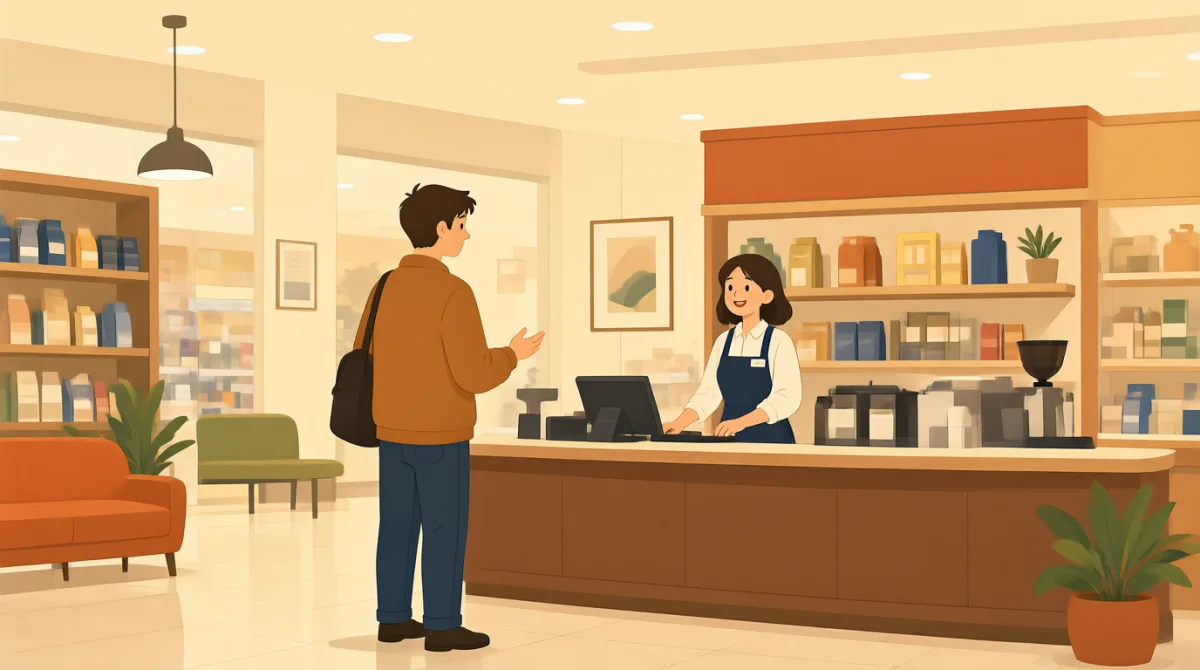

Excuse me, I'm looking for the electronics department. Do you know what time it opens today?
ببخشید، دنبال بخش لوازم الکترونیکی میگردم. میدانید امروز چه ساعتی باز میشود؟

Hello! The electronics department usually opens at 10 AM, just like the rest of the store.
سلام! بخش لوازم الکترونیکی معمولاً ساعت ۱۰ صبح باز میشود، درست مثل بقیهٔ فروشگاه.
Ah, okay. So, it's not open yet?
آهان، باشه. پس هنوز باز نشده؟
That's right. It's 9:30 AM now, so you'll have to wait about half an hour.
درسته. الان ساعت ۹:۳۰ صبحه، پس باید حدود نیم ساعت صبر کنید.
Got it. And do they have different closing hours from the main store?
متوجه شدم. ساعت تعطیلیشان با ساعت تعطیلی فروشگاه اصلی فرق دارد؟
No, all departments, including electronics, close at 9 PM on weekdays and 7 PM on Sundays.
نه، همهٔ بخشها، از جمله بخش لوازم الکترونیکی، روزهای کاری ساعت ۹ شب و یکشنبهها ساعت ۷ شب تعطیل میشوند.
Perfect, thanks for the information!
عالیه، ممنون از اطلاعاتتون!
You're welcome! Is there anything else I can help you with?
خواهش میکنم! کار دیگهای هست که بتونم کمکتون کنم؟
واژگان6
- departmentبخش
A section of a store that sells specific items, like electronics or clothing. Use it when asking about a particular area in a big shop.
بخشی از فروشگاه که کالاهای مشخصی مثل لوازم الکترونیکی یا لباس میفروشد. وقتی دربارهٔ قسمت خاصی از یک فروشگاه بزرگ سؤال میکنید، از این واژه استفاده کنید.
- opensباز میشود
The verb meaning when a place starts business for the day. It's the third person form of 'open' used with times, like 'The store opens at 9 AM.'
فعلی به معنی زمانی است که یک مکان در طول روز کارش را شروع میکند. این شکل سومشخص فعل 'open' است و همراه با ساعت به کار میرود؛ مثلاً 'The store opens at 9 AM.' یعنی «فروشگاه ساعت ۹ صبح باز میشود.»
- usuallyمعمولاً
An adverb meaning most of the time or normally. It helps describe regular schedules, like 'The shop usually opens at 10 AM.'
قیدی به معنی بیشتر اوقات یا در حالت عادی. برای توصیف برنامههای همیشگی به کار میرود؛ مثلاً 'The shop usually opens at 10 AM.' یعنی «مغازه معمولاً ساعت ۱۰ صبح باز میشود.»
- closing hoursساعت تعطیلی
The time when a store stops business for the day. Ask about it to know when something ends, like 'What are the closing hours?'
زمانی که فروشگاه کارش را برای آن روز تمام میکند. برای دانستن زمان پایان کار جایی، دربارهاش سؤال کنید؛ مثلاً 'What are the closing hours?' یعنی «ساعت تعطیلی چه زمانی است؟»
- weekdaysروزهای کاری
The days from Monday to Friday, not including weekends. It's useful for talking about work or store schedules.
روزهای دوشنبه تا جمعه، بدون احتساب آخر هفته. این واژه برای صحبت دربارهٔ برنامهٔ کاری یا ساعت کار فروشگاه مفید است.
- includingاز جمله
A preposition meaning to include something in a group. Use it to specify parts, like 'All departments, including electronics.'
حرف اضافهای به معنی گنجاندن چیزی در یک گروه. برای مشخص کردن اجزای یک مجموعه به کار میرود؛ مثلاً 'All departments, including electronics.' یعنی «همهٔ بخشها، از جمله بخش لوازم الکترونیکی.»
جملات کلیدی7
- 1
Excuse me, I'm looking for the electronics department. Do you know what time it opens today?
ببخشید، دنبال بخش لوازم الکترونیکی میگردم. میدانید امروز چه ساعتی باز میشود؟
This polite question combines asking for directions and hours. Use 'Excuse me' to get attention, and 'what time it opens' to inquire about opening time. Great for starting conversations in stores.
این سؤال مؤدبانه، پرسیدن آدرس و ساعت کار را با هم ترکیب میکند. برای جلب توجه از 'Excuse me' («ببخشید») و برای پرسیدن زمان باز شدن از 'what time it opens' («چه ساعتی باز میشود») استفاده کنید. این جمله برای شروع گفتوگو در فروشگاهها مناسب است.
- 2
The electronics department usually opens at 10 AM, just like the rest of the store.
بخش لوازم الکترونیکی معمولاً ساعت ۱۰ صبح باز میشود، درست مثل بقیهٔ فروشگاه.
This explains a typical schedule using 'usually' for habits and 'just like' for comparison. Useful for giving information about routines; note the time format '10 AM'.
این جمله با استفاده از 'usually' برای بیان روال معمول و 'just like' برای مقایسه، برنامهای عادی را توضیح میدهد. برای گفتن اطلاعات مربوط به روالها مفید است؛ به شیوهٔ نوشتن ساعت، '10 AM'، هم توجه کنید.
- 3
Ah, okay. So, it's not open yet?
آهان، باشه. پس هنوز باز نشده؟
A confirmation question using 'So' to connect ideas and 'yet' for something expected but not happened. It's a natural way to check understanding in casual talk.
این سؤال برای اطمینان از موضوع، از 'So' برای پیوند دادن ایدهها و از 'yet' برای چیزی که انتظارش میرود اما هنوز اتفاق نیفتاده، استفاده میکند. راهی طبیعی برای اطمینان از درست فهمیدن در گفتوگوی دوستانه است.
- 4
It's 9:30 AM now, so you'll have to wait about half an hour.
الان ساعت ۹:۳۰ صبح است، پس باید حدود نیم ساعت صبر کنید.
This states current time and estimates wait using 'so' for result and 'about' for approximation. Practice telling time and suggesting waits in service situations.
این جمله زمان فعلی را میگوید و مدت انتظار را تخمین میزند. در آن 'so' نتیجه را بیان میکند و 'about' برای تقریبی بودن به کار میرود. گفتن ساعت و اشاره به مدت انتظار را در موقعیتهای خدماتی تمرین کنید.
- 5
No, all departments, including electronics, close at 9 PM on weekdays and 7 PM on Sundays.
نه، همهٔ بخشها، از جمله بخش لوازم الکترونیکی، روزهای کاری ساعت ۹ شب و یکشنبهها ساعت ۷ شب تعطیل میشوند.
This denies a difference and lists times with 'including' and 'and' for connections. It's useful for explaining schedules; note plural 'departments' and days like 'weekdays'.
این جمله تفاوت را رد میکند و با استفاده از 'including' و 'and' ساعتها را فهرست میکند. برای توضیح برنامهها مفید است؛ به جمع بستن 'departments' و واژههایی مثل 'weekdays' توجه کنید.
- 6
Perfect, thanks for the information!
عالیه، ممنون از اطلاعاتتون!
A positive response showing satisfaction with 'Perfect' and thanks. Use it to end helpfully; 'information' is formal for details given.
این پاسخ مثبت با 'Perfect' رضایت را نشان میدهد و از طرف مقابل تشکر میکند. برای پایان دادن به گفتوگو از آن استفاده کنید؛ 'information' واژهای رسمی برای جزئیاتی است که به شما دادهاند.
- 7
You're welcome! Is there anything else I can help you with?
خواهش میکنم! کار دیگهای هست که بتونم کمکتون کنم؟
Standard polite reply to thanks, followed by an offer for more help. 'You're welcome' is idiomatic; the question uses 'anything else' to check for further needs.
پاسخی مؤدبانه و رایج به تشکر است که پس از آن پیشنهاد کمک بیشتر میآید. 'You're welcome' اصطلاحی رایج برای «خواهش میکنم» است؛ در پرسش هم با 'anything else' میپرسیم که آیا نیاز دیگری هست یا نه.