Cross-Checking the Evidence
প্রমাণের তথ্য মিলিয়ে দেখা
Emma consults David Chen, a veteran records specialist, to authenticate documents and compare their dates with public inspection logs. David cautions her that inconsistencies may point to clerical errors rather than deliberate tampering.
নথিপত্রের সত্যতা যাচাই করতে এবং তারিখগুলো জনসাধারণের পরিদর্শন-নথির সঙ্গে মিলিয়ে দেখতে এমা অভিজ্ঞ নথি বিশেষজ্ঞ ডেভিড চেনের পরামর্শ নেয়। ডেভিড তাকে সতর্ক করে বলেন, অসংগতির কারণ ইচ্ছাকৃত কারসাজি না হয়ে দাপ্তরিক ভুলও হতে পারে।
সংলাপ12
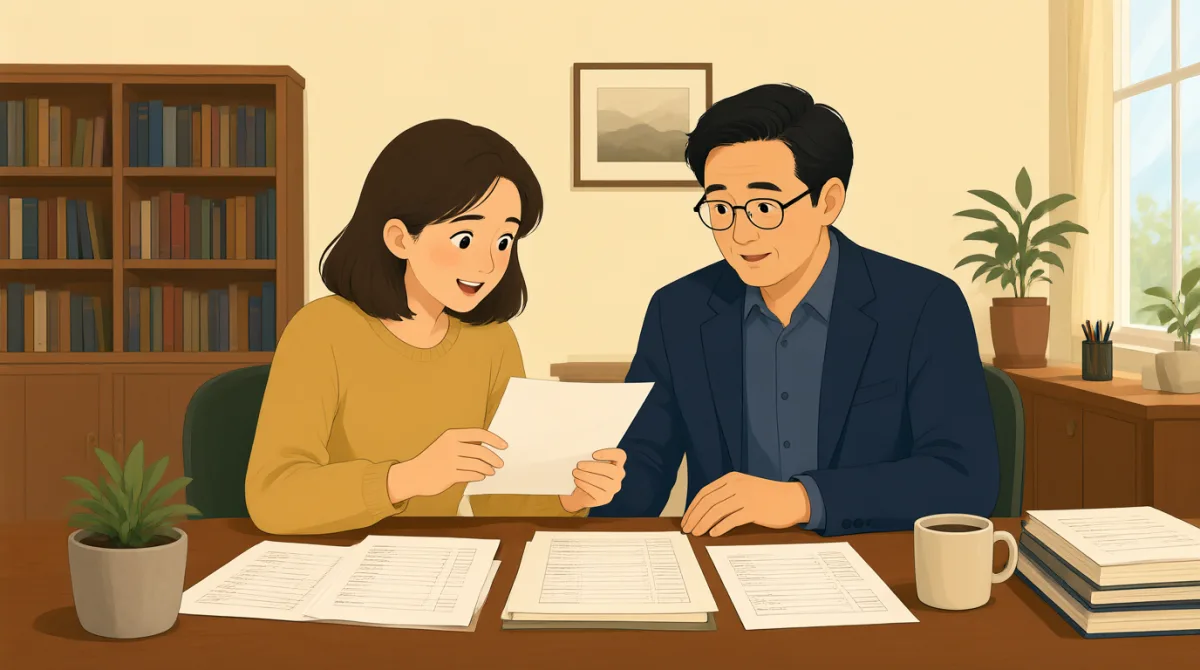

I’ve brought the inspection forms and the public logs. The dates don’t line up, but I don’t want to call that evidence of tampering before we know how these records were created.
আমি পরিদর্শনের ফর্মগুলো আর জনসাধারণের জন্য রাখা নথিগুলো এনেছি। তারিখগুলো মিলছে না, তবে এই নথিগুলো কীভাবে তৈরি হয়েছে তা না জেনে আমি একে কারসাজির প্রমাণ বলতে চাই না।

Good instinct. A discrepancy is a question, not a conclusion. First, let’s establish whether these are original records, copies, or entries exported from a database that may have been updated later.
ভালো ভেবেছ। অমিল মানে একটা প্রশ্ন, কোনো চূড়ান্ত সিদ্ধান্ত নয়। প্রথমে আমাদের নিশ্চিত হতে হবে, এগুলো আসল নথি, নাকি কপি, নাকি এমন কোনো ডেটাবেস থেকে রপ্তানি করা তথ্য যা পরে হালনাগাদ করা হয়ে থাকতে পারে।
The forms came from a former employee. They have handwritten dates and initials, but there’s no cover sheet, and I can’t tell whether the pages are complete or in their original order.
ফর্মগুলো একজন সাবেক কর্মীর কাছ থেকে পেয়েছি। সেগুলোতে হাতে লেখা তারিখ আর আদ্যক্ষর আছে, কিন্তু কোনো প্রচ্ছদপত্র নেই। পাতাগুলো সম্পূর্ণ কি না, বা আসল ক্রমে আছে কি না, সেটাও বুঝতে পারছি না।
Then we should treat provenance as unresolved. Do you have the files as they were received, including the email or message that transmitted them? Metadata and transmission history may help establish what changed—and when.
তাহলে নথিগুলোর উৎস ও ইতিহাস এখনো অনিশ্চিত বলেই ধরে নিতে হবে। যেভাবে পেয়েছিলে, ঠিক সেভাবেই কি ফাইলগুলো আছে—সেগুলো পাঠানোর ইমেইল বা বার্তাসহ? মেটাডেটা আর পাঠানোর ইতিহাস থেকে কী বদলেছে—এবং কখন বদলেছে—তা বোঝা যেতে পারে।
I saved the original attachment and made a working copy. The attachment’s timestamp is two years later than the handwritten inspection date, though, so it could simply be a scan made after the fact.
মূল অ্যাটাচমেন্টটা সংরক্ষণ করেছি, আর কাজ করার জন্য একটা কপি বানিয়েছি। তবে অ্যাটাচমেন্টের টাইমস্ট্যাম্প হাতে লেখা পরিদর্শনের তারিখের চেয়ে দুই বছর পরের। যদিও এটা পরে করা স্ক্যানও হতে পারে।
Exactly. A file timestamp usually tells you when that digital file was created or modified, not when the underlying inspection occurred. We’ll need to separate what the metadata proves from what it merely suggests.
ঠিক তাই। ফাইলের টাইমস্ট্যাম্প সাধারণত বলে ডিজিটাল ফাইলটি কখন তৈরি বা পরিবর্তন করা হয়েছে, মূল পরিদর্শনটি কখন হয়েছিল তা নয়। মেটাডেটা কী প্রমাণ করে আর কেবল কী ইঙ্গিত দেয়, তা আমাদের আলাদা করে বুঝতে হবে।
The public log lists an inspection on that date, but it describes a different section of the plant. Could that indicate the form was misdated, or are we comparing records that use different location codes?
জনসাধারণের নথিতে ওই তারিখে একটি পরিদর্শনের কথা আছে, কিন্তু সেখানে কারখানার অন্য একটি অংশের বর্ণনা দেওয়া হয়েছে। ফর্মে ভুল তারিখ দেওয়া হয়েছিল, নাকি আমরা ভিন্ন অবস্থান-সংকেত ব্যবহার করা নথির তুলনা করছি—এমন হতে পারে?
Either is possible. Let’s compare the codes against the agency’s documentation, then check whether its log records the inspection date, the filing date, or the date an entry was entered into the system.
দুটোই সম্ভব। আগে সংস্থার নথিপত্রের সঙ্গে সংকেতগুলো মিলিয়ে দেখি, তারপর যাচাই করি তাদের নথিতে পরিদর্শনের তারিখ, ফাইল করার তারিখ, নাকি সিস্টেমে তথ্য অন্তর্ভুক্ত করার তারিখ লেখা হয়।
If the log was entered later, a mismatch might be routine. But if the initials on the form match the inspector’s signature elsewhere, would that strengthen the document’s authenticity?
নথিতে তথ্যটা পরে অন্তর্ভুক্ত করা হয়ে থাকলে অমিলটা স্বাভাবিক হতে পারে। কিন্তু ফর্মের আদ্যক্ষর অন্য কোথাও থাকা পরিদর্শকের স্বাক্ষরের সঙ্গে মিললে, তাতে কি নথিটার সত্যতা আরও জোরালোভাবে প্রমাণিত হবে?
It would be one useful point of comparison, not proof by itself. We should verify the signature against an independent record and ask the agency how its forms were handled at the time.
এটা তুলনা করার একটা কাজে লাগার মতো সূত্র হবে, তবে একা প্রমাণ নয়। অন্য কোনো স্বাধীন নথির সঙ্গে স্বাক্ষরটা মিলিয়ে দেখা উচিত, আর সে সময় তাদের ফর্মগুলো কীভাবে সামলানো হতো তা সংস্থাকে জিজ্ঞেস করা উচিত।
Understood. I’ll preserve the originals, document how I received them, and request the agency’s filing procedures and the relevant log history. I won’t describe the discrepancy as deliberate alteration unless the evidence supports that.
বুঝেছি। মূল কাগজগুলো সংরক্ষণ করব, কীভাবে সেগুলো পেয়েছি তা নথিবদ্ধ করব, আর সংস্থার ফাইল করার নিয়ম এবং সংশ্লিষ্ট নথির ইতিহাস চাইব। প্রমাণে সমর্থন না থাকলে অমিলটাকে ইচ্ছাকৃত পরিবর্তন বলে বর্ণনা করব না।
That’s the right standard. And keep a clear distinction in your notes between what the documents show, what someone told you, and what you’re still trying to establish. Readers deserve that precision.
এটাই সঠিক মানদণ্ড। আর তোমার নোটে নথিতে কী দেখা যাচ্ছে, কেউ তোমাকে কী বলেছে, আর তুমি এখনো কী নিশ্চিত করার চেষ্টা করছ—এগুলো স্পষ্টভাবে আলাদা করে রেখো। পাঠকেরা এই নির্ভুলতা পাওয়ার অধিকার রাখেন।
শব্দভান্ডার7
- discrepancyঅমিল; অসংগতি
A difference between two pieces of information that are expected to match. Here, it describes the dates or details that do not line up across records.
মিলবে বলে আশা করা হয়, এমন দুটি তথ্যের মধ্যে পার্থক্য। এখানে, বিভিন্ন নথিতে যে তারিখ বা বিবরণ মিলছে না, সেটাই বোঝানো হয়েছে।
- provenanceউৎস ও ইতিহাস
The history of where a document came from and how it has been handled. Journalists use provenance to assess a record’s reliability.
কোনো নথি কোথা থেকে এসেছে এবং সেটি কীভাবে ব্যবহৃত বা সংরক্ষিত হয়েছে, সেই ইতিহাস। নথির নির্ভরযোগ্যতা যাচাই করতে সাংবাদিকেরা এর উৎস ও ইতিহাস খতিয়ে দেখেন।
- metadataমেটাডেটা
Information about a digital file, such as when it was created or modified. It may help establish a file’s history, but not necessarily the date of the event described in it.
ডিজিটাল ফাইল সম্পর্কে তথ্য, যেমন সেটি কখন তৈরি বা পরিবর্তন করা হয়েছে। এটি ফাইলটির ইতিহাস জানতে সাহায্য করতে পারে, তবে তাতে বর্ণিত ঘটনার তারিখ যে প্রমাণ করবে, এমন নয়।
- underlying inspectionমূল পরিদর্শন
The actual inspection that a document refers to, as distinct from the later creation of a digital copy. The phrase helps separate an event’s date from a file’s timestamp.
কোনো নথিতে যে প্রকৃত পরিদর্শনের কথা বলা হয়েছে, পরে তৈরি ডিজিটাল কপি নয়। এই শব্দবন্ধটি ঘটনার তারিখ আর ফাইলের টাইমস্ট্যাম্পের পার্থক্য স্পষ্ট করতে সাহায্য করে।
- independent recordস্বতন্ত্র নথি
A separate source that can be used to check a claim. Comparing a signature with an independent record can support authentication, though it does not prove it on its own.
কোনো দাবি যাচাই করতে ব্যবহারযোগ্য আলাদা একটি সূত্র। স্বতন্ত্র নথির সঙ্গে স্বাক্ষর মিলিয়ে দেখলে সত্যতা যাচাইয়ে সমর্থন মেলে, তবে শুধু এটুকু দিয়ে সত্যতা প্রমাণ হয় না।
- filing proceduresনথি দাখিলের প্রক্রিয়া
The rules or routine steps an organization follows to submit and store records. Asking about them can help explain why dates or entries differ.
নথি জমা ও সংরক্ষণের জন্য কোনো সংস্থা যে নিয়ম বা নিয়মিত ধাপ অনুসরণ করে। এ বিষয়ে জানতে চাইলে তারিখ বা তথ্যের অমিলের কারণ বোঝা যেতে পারে।
- deliberate alterationইচ্ছাকৃত পরিবর্তন
An intentional change made to a document or record. The phrase should be used only when evidence supports the conclusion that the change was intentional.
কোনো নথি বা রেকর্ডে জেনে-বুঝে করা পরিবর্তন। পরিবর্তনটি ইচ্ছাকৃত ছিল—এমন সিদ্ধান্তের পক্ষে প্রমাণ থাকলেই কেবল এই শব্দবন্ধটি ব্যবহার করা উচিত।
গুরুত্বপূর্ণ বাক্য7
- 1
A discrepancy is a question, not a conclusion.
অমিল মানে একটা প্রশ্ন, কোনো চূড়ান্ত সিদ্ধান্ত নয়।
This concise sentence cautions against treating an inconsistency as proof. Use it to emphasize that a finding needs further investigation before it supports a conclusion.
এই সংক্ষিপ্ত বাক্যটি মনে করিয়ে দেয়, অসংগতিকে প্রমাণ হিসেবে ধরে নেওয়া উচিত নয়। কোনো তথ্যের ভিত্তিতে সিদ্ধান্তে পৌঁছানোর আগে আরও তদন্ত দরকার—এ কথা বোঝাতে বাক্যটি ব্যবহার করুন।
- 2
Then we should treat provenance as unresolved.
তাহলে নথিগুলোর উৎস ও ইতিহাস এখনো অনিশ্চিত বলেই ধরে নিতে হবে।
This is a careful way to say that a document’s origins and handling have not yet been established. Reuse the pattern “treat [issue] as unresolved” when evidence is incomplete.
কোনো নথির উৎস এবং সেটি কীভাবে ব্যবহৃত বা সংরক্ষিত হয়েছে, তা এখনো নিশ্চিত করা যায়নি—এ কথা সতর্কভাবে বলার একটি উপায় এটি। প্রমাণ অসম্পূর্ণ থাকলে “treat [issue] as unresolved” (কোনো বিষয়কে এখনো অনিষ্পন্ন বলে ধরে নেওয়া) ছাঁচটি ব্যবহার করতে পারেন।
- 3
We’ll need to separate what the metadata proves from what it merely suggests.
মেটাডেটা কী প্রমাণ করে আর কেবল কী ইঙ্গিত দেয়, তা আমাদের আলাদা করে বুঝতে হবে।
This sentence distinguishes confirmed facts from possible interpretations. It is useful when explaining why digital information should be interpreted cautiously.
এই বাক্যে নিশ্চিত তথ্য আর সম্ভাব্য ব্যাখ্যার পার্থক্য তুলে ধরা হয়েছে। ডিজিটাল তথ্য কেন সতর্কভাবে ব্যাখ্যা করা দরকার, তা বোঝাতে এটি কাজে লাগে।
- 4
Either is possible.
দুটোই সম্ভব।
This brief response acknowledges multiple plausible explanations without choosing between them prematurely. Use it when the available evidence does not yet settle a question.
এই ছোট্ট উত্তরটি একাধিক সম্ভাব্য ব্যাখ্যাকে স্বীকার করে, তবে তাড়াহুড়ো করে কোনো একটিকে বেছে নেয় না। হাতে থাকা প্রমাণ দিয়ে কোনো প্রশ্নের উত্তর এখনো নিশ্চিত না হলে এটি ব্যবহার করুন।
- 5
It would be one useful point of comparison, not proof by itself.
এটা তুলনা করার একটা কাজে লাগার মতো সূত্র হবে, তবে একা প্রমাণ নয়।
This sentence explains that a piece of supporting evidence has limits. Reuse the structure “one useful point of comparison, not proof by itself” to describe evidence that needs corroboration.
এই বাক্যটি বোঝায়, সমর্থনকারী কোনো প্রমাণের সীমাবদ্ধতা থাকতে পারে। আরও প্রমাণ দিয়ে নিশ্চিত করা দরকার—এমন তথ্য বোঝাতে “one useful point of comparison, not proof by itself” (তুলনা করার একটি কাজে লাগার মতো সূত্র, তবে একা প্রমাণ নয়) গঠনটি ব্যবহার করতে পারেন।
- 6
I’ll preserve the originals, document how I received them, and request the agency’s filing procedures and the relevant log history.
মূল কাগজগুলো সংরক্ষণ করব, কীভাবে সেগুলো পেয়েছি তা নথিবদ্ধ করব, আর সংস্থার নথি দাখিলের প্রক্রিয়া ও সংশ্লিষ্ট নথির ইতিহাস চাইব।
This sentence lays out practical steps for maintaining a clear record of evidence and seeking context. Its parallel verbs make it useful when describing a careful investigation plan.
এই বাক্যে প্রমাণের সুস্পষ্ট নথি বজায় রাখা এবং প্রয়োজনীয় প্রেক্ষাপট জানার বাস্তব পদক্ষেপগুলো তুলে ধরা হয়েছে। সমান্তরাল ক্রিয়াপদগুলো তদন্তের সতর্ক পরিকল্পনা বর্ণনা করতে বাক্যটিকে কার্যকর করে তুলেছে।
- 7
Readers deserve that precision.
পাঠকেরা এই নির্ভুলতা পাওয়ার অধিকার রাখেন।
This short statement connects accurate reporting with responsibility to the audience. Use it to underscore why a journalist should distinguish facts, claims, and unanswered questions.
এই সংক্ষিপ্ত বক্তব্যটি নির্ভুল প্রতিবেদনকে পাঠকের প্রতি দায়িত্বের সঙ্গে যুক্ত করে। তথ্য, দাবি এবং অনুত্তরিত প্রশ্ন আলাদা করে দেখানো কেন সাংবাদিকের কর্তব্য, তা জোর দিয়ে বলতে এটি ব্যবহার করুন।