Responding to Anger and Grief
التعامل مع الغضب والحزن
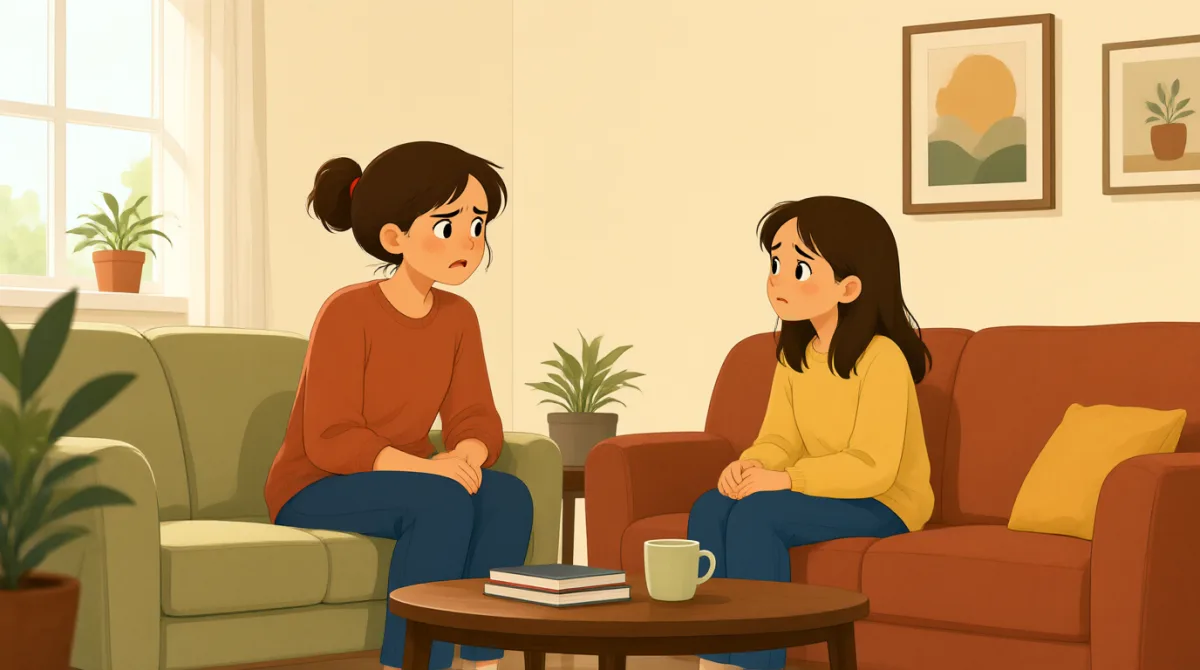
Grace expresses her anger and grief, questioning how the mistake could have happened and whether her father suffered. Mia listens, acknowledges the pain behind the questions, and responds carefully to what the team knows.
تعبّر غريس عن غضبها وحزنها، وتتساءل كيف وقع هذا الخطأ وما إذا كان والدها قد عانى. تستمع ميا، وتعترف بالألم الكامن وراء أسئلتها، وتجيب بحذر استنادًا إلى ما يعرفه الفريق.
حوار12

I keep replaying it in my head. How does someone give my father the wrong medication? Was nobody checking?
لا أستطيع التوقف عن استعادة ما حدث في ذهني. كيف يمكن لأحد أن يعطي والدي الدواء الخطأ؟ ألم يكن هناك من يتحقق؟

I hear how angry you are, Grace, and you have every reason to ask. The medication was administered incorrectly. I’m not going to minimize that or offer an explanation we haven’t verified.
أسمع مقدار غضبك يا غريس، ومن حقك تمامًا أن تطرحي هذه الأسئلة. أُعطي الدواء بطريقة خاطئة. لن أهوّن من الأمر، ولن أقدّم تفسيرًا لم نتحقق من صحته.
But he was the one who paid for it. Did he know something was wrong? Was he frightened? I need you to tell me whether he suffered.
لكنه هو من دفع الثمن. هل أدرك أن هناك خطأ ما؟ هل خاف؟ أحتاج منك أن تخبريني ما إذا كان قد عانى.
That question matters, and I don’t want to give you false reassurance. From what we can establish so far, he was monitored and treated after the error was recognized. We’re reviewing what he experienced before then.
هذا السؤال مهم، ولا أريد أن أطمئنك بكلام لا يستند إلى حقائق. وفقًا لما تمكّنا من التأكد منه حتى الآن، خضع للمراقبة وتلقّى العلاج بعد اكتشاف الخطأ. ونحن نراجع ما مرّ به قبل ذلك.
“Reviewing” sounds like a way to avoid saying it. He couldn’t speak for himself. How can I know anyone noticed his pain in time?
كلمة «نراجع» تبدو وكأنها طريقة لتجنّب قول الحقيقة. لم يكن قادرًا على الكلام بنفسه. كيف يمكنني أن أعرف أن أحدًا لاحظ ألمه في الوقت المناسب؟
You can’t know that yet, and I understand why that uncertainty is unbearable. I’m sorry we don’t have a complete answer today. We will examine the clinical notes and speak with the staff involved.
لا يمكنك معرفة ذلك بعد، وأنا أفهم لماذا يبدو هذا الغموض لا يُحتمل. يؤسفني أننا لا نملك إجابة كاملة اليوم. سنراجع السجلات الطبية ونتحدث مع الموظفين المعنيين.
I’m furious, and then I feel guilty for being furious. He trusted this hospital. I trusted you to keep him safe.
أنا غاضبة جدًا، ثم أشعر بالذنب لأنني غاضبة. لقد وثق بهذا المستشفى. وأنا وثقت بكِ لتحافظي على سلامته.
You don’t need to manage my feelings or soften what you’re saying. Your anger and grief belong here. We failed to administer his medication correctly, and I’m deeply sorry for the harm and distress that caused.
لستِ مضطرة إلى مراعاة مشاعري أو تخفيف حدّة كلامك. غضبك وحزنك لهما مكان هنا. أخفقنا في إعطائه دواءه على النحو الصحيح، وأنا آسفة جدًا لما سببه ذلك من أذى وضيق.
I want the truth, even if it’s hard to hear. Don’t protect the hospital by giving me a polished version.
أريد الحقيقة، حتى لو كان سماعها صعبًا. لا تحمي المستشفى بإعطائي رواية مصقولة.
I will tell you what we know, distinguish it from what we’re still investigating, and correct anything we get wrong. If you think I’ve missed something, please stop me and ask.
سأخبرك بما نعرفه، وسأوضح الفرق بينه وبين ما لا نزال نحقق فيه، وسأصحح أي معلومة نكتشف أنها خاطئة. إذا شعرتِ أنني أغفلت شيئًا، فأوقفيني واسأليني.
Then don’t leave me waiting in silence. If you find out whether he was conscious or in pain, I want to hear it, even if the answer is painful.
إذًا لا تتركيني أنتظر في صمت. إذا عرفتِ ما إذا كان واعيًا أو يشعر بالألم، أريد أن أعرف، حتى لو كانت الإجابة مؤلمة.
I understand. I’ll make sure we follow up with you about those specific questions, not just the general review. You deserve a clear answer, and I won’t pretend we have one before we do.
أتفهم ذلك. سأحرص على أن نتابع معكِ هذه الأسئلة تحديدًا، لا أن نكتفي بالمراجعة العامة. من حقك الحصول على إجابة واضحة، ولن أتظاهر بأن لدينا إجابة قبل أن نعرفها.
المفردات7
- minimizeيهوّن من
To minimize something is to make it seem less serious or important than it is. Here, Mia promises not to downplay the medication error.
أن تهوّن من أمر ما يعني أن تجعله يبدو أقل خطورة أو أهمية مما هو عليه. هنا، تعد ميا بألا تقلل من شأن الخطأ في إعطاء الدواء.
- false reassuranceطمأنة زائفة
False reassurance is comfort that is not supported by reliable facts. Mia avoids promising that Grace’s father did not suffer when she does not yet know.
الطمأنة الزائفة هي مواساة لا تدعمها حقائق موثوقة. تتجنب ميا أن تعد غريس بأن والدها لم يعانِ، لأنها لا تعرف ذلك بعد.
- establish so farيتأكد حتى الآن
This means to confirm based on the evidence available up to now. It is useful when explaining what is known without implying that an investigation is complete.
تعني هذه العبارة التحقق من أمر ما استنادًا إلى الأدلة المتاحة حتى هذه اللحظة. وهي مفيدة عند توضيح ما هو معروف من دون الإيحاء بأن التحقيق قد اكتمل.
- unbearableلا يُحتمل
Unbearable describes something so painful or difficult that it feels impossible to endure. Mia uses it to acknowledge how distressing the uncertainty is for Grace.
تصف كلمة لا يُحتمل أمرًا مؤلمًا أو صعبًا إلى حد يبدو معه تحمّله مستحيلًا. تستخدمها ميا للاعتراف بمدى الضيق الذي يسببه الغموض لغريس.
- soften what you’re sayingتخفيف حدّة كلامك
To soften what you’re saying is to make your words less direct or forceful. Mia tells Grace she does not need to make her anger easier for Mia to hear.
يعني تخفيف حدّة كلامك أن تجعلي كلماتك أقل مباشرة أو حزمًا. تخبر ميا غريس بأنها ليست مضطرة إلى تلطيف غضبها كي يسهل على ميا سماعه.
- distinguish it fromيوضح الفرق بينه وبين
To distinguish one thing from another is to make the difference clear. Mia promises to separate confirmed facts from matters still under investigation.
توضيح الفرق بين أمرين يعني بيان ما يميّز أحدهما من الآخر. تعد ميا بالفصل بين الحقائق المؤكدة والمسائل التي لا تزال قيد التحقيق.
- follow up with youيتابع معك
To follow up with someone is to contact them again with information or an update. Mia commits to addressing Grace’s specific questions later.
تعني متابعة شخص التواصل معه مرة أخرى لتزويده بمعلومات أو مستجدات. تلتزم ميا بالعودة إلى أسئلة غريس المحددة لاحقًا.
الجمل الأساسية7
- 1
I’m not going to minimize that or offer an explanation we haven’t verified.
لن أهوّن من الأمر، ولن أقدّم تفسيرًا لم نتحقق من صحته.
This sentence acknowledges a serious problem while avoiding speculation. Reuse it when you need to be transparent about what is known and what has not yet been confirmed.
تقرّ هذه الجملة بوجود مشكلة خطيرة من دون اللجوء إلى التخمين. يمكنك استخدامها عندما تحتاج إلى توضيح ما هو معروف بشفافية وما لم يتم التأكد منه بعد.
- 2
That question matters, and I don’t want to give you false reassurance.
هذا السؤال مهم، ولا أريد أن أطمئنك بكلام لا يستند إلى حقائق.
This is a careful way to validate someone’s concern without making an unsupported promise. It is useful in emotionally sensitive conversations where the facts are still uncertain.
هذه طريقة حذرة للاعتراف بمخاوف شخص ما من دون تقديم وعد لا تدعمه الحقائق. وهي مفيدة في المحادثات الحساسة عاطفيًا حين تكون الوقائع غير مؤكدة بعد.
- 3
You can’t know that yet, and I understand why that uncertainty is unbearable.
لا يمكنك معرفة ذلك بعد، وأنا أفهم لماذا يبدو هذا الغموض لا يُحتمل.
This sentence states a limit honestly while recognizing the emotional effect of not knowing. You can adapt it to acknowledge uncertainty without dismissing someone’s distress.
توضح هذه الجملة بصدق حدود ما يمكن معرفته، وتعترف في الوقت نفسه بالأثر العاطفي لغياب الإجابة. يمكنك تعديلها للاعتراف بالغموض من دون التقليل من ضيق الشخص.
- 4
You don’t need to manage my feelings or soften what you’re saying.
لستِ مضطرة إلى مراعاة مشاعري أو تخفيف حدّة كلامك.
This tells someone they do not have to protect the listener from their honest reaction. It can help create space for candid feedback in a difficult conversation.
تخبر هذه الجملة الشخص بأنه ليس مضطرًا إلى حماية المستمع من رد فعله الصادق. وقد تتيح مجالًا للتعبير الصريح عن الملاحظات في محادثة صعبة.
- 5
We failed to administer his medication correctly, and I’m deeply sorry for the harm and distress that caused.
أخفقنا في إعطائه دواءه على النحو الصحيح، وأنا آسفة جدًا لما سببه ذلك من أذى وضيق.
This directly names the failure and expresses an apology without shifting blame. It is a useful model for taking responsibility in a serious professional situation.
تسمّي هذه الجملة الإخفاق بوضوح وتعبّر عن الاعتذار من دون إلقاء اللوم على أحد. وهي نموذج مفيد لتحمّل المسؤولية في موقف مهني خطير.
- 6
I will tell you what we know, distinguish it from what we’re still investigating, and correct anything we get wrong.
سأخبرك بما نعرفه، وسأوضح الفرق بينه وبين ما لا نزال نحقق فيه، وسأصحح أي معلومة نكتشف أنها خاطئة.
This sentence sets a clear standard for honest communication and acknowledges that new information may change the account. Reuse its structure to explain how you will share updates during an ongoing review.
تضع هذه الجملة معيارًا واضحًا للتواصل الصادق، وتعترف بأن المعلومات الجديدة قد تستدعي تعديل الرواية. يمكنك استخدام بنيتها لشرح كيفية مشاركة المستجدات أثناء مراجعة مستمرة.
- 7
I’ll make sure we follow up with you about those specific questions, not just the general review.
سأحرص على أن نتابع معكِ هذه الأسئلة تحديدًا، لا أن نكتفي بالمراجعة العامة.
This makes a concrete commitment to address the person’s particular concerns. It is useful when a broad process update would not answer the questions someone has asked.
تتضمن هذه الجملة التزامًا واضحًا بالتعامل مع مخاوف الشخص المحددة. وهي مفيدة عندما لا تكفي مستجدات عامة عن سير العمل للإجابة عن الأسئلة المطروحة.