Staying Focused When Emotions Rise
الحفاظ على التركيز عندما تتصاعد المشاعر
A disagreement about a missed handoff brings old grievances into the room, and both parents struggle to stay composed. Mia pauses the discussion and helps them separate their hurt from the immediate question of what arrangement would best support the children.
يثير خلاف حول تعذّر تسليم الأطفال في الموعد شكاوى قديمة، ويجد الوالدان صعوبة في الحفاظ على هدوئهما. توقف ميا النقاش مؤقتًا وتساعدهما على فصل مشاعر الأذى عن السؤال الآني: ما الترتيب الأنسب لدعم الأطفال؟
حوار12
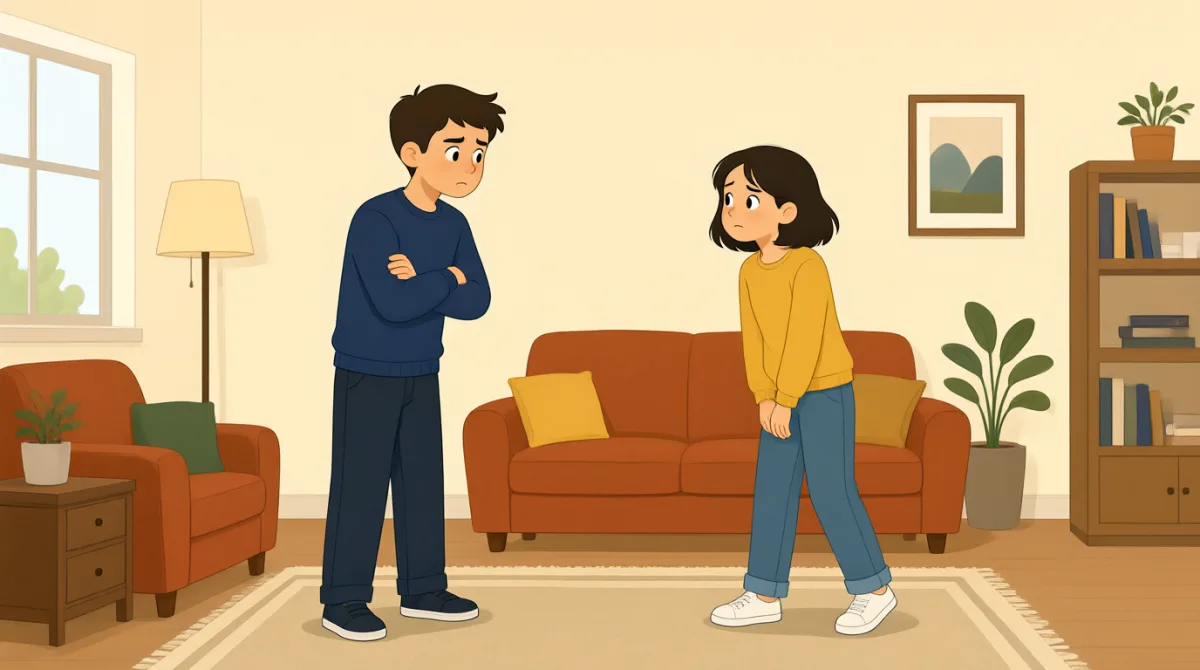

I want to address the missed handoff last Thursday. I waited outside the school for forty minutes, and the children were confused. This cannot keep happening.
أريد أن نتناول ما حدث يوم الخميس الماضي عندما لم يتم تسليم الأطفال في الموعد. انتظرت خارج المدرسة أربعين دقيقة، وكان الأطفال مرتبكين. لا يمكن أن يستمر هذا الأمر.

I know I was late, Jack, and I regret that the children had to wait. But your message made it sound as if I had deliberately abandoned them. That was unfair.
أعرف أنني تأخرت يا جاك، وأنا آسفة لأن الأطفال اضطروا إلى الانتظار. لكن رسالتك أوحت وكأنني تخليت عنهم عمدًا، وهذا لم يكن منصفًا.
I was angry because you did not tell me what was happening. And this is not the first time I have had to rearrange my afternoon at the last minute.
غضبت لأنك لم تخبريني بما كان يحدث. وهذه ليست المرة الأولى التي أضطر فيها إلى تغيير خططي بعد الظهر في اللحظة الأخيرة.
You are turning one late pickup into a verdict on my parenting. I have covered for you plenty of times, but I do not bring every mistake into mediation.
أنت تحوّل تأخرًا واحدًا في اصطحاب الأطفال إلى حكم على قدرتي على تربيتهم. لقد توليت الأمر نيابة عنك مرات كثيرة، لكنني لا أحضر كل خطأ إلى جلسة الوساطة.

Let me pause you both. I hear a practical concern about reliability, and I also hear hurt about feeling judged. For a moment, let us separate those issues from the older grievances.
دعاني أوقفكما قليلًا. أسمع قلقًا عمليًا بشأن الالتزام بالمواعيد، وأسمع أيضًا ألمًا بسبب الشعور بأن أحدكما يتعرض للحكم عليه. دعونا، للحظة، نفصل هذه المسائل عن الخلافات القديمة.
I can own that my message was sharper than it needed to be. What I need, though, is a way to know promptly if a handoff is going to be delayed.
أستطيع الإقرار بأن رسالتي كانت أقسى مما ينبغي. لكن ما أحتاج إليه هو أن أعرف بسرعة إذا كان تسليم الأطفال سيتأخر.
That is reasonable. My phone was on silent during a meeting, but I should have sent an update as soon as I could. I do not want the children caught between us.
هذا طلب معقول. كان هاتفي على الوضع الصامت أثناء اجتماع، لكن كان ينبغي أن أرسل تحديثًا ما إن أتمكن من ذلك. لا أريد أن يجد الأطفال أنفسهم عالقين بيننا.
Then let us focus on what would help the children feel secure. Could you agree to notify each other as soon as a delay becomes likely, and give an estimated arrival time?
إذن فلنركز على ما يساعد الأطفال على الشعور بالأمان. هل يمكنكما الاتفاق على إبلاغ كل منكما الآخر فور أن يصبح التأخير محتملًا، مع ذكر موعد وصول تقديري؟
Yes. If there is no response after fifteen minutes, I would like us to have a backup contact method—not to escalate things, just to confirm the children are accounted for.
نعم. إذا لم يصل رد خلال خمس عشرة دقيقة، فأود أن نتفق على وسيلة اتصال احتياطية، لا لتصعيد الأمور، بل للتأكد من أن الأطفال في عهدة أحدنا.
I can agree to that, provided the backup is used only for logistics and not as a way to reopen the argument. We should also tell the children the plan calmly, without assigning blame.
أستطيع الموافقة على ذلك، بشرط أن تُستخدم وسيلة الاتصال الاحتياطية للأمور العملية فقط، لا لإعادة فتح الخلاف. وينبغي أيضًا أن نخبر الأطفال بالخطة بهدوء، من دون إلقاء اللوم على أحد.
That sounds workable. Before we move on, is there anything either of you needs to acknowledge so this agreement is not simply covering over what happened?
يبدو ذلك قابلًا للتطبيق. قبل أن ننتقل إلى موضوع آخر، هل هناك شيء يحتاج أي منكما إلى الإقرار به حتى لا يكون هذا الاتفاق مجرد محاولة لتغطية ما حدث؟
I am sorry I made you feel accused rather than addressing the problem. I still need dependable communication, but I can raise that without making the children’s handoff a referendum on our past.
آسف لأنني جعلتك تشعرين بأنني أتهمك بدلًا من معالجة المشكلة. ما زلت أحتاج إلى تواصل يمكن الاعتماد عليه، لكن يمكنني طرح هذا الأمر من دون تحويل تسليم الأطفال إلى محاكمة لماضينا.
المفردات8
- missed handoffتعذّر تسليم الأطفال في الموعد
A missed handoff is when a parent does not arrive as planned to transfer the children to the other parent. Here, it refers to the delayed pickup outside the school.
يُقال «تعذّر تسليم الأطفال في الموعد» عندما لا يصل أحد الوالدين في الوقت المتفق عليه لتسليم الأطفال إلى الوالد الآخر. ويشير التعبير هنا إلى التأخر في اصطحابهم من أمام المدرسة.
- at the last minuteفي اللحظة الأخيرة
This means with very little notice, just before something needs to happen. It describes how the schedule changes affect Jack's afternoon.
تعني هذه العبارة أن يحدث شيء بإشعار قصير جدًا، قبل الموعد الذي ينبغي أن يحدث فيه بقليل. وهي تصف أثر تغييرات الجدول في خطط جاك بعد الظهر.
- a verdict on my parentingحكم على قدرتي على تربية أطفالي
A verdict is a judgment or decision about someone. Grace uses this phrase to say Jack is treating one mistake as proof that she is a bad parent.
الحكم هو تقييم أو قرار بشأن شخص ما. تستخدم غريس هذه العبارة لتقول إن جاك يتعامل مع خطأ واحد كما لو كان دليلًا على أنها أم سيئة.
- I can own thatأستطيع الإقرار بمسؤوليتي عن ذلك
This means “I can accept responsibility for that.” It is a useful way to acknowledge your part in a disagreement without giving up your other concerns.
تعني عبارة
- as soon as a delay becomes likelyفور أن يصبح التأخير محتملًا
This means to give notice when it seems probable that someone will be late, rather than waiting until the delay is certain. It can help people make practical plans.
تعني هذه العبارة إبلاغ الطرف الآخر عندما يبدو أن التأخر مرجح، بدلًا من الانتظار حتى يصبح مؤكدًا. ويمكن أن يساعد ذلك الناس على وضع خطط عملية.
- a backup contact methodوسيلة اتصال احتياطية
This is an alternative way to get in touch if the usual method does not work. In this conversation, it is intended to confirm that the children are accounted for.
هي وسيلة بديلة للتواصل إذا لم تنجح الوسيلة المعتادة. والمقصود بها في هذا الحوار التأكد من أن الأطفال في عهدة أحد الوالدين.
- covering over what happenedتغطية ما حدث أو تجاهله
This means hiding or ignoring a problem instead of addressing it. Mia asks whether anything needs to be acknowledged so the agreement does not avoid the hurt caused by the incident.
تعني هذه العبارة إخفاء مشكلة أو تجاهلها بدلًا من معالجتها. تسأل ميا إن كان هناك ما ينبغي الإقرار به، كي لا يتجنب الاتفاق معالجة الأذى الذي تسبب فيه الموقف.
- a referendum on our pastمحاكمة لماضينا
A referendum is usually a vote on an important issue; here, Jack uses it figuratively to mean a judgment on the history of their relationship. He says he can raise a current concern without turning it into a judgment about their past.
الاستفتاء تصويت على مسألة مهمة عادةً؛ لكن جاك يستخدم الكلمة هنا مجازيًا بمعنى إصدار حكم على تاريخ علاقتهما. وهو يقول إنه يستطيع طرح مشكلة حاضرة من دون تحويلها إلى حكم على ماضيهما.
الجمل الأساسية8
- 1
I hear a practical concern about reliability, and I also hear hurt about feeling judged.
أسمع قلقًا عمليًا بشأن الالتزام بالمواعيد، وأسمع أيضًا ألمًا بسبب الشعور بأن أحدكما يتعرض للحكم عليه.
This sentence acknowledges two sides of a disagreement without taking sides. You can reuse the structure “I hear [concern], and I also hear [feeling]” to show that you understand both the practical issue and its emotional impact.
تعترف هذه الجملة بوجود جانبين للخلاف من دون الانحياز لأي طرف. يمكنك إعادة استخدام التركيب “I hear [concern], and I also hear [feeling]” لتوضيح أنك تفهم المسألة العملية وأثرها العاطفي معًا.
- 2
For a moment, let us separate those issues from the older grievances.
دعونا، للحظة، نفصل هذه المسائل عن الخلافات القديمة.
This is a calm way to redirect a conversation that is becoming overwhelmed by past conflicts. “Let us separate [current issue] from [other concern]” helps people return to the matter they can address now.
هذه طريقة هادئة لإعادة توجيه حوار طغت عليه الخلافات السابقة. ويساعد التركيب “Let us separate [current issue] from [other concern]” الناس على العودة إلى المسألة التي يمكنهم معالجتها الآن.
- 3
I can own that my message was sharper than it needed to be.
أستطيع الإقرار بأن رسالتي كانت أقسى مما ينبغي.
This sentence takes responsibility for a specific action while leaving room to discuss the underlying problem. Reuse “I can own that…” to make a direct, measured acknowledgment.
تتحمل هذه الجملة مسؤولية تصرف محدد، مع إبقاء المجال مفتوحًا لمناقشة المشكلة الأساسية. أعد استخدام “I can own that…” لتقديم إقرار مباشر ومتزن.
- 4
What I need, though, is a way to know promptly if a handoff is going to be delayed.
لكن ما أحتاج إليه هو طريقة تتيح لي معرفة ما إذا كان تسليم الأطفال سيتأخر، وبسرعة.
This sentence shifts from an apology to a clear request about future communication. “What I need is a way to…” is useful for stating a practical need without making a personal accusation.
تنقل هذه الجملة الحديث من الاعتذار إلى طلب واضح بشأن التواصل في المستقبل. يفيد التركيب “What I need is a way to…” في التعبير عن حاجة عملية من دون توجيه اتهام شخصي.
- 5
Could you agree to notify each other as soon as a delay becomes likely, and give an estimated arrival time?
هل يمكنكما الاتفاق على إبلاغ كل منكما الآخر فور أن يصبح التأخير محتملًا، مع ذكر موعد وصول تقديري؟
This is a collaborative question that proposes specific actions rather than assigning blame. You can use “Could you agree to…” when seeking a clear, mutual commitment.
هذا سؤال تعاوني يقترح خطوات محددة بدلًا من إلقاء اللوم. يمكنك استخدام “Could you agree to…” عند طلب التزام متبادل وواضح.
- 6
I can agree to that, provided the backup is used only for logistics and not as a way to reopen the argument.
أستطيع الموافقة على ذلك، بشرط أن تُستخدم وسيلة الاتصال الاحتياطية للأمور العملية فقط، لا لإعادة فتح الخلاف.
This sentence accepts a proposal while setting a reasonable condition. “I can agree to that, provided…” is useful when you want to cooperate but clarify the limits of an agreement.
تقبل هذه الجملة اقتراحًا مع وضع شرط معقول. ويفيد التركيب “I can agree to that, provided…” عندما تريد التعاون مع توضيح حدود الاتفاق.
- 7
We should also tell the children the plan calmly, without assigning blame.
ينبغي أيضًا أن نخبر الأطفال بالخطة بهدوء، من دون إلقاء اللوم على أحد.
This sentence keeps the children’s needs central and recommends a neutral way to communicate. The phrase “without assigning blame” can help frame a discussion around solutions rather than fault.
تركز هذه الجملة على احتياجات الأطفال وتقترح طريقة محايدة للتواصل. وقد تساعد عبارة “without assigning blame” على توجيه النقاش نحو الحلول بدلًا من البحث عمن أخطأ.
- 8
I still need dependable communication, but I can raise that without making the children’s handoff a referendum on our past.
ما زلت أحتاج إلى تواصل يمكن الاعتماد عليه، لكن يمكنني طرح هذا الأمر من دون تحويل تسليم الأطفال إلى محاكمة لماضينا.
This sentence expresses an ongoing need while showing a commitment to address it constructively. “I still need…, but I can…” is a useful way to balance firmness with accountability.
تعبر هذه الجملة عن حاجة مستمرة، مع إظهار الالتزام بمعالجتها بطريقة بنّاءة. ويفيد التركيب “I still need…, but I can…” في الجمع بين الحزم وتحمل المسؤولية.