Picking Up Medicine
استلام الدواء
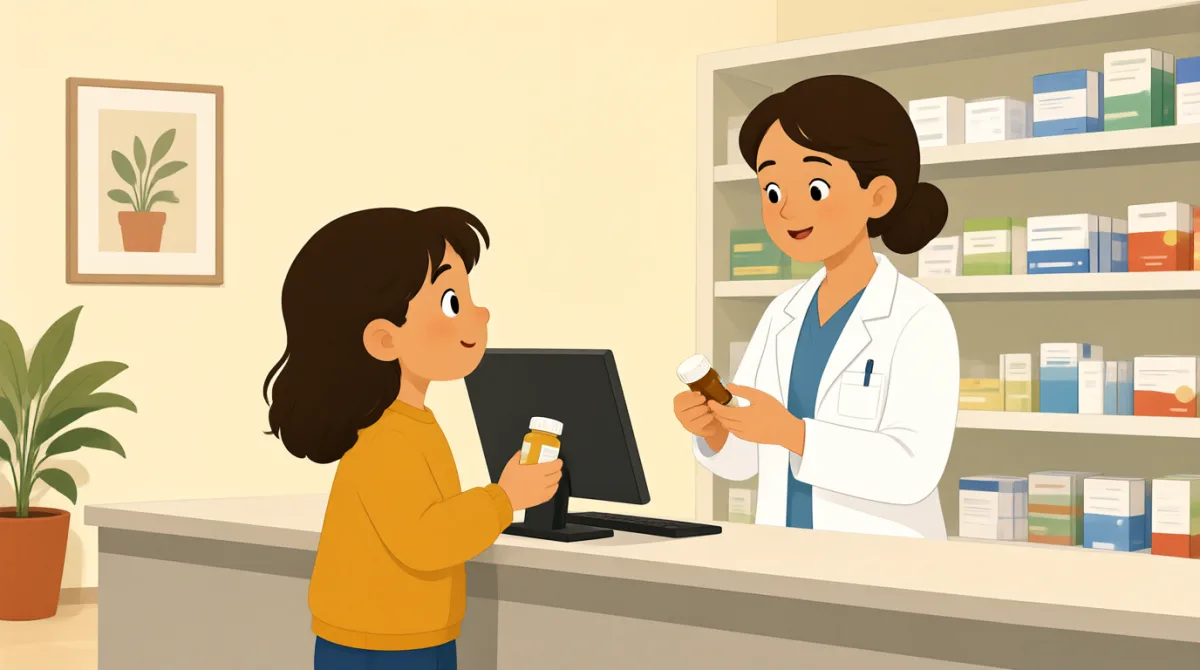
Leo picks up medicine at the pharmacy and asks the pharmacist how to take it. The pharmacist explains the dose and when to take it.
يستلم ليو دواءً في الصيدلية ويسأل الصيدلي عن طريقة تناوله. يشرح الصيدلي الجرعة ومواعيد تناول الدواء.
حوار8

Hi, I’m here to pick up some cold medicine. The doctor sent in a prescription.
مرحبًا، جئت لاستلام دواء للزكام. أرسل الطبيب وصفة طبية.

Sure. What’s your name? I’ll check the prescription for you.
بالتأكيد. ما اسمك؟ سأتحقق من الوصفة لك.
Leo Martinez. I’ve had a cough and a stuffy nose for a few days.
ليو مارتينيز. أعاني من السعال وانسداد الأنف منذ بضعة أيام.
I found it. Take one tablet every six hours with water.
وجدتها. تناول قرصًا واحدًا كل ست ساعات مع الماء.
Should I take it with food, or is an empty stomach okay?
هل أتناوله مع الطعام، أم لا بأس بتناوله على معدة فارغة؟
You can take it with or without food. Don’t take more than four tablets a day.
يمكنك تناوله مع الطعام أو من دونه. لا تتناول أكثر من أربعة أقراص في اليوم.
Got it. Can I take it before bed if my cough keeps me up?
فهمت. هل يمكنني تناوله قبل النوم إذا كان سعالي يمنعني من النوم؟
Yes, but it may make you sleepy. Don’t drive after taking it.
نعم، لكن قد يسبب لك النعاس. لا تقد السيارة بعد تناوله.
المفردات8
- pick upيستلم
To go and get something, such as medicine you ordered from a pharmacy.
الذهاب للحصول على شيء، مثل دواء طلبته من الصيدلية.
- prescriptionوصفة طبية
A doctor's written order for medicine. You can say, “I have a prescription for this medicine.”
أمر مكتوب من الطبيب للحصول على دواء. يمكنك أن تقول: “I have a prescription for this medicine.” (لدي وصفة طبية لهذا الدواء.)
- stuffy noseانسداد الأنف
A nose that feels blocked, often because you have a cold. You can use this phrase to describe a symptom.
أن تشعر بأن أنفك مسدود، غالبًا بسبب إصابتك بالزكام. يمكنك استخدام هذه العبارة لوصف أحد الأعراض.
- every six hoursكل ست ساعات
This tells you how often to take the medicine. You can use “every [number] hours” to talk about how often to do something.
توضح هذه العبارة عدد المرات التي ينبغي فيها تناول الدواء. يمكنك استخدام “every [number] hours” (كل [عدد] ساعات) للتحدث عن عدد مرات القيام بشيء ما.
- with or without foodمع الطعام أو من دونه
This means you can take the medicine whether or not you have eaten. It is useful when asking about medicine instructions.
تعني هذه العبارة أنه يمكنك تناول الدواء سواء أكنت قد أكلت أم لا. وهي مفيدة عند السؤال عن تعليمات تناول الدواء.
- more than four tablets a dayأكثر من أربعة أقراص في اليوم
This describes the maximum amount to take in one day. You can use “more than” to talk about a limit.
تصف هذه العبارة الحد الأقصى للكمية التي يمكن تناولها في يوم واحد. يمكنك استخدام “more than” (أكثر من) للتحدث عن حد معين.
- keeps me upيمنعني من النوم
This means something stops you from sleeping. You can say, “The noise keeps me up,” to explain why you cannot sleep.
تعني هذه العبارة أن شيئًا ما يحول دون نومك. يمكنك أن تقول: “The noise keeps me up,” (الضجيج يمنعني من النوم) لتوضيح سبب عدم قدرتك على النوم.
- make you sleepyيسبب لك النعاس
This means something may make you feel tired and ready to sleep. It is useful to understand warnings about medicine.
تعني هذه العبارة أن شيئًا ما قد يجعلك تشعر بالتعب والرغبة في النوم. ومن المفيد فهمها عند قراءة التحذيرات المتعلقة بالأدوية.
الجمل الأساسية7
- 1
The doctor sent in a prescription.
أرسل الطبيب وصفة طبية.
Use this to explain that your doctor has sent a medicine order to the pharmacy. You can replace “The doctor” with “My doctor.”
استخدم هذه الجملة لتوضح أن طبيبك أرسل وصفة دواء إلى الصيدلية. يمكنك استبدال “The doctor” (الطبيب) بعبارة “My doctor” (طبيبي).
- 2
I’ve had a cough and a stuffy nose for a few days.
أعاني من السعال وانسداد الأنف منذ بضعة أيام.
This is a clear way to describe cold symptoms and how long you have had them. Replace the symptoms or the length of time to fit your situation.
هذه طريقة واضحة لوصف أعراض الزكام ومدة استمرارها. غيّر الأعراض أو المدة لتناسب حالتك.
- 3
Take one tablet every six hours with water.
تناول قرصًا واحدًا كل ست ساعات مع الماء.
This gives simple instructions for how much medicine to take and how often. You can reuse “Take [amount] every [number] hours” for other instructions.
تقدم هذه الجملة تعليمات بسيطة عن كمية الدواء وعدد مرات تناوله. يمكنك استخدام “Take [amount] every [number] hours” (تناول [الكمية] كل [عدد] ساعات) لإعطاء تعليمات أخرى.
- 4
Should I take it with food, or is an empty stomach okay?
هل أتناوله مع الطعام، أم لا بأس بتناوله على معدة فارغة؟
Use this to ask whether medicine should be taken with a meal. You can change “it” to the name of a medicine.
استخدم هذه الجملة للسؤال عما إذا كان ينبغي تناول الدواء مع وجبة. يمكنك استبدال “it” (إياه) باسم الدواء.
- 5
Don’t take more than four tablets a day.
لا تتناول أكثر من أربعة أقراص في اليوم.
This is a useful way to give a maximum daily amount. Replace “four tablets” with the correct limit.
هذه طريقة مفيدة لتحديد الحد الأقصى للكمية اليومية. استبدل “four tablets” (أربعة أقراص) بالحد الصحيح.
- 6
Can I take it before bed if my cough keeps me up?
هل يمكنني تناوله قبل النوم إذا كان سعالي يمنعني من النوم؟
Use this to ask if you can take medicine before sleeping and explain why. You can replace “my cough” with another problem that affects your sleep.
استخدم هذه الجملة للسؤال عما إذا كان بإمكانك تناول الدواء قبل النوم، مع توضيح السبب. يمكنك استبدال “my cough” (سعالي) بمشكلة أخرى تؤثر في نومك.
- 7
Don’t drive after taking it.
لا تقد السيارة بعد تناوله.
This gives a clear safety warning. You can use “Don’t [action] after [activity]” to explain what someone should avoid.
تقدم هذه الجملة تحذيرًا واضحًا للسلامة. يمكنك استخدام “Don’t [action] after [activity]” (لا [تفعل شيئًا] بعد [نشاط]) لتوضيح ما ينبغي لشخص ما تجنبه.