Responding to a Medical Emergency
التعامل مع حالة طبية طارئة
A colleague suddenly collapses in the office, showing signs of a heart attack. You need to assess the situation, call emergency services, and provide initial first aid until paramedics arrive.
ينهار أحد الزملاء فجأة في المكتب، وتظهر عليه علامات نوبة قلبية. عليك تقييم الموقف، والاتصال بخدمات الطوارئ، وتقديم الإسعافات الأولية حتى وصول المسعفين.
حوار8
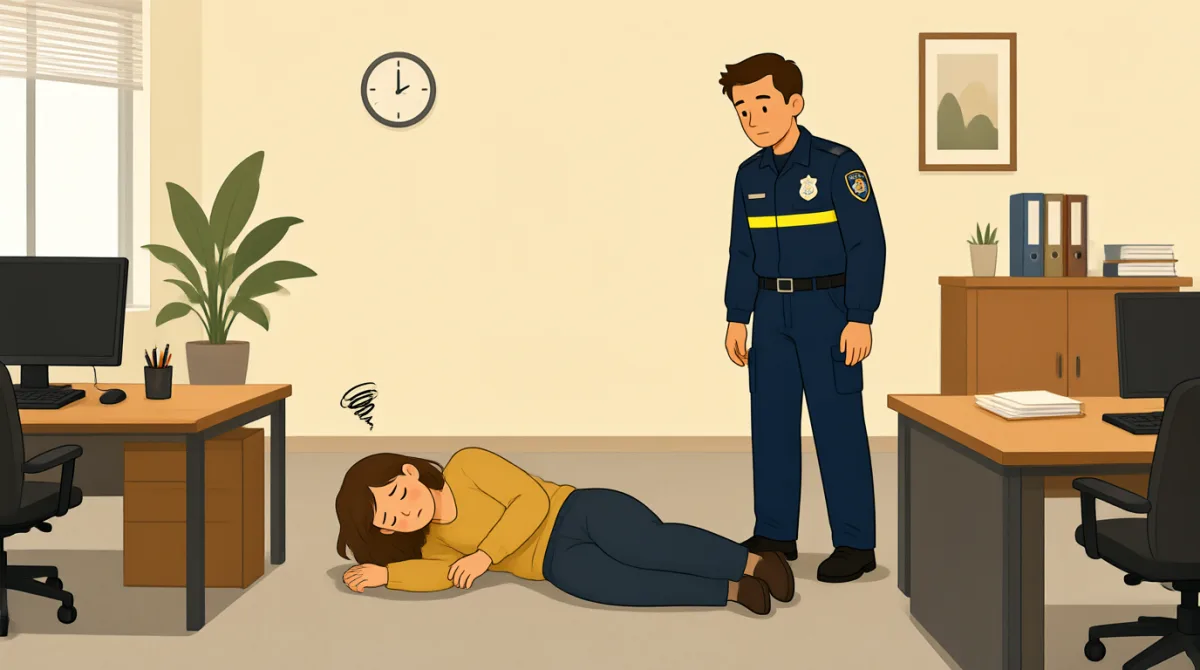

Oh my god, John! Are you okay? He just collapsed!
يا إلهي، جون! هل أنت بخير؟ لقد انهار للتو!

John? John, can you hear me? He's not responding. Call 911, Emma, now!
جون؟ جون، هل تسمعني؟ إنه لا يستجيب. اتصلي بالطوارئ يا إيما، الآن!
Okay, okay, I'm calling. What should I tell them? He's clutching his chest!
حسنًا، حسنًا، أنا أتصل. ماذا أقول لهم؟ إنه يمسك بصدره!
Tell them we have an unconscious male, possible heart attack, at the office. Give them our full address. And tell them to hurry!
أخبريهم أن لدينا رجلًا فاقدًا للوعي، يُحتمل أنه مصاب بنوبة قلبية، في المكتب. أعطيهم عنواننا كاملًا، وقولي لهم أن يسرعوا!
They're asking if he's breathing. He is, but it's very shallow and gasping.
يسألون إن كان يتنفس. نعم، لكنه يتنفس بصعوبة وبأنفاس سطحية متقطعة.
Alright, tell them that. And try to loosen his tie or any tight clothing around his neck. Someone get the AED from the break room, quickly!
حسنًا، أخبريهم بذلك. وحاولي إرخاء ربطة عنقه أو أي ملابس ضيقة حول رقبته. ليحضر أحدكم جهاز مزيل الرجفان من غرفة الاستراحة، بسرعة!
They said paramedics are on their way, estimated 5-7 minutes. The caller ID will show our address automatically for them.
قالوا إن المسعفين في الطريق، وسيصلون خلال 5-7 دقائق تقريبًا. سيظهر لهم عنواننا تلقائيًا على شاشة المتصل.
Good. Keep an eye on his breathing. Don't move him unless absolutely necessary. We just need to keep him comfortable until they arrive.
جيد. راقبي تنفسه. لا تحركوه إلا إذا كان ذلك ضروريًا للغاية. علينا فقط أن نبقيه مرتاحًا حتى يصلوا.
المفردات10
- collapsedانهار
Past tense of 'collapse', meaning to suddenly fall down because of illness or injury. Useful in emergencies to describe someone fainting or falling.
'collapsed' هو الماضي من 'collapse'، ويعني السقوط المفاجئ بسبب مرض أو إصابة. تُستخدم الكلمة في حالات الطوارئ لوصف شخص أُغمي عليه أو سقط.
- respondingيستجيب
Present participle of 'respond', meaning to react or answer. In emergencies, 'not responding' means the person is unconscious and not reacting to calls or touches.
'responding' هو اسم الفاعل من 'respond'، ويعني التفاعل أو الإجابة. في حالات الطوارئ، تعني عبارة 'not responding' أن الشخص فاقد للوعي ولا يتفاعل مع النداء أو اللمس.
- clutchingيمسك بإحكام
Present participle of 'clutch', meaning to hold something tightly, often in pain. Here, it shows the person is holding their chest due to heart pain.
'clutching' هو اسم الفاعل من 'clutch'، ويعني الإمساك بشيء بقوة، غالبًا بسبب الألم. هنا، يوضح أن الشخص يمسك بصدره بسبب ألم في القلب.
- unconsciousفاقد للوعي
Adjective describing someone who is not awake and cannot think or react. Important for medical emergencies to tell responders.
'unconscious' صفة تصف شخصًا ليس مستيقظًا ولا يستطيع التفكير أو التفاعل. من المهم إبلاغ فرق الاستجابة بهذه الحالة في الطوارئ الطبية.
- heart attackنوبة قلبية
Noun phrase for a serious medical emergency when blood flow to the heart stops, causing chest pain. Common in dialogues about sudden collapses.
'heart attack' عبارة اسمية تشير إلى حالة طبية طارئة وخطيرة يتوقف فيها تدفق الدم إلى القلب، مما يسبب ألمًا في الصدر. كثيرًا ما ترد في حوارات الحديث عن الانهيار المفاجئ.
- shallowسطحي
Adjective meaning not deep or full. Used for breathing that is light and not strong, a sign of distress in emergencies.
'shallow' صفة تعني غير عميق أو غير كامل. تُستخدم لوصف التنفس الخفيف والضعيف، وهو علامة على وجود ضائقة في حالات الطوارئ.
- gaspingيلهث
Present participle of 'gasp', meaning to breathe quickly and with difficulty, often making short sounds. Describes labored breathing in crises.
'gasping' هو اسم الفاعل من 'gasp'، ويعني التنفس بسرعة وبصعوبة، وغالبًا مع إصدار أنفاس قصيرة. يصف التنفس المجهد في الأزمات.
- loosenيُرخي
Verb meaning to make something less tight. In first aid, you loosen clothing to help breathing during emergencies.
'loosen' فعل يعني جعل شيء أقل إحكامًا. في الإسعافات الأولية، تُرخى الملابس الضيقة لمساعدة المصاب على التنفس في حالات الطوارئ.
- AEDجهاز مزيل الرجفان الخارجي الآلي
Acronym for Automated External Defibrillator, a device that shocks the heart to restart it in cardiac arrests. Essential knowledge for office safety.
'AED' اختصار لـ 'Automated External Defibrillator'، أي جهاز مزيل الرجفان الخارجي الآلي. يرسل الجهاز صدمة كهربائية إلى القلب في حالات توقفه، ومعرفة مكانه ضرورية للاستعداد للطوارئ في المكتب.
- paramedicsالمسعفون
Noun for trained medical workers who arrive in ambulances for emergencies. Use this when calling for professional help.
'paramedics' اسم للعاملين الطبيين المدربين الذين يصلون بسيارات الإسعاف للتعامل مع الحالات الطارئة. استخدم هذه الكلمة عند طلب المساعدة الطبية المتخصصة.
الجمل الأساسية8
- 1
Oh my god, John! Are you okay? He just collapsed!
يا إلهي، جون! هل أنت بخير؟ لقد انهار للتو!
This shows an exclamation of shock using 'Oh my god' for surprise, a question 'Are you okay?' to check on someone, and 'just' for recent action. Useful for immediate reactions in emergencies to alert others.
تُظهر هذه الجملة تعبيرًا عن الصدمة باستخدام 'Oh my god' للتعبير عن المفاجأة، وسؤال 'Are you okay?' للاطمئنان على شخص، وكلمة 'just' للدلالة على أن الفعل حدث للتو. تفيد هذه الصيغة في ردود الفعل الفورية أثناء الطوارئ وتنبيه الآخرين.
- 2
John? John, can you hear me? He's not responding.
جون؟ جون، هل تسمعني؟ إنه لا يستجيب.
Repetition of the name gets attention, followed by a yes/no question 'can you hear me?' to test consciousness. 'Not responding' uses present continuous for ongoing state. Practical for assessing if someone is awake.
يُكرَّر الاسم لجذب الانتباه، ثم يأتي سؤال نعم أو لا 'can you hear me?' للتحقق من الوعي. وتستخدم عبارة 'Not responding' المضارع المستمر لوصف حالة مستمرة. هذه صيغة عملية لمعرفة ما إذا كان الشخص مستيقظًا.
- 3
Call 911, Emma, now!
اتصلي بالطوارئ يا إيما، الآن!
Imperative sentence commanding action with 'call' verb, direct address 'Emma', and 'now' for urgency. In the US, 911 is the emergency number; use this pattern to urgently request help.
هذه جملة أمر تطلب اتخاذ إجراء، باستخدام الفعل 'call'، والنداء المباشر 'Emma'، وكلمة 'now' للتأكيد على الاستعجال. الرقم 911 هو رقم الطوارئ في الولايات المتحدة؛ استخدم هذه الصيغة لطلب المساعدة بشكل عاجل.
- 4
Tell them we have an unconscious male, possible heart attack, at the office.
أخبريهم أن لدينا رجلًا فاقدًا للوعي، يُحتمل أنه مصاب بنوبة قلبية، في المكتب.
Imperative 'tell them' with object clause describing the situation using commas for details. 'Possible' shows uncertainty. Useful for giving clear info to emergency services over the phone.
يبدأ الأمر بـ 'tell them'، ثم تأتي جملة تشرح الموقف مع تفاصيل مفصولة بفواصل. وتشير كلمة 'possible' إلى عدم التأكد. تفيد هذه الصيغة في تقديم معلومات واضحة لخدمات الطوارئ عبر الهاتف.
- 5
He is, but it's very shallow and gasping.
نعم، لكنه يتنفس بصعوبة وبأنفاس سطحية متقطعة.
Short affirmative answer 'He is' to a yes/no question, contrasted with 'but' and adjectives describing breathing. Demonstrates how to report symptoms precisely during a call.
الإجابة القصيرة المثبتة 'He is' تجيب عن سؤال بنعم أو لا، ثم تأتي 'but' للمقارنة، تليها صفات تصف التنفس. توضح هذه الجملة كيفية الإبلاغ بدقة عن الأعراض أثناء مكالمة الطوارئ.
- 6
Try to loosen his tie or any tight clothing around his neck.
حاولي إرخاء ربطة عنقه أو أي ملابس ضيقة حول رقبته.
Imperative 'try to' suggests action politely, with infinitive 'loosen' and alternatives 'or any'. Includes prepositional phrase 'around his neck'. Key for first aid instructions in crises.
تُستخدم صيغة الأمر 'try to' لاقتراح القيام بشيء، ويأتي بعدها الفعل 'loosen' بصيغة المصدر، ثم الخيار 'or any'. وتتضمن العبارة شبه الجملة 'around his neck'. هذه صيغة أساسية لإعطاء تعليمات الإسعافات الأولية في الأزمات.
- 7
Paramedics are on their way, estimated 5-7 minutes.
المسعفون في الطريق، وسيصلون خلال 5-7 دقائق تقريبًا.
Present continuous 'are on their way' for ongoing movement, with 'estimated' for approximate time using numbers. Useful to update others on help arrival time.
تُستخدم صيغة المضارع المستمر في 'are on their way' لوصف حركة جارية، وتدل كلمة 'estimated' على أن الوقت تقريبي، مع ذكر الأرقام. تفيد هذه الصيغة في إطلاع الآخرين على موعد وصول المساعدة.
- 8
Keep an eye on his breathing. Don't move him unless absolutely necessary.
راقبي تنفسه. لا تحركيه إلا إذا كان ذلك ضروريًا للغاية.
Imperatives for advice: 'keep an eye on' is an idiom meaning watch closely, negative 'don't move' with conditional 'unless'. Shows safety instructions while waiting for help.
تتضمن هذه الجملة تعليمات بصيغة الأمر. التعبير الاصطلاحي 'keep an eye on' يعني المراقبة عن كثب، وتأتي صيغة النفي 'don't move' مع أداة الشرط 'unless'. وتوضح الجملة تعليمات السلامة أثناء انتظار المساعدة.