Planning the Investigation With an Editor
วางแผนการสืบสวนกับบรรณาธิการ
Reporter Emma Carter briefs editor Grace Wilson on allegations of improper safety inspections at a local plant. They map out what is known, what remains unverified, and how to approach a source who may be reluctant to speak.
เอ็มมา คาร์เตอร์ นักข่าวรายงานให้เกรซ วิลสัน บรรณาธิการทราบถึงข้อกล่าวหาเรื่องการตรวจสอบความปลอดภัยที่ไม่เหมาะสมในโรงงานท้องถิ่น ทั้งคู่ช่วยกันแยกแยะว่าเรื่องใดทราบแล้ว เรื่องใดยังไม่ได้รับการยืนยัน และจะเข้าหาแหล่งข่าวที่อาจไม่เต็มใจให้สัมภาษณ์อย่างไร
บทสนทนา10
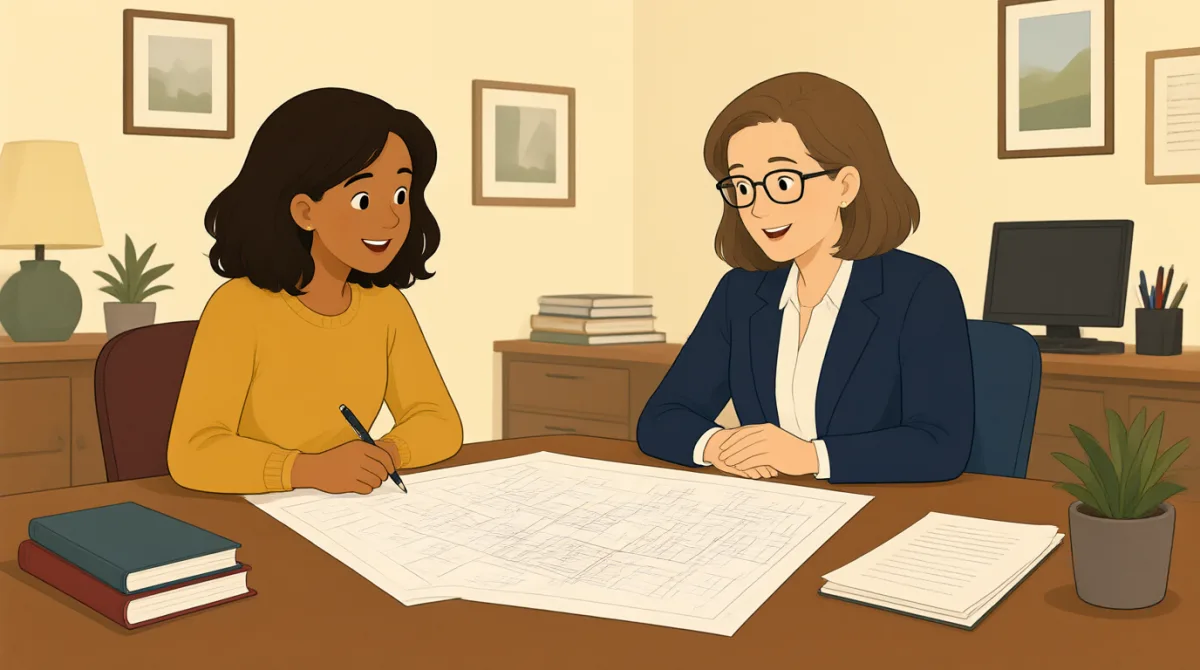

I’ve received two accounts alleging that safety inspections at the plant were signed off without being completed. I want to separate what we can document from what we’ve only been told.
ฉันได้รับข้อมูลจากสองคนที่กล่าวหาว่ามีการลงนามรับรองการตรวจสอบความปลอดภัยที่โรงงาน ทั้งที่ยังไม่ได้ตรวจจริง ฉันอยากแยกให้ได้ว่าเรื่องไหนมีหลักฐานยืนยันได้ และเรื่องไหนเราแค่ได้รับคำบอกเล่ามา

Good. At this stage, treat those accounts as leads, not findings. What do the records actually show, and do the two sources have firsthand knowledge?
ดีค่ะ ตอนนี้ให้ถือว่าข้อมูลเหล่านั้นเป็นเบาะแส ไม่ใช่ข้อค้นพบ แล้วบันทึกแสดงอะไรจริง ๆ บ้าง และแหล่งข่าวทั้งสองมีความรู้โดยตรงหรือเปล่าคะ
One worked on the inspection team; the other says they saw completed forms entered after the fact. I haven’t seen the original forms, and neither has provided documentation yet.
คนหนึ่งเคยทำงานในทีมตรวจสอบ ส่วนอีกคนบอกว่าเห็นแบบฟอร์มที่กรอกเสร็จแล้วถูกบันทึกย้อนหลัง ฉันยังไม่เห็นแบบฟอร์มฉบับจริง และทั้งคู่ก็ยังไม่ได้ให้เอกสารอะไรมาเลยค่ะ
Then don’t collapse those into one claim. Ask each person what they observed directly, when they observed it, and what they’re inferring from someone else’s account.
ถ้าอย่างนั้นอย่าเอาสองเรื่องนี้ไปรวมเป็นข้อกล่าวหาเดียวกันค่ะ ถามแต่ละคนว่าเห็นอะไรด้วยตัวเอง เห็นเมื่อไร และอะไรเป็นเพียงข้อสันนิษฐานจากคำบอกเล่าของคนอื่น
I’m trying to reach a former employee who may know how the records were handled. They’re wary of being identified and haven’t agreed to speak yet.
ฉันกำลังพยายามติดต่ออดีตพนักงานคนหนึ่ง ซึ่งอาจรู้ว่ามีการจัดการบันทึกอย่างไร เขากังวลว่าจะถูกระบุตัวตน และยังไม่ตกลงให้สัมภาษณ์ค่ะ
Be clear about the purpose of the conversation and the ground rules before asking anything sensitive. Don’t promise anonymity unless we can realistically protect it.
อธิบายให้ชัดเจนก่อนว่าเราคุยกันไปเพื่ออะไร และมีข้อตกลงพื้นฐานอะไรบ้าง ก่อนจะถามเรื่องละเอียดอ่อน อย่าสัญญาว่าจะปกปิดตัวตน เว้นแต่เราจะทำได้จริงค่ะ
I can explain that we’ll discuss attribution first and that they can decline questions. But I can’t guarantee their identity could never be inferred from the details.
ฉันอธิบายได้ว่าเราจะคุยกันก่อนว่าจะระบุแหล่งข่าวอย่างไร และเขามีสิทธิ์ไม่ตอบคำถาม แต่ฉันรับประกันไม่ได้ว่าจะไม่มีทางอนุมานได้ว่าเป็นใครจากรายละเอียดที่ให้มาค่ะ
Exactly. Also, don’t imply that a source’s account proves misconduct. We need the inspection logs, the underlying forms, and a response from the plant before drawing conclusions.
ถูกต้องค่ะ แล้วก็อย่าทำให้เข้าใจว่าคำบอกเล่าของแหล่งข่าวพิสูจน์ว่ามีการกระทำผิด เราต้องได้บันทึกการตรวจสอบ แบบฟอร์มต้นฉบับ และคำชี้แจงจากโรงงานก่อนจะสรุปอะไรค่ะ
I’ll request the public logs and look for dates, signatures, and any gaps that can be independently checked. If something conflicts, I’ll ask whether there’s a routine explanation.
ฉันจะขอบันทึกที่เปิดเผยต่อสาธารณะ แล้วตรวจดูวันที่ ลายเซ็น และช่องว่างต่าง ๆ ที่สามารถตรวจสอบยืนยันได้อย่างอิสระ ถ้าพบข้อมูลขัดแย้งกัน ฉันจะถามว่ามีคำอธิบายตามปกติหรือไม่ค่ะ
And keep a careful record of what we asked and what each person said. If the source agrees to speak, we can revisit attribution after we understand the evidence and the risks.
แล้วก็จดบันทึกอย่างละเอียดว่าเราถามอะไรและแต่ละคนตอบว่าอย่างไร ถ้าแหล่งข่าวตกลงให้สัมภาษณ์ เราค่อยกลับมาคุยเรื่องการระบุแหล่งข่าวอีกครั้ง หลังจากเข้าใจหลักฐานและความเสี่ยงแล้วค่ะ
คำศัพท์7
- leadsเบาะแส
Leads are pieces of information that may help an investigation but have not been confirmed. Here, the accounts point to issues that still need to be checked.
เบาะแสคือข้อมูลที่อาจช่วยในการสืบสวน แต่ยังไม่ได้รับการยืนยัน ในที่นี้ คำบอกเล่าชี้ให้เห็นประเด็นที่ยังต้องตรวจสอบค่ะ
- firsthand knowledgeความรู้โดยตรง
This means knowing something from your own direct experience, rather than hearing it from someone else. Journalists ask about it to assess how reliable a source’s information may be.
หมายถึงการรู้เรื่องใดเรื่องหนึ่งจากประสบการณ์ตรงของตัวเอง ไม่ใช่ได้ยินมาจากคนอื่น นักข่าวถามเรื่องนี้เพื่อประเมินว่าข้อมูลจากแหล่งข่าวน่าเชื่อถือแค่ไหนค่ะ
- after the factย้อนหลัง
This means something was done after the event it was supposed to record. Here, the phrase suggests forms may have been entered after the inspections took place.
หมายถึงการทำสิ่งใดสิ่งหนึ่งหลังจากเหตุการณ์ที่สิ่งนั้นควรบันทึกไว้ ในที่นี้ สำนวนนี้ชวนให้คิดว่าอาจมีการกรอกแบบฟอร์มหลังจากการตรวจสอบเกิดขึ้นแล้วค่ะ
- ground rulesข้อตกลงพื้นฐาน
Ground rules are the conditions or expectations agreed on before a conversation. In an interview, they can cover attribution, confidentiality, and the source’s right not to answer.
ข้อตกลงพื้นฐานคือเงื่อนไขหรือความคาดหวังที่ตกลงกันก่อนเริ่มพูดคุย ในการสัมภาษณ์ อาจรวมถึงการระบุแหล่งข่าว การรักษาความลับ และสิทธิ์ของแหล่งข่าวที่จะไม่ตอบคำถามค่ะ
- attributionการระบุแหล่งข่าว
Attribution is how a journalist identifies or describes the source of information. It matters because a source may agree to speak only under certain conditions.
การระบุแหล่งข่าวคือวิธีที่นักข่าวบอกว่าใครเป็นผู้ให้ข้อมูลหรืออธิบายแหล่งที่มาของข้อมูล เรื่องนี้สำคัญเพราะแหล่งข่าวอาจยอมพูดภายใต้เงื่อนไขบางอย่างเท่านั้นค่ะ
- independently checkedตรวจสอบยืนยันได้อย่างอิสระ
This describes information that can be verified using evidence separate from the original account. Dates, signatures, and records can help confirm whether a claim is accurate.
ใช้บรรยายข้อมูลที่ตรวจสอบยืนยันได้ด้วยหลักฐานซึ่งแยกจากคำบอกเล่าต้นทาง วันที่ ลายเซ็น และบันทึกต่าง ๆ ช่วยยืนยันได้ว่าข้อกล่าวหาถูกต้องหรือไม่ค่ะ
- routine explanationคำอธิบายตามปกติ
A routine explanation is an ordinary, non-misconduct reason for something that appears unusual. Asking about one helps a journalist test competing interpretations fairly.
คำอธิบายตามปกติคือเหตุผลธรรมดาที่ไม่เกี่ยวกับการกระทำผิด สำหรับสิ่งที่ดูผิดปกติ การถามหาคำอธิบายเช่นนี้ช่วยให้นักข่าวตรวจสอบความเป็นไปได้ที่แตกต่างกันอย่างเป็นธรรมค่ะ
ประโยคสำคัญ8
- 1
At this stage, treat those accounts as leads, not findings.
ตอนนี้ให้ถือว่าข้อมูลเหล่านั้นเป็นเบาะแส ไม่ใช่ข้อค้นพบ
This sentence clearly distinguishes unverified information from established facts. Reuse the structure “Treat X as Y, not Z” when you need to emphasize caution.
ประโยคนี้แยกข้อมูลที่ยังไม่ได้รับการยืนยันออกจากข้อเท็จจริงที่พิสูจน์แล้วอย่างชัดเจน ลองนำโครงสร้าง “Treat X as Y, not Z” มาใช้เมื่ออยากเน้นให้ระมัดระวังค่ะ
- 2
What do the records actually show, and do the two sources have firsthand knowledge?
แล้วบันทึกแสดงอะไรจริง ๆ บ้าง และแหล่งข่าวทั้งสองมีความรู้โดยตรงหรือเปล่าคะ
This is a useful way to focus an investigation on evidence and the source’s direct experience. You can adapt it to ask what documents show and whether a person witnessed an event themselves.
ประโยคนี้เป็นวิธีที่ดีในการมุ่งเน้นการสืบสวนไปที่หลักฐานและประสบการณ์ตรงของแหล่งข่าว คุณปรับใช้เพื่อถามว่าเอกสารแสดงอะไร และใครเห็นเหตุการณ์นั้นด้วยตัวเองหรือไม่ก็ได้ค่ะ
- 3
Then don’t collapse those into one claim.
ถ้าอย่างนั้นอย่าเอาสองเรื่องนี้ไปรวมเป็นข้อกล่าวหาเดียวกันค่ะ
This concise sentence warns against merging separate accounts or allegations into a single assertion. Use “don’t collapse X into Y” when different details need to remain distinct.
ประโยคสั้น ๆ นี้เตือนไม่ให้รวมคำบอกเล่าหรือข้อกล่าวหาแยกกันเป็นข้ออ้างเดียว ใช้ “don’t collapse X into Y” เมื่อต้องการย้ำว่ารายละเอียดที่ต่างกันควรแยกจากกันค่ะ
- 4
Be clear about the purpose of the conversation and the ground rules before asking anything sensitive.
อธิบายให้ชัดเจนก่อนว่าเราคุยกันไปเพื่ออะไร และมีข้อตกลงพื้นฐานอะไรบ้าง ก่อนจะถามเรื่องละเอียดอ่อน
This gives practical guidance for beginning a delicate interview transparently. The structure “Be clear about X before doing Y” is useful for setting expectations in professional conversations.
ประโยคนี้ให้คำแนะนำที่นำไปใช้ได้จริงในการเริ่มสัมภาษณ์เรื่องละเอียดอ่อนอย่างตรงไปตรงมา โครงสร้าง “Be clear about X before doing Y” มีประโยชน์เมื่อต้องกำหนดความคาดหวังในการพูดคุยอย่างมืออาชีพค่ะ
- 5
Don’t promise anonymity unless we can realistically protect it.
อย่าสัญญาว่าจะปกปิดตัวตน เว้นแต่เราจะทำได้จริง
This sentence expresses an important ethical limit: do not guarantee protection you may be unable to provide. Reuse “Don’t promise X unless…” to set a careful boundary.
ประโยคนี้สื่อถึงข้อจำกัดทางจริยธรรมที่สำคัญ คืออย่ารับประกันการคุ้มครองในสิ่งที่เราอาจทำให้ไม่ได้ ลองใช้ “Don’t promise X unless…” เพื่อกำหนดขอบเขตอย่างรอบคอบค่ะ
- 6
We need the inspection logs, the underlying forms, and a response from the plant before drawing conclusions.
เราต้องได้บันทึกการตรวจสอบ แบบฟอร์มต้นฉบับ และคำชี้แจงจากโรงงานก่อนจะสรุปอะไร
This sentence lists the evidence needed before reaching a judgment. It is useful to adapt the pattern “We need X, Y, and Z before…” when explaining what must happen next.
ประโยคนี้แจกแจงหลักฐานที่จำเป็นก่อนจะตัดสินหรือลงข้อสรุป คุณปรับใช้รูปแบบ “We need X, Y, and Z before…” เพื่ออธิบายสิ่งที่ต้องทำต่อไปได้ค่ะ
- 7
If something conflicts, I’ll ask whether there’s a routine explanation.
ถ้าพบข้อมูลขัดแย้งกัน ฉันจะถามว่ามีคำอธิบายตามปกติหรือไม่ค่ะ
This shows how to investigate discrepancies without assuming wrongdoing. Use “If something conflicts, I’ll ask whether…” to describe a fair, evidence-minded next step.
ประโยคนี้แสดงวิธีตรวจสอบความไม่สอดคล้องโดยไม่ด่วนสรุปว่ามีการกระทำผิด ใช้ “If something conflicts, I’ll ask whether…” เพื่ออธิบายขั้นตอนถัดไปที่เป็นธรรมและยึดหลักฐานเป็นสำคัญค่ะ
- 8
If the source agrees to speak, we can revisit attribution after we understand the evidence and the risks.
ถ้าแหล่งข่าวตกลงให้สัมภาษณ์ เราค่อยกลับมาคุยเรื่องการระบุแหล่งข่าวอีกครั้ง หลังจากเข้าใจหลักฐานและความเสี่ยงแล้วค่ะ
This sentence explains that attribution can be discussed again once the situation is clearer. The pattern “If X, we can revisit Y after…” is useful for describing a conditional plan.
ประโยคนี้อธิบายว่าเราสามารถกลับมาคุยเรื่องการระบุแหล่งข่าวได้เมื่อเข้าใจสถานการณ์ชัดเจนขึ้น รูปแบบ “If X, we can revisit Y after…” มีประโยชน์เมื่อต้องอธิบายแผนที่ขึ้นอยู่กับเงื่อนไขค่ะ