Babysitter Instructions
คำแนะนำสำหรับพี่เลี้ยงเด็ก
Parents are giving instructions to a babysitter about their child's routine, feeding, bedtime, and emergency contacts.
พ่อแม่กำลังบอกกิจวัตร การกินอาหาร เวลาเข้านอน และเบอร์ติดต่อฉุกเฉินของลูกให้พี่เลี้ยงเด็กทราบ
บทสนทนา8
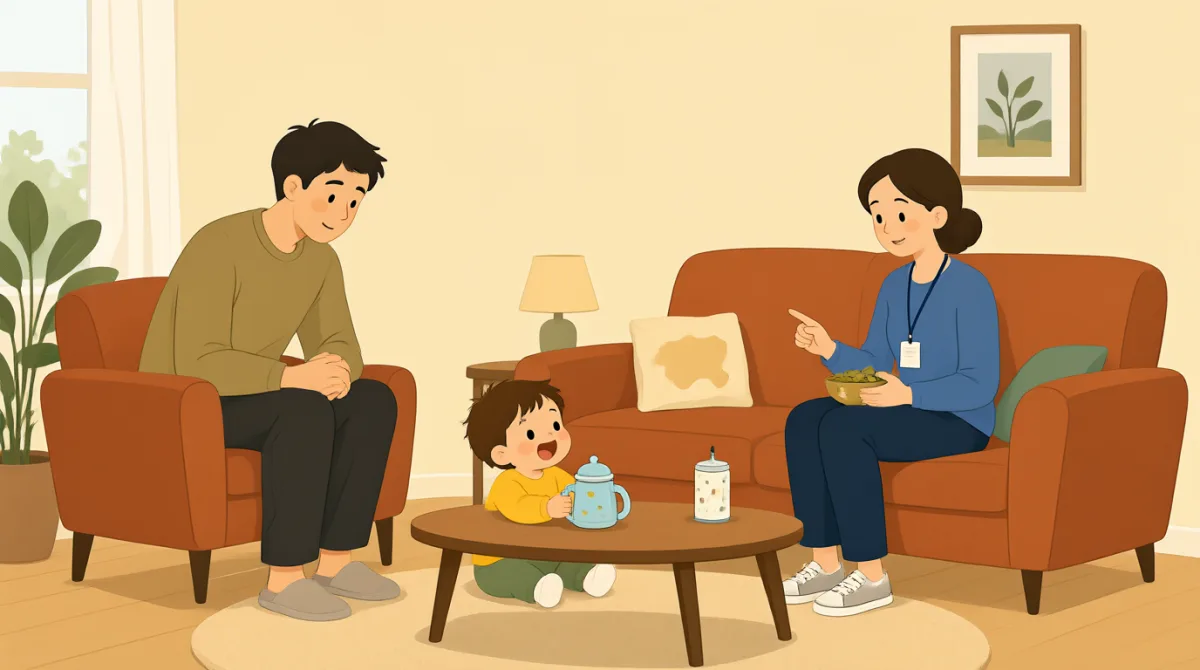

Hi Emma, thanks again for coming over tonight. Jack and I really appreciate it!
หวัดดี เอ็มมา ขอบใจอีกครั้งนะที่มาคืนนี้ แจ็กกับฉันซาบซึ้งมากเลย!

No problem at all, Grace! Happy to help. So, what's the plan for Liam this evening?
ไม่เป็นไรเลย เกรซ! ยินดีช่วยจ้ะ แล้วเย็นนี้เลียมมีตารางยังไงบ้างล่ะ?

Alright, so Liam usually has his dinner around 6 PM. There's some mac and cheese in the fridge, just warm it up for him. After that, he likes to play with his train set until about 7:30.
เอาละ ปกติเลียมกินมื้อเย็นประมาณหกโมงเย็น มีมักกะโรนีกับชีสอยู่ในตู้เย็น แค่อุ่นให้เขากินก็พอ แล้วเขาชอบเล่นชุดรถไฟจนถึงประมาณหนึ่งทุ่มครึ่ง
Right, and then it's bath time. He usually takes a quick one, maybe 10-15 minutes. After the bath, he'll want a story. We left a few books on his bedside table.
ใช่ แล้วก็ถึงเวลาอาบน้ำ ปกติเขาอาบแป๊บเดียว สัก 10–15 นาที พออาบน้ำเสร็จเขาจะอยากฟังนิทาน เราวางหนังสือไว้สองสามเล่มบนโต๊ะข้างเตียงแล้ว
Got it. Dinner, playtime, bath, and then a story. What time is bedtime?
เข้าใจแล้ว มื้อเย็น เล่น อาบน้ำ แล้วก็ฟังนิทาน เข้านอนกี่โมงเหรอ?
Bedtime is typically 8 PM. Read him two stories, and he should be good to go. He might ask for water, so his sippy cup will be on his nightstand.
ปกติเข้านอนสองทุ่ม อ่านนิทานให้เขาฟังสองเรื่อง แล้วก็น่าจะพร้อมนอนแล้ว เขาอาจจะขอดื่มน้ำ แก้วหัดดื่มของเขาวางอยู่บนโต๊ะข้างเตียงนะ
Oh, and if you need anything, our cell numbers are on the fridge. For emergencies, Liam's pediatrician's number is there too, right next to ours.
อ้อ ถ้าต้องการอะไร เบอร์มือถือของเราอยู่บนตู้เย็นนะ ถ้ามีเหตุฉุกเฉิน เบอร์กุมารแพทย์ของเลียมก็อยู่ตรงนั้นด้วย ถัดจากเบอร์ของเรานี่แหละ
Perfect, thanks for all the details! I think I've got everything. Have a great evening out!
เยี่ยมเลย ขอบคุณที่บอกรายละเอียดนะ! คิดว่าจำได้หมดแล้ว ขอให้เที่ยวให้สนุกนะ!
คำศัพท์9
- appreciateซาบซึ้ง
To feel grateful for something someone does for you. Use it to thank someone politely, like 'We really appreciate your help.'
รู้สึกขอบคุณในสิ่งที่ใครสักคนทำให้ ใช้พูดขอบคุณอย่างสุภาพ เช่น 'We really appreciate your help.' (เราซาบซึ้งในความช่วยเหลือของคุณมาก)
- planแผน
A schedule or arrangement for what to do. In childcare, ask 'What's the plan?' to learn about the child's routine.
ตารางหรือการจัดเตรียมว่าจะทำอะไรบ้าง ในการดูแลเด็ก ถามว่า 'What's the plan?' (มีแผนยังไงบ้าง) เพื่อสอบถามกิจวัตรของเด็กได้
- dinnerมื้อเย็น
The main evening meal. Common in family routines; say 'He has dinner at 6 PM' to describe schedules.
อาหารมื้อหลักในช่วงเย็น มักใช้พูดถึงกิจวัตรในครอบครัว เช่น 'He has dinner at 6 PM' (เขากินมื้อเย็นตอนหกโมงเย็น) เพื่อบอกตารางเวลา
- fridgeตู้เย็น
Short for refrigerator, where food is kept cold. Useful in instructions: 'The food is in the fridge.'
คำย่อของ refrigerator หมายถึงเครื่องใช้ไฟฟ้าที่ช่วยเก็บอาหารให้เย็น ใช้บ่อยเวลาให้คำแนะนำ เช่น 'The food is in the fridge.' (อาหารอยู่ในตู้เย็น)
- bath timeเวลาอาบน้ำ
The time when a child takes a bath. Part of evening routines; say 'It's bath time now.' to signal the activity.
ช่วงเวลาที่เด็กอาบน้ำ เป็นส่วนหนึ่งของกิจวัตรช่วงเย็น เช่น 'It's bath time now.' (ได้เวลาอาบน้ำแล้ว) เพื่อบอกว่าถึงเวลาทำกิจกรรมนั้นแล้ว
- bedtimeเวลาเข้านอน
The time a child goes to bed to sleep. Essential for parents and babysitters: 'Bedtime is 8 PM.'
เวลาที่เด็กเข้านอนเพื่อหลับ เป็นข้อมูลสำคัญสำหรับพ่อแม่และพี่เลี้ยงเด็ก เช่น 'Bedtime is 8 PM.' (เข้านอนตอนสองทุ่ม)
- storyนิทาน
A short tale read to children before bed. Common in routines: 'Read him a story.' to help them relax.
เรื่องสั้นที่อ่านให้เด็กฟังก่อนนอน มักเป็นส่วนหนึ่งของกิจวัตร เช่น 'Read him a story.' (อ่านนิทานให้เขาฟังสักเรื่อง) เพื่อช่วยให้เด็กผ่อนคลาย
- emergencyเหตุฉุกเฉิน
A sudden serious or dangerous situation. In childcare, share 'emergency contacts' like doctor numbers for safety.
สถานการณ์อันตรายหรือร้ายแรงที่เกิดขึ้นกะทันหัน ในการดูแลเด็ก ควรแจ้ง 'emergency contacts' (เบอร์ติดต่อฉุกเฉิน) เช่น เบอร์หมอ เพื่อความปลอดภัย
- pediatricianกุมารแพทย์
A doctor who specializes in children's health. Useful to know: 'Call the pediatrician in emergencies.'
แพทย์ที่เชี่ยวชาญด้านสุขภาพเด็ก ควรรู้คำนี้ไว้ เช่น 'Call the pediatrician in emergencies.' (ถ้ามีเหตุฉุกเฉินให้โทรหากุมารแพทย์)
ประโยคสำคัญ8
- 1
Thanks again for coming over tonight. Jack and I really appreciate it!
ขอบใจอีกครั้งนะที่มาคืนนี้ แจ็กกับฉันซาบซึ้งมากเลย!
This is a polite way to thank someone for help. Use it when expressing gratitude in social situations like babysitting. 'Appreciate' shows strong thanks; 'coming over' means visiting a home.
ประโยคนี้ใช้ขอบคุณใครสักคนที่มาช่วยอย่างสุภาพ เหมาะกับสถานการณ์ทางสังคม เช่น การมาช่วยดูแลเด็ก 'Appreciate' แสดงความขอบคุณอย่างมาก ส่วน 'coming over' หมายถึงการมาที่บ้าน
- 2
So, what's the plan for Liam this evening?
แล้วเย็นนี้เลียมมีแผนยังไงบ้าง?
A casual question to ask about a schedule. Useful for getting details in childcare; 'what's the plan' is a common idiom for 'what are the arrangements?'
เป็นคำถามสบาย ๆ เพื่อถามถึงตารางหรือสิ่งที่วางแผนจะทำ เหมาะสำหรับถามรายละเอียดในการดูแลเด็ก 'what's the plan' เป็นสำนวนที่ใช้ถามว่า 'what are the arrangements?' (มีการจัดเตรียมอะไรไว้บ้าง)
- 3
There's some mac and cheese in the fridge, just warm it up for him.
มีมักกะโรนีกับชีสอยู่ในตู้เย็น แค่อุ่นให้เขากินก็พอ
Gives simple food instructions. 'Warm it up' means heat in microwave; practical for routines. Use in babysitting to explain meals clearly.
ใช้บอกวิธีเตรียมอาหารง่าย ๆ 'Warm it up' หมายถึงอุ่นอาหารให้ร้อน เช่น ในไมโครเวฟ เป็นคำแนะนำที่ใช้ได้จริงในกิจวัตร และช่วยบอกพี่เลี้ยงเด็กเรื่องมื้ออาหารได้ชัดเจน
- 4
After the bath, he'll want a story. We left a few books on his bedside table.
พออาบน้ำเสร็จเขาจะอยากฟังนิทาน เราวางหนังสือไว้สองสามเล่มบนโต๊ะข้างเตียงแล้ว
Describes sequence in routine using 'after' for order. 'He'll want' predicts child's need; useful for explaining bedtime steps to caregivers.
ประโยคนี้บอกลำดับกิจวัตรโดยใช้ 'after' เพื่อบอกว่าอะไรเกิดขึ้นก่อนหลัง ส่วน 'He'll want' ใช้คาดการณ์ว่าเด็กจะต้องการอะไร เหมาะสำหรับอธิบายขั้นตอนก่อนนอนให้ผู้ดูแลฟัง
- 5
Got it. Dinner, playtime, bath, and then a story.
เข้าใจแล้ว มื้อเย็น เล่น อาบน้ำ แล้วก็ฟังนิทาน
Shows understanding by repeating key points. 'Got it' means 'I understand'; list items with 'and then' for sequences. Great for confirming instructions.
แสดงว่าเข้าใจโดยทวนประเด็นสำคัญ 'Got it' หมายถึง 'I understand' (เข้าใจแล้ว) และใช้ 'and then' เพื่อเรียงลำดับสิ่งต่าง ๆ เหมาะสำหรับทวนคำแนะนำให้แน่ใจว่าเข้าใจตรงกัน
- 6
Bedtime is typically 8 PM. Read him two stories, and he should be good to go.
ปกติเข้านอนสองทุ่ม อ่านนิทานให้เขาฟังสองเรื่อง แล้วเขาก็น่าจะพร้อมนอนแล้ว
States routine time with 'typically' for usual cases. 'Should be good to go' idiom means ready to sleep; use to give bedtime advice.
บอกเวลาตามกิจวัตร โดยใช้ 'typically' เพื่อพูดถึงสิ่งที่มักเกิดขึ้น 'Should be good to go' เป็นสำนวนที่หมายถึงพร้อมนอนแล้ว ใช้ให้คำแนะนำเรื่องเวลาเข้านอนได้
- 7
If you need anything, our cell numbers are on the fridge.
ถ้าต้องการอะไร เบอร์มือถือของเราอยู่บนตู้เย็นนะ
Provides contact info using 'if' for conditions. 'Cell numbers' means mobile phones; essential for safety in parenting exchanges.
บอกข้อมูลติดต่อโดยใช้ 'if' เพื่อพูดถึงเงื่อนไข 'Cell numbers' หมายถึงเบอร์โทรศัพท์มือถือ การแจ้งข้อมูลนี้เป็นสิ่งสำคัญเพื่อความปลอดภัยเมื่อติดต่อกันเรื่องการดูแลเด็ก
- 8
Perfect, thanks for all the details! I think I've got everything.
เยี่ยมเลย ขอบคุณที่บอกรายละเอียดนะ! คิดว่าจำได้หมดแล้ว
Polite closing to confirm understanding. 'I've got everything' means I remember all info; use at end of instructions to show readiness.
เป็นคำพูดปิดท้ายอย่างสุภาพเพื่อยืนยันว่าเข้าใจแล้ว 'I've got everything' หมายถึงจำข้อมูลได้ครบ ใช้ตอนจบการบอกคำแนะนำเพื่อแสดงว่าพร้อมแล้ว