Babysitter Instructions
راهنمایی به پرستار بچه
Parents are giving instructions to a babysitter about their child's routine, feeding, bedtime, and emergency contacts.
والدین دربارهٔ برنامهٔ روزانه، غذا، زمان خواب و شمارههای تماس اضطراری فرزندشان به پرستار بچه راهنمایی میدهند.
گفتوگو8
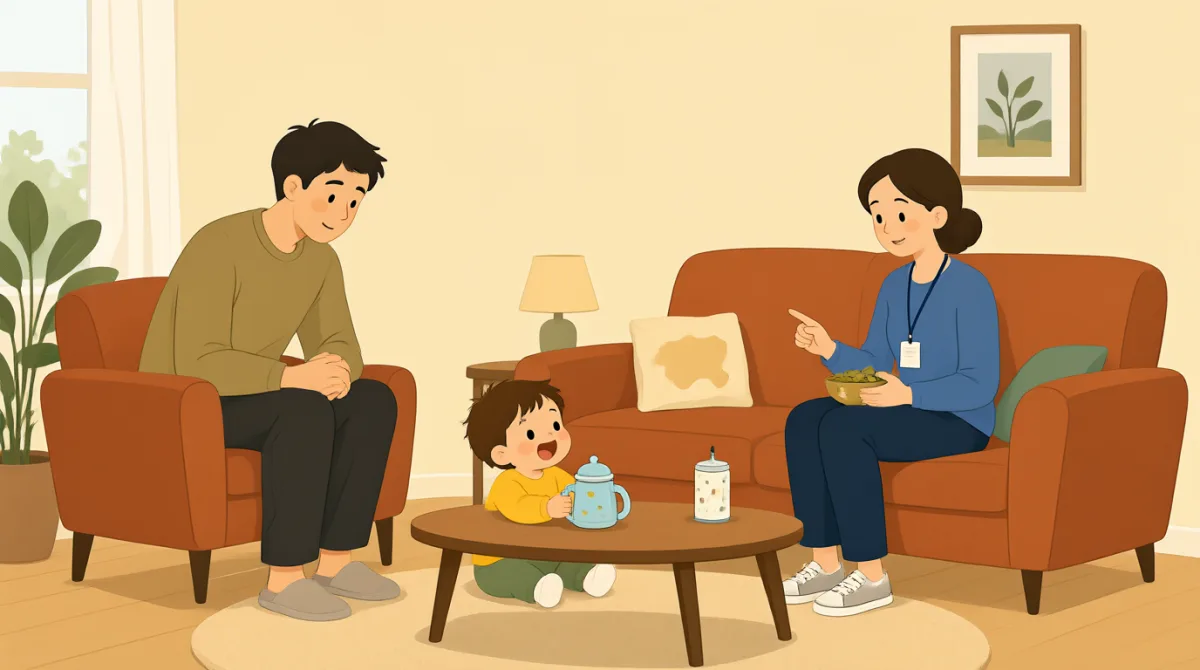

Hi Emma, thanks again for coming over tonight. Jack and I really appreciate it!
سلام اِما، باز هم ممنون که امشب اومدی. من و جک واقعاً ازت ممنونیم!

No problem at all, Grace! Happy to help. So, what's the plan for Liam this evening?
خواهش میکنم، گریس! خوشحالم که میتونم کمک کنم. خب، برنامهٔ لیام برای امشب چیه؟

Alright, so Liam usually has his dinner around 6 PM. There's some mac and cheese in the fridge, just warm it up for him. After that, he likes to play with his train set until about 7:30.
خب، لیام معمولاً حدود ساعت ۶ شام میخوره. یه مقدار ماکارونی و پنیر توی یخچاله، فقط براش گرمش کن. بعدش تا حدود ۷:۳۰ دوست داره با قطار اسباببازیش بازی کنه.
Right, and then it's bath time. He usually takes a quick one, maybe 10-15 minutes. After the bath, he'll want a story. We left a few books on his bedside table.
درسته، بعدش هم وقت حمومه. معمولاً حمومش سریع تموم میشه، شاید ۱۰ تا ۱۵ دقیقه. بعد از حموم دلش میخواد براش قصه بخونی. چند تا کتاب روی میز کنار تختش گذاشتیم.
Got it. Dinner, playtime, bath, and then a story. What time is bedtime?
فهمیدم. شام، بازی، حموم و بعد هم قصه. ساعت خوابش کیه؟
Bedtime is typically 8 PM. Read him two stories, and he should be good to go. He might ask for water, so his sippy cup will be on his nightstand.
معمولاً ساعت ۸ وقت خوابه. دو تا قصه براش بخون، بعدش دیگه آمادهٔ خوابه. شاید آب بخواد، پس لیوان نیدارش روی پاتختیشه.
Oh, and if you need anything, our cell numbers are on the fridge. For emergencies, Liam's pediatrician's number is there too, right next to ours.
راستی، اگه چیزی لازم داشتی، شمارهٔ موبایلمون روی یخچاله. شمارهٔ متخصص اطفال لیام هم برای مواقع اضطراری همونجاست، درست کنار شمارههای ما.
Perfect, thanks for all the details! I think I've got everything. Have a great evening out!
عالیه، ممنون بابت همهٔ این جزئیات! فکر کنم همهچی دستم اومد. بیرون بهتون خوش بگذره!
واژگان9
- appreciateقدردان بودن
To feel grateful for something someone does for you. Use it to thank someone politely, like 'We really appreciate your help.'
یعنی بابت کاری که کسی برایت انجام میدهد احساس سپاسگزاری کنی. برای تشکر مؤدبانه به کار میرود؛ مثلاً: 'We really appreciate your help.' (واقعاً از کمکت ممنونیم.)
- planبرنامه
A schedule or arrangement for what to do. In childcare, ask 'What's the plan?' to learn about the child's routine.
برنامه یا ترتیبی برای کارهایی که باید انجام شوند. در مراقبت از بچه میتوانی بپرسی 'What's the plan?' (برنامه چیه؟) تا از برنامهٔ روزانهٔ کودک باخبر شوی.
- dinnerشام
The main evening meal. Common in family routines; say 'He has dinner at 6 PM' to describe schedules.
وعدهٔ اصلی غذا در شب. در برنامهٔ روزانهٔ خانواده زیاد به کار میرود؛ برای گفتن ساعت غذا میتوانی بگویی 'He has dinner at 6 PM' (او ساعت ۶ شام میخورد).
- fridgeیخچال
Short for refrigerator, where food is kept cold. Useful in instructions: 'The food is in the fridge.'
شکل کوتاهشدهٔ refrigerator است؛ وسیلهای که غذا را در آن سرد نگه میدارند. در دستورها کاربرد دارد: 'The food is in the fridge.' (غذا توی یخچاله.)
- bath timeوقت حموم
The time when a child takes a bath. Part of evening routines; say 'It's bath time now.' to signal the activity.
زمانی که کودک حمام میکند. بخشی از برنامهٔ عصرانه است؛ برای گفتن اینکه وقت این کار رسیده، میتوانی بگویی 'It's bath time now.' (الان وقت حمومه.)
- bedtimeوقت خواب
The time a child goes to bed to sleep. Essential for parents and babysitters: 'Bedtime is 8 PM.'
زمانی که کودک برای خوابیدن به رختخواب میرود. دانستنش برای والدین و پرستار بچه مهم است: 'Bedtime is 8 PM.' (ساعت خواب ۸ شبه.)
- storyقصه
A short tale read to children before bed. Common in routines: 'Read him a story.' to help them relax.
داستان کوتاهی که پیش از خواب برای بچهها میخوانند. در برنامهٔ خواب رایج است؛ برای کمک به آرامشدن کودک میتوانی بگویی 'Read him a story.' (براش قصه بخون.)
- emergencyوضعیت اضطراری
A sudden serious or dangerous situation. In childcare, share 'emergency contacts' like doctor numbers for safety.
موقعیتی ناگهانی و جدی یا خطرناک. در مراقبت از کودک، برای اطمینان از امنیتش باید اطلاعات تماس اضطراری، مثل شمارهٔ پزشک، را در اختیار پرستار بگذاری.
- pediatricianمتخصص اطفال
A doctor who specializes in children's health. Useful to know: 'Call the pediatrician in emergencies.'
پزشکی که در سلامت کودکان تخصص دارد. دانستن این عبارت مفید است: 'Call the pediatrician in emergencies.' (در مواقع اضطراری با متخصص اطفال تماس بگیر.)
جملات کلیدی8
- 1
Thanks again for coming over tonight. Jack and I really appreciate it!
باز هم ممنون که امشب اومدی. من و جک واقعاً ازت ممنونیم!
This is a polite way to thank someone for help. Use it when expressing gratitude in social situations like babysitting. 'Appreciate' shows strong thanks; 'coming over' means visiting a home.
این جمله راهی مؤدبانه برای تشکر از کسی بابت کمکش است و در موقعیتهای اجتماعی مثل نگهداری از بچه کاربرد دارد. 'Appreciate' نشاندهندهٔ قدردانی زیادی است؛ 'coming over' یعنی به خانهٔ کسی آمدن.
- 2
So, what's the plan for Liam this evening?
خب، برنامهٔ لیام برای امشب چیه؟
A casual question to ask about a schedule. Useful for getting details in childcare; 'what's the plan' is a common idiom for 'what are the arrangements?'
پرسشی خودمانی دربارهٔ برنامه یا زمانبندی است و برای پرسیدن جزئیات مراقبت از کودک به کار میآید. 'what's the plan' اصطلاحی رایج به معنی «برنامه چیه؟» یا «چه قراری داریم؟» است.
- 3
There's some mac and cheese in the fridge, just warm it up for him.
یه مقدار ماکارونی و پنیر توی یخچاله، فقط براش گرمش کن.
Gives simple food instructions. 'Warm it up' means heat in microwave; practical for routines. Use in babysitting to explain meals clearly.
این جمله دستور سادهای برای آمادهکردن غذا میدهد. 'Warm it up' یعنی آن را گرم کن؛ در اینجا منظور گرمکردن در مایکروویو است. برای توضیح روشن برنامهٔ غذایی به پرستار بچه کاربرد دارد.
- 4
After the bath, he'll want a story. We left a few books on his bedside table.
بعد از حموم دلش میخواد براش قصه بخونی. چند تا کتاب روی میز کنار تختش گذاشتیم.
Describes sequence in routine using 'after' for order. 'He'll want' predicts child's need; useful for explaining bedtime steps to caregivers.
برای نشاندادن ترتیب کارها از 'after' استفاده شده است. 'He'll want' نیاز احتمالی کودک را پیشبینی میکند؛ این عبارت برای توضیح مراحل قبل از خواب به مراقبان مفید است.
- 5
Got it. Dinner, playtime, bath, and then a story.
فهمیدم. شام، بازی، حموم و بعد هم قصه.
Shows understanding by repeating key points. 'Got it' means 'I understand'; list items with 'and then' for sequences. Great for confirming instructions.
با تکرار نکتههای اصلی نشان میدهی که متوجه شدهای. 'Got it' یعنی «فهمیدم» و برای مرتبکردن کارها از 'and then' (و بعد) استفاده میشود. این جمله برای تأیید اینکه راهنماییها را فهمیدهای عالی است.
- 6
Bedtime is typically 8 PM. Read him two stories, and he should be good to go.
معمولاً ساعت ۸ وقت خوابه. دو تا قصه براش بخون، بعدش دیگه آمادهٔ خوابه.
States routine time with 'typically' for usual cases. 'Should be good to go' idiom means ready to sleep; use to give bedtime advice.
برای بیان زمان معمول از 'typically' استفاده شده است. اصطلاح 'Should be good to go' یعنی آماده است؛ اینجا منظور آمادهشدن برای خواب است. برای گفتن نکتههای مربوط به خواب کودک کاربرد دارد.
- 7
If you need anything, our cell numbers are on the fridge.
اگه چیزی لازم داشتی، شمارهٔ موبایلمون روی یخچاله.
Provides contact info using 'if' for conditions. 'Cell numbers' means mobile phones; essential for safety in parenting exchanges.
اطلاعات تماس را با استفاده از 'if' برای بیان شرط ارائه میدهد. 'Cell numbers' یعنی شمارههای تلفن همراه؛ این اطلاعات برای ایمنی کودک مهم است.
- 8
Perfect, thanks for all the details! I think I've got everything.
عالیه، ممنون بابت همهٔ این جزئیات! فکر کنم همهچی دستم اومد.
Polite closing to confirm understanding. 'I've got everything' means I remember all info; use at end of instructions to show readiness.
این جمله پایانی مؤدبانه، فهمیدن و آمادهبودنت را تأیید میکند. 'I've got everything' یعنی همهٔ اطلاعات را به خاطر سپردهام؛ میتوانی در پایان توضیحات از آن استفاده کنی تا نشان بدهی آمادهای.