Responding to Office Action
การตอบหนังสือแจ้งผลการพิจารณา
After a patent application is filed, an examiner issues an 'Office Action' outlining objections or rejections. The applicant and their attorney discuss the best strategy for responding, which might involve amending claims or providing arguments.
หลังจากยื่นคำขอรับสิทธิบัตรแล้ว ผู้ตรวจสอบจะออก “หนังสือแจ้งผลการพิจารณา” เพื่อระบุข้อทักท้วงหรือเหตุผลที่ไม่รับคำขอ ผู้ยื่นคำขอและทนายความจะหารือกันถึงแนวทางตอบกลับที่ดีที่สุด ซึ่งอาจรวมถึงการแก้ไขข้อถือสิทธิหรือการยื่นคำชี้แจงโต้แย้ง
บทสนทนา10
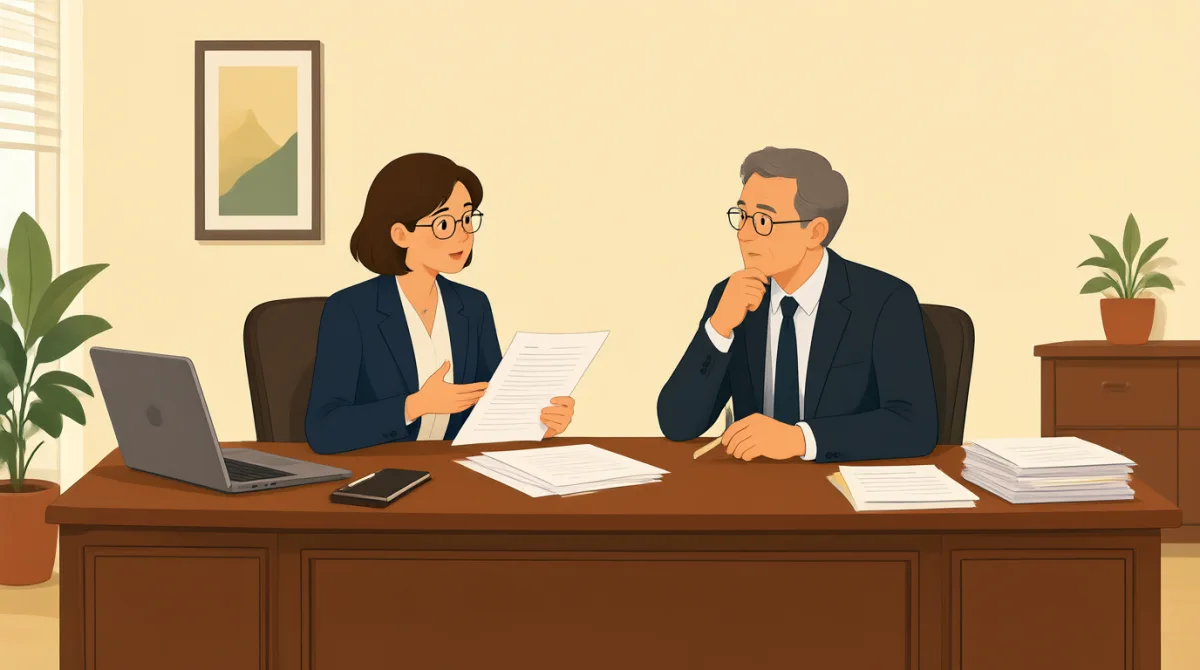

Good morning, Dr. Chen. Thanks for coming in. We've received the Office Action for your 'Smart Home Energy Management System' patent application.
สวัสดีตอนเช้าครับ คุณหมอเฉิน ขอบคุณที่สละเวลามาพบนะครับ เราได้รับหนังสือแจ้งผลการพิจารณาคำขอรับสิทธิบัตร “ระบบจัดการพลังงานในบ้านอัจฉริยะ” ของคุณแล้วครับ

Good morning, Mr. Wilson. Ah, the Office Action. What's the main issue this time? Are they rejecting the core claims?
สวัสดีตอนเช้าค่ะ คุณวิลสัน อ้อ หนังสือแจ้งผลการพิจารณา คราวนี้ประเด็นหลักคืออะไรคะ เขาปฏิเสธข้อถือสิทธิหลักหรือเปล่า
Not entirely, but the examiner has cited prior art against claims 1-6, primarily concerning anticipation and obviousness. They're also requesting clarification on some of the technical specifications in the description.
ไม่ได้ปฏิเสธทั้งหมดครับ แต่ผู้ตรวจสอบอ้างถึงงานที่มีอยู่ก่อนแล้วเพื่อคัดค้านข้อถือสิทธิข้อ 1-6 โดยเน้นเรื่องการขาดความใหม่และการประดิษฐ์ที่ไม่อาจถือว่ามีขั้นการประดิษฐ์ครับ นอกจากนี้ยังขอให้ชี้แจงรายละเอียดทางเทคนิคบางส่วนในคำบรรยายด้วยครับ
I see. So, what's our best strategy here? Can we amend the claims to distinguish our invention from the cited prior art, or do we need to provide a compelling argument?
เข้าใจแล้วค่ะ ถ้าอย่างนั้นแนวทางที่ดีที่สุดคืออะไรคะ เราแก้ไขข้อถือสิทธิเพื่อแยกความแตกต่างของสิ่งประดิษฐ์เราจากงานที่อ้างถึงได้ไหม หรือต้องยื่นคำชี้แจงโต้แย้งที่หนักแน่นคะ
I think we can do both. For claims 1-3, I believe we can make some targeted amendments to narrow the scope slightly, while still capturing the essence of your invention. For claims 4-6, a robust argument explaining why our unique integration of components isn't obvious might be more effective.
ผมคิดว่าเราทำได้ทั้งสองอย่างครับ สำหรับข้อถือสิทธิข้อ 1-3 ผมคิดว่าเราแก้ไขแบบเจาะจงเพื่อจำกัดขอบเขตลงเล็กน้อยได้ โดยยังคงครอบคลุมสาระสำคัญของสิ่งประดิษฐ์คุณไว้ ส่วนข้อ 4-6 การยื่นคำชี้แจงโต้แย้งที่หนักแน่น โดยอธิบายว่าการผสานองค์ประกอบที่เป็นเอกลักษณ์ของเราไม่ใช่สิ่งที่เห็นได้ชัด อาจได้ผลดีกว่าครับ
That sounds like a solid plan. What about the technical specifications? Is it just a matter of rephrasing, or do we need to add more detail?
ฟังดูเป็นแผนที่ดีค่ะ แล้วรายละเอียดทางเทคนิคล่ะคะ แค่ปรับถ้อยคำใหม่ก็พอ หรือต้องเพิ่มรายละเอียดด้วยคะ
Mostly rephrasing and clarifying existing details. The examiner wants to ensure the enablement requirement is fully met. It's a standard request, nothing too alarming.
ส่วนใหญ่แค่ปรับถ้อยคำและชี้แจงรายละเอียดที่มีอยู่ให้ชัดเจนขึ้นครับ ผู้ตรวจสอบต้องการให้แน่ใจว่าเราเปิดเผยรายละเอียดเพียงพอให้ผู้เชี่ยวชาญนำสิ่งประดิษฐ์ไปทำและใช้งานได้ครบถ้วน เป็นคำขอทั่วไปครับ ไม่มีอะไรน่ากังวลมาก
Okay, that's a relief. How long do we have to respond, and what's our next step?
โอเคค่ะ ค่อยโล่งอกหน่อย เรามีเวลาตอบกลับนานแค่ไหนคะ แล้วขั้นตอนต่อไปคืออะไร
We have three months from the issue date, which gives us ample time. I'll draft the proposed amendments and arguments, then we'll schedule another meeting to review them before filing the response. Does that work for you?
เรามีเวลาสามเดือนนับจากวันที่ออกหนังสือครับ ถือว่ามีเวลาเหลือเฟือ ผมจะร่างข้อแก้ไขที่เสนอและคำชี้แจงโต้แย้ง จากนั้นเราจะนัดประชุมกันอีกครั้งเพื่อตรวจทานก่อนยื่นคำตอบ แบบนี้สะดวกไหมครับ
Perfect. Please send me the draft as soon as it's ready. Thank you for your guidance on this, Mr. Wilson.
ดีเลยค่ะ รบกวนส่งร่างมาให้ฉันทันทีที่เสร็จนะคะ ขอบคุณที่ให้คำแนะนำเรื่องนี้ค่ะ คุณวิลสัน
คำศัพท์8
- Office Actionหนังสือแจ้งผลการพิจารณา
This is an official notice from a patent office that explains problems or rejections in a patent application. It's like feedback from an examiner.
นี่คือหนังสืออย่างเป็นทางการจากสำนักงานสิทธิบัตรที่แจ้งปัญหาหรือเหตุผลที่ไม่รับคำขอสิทธิบัตร คล้ายกับข้อเสนอแนะจากผู้ตรวจสอบค่ะ
- prior artงานที่มีอยู่ก่อนแล้ว
Existing inventions or publications that came before your idea. Patent examiners use this to check if your invention is new.
สิ่งประดิษฐ์หรือเอกสารเผยแพร่ที่มีอยู่ก่อนแนวคิดของคุณ ผู้ตรวจสอบสิทธิบัตรใช้ข้อมูลเหล่านี้ตรวจสอบว่าสิ่งประดิษฐ์ของคุณเป็นสิ่งใหม่หรือไม่ค่ะ
- claimsข้อถือสิทธิ
The specific parts of a patent application that describe what the invention protects. They define the legal boundaries of your idea.
ส่วนเฉพาะในคำขอสิทธิบัตรที่ระบุว่าสิทธิบัตรคุ้มครองสิ่งประดิษฐ์ส่วนใด และกำหนดขอบเขตทางกฎหมายของแนวคิดคุณค่ะ
- amendแก้ไข
To change or modify something, like editing the claims in a patent to make it stronger. Use it when you need to revise official documents.
หมายถึงเปลี่ยนแปลงหรือปรับปรุงบางอย่าง เช่น แก้ไขข้อถือสิทธิในสิทธิบัตรให้รัดกุมขึ้น ใช้คำนี้เมื่อต้องปรับแก้เอกสารทางการค่ะ
- obviousnessการขาดขั้นการประดิษฐ์
In patents, it means an invention isn't new enough if it seems too easy to create based on existing ideas. It's a reason for rejection.
ในเรื่องสิทธิบัตร หมายถึงสิ่งประดิษฐ์ดูเหมือนสร้างขึ้นได้ง่ายเกินไปจากแนวคิดที่มีอยู่แล้ว จึงไม่ถือว่ามีความคิดสร้างสรรค์เพียงพอ และอาจเป็นเหตุให้ไม่รับคำขอค่ะ
- strategyแนวทาง
A plan of action to achieve a goal, like how to respond to a patent rejection. Useful in business or legal discussions.
แผนการดำเนินการเพื่อให้บรรลุเป้าหมาย เช่น วิธีตอบโต้การปฏิเสธคำขอสิทธิบัตร คำนี้มีประโยชน์ในการพูดคุยเรื่องธุรกิจหรือกฎหมายค่ะ
- enablementการเปิดเผยรายละเอียดเพียงพอ
The requirement in patents that the description must teach someone skilled in the field how to make and use the invention.
ข้อกำหนดของสิทธิบัตรที่ระบุว่าคำบรรยายต้องสอนให้ผู้เชี่ยวชาญในสาขานั้นรู้วิธีสร้างและใช้สิ่งประดิษฐ์ได้ค่ะ
- robustหนักแน่น
Strong and effective, like a solid argument in a patent response. It means something is well-built or convincing.
หมายถึงแข็งแรงและมีประสิทธิภาพ เช่น คำชี้แจงโต้แย้งที่หนักแน่นในการตอบหนังสือแจ้งผลการพิจารณา สิ่งนั้นมีเหตุผลรองรับดีหรือน่าเชื่อถือค่ะ
ประโยคสำคัญ8
- 1
What's the main issue this time?
คราวนี้ประเด็นหลักคืออะไรคะ
This is a casual way to ask about the primary problem. It's useful in meetings to get to the point quickly. The structure uses 'what's' for contraction of 'what is' and 'this time' to refer to a repeated situation.
ประโยคนี้ใช้ถามอย่างเป็นกันเองว่าปัญหาหลักคืออะไร เหมาะสำหรับใช้ในการประชุมเพื่อเข้าประเด็นอย่างรวดเร็ว โครงสร้างใช้ 'what's' ซึ่งย่อมาจาก 'what is' และใช้ 'this time' เพื่อพูดถึงสถานการณ์ที่เกิดซ้ำค่ะ
- 2
So, what's our best strategy here?
ถ้าอย่างนั้นแนวทางที่ดีที่สุดคืออะไรคะ
This sentence seeks advice on the optimal plan. 'So' connects ideas smoothly, and 'our best strategy' shows collaboration. Use it in professional discussions to propose next steps.
ประโยคนี้ใช้ขอคำแนะนำเกี่ยวกับแผนการที่เหมาะสมที่สุด 'So' ช่วยเชื่อมโยงความคิดให้ลื่นไหล และ 'our best strategy' แสดงให้เห็นว่าทุกคนร่วมมือกัน ใช้ได้ในการพูดคุยเรื่องงานเพื่อเสนอขั้นตอนถัดไปค่ะ
- 3
I think we can do both.
ฉันคิดว่าเราทำได้ทั้งสองอย่างค่ะ
A balanced response suggesting two options. 'I think' softens the opinion, making it polite. Useful for negotiations or planning, as it shows flexibility.
เป็นคำตอบที่เสนอทางเลือกสองทางอย่างสมดุล 'I think' ช่วยแสดงความเห็นให้นุ่มนวลและสุภาพ เหมาะกับการเจรจาหรือวางแผน เพราะแสดงถึงความยืดหยุ่นค่ะ
- 4
That sounds like a solid plan.
ฟังดูเป็นแผนที่ดีค่ะ
Expresses agreement positively. 'That sounds like' is idiomatic for evaluation, and 'solid' means reliable. Use this to approve ideas in business talks.
ใช้แสดงความเห็นด้วยในเชิงบวก 'That sounds like' เป็นสำนวนที่ใช้ประเมินสิ่งใดสิ่งหนึ่ง และ 'solid' หมายถึงน่าเชื่อถือ ใช้ตอบรับแนวคิดในการพูดคุยเรื่องงานได้ค่ะ
- 5
How long do we have to respond?
เรามีเวลาตอบกลับนานแค่ไหนคะ
Asks about a deadline. 'How long do we have' is a common pattern for time limits. Practical for legal or project contexts to manage timelines.
ใช้ถามเกี่ยวกับกำหนดเวลา 'How long do we have' เป็นรูปประโยคที่ใช้ถามถึงเวลาที่มีอยู่ได้ทั่วไป เหมาะกับบริบททางกฎหมายหรือการทำโครงการเพื่อช่วยจัดการเวลาให้เป็นไปตามกำหนดค่ะ
- 6
I'll draft the proposed amendments and arguments.
ผมจะร่างข้อแก้ไขที่เสนอและคำชี้แจงโต้แย้งครับ
Promises to prepare documents. 'I'll draft' uses future tense for commitments, and 'proposed' means suggested changes. Useful in professional emails or meetings.
เป็นการรับปากว่าจะจัดเตรียมเอกสาร 'I'll draft' ใช้รูปอนาคตเพื่อบอกสิ่งที่ตั้งใจจะทำ และ 'proposed' หมายถึงการเปลี่ยนแปลงที่เสนอไว้ ใช้ได้ในการประชุมหรืออีเมลเรื่องงานค่ะ
- 7
Does that work for you?
แบบนี้สะดวกไหมครับ
Checks if a plan is acceptable. It's polite and indirect, using 'work for you' to seek agreement. Common in scheduling or proposals to ensure mutual satisfaction.
ใช้ถามว่าอีกฝ่ายเห็นด้วยกับแผนหรือไม่ เป็นคำถามที่สุภาพและอ้อม ๆ โดยใช้ 'work for you' เพื่อขอความเห็นชอบ มักใช้ในการนัดหมายหรือเสนอแผนเพื่อให้แน่ใจว่าทั้งสองฝ่ายพอใจค่ะ
- 8
Please send me the draft as soon as it's ready.
รบกวนส่งร่างมาให้ฉันทันทีที่เสร็จนะคะ
A polite request for a document. 'As soon as it's ready' adds urgency politely. The structure is imperative with 'please' for courtesy, ideal for work communications.
เป็นคำขอเอกสารอย่างสุภาพ 'As soon as it's ready' หมายถึงทันทีที่พร้อม ซึ่งช่วยสื่อว่าต้องการเอกสารเร็วโดยยังคงสุภาพ โครงสร้างใช้ประโยคคำสั่งเติม 'please' เพื่อแสดงความเกรงใจ เหมาะกับการสื่อสารเรื่องงานค่ะ