Staying Focused When Emotions Rise
भावनाएँ उफान पर हों तो बातचीत पर ध्यान बनाए रखना
A disagreement about a missed handoff brings old grievances into the room, and both parents struggle to stay composed. Mia pauses the discussion and helps them separate their hurt from the immediate question of what arrangement would best support the children.
बच्चों को लेने-ले जाने में हुई चूक पर असहमति पुरानी शिकायतों को सामने ले आती है और दोनों माता-पिता के लिए शांत रहना मुश्किल हो जाता है। मिया बातचीत रोककर उन्हें अपनी तकलीफ़ को इस तात्कालिक सवाल से अलग करने में मदद करती हैं कि बच्चों के हित में कौन-सी व्यवस्था सबसे अच्छी होगी।
संवाद12
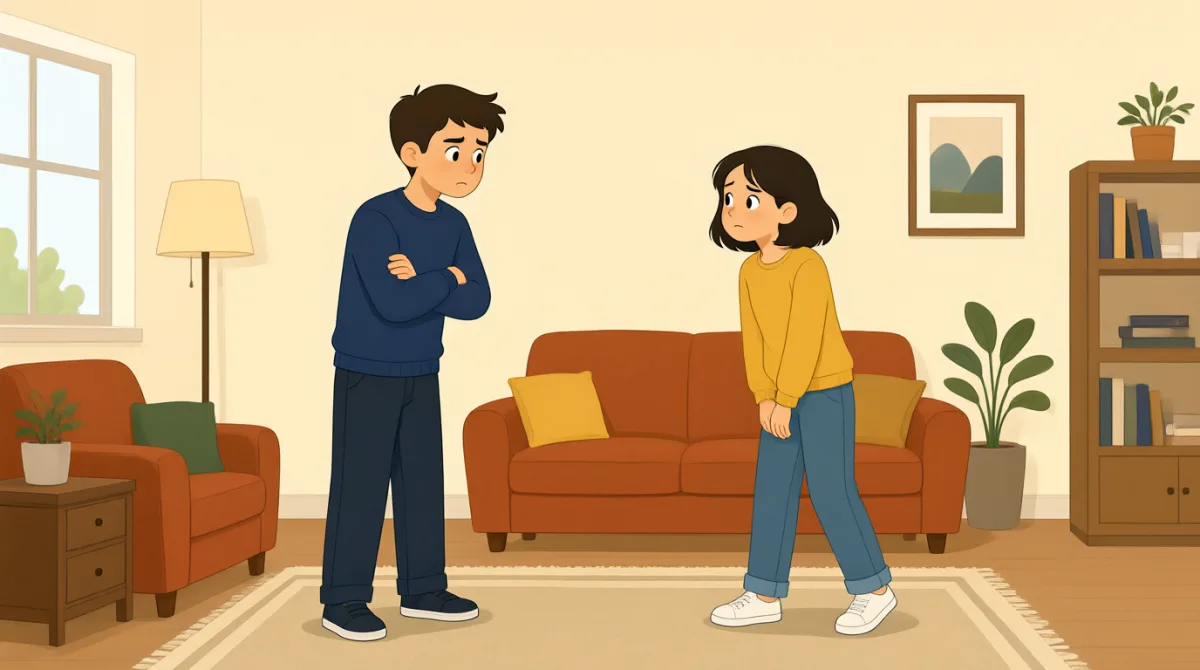

I want to address the missed handoff last Thursday. I waited outside the school for forty minutes, and the children were confused. This cannot keep happening.
मैं पिछले गुरुवार बच्चों को लेने-ले जाने में हुई चूक पर बात करना चाहता हूँ। मैं स्कूल के बाहर चालीस मिनट तक इंतज़ार करता रहा और बच्चे उलझन में पड़ गए। ऐसा बार-बार नहीं हो सकता।

I know I was late, Jack, and I regret that the children had to wait. But your message made it sound as if I had deliberately abandoned them. That was unfair.
मुझे पता है कि मुझे देर हुई थी, जैक, और मुझे अफ़सोस है कि बच्चों को इंतज़ार करना पड़ा। लेकिन तुम्हारे संदेश से ऐसा लगा जैसे मैंने जानबूझकर उन्हें छोड़ दिया हो। यह गलत था।
I was angry because you did not tell me what was happening. And this is not the first time I have had to rearrange my afternoon at the last minute.
मैं नाराज़ था क्योंकि तुमने मुझे नहीं बताया कि क्या हो रहा है। और यह पहली बार नहीं है जब मुझे आख़िरी मिनट पर अपनी दोपहर की योजनाएँ बदलनी पड़ी हों।
You are turning one late pickup into a verdict on my parenting. I have covered for you plenty of times, but I do not bring every mistake into mediation.
तुम बच्चों को लेने में हुई एक देरी को मेरे माता-पिता होने पर फ़ैसला बना रहे हो। मैंने कई बार तुम्हारी मदद की है, लेकिन तुम्हारी हर गलती को लेकर मध्यस्थता में नहीं आती।

Let me pause you both. I hear a practical concern about reliability, and I also hear hurt about feeling judged. For a moment, let us separate those issues from the older grievances.
मैं आप दोनों को ज़रा रोकूँगी। मुझे भरोसेमंद होने से जुड़ी एक व्यावहारिक चिंता सुनाई दे रही है, और यह तकलीफ़ भी कि किसी को लगा उसे परखा जा रहा है। आइए, एक पल के लिए इन बातों को पुरानी शिकायतों से अलग रखें।
I can own that my message was sharper than it needed to be. What I need, though, is a way to know promptly if a handoff is going to be delayed.
मैं मान सकता हूँ कि मेरा संदेश ज़रूरत से ज़्यादा तीखा था। लेकिन मुझे ऐसा तरीका चाहिए जिससे मुझे तुरंत पता चल सके कि बच्चों को लेने-ले जाने में देरी होने वाली है।
That is reasonable. My phone was on silent during a meeting, but I should have sent an update as soon as I could. I do not want the children caught between us.
यह वाजिब है। मीटिंग के दौरान मेरा फ़ोन साइलेंट पर था, लेकिन जैसे ही मुमकिन हुआ, मुझे अपडेट भेज देना चाहिए था। मैं नहीं चाहती कि बच्चे हम दोनों के बीच फँसें।
Then let us focus on what would help the children feel secure. Could you agree to notify each other as soon as a delay becomes likely, and give an estimated arrival time?
तो आइए, इस पर ध्यान दें कि बच्चों को सुरक्षित महसूस कराने में क्या मदद करेगा। क्या आप दोनों इस बात पर सहमत हो सकते हैं कि देरी की संभावना होते ही एक-दूसरे को बता दें और पहुँचने का अनुमानित समय भी दें?
Yes. If there is no response after fifteen minutes, I would like us to have a backup contact method—not to escalate things, just to confirm the children are accounted for.
हाँ। अगर पंद्रह मिनट तक जवाब न मिले, तो मैं चाहूँगा कि संपर्क करने का कोई दूसरा तरीका भी तय हो—बात को बढ़ाने के लिए नहीं, बस यह पक्का करने के लिए कि बच्चों के बारे में सब पता है।
I can agree to that, provided the backup is used only for logistics and not as a way to reopen the argument. We should also tell the children the plan calmly, without assigning blame.
मैं इसके लिए राज़ी हूँ, बशर्ते संपर्क के दूसरे तरीके का इस्तेमाल सिर्फ़ व्यवस्था से जुड़ी बातों के लिए हो, बहस फिर से शुरू करने के लिए नहीं। हमें बच्चों को भी बिना किसी पर दोष डाले, शांति से योजना बतानी चाहिए।
That sounds workable. Before we move on, is there anything either of you needs to acknowledge so this agreement is not simply covering over what happened?
यह व्यवस्था काम की लगती है। आगे बढ़ने से पहले, क्या आपमें से किसी को यह स्वीकार करने की ज़रूरत है कि क्या हुआ था, ताकि यह समझौता उस बात को बस ढक न दे?
I am sorry I made you feel accused rather than addressing the problem. I still need dependable communication, but I can raise that without making the children’s handoff a referendum on our past.
मुझे अफ़सोस है कि मैंने समस्या पर बात करने के बजाय तुम्हें ऐसा महसूस कराया कि मैं तुम पर आरोप लगा रहा हूँ। मुझे अब भी भरोसेमंद बातचीत चाहिए, लेकिन मैं यह बात उठाते हुए बच्चों को लेने-ले जाने की घटना को हमारे अतीत पर फ़ैसला नहीं बनाऊँगा।
शब्दावली8
- missed handoffबच्चों को लेने-ले जाने में चूक
A missed handoff is when a parent does not arrive as planned to transfer the children to the other parent. Here, it refers to the delayed pickup outside the school.
बच्चों को लेने-ले जाने में चूक तब होती है जब कोई माता-पिता बच्चों को दूसरे माता-पिता को सौंपने के लिए तय समय पर नहीं पहुँचते। यहाँ इसका मतलब स्कूल के बाहर बच्चों को लेने में हुई देरी से है।
- at the last minuteआख़िरी मिनट पर
This means with very little notice, just before something needs to happen. It describes how the schedule changes affect Jack's afternoon.
इसका मतलब है बहुत कम पहले से सूचना देकर, यानी किसी काम के होने से ठीक पहले। यहाँ यह बताता है कि समय-सारणी में बदलाव से जैक की दोपहर की योजनाएँ कैसे प्रभावित होती हैं।
- a verdict on my parentingमेरे माता-पिता होने पर फ़ैसला
A verdict is a judgment or decision about someone. Grace uses this phrase to say Jack is treating one mistake as proof that she is a bad parent.
“Verdict” का अर्थ है किसी के बारे में दिया गया फ़ैसला या राय। ग्रेस इस वाक्यांश से कहती है कि जैक एक गलती को इस बात का सबूत मान रहा है कि वह बुरी माँ है।
- I can own thatमैं इसकी ज़िम्मेदारी स्वीकार कर सकता हूँ
This means “I can accept responsibility for that.” It is a useful way to acknowledge your part in a disagreement without giving up your other concerns.
इसका मतलब है, “मैं इसकी ज़िम्मेदारी स्वीकार कर सकता हूँ।” असहमति में अपनी भूमिका मानने का यह एक उपयोगी तरीका है, जिससे आप अपनी दूसरी चिंताओं को उठाने का अधिकार भी बनाए रखते हैं।
- as soon as a delay becomes likelyदेरी की संभावना होते ही
This means to give notice when it seems probable that someone will be late, rather than waiting until the delay is certain. It can help people make practical plans.
इसका मतलब है कि किसी के देर से पहुँचने की संभावना दिखते ही उसे बता देना, न कि देरी तय हो जाने तक इंतज़ार करना। इससे लोग व्यावहारिक योजनाएँ बना सकते हैं।
- a backup contact methodसंपर्क करने का दूसरा तरीका
This is an alternative way to get in touch if the usual method does not work. In this conversation, it is intended to confirm that the children are accounted for.
यह संपर्क करने का एक वैकल्पिक तरीका है, जिसका इस्तेमाल तब किया जाता है जब आम तौर पर इस्तेमाल होने वाला तरीका काम न करे। इस बातचीत में इसका मकसद यह पक्का करना है कि बच्चों के बारे में सब पता है।
- covering over what happenedजो हुआ उसे ढक देना
This means hiding or ignoring a problem instead of addressing it. Mia asks whether anything needs to be acknowledged so the agreement does not avoid the hurt caused by the incident.
इसका मतलब है समस्या को सुलझाने के बजाय छिपाना या अनदेखा करना। मिया पूछती हैं कि क्या किसी बात को स्वीकार करने की ज़रूरत है, ताकि यह समझौता घटना से पहुँची तकलीफ़ को नज़रअंदाज़ न करे।
- a referendum on our pastहमारे अतीत पर जनमत-संग्रह
A referendum is usually a vote on an important issue; here, Jack uses it figuratively to mean a judgment on the history of their relationship. He says he can raise a current concern without turning it into a judgment about their past.
“Referendum” आम तौर पर किसी अहम मुद्दे पर होने वाले मतदान को कहते हैं। यहाँ जैक इसका इस्तेमाल रूपक के तौर पर उनके रिश्ते के इतिहास पर फ़ैसले के अर्थ में करता है। वह कहता है कि मौजूदा चिंता उठाते समय उसे उनके अतीत पर फ़ैसला बनाने की ज़रूरत नहीं है।
मुख्य वाक्य8
- 1
I hear a practical concern about reliability, and I also hear hurt about feeling judged.
मुझे भरोसेमंद होने से जुड़ी एक व्यावहारिक चिंता सुनाई दे रही है, और यह तकलीफ़ भी कि किसी को लगा उसे परखा जा रहा है।
This sentence acknowledges two sides of a disagreement without taking sides. You can reuse the structure “I hear [concern], and I also hear [feeling]” to show that you understand both the practical issue and its emotional impact.
यह वाक्य किसी एक पक्ष का साथ दिए बिना असहमति के दोनों पहलुओं को स्वीकार करता है। आप “I hear [concern], and I also hear [feeling]” का ढाँचा दोबारा इस्तेमाल करके दिखा सकते हैं कि आप व्यावहारिक समस्या और उसके भावनात्मक असर, दोनों को समझते हैं।
- 2
For a moment, let us separate those issues from the older grievances.
आइए, एक पल के लिए इन बातों को पुरानी शिकायतों से अलग रखें।
This is a calm way to redirect a conversation that is becoming overwhelmed by past conflicts. “Let us separate [current issue] from [other concern]” helps people return to the matter they can address now.
पुराने झगड़ों के बोझ से दबती बातचीत को शांत ढंग से फिर सही दिशा में लाने के लिए यह एक अच्छा वाक्य है। “Let us separate [current issue] from [other concern]” कहने से लोग उस बात पर लौट सकते हैं जिस पर वे अभी ध्यान दे सकते हैं।
- 3
I can own that my message was sharper than it needed to be.
मैं मान सकता हूँ कि मेरा संदेश ज़रूरत से ज़्यादा तीखा था।
This sentence takes responsibility for a specific action while leaving room to discuss the underlying problem. Reuse “I can own that…” to make a direct, measured acknowledgment.
यह वाक्य किसी खास काम की ज़िम्मेदारी स्वीकार करता है और साथ ही मूल समस्या पर बात करने की गुंजाइश भी रखता है। सीधे और संतुलित ढंग से अपनी भूमिका स्वीकार करने के लिए “I can own that…” का इस्तेमाल करें।
- 4
What I need, though, is a way to know promptly if a handoff is going to be delayed.
लेकिन मुझे ऐसा तरीका चाहिए जिससे मुझे तुरंत पता चल सके कि बच्चों को लेने-ले जाने में देरी होने वाली है।
This sentence shifts from an apology to a clear request about future communication. “What I need is a way to…” is useful for stating a practical need without making a personal accusation.
यह वाक्य माफ़ी से आगे बढ़कर भविष्य में बातचीत के बारे में एक स्पष्ट अनुरोध करता है। किसी पर आरोप लगाए बिना अपनी व्यावहारिक ज़रूरत बताने के लिए “What I need is a way to…” उपयोगी है।
- 5
Could you agree to notify each other as soon as a delay becomes likely, and give an estimated arrival time?
क्या आप दोनों इस बात पर सहमत हो सकते हैं कि देरी की संभावना होते ही एक-दूसरे को बता दें और पहुँचने का अनुमानित समय भी दें?
This is a collaborative question that proposes specific actions rather than assigning blame. You can use “Could you agree to…” when seeking a clear, mutual commitment.
यह सहयोग से पूछा गया सवाल है, जिसमें दोष देने के बजाय खास कदम सुझाए गए हैं। स्पष्ट और आपसी प्रतिबद्धता माँगते समय “Could you agree to…” का इस्तेमाल कर सकते हैं।
- 6
I can agree to that, provided the backup is used only for logistics and not as a way to reopen the argument.
मैं इसके लिए राज़ी हूँ, बशर्ते संपर्क के दूसरे तरीके का इस्तेमाल सिर्फ़ व्यवस्था से जुड़ी बातों के लिए हो, बहस फिर से शुरू करने के लिए नहीं।
This sentence accepts a proposal while setting a reasonable condition. “I can agree to that, provided…” is useful when you want to cooperate but clarify the limits of an agreement.
यह वाक्य किसी प्रस्ताव को स्वीकार करते हुए एक वाजिब शर्त भी रखता है। सहयोग करने की इच्छा जताने के साथ समझौते की सीमा स्पष्ट करने के लिए “I can agree to that, provided…” उपयोगी है।
- 7
We should also tell the children the plan calmly, without assigning blame.
हमें बच्चों को भी बिना किसी पर दोष डाले, शांति से योजना बतानी चाहिए।
This sentence keeps the children’s needs central and recommends a neutral way to communicate. The phrase “without assigning blame” can help frame a discussion around solutions rather than fault.
यह वाक्य बच्चों की ज़रूरतों को केंद्र में रखता है और बात करने का एक निष्पक्ष तरीका सुझाता है। “without assigning blame” कहने से बातचीत को दोष के बजाय समाधान पर केंद्रित करने में मदद मिलती है।
- 8
I still need dependable communication, but I can raise that without making the children’s handoff a referendum on our past.
मुझे अब भी भरोसेमंद बातचीत चाहिए, लेकिन मैं यह बात उठाते हुए बच्चों को लेने-ले जाने की घटना को हमारे अतीत पर फ़ैसला नहीं बनाऊँगा।
This sentence expresses an ongoing need while showing a commitment to address it constructively. “I still need…, but I can…” is a useful way to balance firmness with accountability.
यह वाक्य एक ऐसी ज़रूरत बताता है जो अब भी बनी हुई है, और साथ ही उसे रचनात्मक ढंग से सुलझाने की प्रतिबद्धता भी दिखाता है। दृढ़ता और अपनी ज़िम्मेदारी स्वीकार करने के बीच संतुलन रखने के लिए “I still need…, but I can…” उपयोगी है।