Meeting a New Guest
किसी नए मेहमान से मिलना
You find yourself standing near someone you don't know. Initiate a conversation, introduce yourself, and ask a casual ice-breaker question.
आप किसी ऐसे व्यक्ति के पास खड़े हैं जिसे आप नहीं जानते। बातचीत शुरू करें, अपना परिचय दें और बातचीत शुरू करने के लिए कोई हल्का-फुल्का सवाल पूछें।
संवाद7
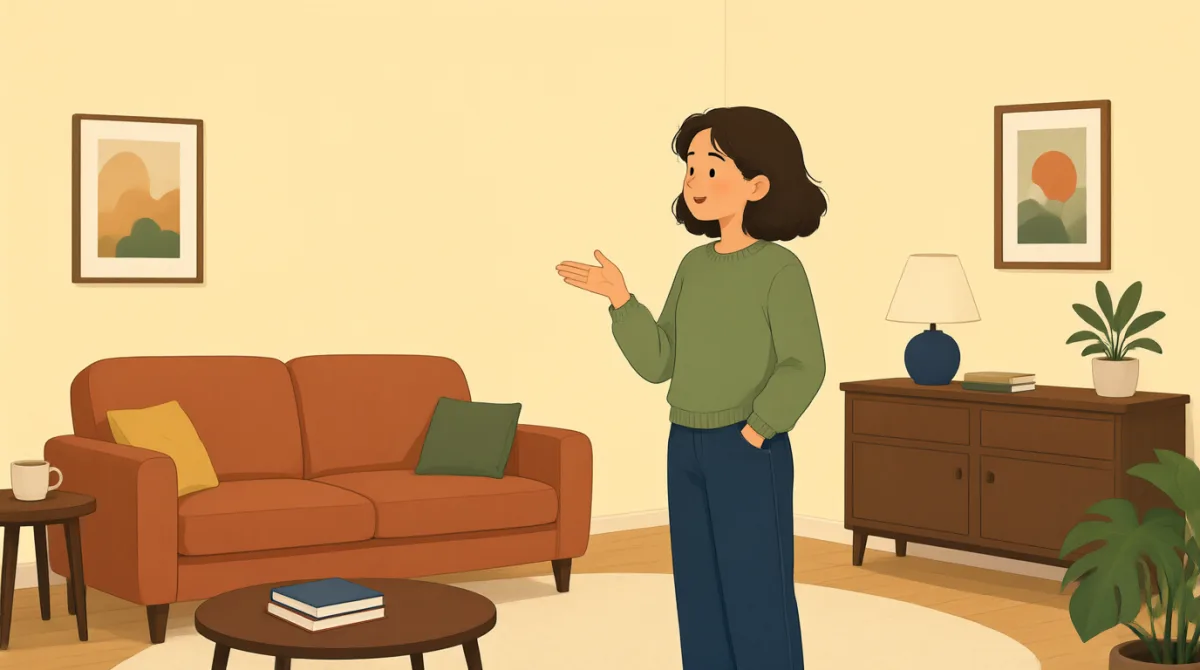

Hi there! I don't think we've met. I'm Leo.
नमस्ते! मुझे नहीं लगता कि हमारी पहले मुलाकात हुई है। मैं लियो हूँ।

Hi Leo! Nice to meet you. I'm Emma. Are you a friend of Sarah's or Mark's?
नमस्ते, लियो! आपसे मिलकर अच्छा लगा। मैं एमा हूँ। आप सारा के दोस्त हैं या मार्क के?
I'm a colleague of Mark's, from his old job. We've stayed in touch over the years. How about you?
मैं मार्क के पुराने काम की जगह का सहकर्मी हूँ। इतने सालों से हमारा संपर्क बना हुआ है। और आप?
I'm Sarah's cousin. So, a bit more family than friend, I guess! This is a great party, isn't it?
मैं सारा की चचेरी बहन हूँ। तो कहूँ तो दोस्त से ज़्यादा परिवार की हूँ! पार्टी बहुत अच्छी है, है न?
It really is! The food is amazing, and I love the music they're playing. Have you tried the mini quiches yet? They're delicious.
वाकई! खाना लाजवाब है, और जो संगीत बज रहा है, वह मुझे बहुत पसंद है। क्या आपने मिनी क्विच अभी तक चखी है? वे बहुत स्वादिष्ट हैं।
Not yet, but I'll definitely keep an eye out for them now! Thanks for the tip. Glad to meet you, Leo!
अभी नहीं, लेकिन अब मैं ज़रूर उन्हें ढूँढ़ूँगी! बताने के लिए धन्यवाद। आपसे मिलकर अच्छा लगा, लियो!
You too, Emma! Enjoy the rest of the party.
मुझे भी, एमा! पार्टी का बाकी समय भी मज़े से बिताइए।
शब्दावली7
- colleagueसहकर्मी
A colleague is a person you work with at the same company or job. Use this word when talking about professional relationships, like 'My colleague and I are good friends.'
सहकर्मी वह व्यक्ति होता है जिसके साथ आप एक ही कंपनी या काम की जगह पर काम करते हैं। कामकाजी रिश्तों की बात करते समय इस शब्द का इस्तेमाल करें, जैसे 'मेरे सहकर्मी और मैं अच्छे दोस्त हैं।'
- stayed in touchसंपर्क बनाए रखा
This means keeping contact with someone over time, like through calls or messages. It's useful for explaining ongoing friendships, as in 'We stayed in touch after school.'
इसका मतलब है समय के साथ किसी के संपर्क में बने रहना, जैसे फ़ोन या संदेशों के ज़रिए। लंबे समय तक चलने वाली दोस्ती के बारे में बताने के लिए यह उपयोगी है, जैसे 'स्कूल के बाद भी हमारा संपर्क बना रहा।'
- cousinचचेरा/ममेरा/फुफेरा/मौसेरा भाई या बहन
A cousin is a relative who is the child of your aunt or uncle. In social talks, say 'She's my cousin' to explain family connections at parties.
चचेरा, ममेरा, फुफेरा या मौसेरा भाई-बहन आपकी बुआ, चाचा, मामा या मौसी के बच्चे होते हैं। सामाजिक बातचीत में, पार्टी में रिश्ते बताने के लिए कहें, 'वह मेरी चचेरी बहन है।'
- amazingलाजवाब
Amazing means something is very impressive or wonderful. Use it to give compliments, like 'The view is amazing!' to make positive small talk.
लाजवाब का मतलब है बहुत प्रभावशाली या शानदार। तारीफ़ करने के लिए इसका इस्तेमाल करें, जैसे 'यह नज़ारा लाजवाब है!'—इससे हल्की-फुल्की बातचीत में सकारात्मकता आती है।
- deliciousस्वादिष्ट
Delicious describes food that tastes very good. It's great for party conversations, such as 'This cake is delicious!' to share enjoyment.
स्वादिष्ट उस खाने के लिए कहते हैं जिसका स्वाद बहुत अच्छा हो। पार्टी में 'यह केक बहुत स्वादिष्ट है!' कहकर आप खाने का आनंद साझा कर सकते हैं।
- keep an eye outढूँढ़ते रहना
This idiom means to watch or look carefully for something. Use it casually, like 'Keep an eye out for the dessert table' when suggesting something at an event.
इस मुहावरे का मतलब है किसी चीज़ को ध्यान से देखते हुए तलाशना। अनौपचारिक बातचीत में इसका इस्तेमाल करें, जैसे किसी आयोजन में सुझाव देते हुए कहना, 'मिठाई की मेज़ ढूँढ़ते रहना।'
- tipसलाह
In this context, a tip is a helpful piece of advice. Say 'Thanks for the tip!' when someone gives you useful information, common in friendly chats.
इस संदर्भ में tip का मतलब है काम की सलाह या जानकारी। जब कोई आपको उपयोगी बात बताए, तो दोस्ताना बातचीत में आम तौर पर 'सलाह देने के लिए धन्यवाद!' कहें।
मुख्य वाक्य7
- 1
Hi there! I don't think we've met. I'm Leo.
नमस्ते! मुझे नहीं लगता कि हमारी पहले मुलाकात हुई है। मैं लियो हूँ।
This is a polite way to introduce yourself to a stranger at a party. 'Hi there' is a casual greeting, and 'I don't think we've met' checks if you've met before. Use it to start conversations naturally.
पार्टी में किसी अनजान व्यक्ति से अपना परिचय देने का यह एक विनम्र तरीका है। 'Hi there' एक अनौपचारिक अभिवादन है, और 'I don't think we've met' से आप पूछते हैं कि क्या आप पहले मिल चुके हैं। बातचीत स्वाभाविक ढंग से शुरू करने के लिए इसका इस्तेमाल करें।
- 2
Nice to meet you. I'm Emma. Are you a friend of Sarah's or Mark's?
आपसे मिलकर अच्छा लगा। मैं एमा हूँ। आप सारा के दोस्त हैं या मार्क के?
This sentence introduces yourself and asks an ice-breaker question about connections to the host. It's useful for mingling, as it shows interest in the other person and relates to the party.
इस वाक्य में आप अपना परिचय देते हैं और मेज़बान से जुड़ाव के बारे में बातचीत शुरू करने वाला सवाल पूछते हैं। लोगों से मिलने-जुलने के दौरान यह उपयोगी है, क्योंकि इससे सामने वाले में आपकी दिलचस्पी दिखती है और बात पार्टी से जुड़ी रहती है।
- 3
I'm a colleague of Mark's, from his old job. We've stayed in touch over the years. How about you?
मैं मार्क के पुराने काम की जगह का सहकर्मी हूँ। इतने सालों से हमारा संपर्क बना हुआ है। और आप?
Here, you explain your relationship and ask back with 'How about you?' This pattern shares info briefly then turns the question around, keeping the talk balanced and engaging.
यहाँ आप अपने रिश्ते के बारे में बताते हैं और 'How about you?' कहकर वही सवाल सामने वाले से पूछते हैं। इस ढाँचे में आप थोड़ी-सी जानकारी साझा करके सवाल वापस पूछते हैं, जिससे बातचीत संतुलित और दिलचस्प बनी रहती है।
- 4
This is a great party, isn't it?
पार्टी बहुत अच्छी है, है न?
This compliments the event using a tag question 'isn't it?' which invites agreement. Tag questions make conversations friendlier; use them to praise the host or setting at social gatherings.
इस वाक्य में 'isn't it?' वाले पुष्टि-सूचक सवाल के ज़रिए आयोजन की तारीफ़ की जाती है और सामने वाले को सहमति जताने का मौका मिलता है। ऐसे सवाल बातचीत को दोस्ताना बनाते हैं; सामाजिक समारोहों में मेज़बान या माहौल की तारीफ़ के लिए इनका इस्तेमाल करें।
- 5
The food is amazing, and I love the music they're playing. Have you tried the mini quiches yet?
खाना लाजवाब है, और जो संगीत बज रहा है, वह मुझे बहुत पसंद है। क्या आपने मिनी क्विच अभी तक चखी है?
This gives specific compliments and asks a question to continue the talk. It's practical for parties—mention positives like food or music, then ask about experiences to involve the other person.
इसमें आप किसी चीज़ की खास तौर पर तारीफ़ करते हैं और बातचीत आगे बढ़ाने के लिए सवाल पूछते हैं। पार्टियों में यह तरीका काम आता है—खाने या संगीत जैसी अच्छी बातों का ज़िक्र करें, फिर सामने वाले के अनुभव के बारे में पूछें ताकि वह भी बातचीत में शामिल हो।
- 6
Not yet, but I'll definitely keep an eye out for them now! Thanks for the tip.
अभी नहीं, लेकिन अब मैं ज़रूर उन्हें ढूँढ़ूँगी! सलाह देने के लिए धन्यवाद।
This responds positively to a suggestion, using 'keep an eye out' idiom and thanking for advice. It shows appreciation and keeps the conversation light; useful when someone recommends something.
इस वाक्य में आप किसी सुझाव का सकारात्मक जवाब देते हैं, 'keep an eye out' मुहावरे का इस्तेमाल करते हैं और सलाह के लिए धन्यवाद देते हैं। इससे आपकी सराहना ज़ाहिर होती है और बातचीत हल्की-फुल्की बनी रहती है। किसी की सिफ़ारिश पर जवाब देते समय यह उपयोगी है।
- 7
Glad to meet you, Leo! Enjoy the rest of the party.
आपसे मिलकर अच्छा लगा, लियो! पार्टी का बाकी समय भी मज़े से बिताइए।
A friendly way to end the chat politely. 'Glad to meet you' reinforces the introduction, and wishing enjoyment wraps up nicely. Use this to exit conversations gracefully at events.
बातचीत को विनम्र और दोस्ताना ढंग से समाप्त करने का यह एक अच्छा तरीका है। 'Glad to meet you' परिचय की बात को दोहराता है, और पार्टी का आनंद लेने की शुभकामना देकर बात अच्छी तरह समाप्त होती है। किसी समारोह में बातचीत से शालीनता से विदा लेने के लिए इसका इस्तेमाल करें।