A Dinner to Build Trust
شامی برای اعتمادسازی
Over dinner, Mia and Leo talk about their teams’ working styles and what a dependable partnership looks like in practice. Their candid but considerate exchange helps ease tension after the difficult negotiations.
میا و لئو سر میز شام دربارهٔ سبک کاری تیمهایشان و معنای یک شراکت قابلاعتماد در عمل صحبت میکنند. گفتوگوی صریح اما ملاحظهکارانهٔ آنها به کاهش تنش پس از مذاکرات دشوار کمک میکند.
گفتوگو12
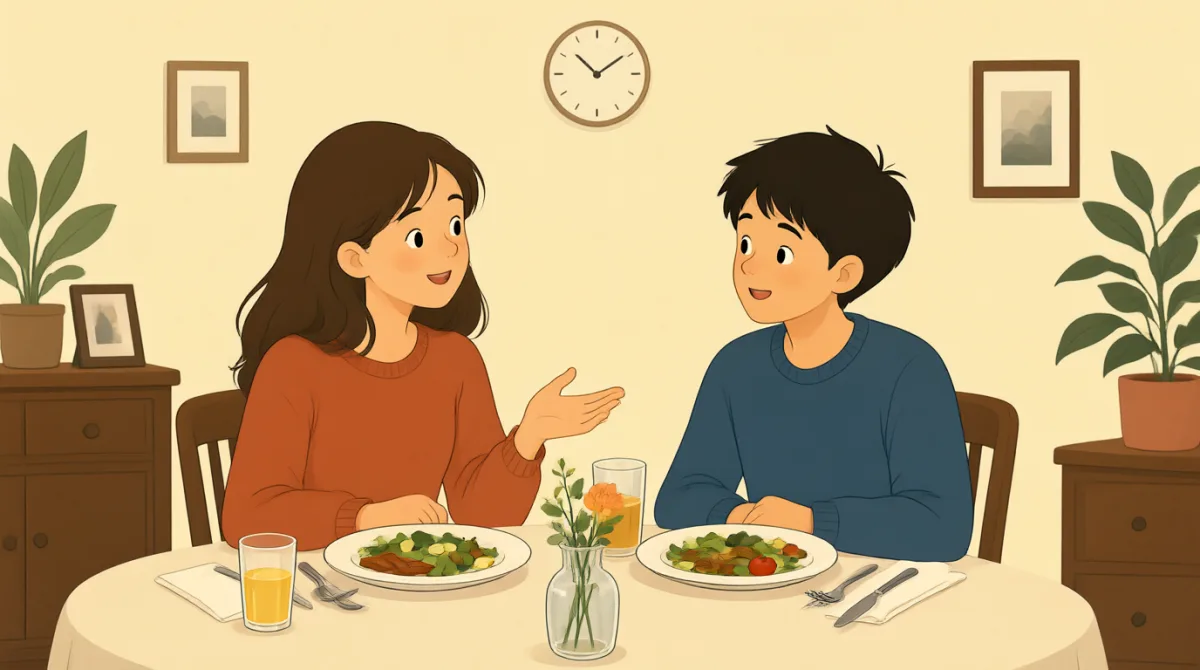

I’m glad we could step away from the conference room. We covered the contract in detail, but I don’t think a spreadsheet tells us how people prefer to work together.
خوشحالم که توانستیم کمی از اتاق جلسه فاصله بگیریم. قرارداد را با جزئیات بررسی کردیم، اما فکر نمیکنم یک جدول گسترده به ما نشان بدهد که افراد ترجیح میدهند چطور با هم کار کنند.

I agree. Though I should admit, when the exclusivity discussion got tense, I wasn’t sure whether to push back or let the point breathe. I didn’t want caution to sound like distrust.
موافقم. البته باید اعتراف کنم وقتی بحث انحصارطلبی متشنج شد، مطمئن نبودم که مخالفت کنم یا بگذارم موضوع کمی جا بیفتد. نمیخواستم احتیاط من شبیه بیاعتمادی به نظر برسد.
That’s useful to hear. On our side, a pause can sometimes mean we’re considering the proposal, not quietly rejecting it. We should probably be more explicit about that.
شنیدن این نکته برایم مفید است. از طرف ما، مکث گاهی میتواند به این معنا باشد که داریم پیشنهاد را بررسی میکنیم، نه اینکه بیسروصدا آن را رد میکنیم. احتمالاً باید دربارهٔ این موضوع صریحتر باشیم.
And I can be clearer when I have reservations. I’ve sometimes softened them so much that the other side might hear, “This is basically fine,” when I mean, “We need to work through this.”
و من هم میتوانم وقتی ملاحظاتی دارم، واضحتر صحبت کنم. گاهی آنقدر آنها را ملایم بیان کردهام که طرف مقابل ممکن است بشنود «در کل مشکلی ندارد»، در حالی که منظورم این است: «باید این موضوع را بررسی و حلوفصل کنیم.»
It’s a delicate balance. Directness can save time, but if it arrives without context, it may sound more adversarial than intended. What helps your team feel that a difficult question is asked in good faith?
این تعادل ظریفی است. صراحت میتواند در وقت صرفهجویی کند، اما اگر بدون توضیح و زمینه مطرح شود، ممکن است خصمانهتر از آنچه منظور بوده به نظر برسد. چه چیزی باعث میشود تیمتان احساس کند یک سؤال دشوار با حسن نیت مطرح شده است؟
For us, it helps to hear the reason behind the question. If you explain what risk you’re trying to manage, we can respond to the concern rather than wonder whether you’re testing our loyalty.
برای ما، شنیدن دلیل پشت سؤال کمککننده است. اگر توضیح بدهید در تلاشید چه خطری را مدیریت کنید، میتوانیم به نگرانی پاسخ بدهیم، نه اینکه فکر کنیم دارید وفاداری ما را میسنجید.
That makes sense. And what does dependability look like to you once the agreement is signed? I mean in the everyday decisions, not just the milestones we’ve put on paper.
منطقی است. و بعد از امضای توافق، قابلاعتماد بودن از نظر شما در عمل چگونه خودش را نشان میدهد؟ منظورم تصمیمهای روزمره است، نه فقط نقاط عطفی که روی کاغذ آوردهایم.
It means no surprises that could have been shared earlier. If a deadline is at risk, I’d rather hear that while there’s still room to adjust than receive a polished explanation after it slips.
یعنی هیچ غافلگیریای که میشد زودتر در میان گذاشته شود پیش نیاید. اگر مهلتی در معرض خطر است، ترجیح میدهم وقتی هنوز فرصت اصلاح داریم بشنوم، نه اینکه بعد از از دست رفتن مهلت، توضیحی آراسته و بینقص دریافت کنم.
I appreciate that. We can commit to raising risks early, even when we don’t yet have a complete solution. In return, it would help if concerns came with a proposed next step, however tentative.
قدردان این رویکرد هستم. ما متعهد میشویم خطرها را زود مطرح کنیم، حتی وقتی هنوز راهحل کاملی نداریم. در عوض، اگر نگرانیها همراه با یک گام بعدی پیشنهادی مطرح شوند، هرچند موقتی و tentative، برایمان کمککننده خواهد بود.
That seems fair. And if either team reads a pause or a careful phrase as agreement, we should check rather than build on the assumption. A quick clarification could save us a much longer conversation later.
منصفانه به نظر میرسد. و اگر هرکدام از تیمها یک مکث یا عبارت محتاطانه را بهعنوان موافقت برداشت کرد، باید سؤال کنیم و مطمئن شویم، نه اینکه بر اساس آن فرض پیش برویم. یک شفافسازی سریع میتواند بعداً ما را از گفتوگویی بسیار طولانیتر نجات دهد.
Exactly. Trust doesn’t require us to agree on every point; it requires us to make room for honest disagreement and follow through on what we do agree to. That feels like a workable foundation.
دقیقاً. اعتماد لازم نیست که ما دربارهٔ تکتک موارد توافق داشته باشیم؛ بلکه لازم است برای اختلافنظر صادقانه جا باز کنیم و به آنچه بر سرش توافق کردهایم عمل کنیم. به نظرم این پایهای عملی برای همکاری است.
I can work with that. I came into dinner hoping we’d get beyond the clauses, and I think we have. Next time something sounds uncertain, I’ll ask what you mean instead of filling in the blanks myself.
میتوانم با این رویکرد کار کنم. با این امید سر شام آمدم که از بندهای قرارداد فراتر برویم، و فکر میکنم موفق شدیم. دفعهٔ بعد که چیزی نامطمئن به نظر برسد، بهجای اینکه خودم جاهای خالی را پر کنم، از شما میپرسم منظورتان چیست.
واژگان5
- let the point breatheبگذاریم موضوع کمی جا بیفتد
To pause before responding so an idea can be considered. Here, Leo is unsure whether to keep discussing a tense issue or give Mia’s team time to think.
یعنی پیش از پاسخ دادن مکث کنیم تا فرصتی برای بررسی یک ایده وجود داشته باشد. در اینجا، لئو مطمئن نیست که باید به بحث دربارهٔ موضوع متشنج ادامه دهد یا به تیم میا فرصت فکر کردن بدهد.
- reservationsملاحظات
Doubts or concerns about a proposal. In this conversation, Leo wants to express them clearly rather than make the proposal sound acceptable.
تردیدها یا نگرانیها دربارهٔ یک پیشنهاد. در این گفتوگو، لئو میخواهد آنها را روشن بیان کند، نه اینکه پیشنهاد را قابلقبول جلوه دهد.
- in good faithبا حسن نیت
Honestly and with a sincere intention to understand or cooperate. Asking a difficult question in good faith means it is not meant as a test of loyalty.
صادقانه و با نیتی واقعی برای درک کردن یا همکاری. مطرح کردن یک سؤال دشوار با حسن نیت یعنی سؤال برای سنجیدن وفاداری طرف مقابل نیست.
- at riskدر معرض خطر
Likely to be harmed, delayed, or unsuccessful. Leo uses it to describe a deadline that may not be met.
احتمال دارد آسیب ببیند، به تأخیر بیفتد یا موفق نشود. لئو از این عبارت برای توصیف مهلتی استفاده میکند که ممکن است رعایت نشود.
- follow through onبه تعهدی عمل کردن
To do what you have promised or agreed to do. Mia says trust depends on keeping commitments, even when the teams disagree.
انجام دادن کاری که قول دادهاید یا بر سر آن توافق کردهاید. میا میگوید اعتماد به حفظ تعهدات بستگی دارد، حتی وقتی تیمها با هم اختلافنظر دارند.
جملات کلیدی7
- 1
We covered the contract in detail, but I don’t think a spreadsheet tells us how people prefer to work together.
قرارداد را با جزئیات بررسی کردیم، اما فکر نمیکنم یک جدول گسترده به ما نشان بدهد که افراد ترجیح میدهند چطور با هم کار کنند.
This sentence contrasts formal details with human working styles. Use “I don’t think [thing] tells us [something]” to point out what a document or measure cannot capture.
این جمله جزئیات رسمی را در برابر سبکهای کاری انسانی قرار میدهد. از الگوی “I don’t think [thing] tells us [something]” استفاده کنید تا نشان دهید یک سند یا معیار نمیتواند چه چیزی را نشان دهد.
- 2
On our side, a pause can sometimes mean we’re considering the proposal, not quietly rejecting it.
از طرف ما، مکث گاهی میتواند به این معنا باشد که داریم پیشنهاد را بررسی میکنیم، نه اینکه بیسروصدا آن را رد میکنیم.
This is a tactful way to explain how your team’s behavior may be interpreted. You can reuse the structure “On our side, [behavior] can mean [intention], not [possible misunderstanding].”
این روشی مؤدبانه برای توضیح دادن این است که رفتار تیم شما ممکن است چگونه برداشت شود. میتوانید از ساختار “On our side, [behavior] can mean [intention], not [possible misunderstanding].” دوباره استفاده کنید.
- 3
If you explain what risk you’re trying to manage, we can respond to the concern rather than wonder whether you’re testing our loyalty.
اگر توضیح بدهید در تلاشید چه خطری را مدیریت کنید، میتوانیم به نگرانی پاسخ بدهیم، نه اینکه فکر کنیم دارید وفاداری ما را میسنجید.
This sentence asks for context so a difficult question feels constructive rather than personal. Use “If you explain [reason], we can [helpful response] rather than [unhelpful reaction].”
این جمله برای درخواست زمینه و توضیح مطرح میشود تا یک سؤال دشوار سازنده به نظر برسد، نه شخصی. از الگوی “If you explain [reason], we can [helpful response] rather than [unhelpful reaction].” استفاده کنید.
- 4
If a deadline is at risk, I’d rather hear that while there’s still room to adjust than receive a polished explanation after it slips.
اگر مهلتی در معرض خطر است، ترجیح میدهم وقتی هنوز فرصت اصلاح داریم بشنوم، نه اینکه بعد از بهتعویقافتادنش توضیحی آراسته و بینقص دریافت کنم.
This gives clear feedback about when and how to communicate a problem. “I’d rather [preferred action] than [less helpful alternative]” is useful for stating a preference diplomatically.
این جمله بازخورد روشنی دربارهٔ زمان و شیوهٔ اطلاعرسانی یک مشکل میدهد. عبارت “I’d rather [preferred action] than [less helpful alternative]” برای بیان مؤدبانهٔ ترجیح شما مفید است.
- 5
We can commit to raising risks early, even when we don’t yet have a complete solution.
ما متعهد میشویم خطرها را زود مطرح کنیم، حتی وقتی هنوز راهحل کاملی نداریم.
This is a practical commitment that acknowledges uncertainty without delaying communication. Use “We can commit to [action], even when [difficulty or limitation].”
این تعهدی عملی است که بدون بهتعویق انداختن اطلاعرسانی، عدمقطعیت را میپذیرد. از الگوی “We can commit to [action], even when [difficulty or limitation].” استفاده کنید.
- 6
A quick clarification could save us a much longer conversation later.
یک شفافسازی سریع میتواند بعداً ما را از گفتوگویی بسیار طولانیتر نجات دهد.
This explains the value of checking an assumption before it creates a bigger problem. Use “A quick [action] could save us [larger cost or effort] later.”
این جمله ارزش بررسی یک فرض را پیش از ایجاد مشکلی بزرگتر توضیح میدهد. از الگوی “A quick [action] could save us [larger cost or effort] later.” استفاده کنید.
- 7
Trust doesn’t require us to agree on every point; it requires us to make room for honest disagreement and follow through on what we do agree to.
اعتماد لازم نیست که ما دربارهٔ تکتک موارد توافق داشته باشیم؛ بلکه لازم است برای اختلافنظر صادقانه جا باز کنیم و به آنچه بر سرش توافق کردهایم عمل کنیم.
This sentence defines trust through behavior rather than complete agreement. The structure “X doesn’t require [unrealistic condition]; it requires [practical actions]” is useful in negotiations.
این جمله اعتماد را از طریق رفتار تعریف میکند، نه توافق کامل. ساختار “X doesn’t require [unrealistic condition]; it requires [practical actions]” در مذاکرهها برای بیان این مفهوم مفید است.