Booking the Next Lesson
رزرو جلسهٔ بعدی
After the lesson, Emma and David talk about what she practiced and what she should work on next. They choose a time for her next driving lesson.
بعد از جلسه، اِما و دیوید دربارهٔ چیزهایی که او تمرین کرده و مواردی که باید روی آنها کار کند صحبت میکنند. آنها زمانی را برای جلسهٔ بعدی رانندگی او انتخاب میکنند.
گفتوگو8
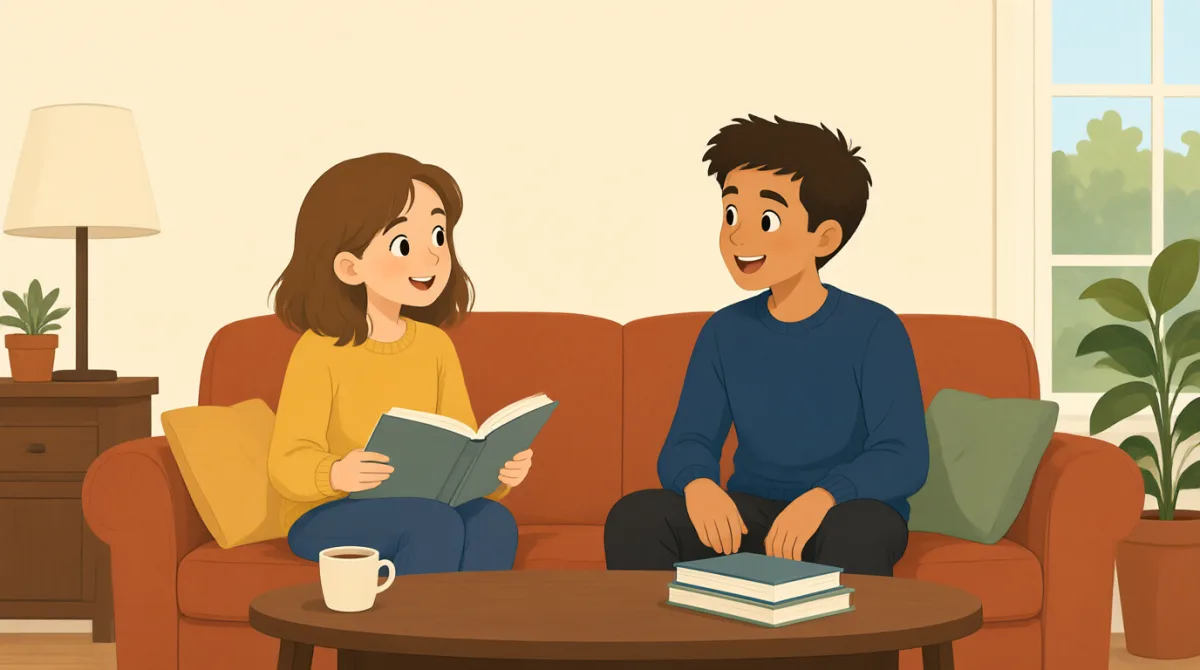

Thanks for today's lesson. I practiced turning and parking by the curb.
ممنون بابت درس امروز. پیچیدن و پارک کردن کنار جدول را تمرین کردم.

You did well. Next time, let's practice checking your mirrors more often.
خوب بودید. دفعهٔ بعد، بیایید بیشتر تمرین کنیم که مرتب آینههایتان را بررسی کنید.
That sounds good. Should I practice turning, too?
خوب است. باید پیچیدن را هم تمرین کنم؟
Yes. Keep practicing your turns, and remember to signal early.
بله. به تمرین پیچیدنهایتان ادامه بدهید و یادتان باشد زود راهنما بزنید.
Okay. When can we have our next lesson?
باشه. جلسهٔ بعدیمان را چه زمانی میتوانیم برگزار کنیم؟
Are you free next Tuesday at three in the afternoon?
سهشنبهٔ آینده، ساعت سه بعدازظهر وقت دارید؟
Yes, that works for me. I'll see you then.
بله، برای من مناسب است. پس آن موقع میبینمتان.
Great. I'll meet you here, and we'll get started right away.
عالی است. همینجا با شما ملاقات میکنم و بلافاصله شروع میکنیم.
واژگان8
- by the curbکنار جدول
This means next to the edge of the road. It describes where Emma practiced parking.
عبارت «by the curb» یعنی کنار لبهٔ خیابان. این عبارت محل پارک کردن اِما را توصیف میکند.
- You did well.خوب بودید.
This is a simple way to praise someone’s performance. You can use it after someone practices or completes a task.
عبارت «You did well.» راهی ساده برای تحسین عملکرد کسی است. میتوانید بعد از تمرین کردن یا انجام دادن کاری از آن استفاده کنید.
- Next timeدفعهٔ بعد
This means the next occasion when something happens. Use it to talk about what you plan to do in a future lesson.
عبارت «Next time» یعنی دفعه یا نوبت بعدی که کاری اتفاق میافتد. از آن برای صحبت دربارهٔ کاری که قصد دارید در جلسهٔ آینده انجام دهید استفاده کنید.
- more oftenبیشتر اوقات
This means more frequently. Use it when you want someone to do an action a greater number of times.
عبارت «more often» یعنی با دفعات بیشتر. وقتی میخواهید کسی کاری را تعداد دفعات بیشتری انجام دهد، از آن استفاده میکنید.
- Keep practicingبه تمرین کردن ادامه بدهید
This means continue to practice. You can use it to encourage someone to keep working on a skill.
عبارت «Keep practicing» یعنی به تمرین کردن ادامه دهید. میتوانید برای تشویق کسی به ادامه دادن کار روی یک مهارت از آن استفاده کنید.
- signal earlyزود راهنما زدن
This means use your car’s signal before you turn or change lanes. It tells other drivers what you plan to do.
عبارت «signal early» یعنی قبل از پیچیدن یا عوض کردن خط، از راهنمای خودرو استفاده کنید. این کار به رانندگان دیگر میگوید قصد دارید چه کاری انجام دهید.
- that works for meبرای من مناسب است
This means that a suggested time or plan is convenient for you. It is a natural way to accept an arrangement.
عبارت «that works for me» یعنی زمان یا برنامهٔ پیشنهادی برای شما مناسب است. این عبارت راهی طبیعی برای پذیرفتن یک برنامه یا هماهنگی است.
- get startedشروع کردن
This means begin doing something. You can use it when it is time to begin a lesson or activity.
عبارت «get started» یعنی شروع به انجام کاری کردن. وقتی زمان شروع یک درس یا فعالیت رسیده است، میتوانید از آن استفاده کنید.
جملات کلیدی8
- 1
Thanks for today's lesson.
ممنون بابت درس امروز.
This is a polite way to thank someone after a lesson. You can change “today's lesson” to name another activity.
«Thanks for today's lesson.» راهی مؤدبانه برای تشکر از کسی بعد از یک درس است. میتوانید عبارت «today's lesson» را با نام فعالیت دیگری جایگزین کنید.
- 2
You did well.
خوب بودید.
Use this short sentence to praise someone for doing a good job. You can say it after practice, a test, or another activity.
از جملهٔ کوتاه «You did well.» برای تحسین کسی بهخاطر انجام دادن کاری خوب استفاده کنید. میتوانید آن را بعد از تمرین، آزمون یا فعالیت دیگری به کار ببرید.
- 3
Next time, let's practice checking your mirrors more often.
دفعهٔ بعد، بیایید بیشتر تمرین کنیم که آینههایتان را بررسی کنید.
This sentence suggests what to work on in a future lesson. Use “Next time, let's practice” followed by an activity.
این جمله پیشنهاد میکند در جلسهای آینده روی چه چیزی کار کنید. بعد از عبارت «Next time, let's practice» یک فعالیت بیاورید.
- 4
Keep practicing your turns, and remember to signal early.
به تمرین پیچیدنهایتان ادامه بدهید و یادتان باشد زود راهنما بزنید.
This gives encouragement and a useful reminder. You can use “Keep practicing” with a skill you want someone to improve.
این جمله هم تشویق است و هم یادآوری مفیدی ارائه میدهد. میتوانید عبارت «Keep practicing» را همراه با مهارتی به کار ببرید که میخواهید کسی در آن پیشرفت کند.
- 5
When can we have our next lesson?
جلسهٔ بعدیمان را چه زمانی میتوانیم برگزار کنیم؟
This is a polite way to ask when another lesson can happen. Replace “lesson” with another meeting or activity.
«When can we have our next lesson?» راهی مؤدبانه برای پرسیدن زمان برگزاری یک جلسهٔ دیگر است. میتوانید «lesson» را با نام یک ملاقات یا فعالیت دیگر جایگزین کنید.
- 6
Are you free next Tuesday at three in the afternoon?
سهشنبهٔ آینده، ساعت سه بعدازظهر وقت دارید؟
Use this question to check if someone is available at a specific time. You can change the day and time to suggest another appointment.
از «Are you free next Tuesday at three in the afternoon?» برای بررسی آزاد بودن کسی در زمانی مشخص استفاده کنید. میتوانید روز و ساعت را تغییر دهید و قرار دیگری پیشنهاد کنید.
- 7
Yes, that works for me.
بله، برای من مناسب است.
This is a natural way to accept a suggested time or plan. You can also use it to agree to a meeting place or arrangement.
«Yes, that works for me.» راهی طبیعی برای پذیرفتن زمان یا برنامهای پیشنهادی است. همچنین میتوانید از آن برای موافقت با محل ملاقات یا هماهنگی دیگری استفاده کنید.
- 8
I'll see you then.
پس آن موقع میبینمتان.
This is a friendly way to confirm that you will meet at the agreed time. Use it after making a plan.
«I'll see you then.» راهی دوستانه برای تأیید ملاقات در زمان توافقشده است. بعد از برنامهریزی میتوانید از این عبارت استفاده کنید.