Welcome and Introductions
خوشامدگویی و آشنایی
Greeting neighbors upon arrival at the gathering, introducing yourself to new neighbors, and perhaps introducing familiar neighbors to each other.
خوشامدگویی به همسایهها هنگام رسیدن به دورهمی، معرفی خود به همسایههای جدید و شاید آشنا کردن همسایههای قدیمی با یکدیگر.
گفتوگو7
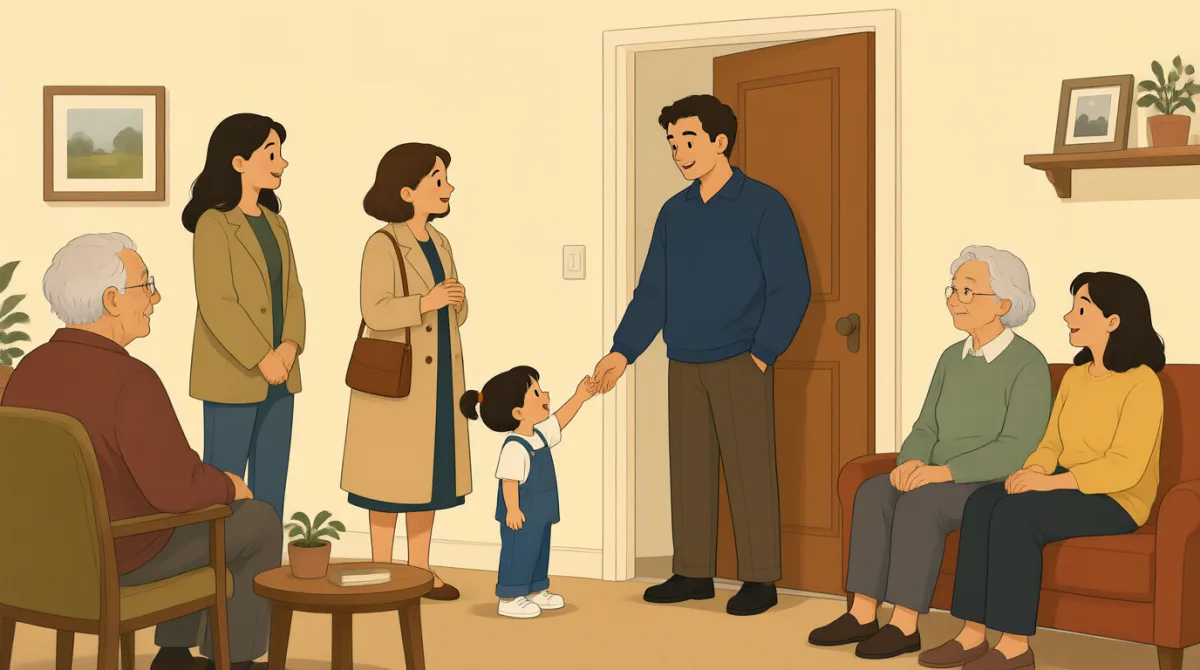

Hi Jack! So glad you could make it. Come on in, everyone's already here.
سلام جک! خیلی خوشحالم که تونستی بیای. بیا تو، همه همینجا هستن.

Hey Grace! Thanks for having me. Smells delicious out here, what's on the grill?
سلام گریس! ممنون که دعوتم کردی. اینجا بوی خیلی خوبی میاد؛ چی روی گریل گذاشتین؟
Just some burgers and hot dogs, classic barbecue fare. Oh, Jack, I wanted to introduce you. This is Mia, she just moved in down the street a few weeks ago.
فقط همبرگر و هاتداگ داریم، غذای همیشگی باربیکیو. راستی جک، میخواستم با یکی آشنات کنم. این میاست؛ چند هفتهست که همین پایین خیابون خونه گرفته.
It's great to meet you, Mia! Welcome to the neighborhood. I'm Jack, I live two blocks over, near the park.
از آشنایی باهات خوشحالم، میا! به محله خوش اومدی. من جکم، دو بلوک اونطرفتر، نزدیک پارک زندگی میکنم.

It's a pleasure to meet you too, Jack. Thanks for the warm welcome! Grace's been telling me all about the community events.
من هم از آشنایی باهات خوشحالم، جک. ممنون از این خوشامدگویی گرم! گریس کلی دربارهٔ برنامههای محله برام گفته.
He's a regular at these gatherings. You'll get to know everyone in no time, Mia. There's plenty of food, so help yourselves!
جک پای ثابت این دورهمیهاست. میا، خیلی زود با همه آشنا میشی. غذا زیاده، پس راحت باشین و از خودتون پذیرایی کنین!
That's great. So, Mia, how are you liking the neighborhood so far?
چه خوب. خب میا، تا الان از محله خوشت اومده؟
واژگان10
- gladخوشحال
Means happy or pleased about something. Use it to show positive feelings, like 'I'm glad you came' when welcoming someone.
یعنی از چیزی خوشحال یا راضی بودن. برای نشان دادن حس مثبت به کار میرود؛ مثلاً وقتی به کسی خوشامد میگویید: 'I'm glad you came' (خوشحالم که اومدی).
- make itرسیدن؛ توانستن در رویدادی شرکت کردن
Means to arrive or attend an event successfully. Common in casual talk, like 'I couldn't make it to the party' if you're late or absent.
یعنی با موفقیت به جایی رسیدن یا در رویدادی شرکت کردن. در گفتوگوی روزمره رایج است؛ مثلاً 'I couldn't make it to the party' (نتونستم به مهمونی بیام) وقتی دیر میرسید یا غایب هستید.
- grillگریل؛ کبابپز
A device for cooking food over an open fire, like at a barbecue. In context, 'what's on the grill?' asks about the food being cooked.
وسیلهای برای پختن غذا روی آتش یا حرارت مستقیم، مثل باربیکیو. در این گفتوگو، 'what's on the grill?' دربارهٔ غذایی میپرسد که در حال پختن است.
- introduceمعرفی کردن
To present someone to another person for the first time. Useful for social situations, like 'Let me introduce my friend.'
کسی را برای نخستین بار به فرد دیگری معرفی کردن. در موقعیتهای اجتماعی کاربرد دارد؛ مثلاً 'Let me introduce my friend.' (بذار دوستم رو بهت معرفی کنم.)
- neighborhoodمحله
The area around your home where you live, including nearby houses and people. Say 'Welcome to the neighborhood' to greet new residents.
محدودهٔ اطراف خانهتان که در آن زندگی میکنید، شامل خانهها و آدمهای نزدیک. برای خوشامدگویی به ساکنان جدید میتوانید بگویید 'Welcome to the neighborhood' (به محله خوش اومدی).
- welcomeخوشامدگویی؛ خوشامد گفتن
A friendly greeting to make someone feel at home. As a verb or noun, like 'You're welcome' in response to thanks, or 'Give a warm welcome.'
عبارتی دوستانه برای اینکه کسی احساس راحتی و تعلق کند. هم اسم است و هم فعل؛ مثلاً 'You're welcome' (خواهش میکنم) در جواب تشکر، یا 'Give a warm welcome.' (گرم و صمیمانه خوشامد بگویید.)
- pleasureلذت؛ خوشوقتی
A feeling of enjoyment. In introductions, 'It's a pleasure to meet you' is a polite way to respond to meeting someone new.
احساس خوشی یا لذت. هنگام آشنایی، 'It's a pleasure to meet you' راهی مؤدبانه برای گفتن این است که از آشنایی با کسی خوشحالید.
- regularپای ثابت؛ کسی که مرتب شرکت میکند
Someone who attends events often. In social contexts, 'He's a regular' means he comes frequently to gatherings.
کسی که مرتب در رویدادها شرکت میکند. در موقعیتهای اجتماعی، 'He's a regular' یعنی او مرتب به دورهمیها میآید.
- gatheringsدورهمیها
Informal meetings or parties where people come together. Use for community events like barbecues or block parties.
جلسهها یا مهمانیهای غیررسمی که در آنها مردم دور هم جمع میشوند. برای برنامههای محلی مثل باربیکیو یا مهمانی همسایهها به کار میرود.
- help yourselvesاز خودتان پذیرایی کنید
An invitation to take food or items without asking. Common at parties, like 'Help yourselves to the snacks' to encourage guests.
دعوتی است برای برداشتن غذا یا وسایل بدون اینکه اجازه بگیرید. در مهمانیها رایج است؛ مثلاً 'Help yourselves to the snacks' (از خوراکیها بردارین) تا مهمانها را به پذیرایی از خودشان تشویق کنید.
جملات کلیدی11
- 1
So glad you could make it.
خیلی خوشحالم که تونستی بیای.
This expresses happiness that someone attended. 'So glad' adds emphasis to 'glad,' and 'could make it' is a polite way to acknowledge their effort to come. Use it when greeting guests at events.
این جمله خوشحالی از حضور کسی را نشان میدهد. 'So glad' بر 'glad' تأکید میکند و 'could make it' راهی مؤدبانه برای قدردانی از تلاشی است که فرد برای آمدن کرده. هنگام خوشامدگویی به مهمانها در رویدادها از آن استفاده کنید.
- 2
Thanks for having me.
ممنون که دعوتم کردی.
A polite thank you for being invited. 'Having me' means inviting and hosting. Useful in response to welcomes at parties or dinners.
تشکری مؤدبانه بابت دعوت شدن است. 'Having me' یعنی دعوت کردن و میزبان بودن. وقتی در مهمانی یا شام به شما خوشامد میگویند، میتوانید در جواب از این جمله استفاده کنید.
- 3
Smells delicious out here.
اینجا بوی خیلی خوبی میاد.
Comments on a good smell, often at outdoor events. 'Out here' specifies the location. It's a way to start small talk by noticing something positive like food.
دربارهٔ بوی خوبی نظر میدهد و اغلب در رویدادهای بیرون از خانه به کار میرود. 'Out here' مکان را مشخص میکند. میتوانید با اشاره به نکتهٔ مثبتی مثل بوی غذا، سر صحبت را باز کنید.
- 4
What's on the grill?
چی روی گریل گذاشتین؟
Asks about the food being cooked. Informal question for barbecues. Helps continue conversation by showing interest in the event.
دربارهٔ غذایی میپرسد که در حال پختن است. پرسشی غیررسمی برای مهمانیهای باربیکیو است و با نشان دادن علاقه به برنامه به ادامهٔ گفتوگو کمک میکند.
- 5
I wanted to introduce you. This is Mia...
میخواستم باهات آشنات کنم. این میاست...
Introduces one person to another. 'I wanted to' softens the action, making it polite. Essential for social introductions; use when bringing people together.
یک نفر را به فرد دیگری معرفی میکند. 'I wanted to' جمله را ملایمتر و مؤدبانهتر میکند. برای آشناییهای اجتماعی کاربرد زیادی دارد؛ وقتی افراد را به هم معرفی میکنید از آن استفاده کنید.
- 6
It's great to meet you! Welcome to the neighborhood.
از آشنایی باهات خوشحالم! به محله خوش اومدی.
A friendly greeting during introductions. 'It's great to meet you' shows enthusiasm, and 'welcome to the neighborhood' makes newcomers feel included. Perfect for community settings.
خوشامدگویی دوستانه هنگام آشنایی است. 'It's great to meet you' اشتیاق را نشان میدهد و 'welcome to the neighborhood' کمک میکند تازهواردها احساس کنند عضوی از جمع هستند. برای موقعیتهای محلی بسیار مناسب است.
- 7
It's a pleasure to meet you too.
من هم از آشنایی باهات خوشحالم.
Polite response to an introduction. Mirrors the original greeting. Use it to reciprocate politeness in formal or semi-formal meetings.
پاسخی مؤدبانه به معرفی است و خوشامدگویی طرف مقابل را متقابلاً پاسخ میدهد. برای رعایت ادب در دیدارهای رسمی یا نیمهرسمی از آن استفاده کنید.
- 8
Thanks for the warm welcome!
ممنون از این خوشامدگویی گرم!
Expresses gratitude for a friendly reception. 'Warm welcome' means enthusiastic and kind. Good for acknowledging hospitality from others.
برای تشکر از استقبال دوستانه به کار میرود. 'Warm welcome' یعنی خوشامدگویی صمیمانه و پرشور. وقتی میخواهید از مهماننوازی دیگران قدردانی کنید، این جمله مناسب است.
- 9
You'll get to know everyone in no time.
خیلی زود با همه آشنا میشی.
Reassures someone they'll fit in quickly. 'In no time' means very soon. Encouraging phrase for new people in groups; uses future simple tense.
به کسی اطمینان میدهد که بهزودی با جمع جور خواهد شد. 'In no time' یعنی خیلی زود. این عبارت دلگرمکننده برای تازهواردهاست و در آن از زمان آیندهٔ ساده استفاده شده است.
- 10
There's plenty of food, so help yourselves!
غذا زیاده، پس راحت باشین و از خودتون پذیرایی کنین!
Invites guests to eat freely. 'Plenty of' means a lot, and 'help yourselves' is imperative for self-service. Common at parties to make people comfortable.
مهمانها را دعوت میکند آزادانه غذا بخورند. 'Plenty of' یعنی مقدار زیادی، و 'help yourselves' حالت امری دارد و یعنی خودتان بردارید. این عبارت در مهمانیها رایج است و کمک میکند مهمانها راحت باشند.
- 11
How are you liking the neighborhood so far?
تا الان از محله خوشت اومده؟
Asks for someone's opinion on a place up to now. Present continuous 'are liking' for ongoing feelings, 'so far' means until this point. Great for small talk with new neighbors.
نظر کسی را دربارهٔ یک مکان تا این لحظه میپرسد. زمان حال استمراری در 'are liking' احساس در حال حاضر را نشان میدهد و 'so far' یعنی تا این لحظه. برای گپوگفت با همسایههای جدید خیلی مناسب است.