Initial Report to Staff
گزارش اولیه به کارکنان
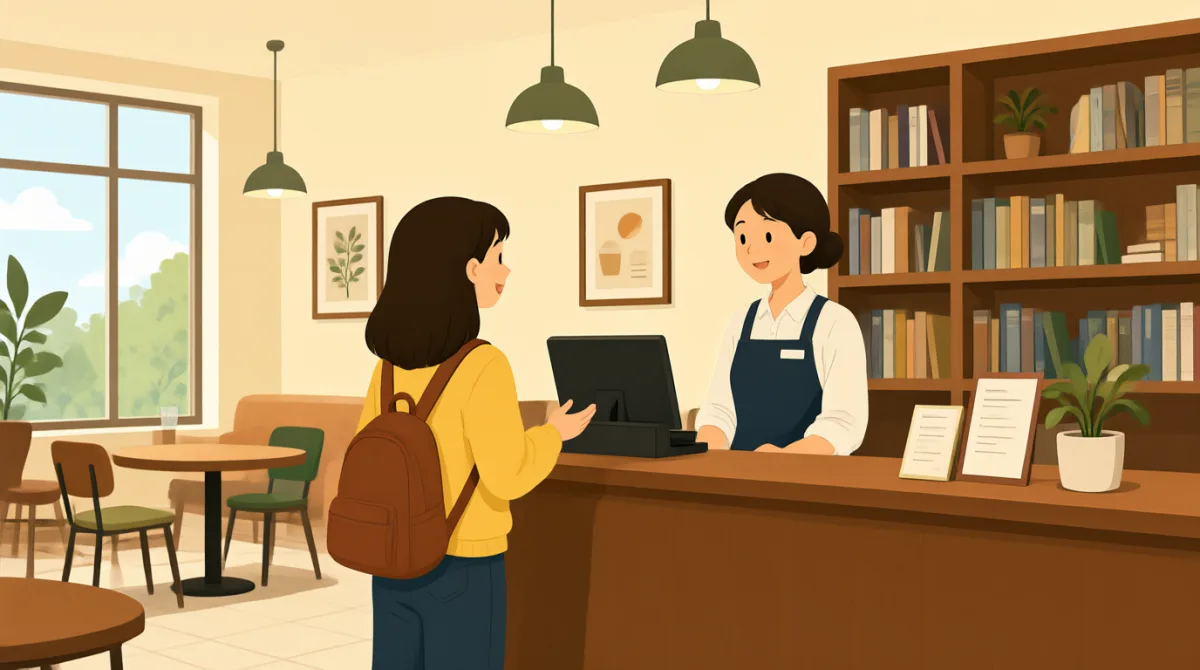
The learner approaches a staff member at the venue (e.g., cafe counter, library reception) and states that they have lost an item. They initiate the conversation and explain the purpose of their visit.
زبانآموز به یکی از کارکنان محل (مثلاً پیشخوان کافه یا پذیرش کتابخانه) مراجعه میکند و میگوید وسیلهای را گم کرده است. او سر صحبت را باز میکند و دلیل مراجعهاش را توضیح میدهد.
گفتوگو8

Excuse me, I hate to bother you, but I think I might have lost something here.
ببخشید، نمیخواهم مزاحمتان شوم، اما فکر میکنم چیزی را اینجا گم کرده باشم.

No bother at all. How can I help you? What exactly are you looking for?
اصلاً مزاحم نیستید. چطور میتوانم کمکتان کنم؟ دقیقاً دنبال چه چیزی میگردید؟
I seem to have misplaced my wallet. It's a small, black leather one, with a silver zipper.
فکر کنم کیف پولم را جایی گذاشتهام و یادم رفته کجا. یک کیف کوچک چرمیِ مشکی است که زیپ نقرهای دارد.
Okay, a small, black leather wallet. Do you remember where you might have last seen it?
بسیار خب، یک کیف پول چرمیِ کوچک و مشکی. یادتان هست آخرین بار کجا دیدیدش؟
I was sitting at the table near the window, the one in the corner, about an hour ago. I think it might have slipped out of my bag there.
حدود یک ساعت پیش، پشت میزی نزدیک پنجره نشسته بودم؛ همان میزِ گوشه. فکر کنم آنجا از کیفم افتاده باشد.
Got it. Let me check the lost and found, and I'll also have a look around that area for you. Can I get a name and phone number just in case we find it?
متوجه شدم. اجازه بدهید بخش اشیای گمشده را بررسی کنم و اطراف آن قسمت را هم برایتان بگردم. ممکن است نام و شماره تلفنتان را بدهید تا اگر پیدایش کردیم با شما تماس بگیریم؟
Certainly. My name is Emma Carter, and my number is 555-123-4567. Thank you so much for your help.
حتماً. اسمم اِما کارتر است و شمارهام 555-123-4567 است. واقعاً از کمکتان ممنونم.
You're welcome, Emma. We'll do our best to find it. If we do, we'll give you a call right away.
خواهش میکنم، اِما. تمام تلاشمون رو میکنیم پیداش کنیم. اگر پیداش کنیم، فوراً بهتون زنگ میزنیم.
واژگان7
- excuse meببخشید
A polite phrase used to get someone's attention before speaking, especially when interrupting.
عبارتی مؤدبانه برای جلب توجه کسی پیش از صحبت کردن، بهویژه وقتی میخواهید حرفش را قطع کنید.
- botherمزاحم شدن
To disturb or trouble someone; in 'I hate to bother you,' it shows reluctance to inconvenience the other person.
باعث ناراحتی یا دردسر کسی شدن؛ در عبارت 'I hate to bother you' نشان میدهد که گوینده نمیخواهد برای طرف مقابل زحمتی ایجاد کند.
- misplacedجایی گذاشتن و یادش رفتن کجا
To lose something temporarily by forgetting where you put it; less serious than 'lost' and implies it might be found.
وقتی چیزی را موقتاً گم میکنید چون یادتان نمیآید آن را کجا گذاشتهاید؛ از 'lost' جدیتر نیست و میرساند که ممکن است آن را پیدا کنید.
- walletکیف پول
A small flat case used to carry money, credit cards, and ID; common item to lose in public places.
محفظهای تخت و کوچک برای نگهداری پول، کارتهای بانکی و مدارک شناسایی؛ وسیلهای که معمولاً در مکانهای عمومی گم میشود.
- slipped outاز چیزی بیرون افتادن
To fall or slide out accidentally from something like a bag; describes how an item might get lost without noticing.
اتفاقی از چیزی مثل کیف افتادن یا سر خوردن؛ توضیح میدهد که یک وسیله ممکن است بدون اینکه متوجه شوید گم شود.
- lost and foundبخش اشیای گمشده
A designated area or box at public places where lost items are kept until the owner claims them.
محل یا جعبهای مشخص در مکانهای عمومی که وسایل گمشده را تا زمان تحویل گرفتنشان به صاحبشان نگه میدارند.
- just in caseبرای احتیاط
A phrase meaning 'to prepare for a possible situation'; used here to explain why contact details are needed if the item is found.
عبارتی به معنی «برای آماده بودن در برابر یک موقعیت احتمالی»؛ اینجا توضیح میدهد چرا برای تماس در صورت پیدا شدن وسیله، اطلاعات تماس لازم است.
جملات کلیدی8
- 1
Excuse me, I hate to bother you, but I think I might have lost something here.
ببخشید، نمیخواهم مزاحمتان شوم، اما فکر میکنم چیزی را اینجا گم کرده باشم.
This is a polite way to start a conversation when reporting a lost item. 'I hate to bother you' softens the request, and 'might have' shows uncertainty, which is common in intermediate English for being tentative.
این جمله راه مؤدبانهای برای شروع مکالمه هنگام گزارش گم شدن وسیله است. 'I hate to bother you' درخواست را ملایمتر میکند و 'might have' نشاندهنده تردید است؛ این کاربرد در انگلیسی سطح متوسط برای بیان محتاطانه رایج است.
- 2
No bother at all. How can I help you?
اصلاً مزاحم نیستید. چطور میتوانم کمکتان کنم؟
A friendly response to offer assistance. 'No bother at all' reassures the speaker they are not troubling you. Useful for service roles; the question invites more details.
پاسخی دوستانه برای پیشنهاد کمک است. 'No bother at all' به طرف مقابل اطمینان میدهد که مزاحم شما نشده است. این عبارت برای کارکنان بخش خدمات مفید است؛ سؤال هم طرف مقابل را به گفتن جزئیات بیشتر دعوت میکند.
- 3
I seem to have misplaced my wallet.
فکر کنم کیف پولم را جایی گذاشتهام و یادم رفته کجا.
Describes losing an item gently. 'Seem to have' expresses possibility, and 'misplaced' is a softer word for 'lost.' Good for describing personal belongings in reports.
این جمله گم شدن وسیله را با لحنی ملایم بیان میکند. 'Seem to have' احتمال را میرساند و 'misplaced' واژهای ملایمتر از 'lost' است. برای توضیح دادن درباره وسایل شخصی هنگام گزارش دادن مناسب است.
- 4
Do you remember where you might have last seen it?
یادتان هست آخرین بار کجا دیدیدش؟
Asks for location details. 'Might have' adds politeness and uncertainty; 'last seen' focuses on the most recent memory. Essential for gathering information in lost item scenarios.
برای پرسیدن جزئیات مکان به کار میرود. 'Might have' به جمله لحنی مؤدبانه و محتاطانه میدهد؛ 'last seen' روی آخرین خاطره از دیدن وسیله تمرکز میکند. این عبارت برای جمعآوری اطلاعات درباره وسایل گمشده ضروری است.
- 5
I was sitting at the table near the window, about an hour ago.
حدود یک ساعت پیش، پشت میزی نزدیک پنجره نشسته بودم.
Provides specific details about time and place. Past continuous 'was sitting' describes the action at that time; useful for giving context in reports to help searches.
جزئیات مشخصی درباره زمان و مکان میدهد. گذشته استمراری در 'was sitting' کاری را توصیف میکند که در آن زمان در جریان بوده است؛ هنگام گزارش دادن، برای کمک به جستوجو مفید است.
- 6
Can I get a name and phone number just in case we find it?
ممکن است نام و شماره تلفنتان را بدهید تا اگر پیدایش کردیم با شما تماس بگیریم؟
Requests contact information politely. 'Just in case' explains the purpose; imperative 'Can I get' is a soft request. Common in service interactions for follow-up.
درخواستی مؤدبانه برای دریافت اطلاعات تماس است. 'Just in case' دلیل درخواست را توضیح میدهد؛ 'Can I get' درخواست را ملایمتر بیان میکند. در تعاملهای خدماتی، برای پیگیری کار رایج است.
- 7
My name is Emma Carter, and my number is 555-123-4567.
اسمم اِما کارتر است و شمارهام 555-123-4567 است.
Gives personal details clearly. Simple structure with 'is' for identification; practice saying phone numbers clearly. Useful when providing info for callbacks.
اطلاعات شخصی را بهروشنی بیان میکند. ساختار ساده با 'is' برای معرفی به کار میرود؛ گفتن واضح شماره تلفن را تمرین کنید. هنگام دادن اطلاعات برای تماس بعدی مفید است.
- 8
You're welcome. We'll do our best to find it.
خواهش میکنید. تمام تلاشمون رو میکنیم پیداش کنیم.
Polite closing response. 'You're welcome' acknowledges thanks; 'do our best' promises effort without guaranteeing success. Good for ending helpful conversations positively.
پاسخی مؤدبانه برای پایان مکالمه است. 'You're welcome' در پاسخ به تشکر گفته میشود؛ 'do our best' قول تلاش کردن میدهد، نه تضمین موفقیت. برای پایان دادن مثبت به مکالمهای همراه با کمک مناسب است.