Casual Greeting & Inquiry
تحية عفوية وسؤال عن الحال
Two friends meet unexpectedly and one asks the other how they are doing in a general sense.
يلتقي صديقان مصادفةً، ويسأل أحدهما الآخر عن أحواله عمومًا.
حوار7
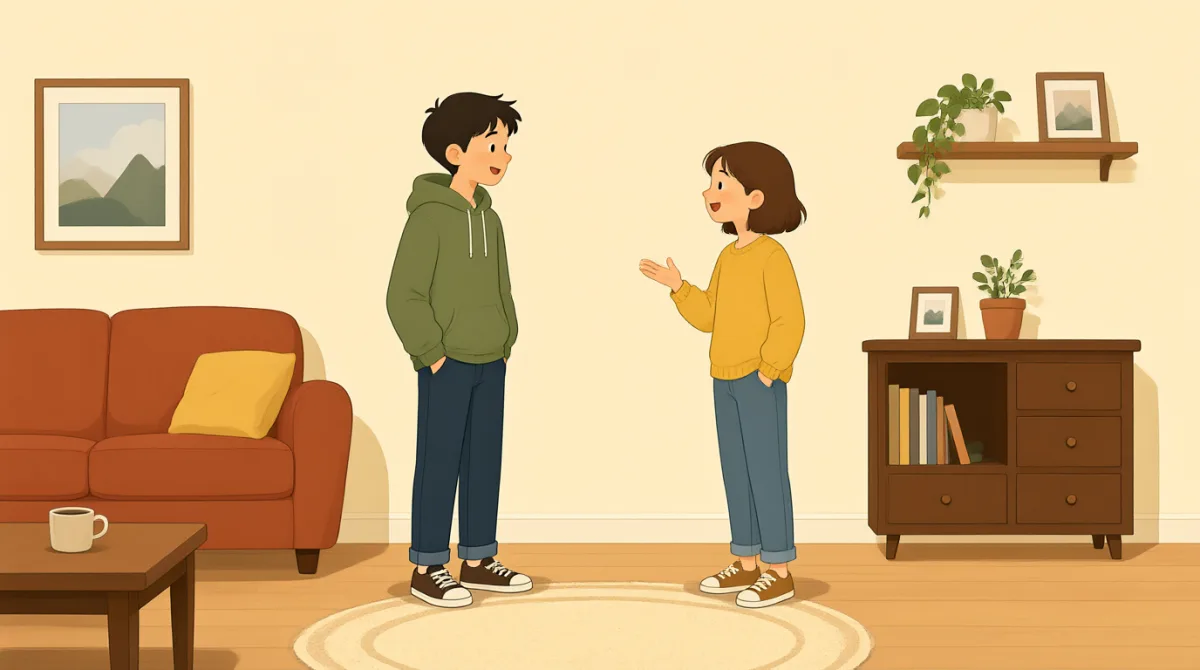

Hey Emma! Fancy meeting you here. How have you been doing?
مرحبًا يا إيما! يا لها من مصادفة أن أراك هنا. كيف كانت أحوالك؟

Jack! Wow, what a surprise! I've been good, thanks for asking. How about you?
جاك! واو، يا لها من مفاجأة! أنا بخير، شكرًا لسؤالك. وأنت؟
I can't complain. Just busy with work, you know how it is.
لا أستطيع الشكوى. أنا مشغول بالعمل فحسب، تعرف كيف تسير الأمور.
Oh, fully understand that! You look well, though.
أوه، أتفهم ذلك تمامًا! لكنك تبدو بصحة جيدة.
Thanks! You too. Anything new happening?
شكرًا! وأنت أيضًا. هل من أخبار جديدة؟
Not really, just the usual. It was good running into you!
ليس حقًا، الأمور كالمعتاد فحسب. سررت بمصادفتك!
You too, Emma! Take care.
وأنا أيضًا يا إيما! اعتني بنفسك.
المفردات7
- fancyيا لها من مصادفة
In this context, 'fancy' means 'what a surprise' or 'unexpected.' It's used in casual greetings like 'Fancy meeting you here!' to express pleasant surprise when seeing someone.
في هذا السياق، تعني 'fancy' «يا لها من مفاجأة» أو «غير متوقّع». وتُستخدم في التحيات العفوية، مثل 'Fancy meeting you here!' للتعبير عن السرور بالمصادفة عند رؤية شخص ما.
- surpriseمفاجأة
A feeling of astonishment when something unexpected happens. In the dialogue, 'what a surprise!' shows excitement about an unplanned meeting.
شعور بالدهشة عندما يحدث شيء غير متوقّع. في الحوار، تعبّر 'what a surprise!' عن الحماس للقاء غير مخطّط له.
- complainيشكو
To express dissatisfaction or annoyance. 'I can't complain' is an idiomatic way to say things are okay, nothing to be unhappy about.
يعبّر عن عدم الرضا أو الانزعاج. والعبارة 'I can't complain' تعبير اصطلاحي يعني أن الأمور على ما يرام، وليس هناك ما يدعو إلى الاستياء.
- busyمشغول
Having a lot of things to do, often with work or activities. It's common in casual talk to explain why life feels hectic.
لديه الكثير من الأمور التي ينبغي إنجازها، غالبًا في العمل أو في أنشطة أخرى. ومن الشائع ذكر ذلك في الأحاديث العفوية لتفسير انشغال الحياة.
- understandيفهم
To know or realize the meaning of something. 'Fully understand' means completely agreeing or relating to someone's situation.
يعرف معنى شيء ما أو يدركه. وتعني 'Fully understand' التفهّم التام لموقف شخص ما والتعاطف معه.
- wellبصحة جيدة
In this context, meaning healthy or looking good. 'You look well' is a polite way to compliment someone's appearance and health.
تعني هنا أن الشخص يتمتع بصحة جيدة أو يبدو بمظهر حسن. والعبارة 'You look well' طريقة مهذبة للإطراء على مظهر شخص ما وصحته.
- usualالمعتاد
Something that happens or is done regularly, nothing special. 'Just the usual' means everyday routine without changes.
شيء يحدث أو يُفعل بانتظام، ولا يحمل جديدًا أو تميّزًا. وتعني 'Just the usual' أن الأمور تسير كالمعتاد، من دون تغيير.
الجمل الأساسية7
- 1
How have you been doing?
كيف كانت أحوالك؟
This is a common way to ask about someone's recent well-being. Use the present perfect 'have been doing' for ongoing situations up to now. It's polite and opens casual conversations.
هذه طريقة شائعة للسؤال عن أحوال شخص ما في الفترة الأخيرة. يُستخدم المضارع التام 'have been doing' للحديث عن أحوال مستمرة حتى الآن. والعبارة مهذبة وتصلح لبدء حديث عفوي.
- 2
I've been good, thanks for asking.
أنا بخير، شكرًا لسؤالك.
A positive response to 'How are you?' 'I've been good' uses present perfect for recent time. 'Thanks for asking' shows appreciation for the inquiry, making the reply polite.
هذا رد إيجابي على سؤال 'How are you?'؛ وتستخدم عبارة 'I've been good' المضارع التام للحديث عن الفترة الأخيرة. أما 'Thanks for asking' فتُظهر الامتنان للسؤال وتجعل الرد مهذبًا.
- 3
How about you?
وأنت؟
A simple way to return the question, meaning 'And what about you?' It's useful in conversations to keep the talk balanced and show interest in the other person.
طريقة بسيطة لرد السؤال، ومعناها «وماذا عنك؟». وهي مفيدة لمواصلة الحديث وإظهار الاهتمام بالطرف الآخر.
- 4
I can't complain.
لا أستطيع الشكوى.
An idiomatic expression meaning everything is fine, no problems. It's casual and modest, often used when things are average but not bad. Good for everyday chats.
تعبير اصطلاحي يعني أن كل شيء على ما يرام ولا توجد مشكلات. وهو تعبير عفوي ومتواضع، ويُستخدم غالبًا عندما تكون الأمور عادية لكنها ليست سيئة. يناسب الأحاديث اليومية.
- 5
You look well.
تبدو بصحة جيدة.
A compliment on appearance and health. 'Look' with adjectives like 'well' describes how someone appears. Use it to respond positively in greetings about wellness.
إطراء على المظهر والصحة. يُستخدم الفعل 'Look' مع صفات مثل 'well' لوصف الهيئة التي يبدو عليها الشخص. ويمكنك قول ذلك في التحية للتعبير عن انطباع إيجابي عن حال الشخص.
- 6
It was good running into you!
سررت بمصادفتك!
Means 'It was nice to meet you by chance.' 'Running into' is an idiom for accidental encounters. Say this at the end of a brief, happy meeting to express pleasure.
تعني 'It was nice to meet you by chance.' والتعبير 'Running into' اصطلاحي ويشير إلى لقاء شخص مصادفةً. قل هذه العبارة في نهاية لقاء قصير ولطيف للتعبير عن سعادتك به.
- 7
Take care.
اعتنِ بنفسك.
A friendly goodbye meaning 'Stay safe and healthy.' It's a common closing in casual talks, especially when discussing well-being. Short and warm for farewells.
تحية وداع ودودة تعني 'Stay safe and healthy.' وهي عبارة شائعة لإنهاء الأحاديث العفوية، ولا سيما عند الحديث عن أحوال الشخص. قصيرة ودافئة وتناسب الوداع.