Casual Greeting & Inquiry
अनौपचारिक अभिवादन और हालचाल पूछना
Two friends meet unexpectedly and one asks the other how they are doing in a general sense.
दो दोस्त अचानक मिलते हैं और उनमें से एक दूसरे का सामान्य हालचाल पूछता है।
संवाद7
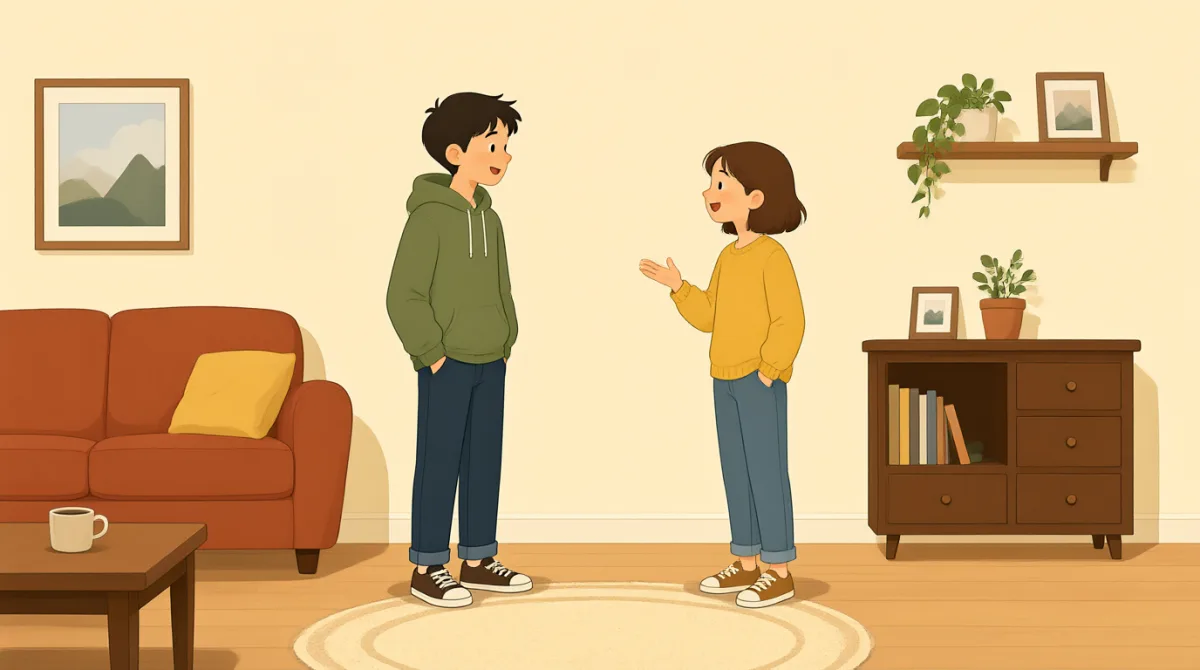

Hey Emma! Fancy meeting you here. How have you been doing?
अरे एम्मा! यहाँ तुमसे मिलना कितना अजीब संयोग है। कैसी चल रही है ज़िंदगी?

Jack! Wow, what a surprise! I've been good, thanks for asking. How about you?
जैक! अरे, क्या संयोग है! मैं अच्छी हूँ, पूछने के लिए शुक्रिया। तुम कैसे हो?
I can't complain. Just busy with work, you know how it is.
शिकायत नहीं कर सकता। बस काम में व्यस्त हूँ, तुम तो जानते ही हो कैसा होता है।
Oh, fully understand that! You look well, though.
अरे, मैं पूरी तरह समझती हूँ! वैसे तुम अच्छे लग रहे हो।
Thanks! You too. Anything new happening?
शुक्रिया! तुम भी। कुछ नया चल रहा है?
Not really, just the usual. It was good running into you!
कुछ खास नहीं, बस वही रोज़मर्रा की बातें। तुमसे अचानक मिलकर अच्छा लगा!
You too, Emma! Take care.
मुझे भी, एम्मा! अपना ख़याल रखना।
शब्दावली7
- fancyअजीब संयोग
In this context, 'fancy' means 'what a surprise' or 'unexpected.' It's used in casual greetings like 'Fancy meeting you here!' to express pleasant surprise when seeing someone.
इस संदर्भ में, 'fancy' का मतलब है 'क्या संयोग है' या 'अचानक मिल जाना'। किसी को देखकर सुखद आश्चर्य जताने के लिए अनौपचारिक अभिवादन में इसका इस्तेमाल होता है, जैसे 'Fancy meeting you here!'।
- surpriseआश्चर्य
A feeling of astonishment when something unexpected happens. In the dialogue, 'what a surprise!' shows excitement about an unplanned meeting.
जब कुछ अप्रत्याशित होता है, तो मन में होने वाली हैरानी को 'surprise' कहते हैं। संवाद में 'what a surprise!' कहकर अचानक हुई मुलाक़ात पर खुशी जताई गई है।
- complainशिकायत करना
To express dissatisfaction or annoyance. 'I can't complain' is an idiomatic way to say things are okay, nothing to be unhappy about.
असंतोष या झुंझलाहट ज़ाहिर करना। 'I can't complain' एक मुहावरेदार अभिव्यक्ति है, जिसका मतलब है कि सब ठीक है और नाराज़ होने की कोई बात नहीं।
- busyव्यस्त
Having a lot of things to do, often with work or activities. It's common in casual talk to explain why life feels hectic.
जब करने के लिए बहुत-से काम या गतिविधियाँ हों, तो आप 'busy' होते हैं। रोज़मर्रा की बातचीत में यह बताने के लिए आम है कि ज़िंदगी भागदौड़ भरी क्यों लग रही है।
- understandसमझना
To know or realize the meaning of something. 'Fully understand' means completely agreeing or relating to someone's situation.
किसी बात का मतलब जानना या उसे महसूस कर पाना। 'Fully understand' का अर्थ है किसी की परिस्थिति को पूरी तरह समझना या उससे जुड़ाव महसूस करना।
- wellअच्छा (दिखना/महसूस करना)
In this context, meaning healthy or looking good. 'You look well' is a polite way to compliment someone's appearance and health.
इस संदर्भ में इसका मतलब है स्वस्थ होना या अच्छा दिखना। 'You look well' किसी की शक्ल-सूरत और सेहत की तारीफ़ करने का विनम्र तरीका है।
- usualरोज़ का / सामान्य
Something that happens or is done regularly, nothing special. 'Just the usual' means everyday routine without changes.
ऐसी चीज़ जो नियमित रूप से होती या की जाती है और जिसमें कुछ खास न हो। 'Just the usual' का मतलब है रोज़मर्रा की वही दिनचर्या, जिसमें कोई बदलाव नहीं।
मुख्य वाक्य7
- 1
How have you been doing?
तुम्हारी ज़िंदगी कैसी चल रही है?
This is a common way to ask about someone's recent well-being. Use the present perfect 'have been doing' for ongoing situations up to now. It's polite and opens casual conversations.
किसी का हालचाल पूछने का यह एक आम तरीका है, खासकर यह जानने के लिए कि हाल के दिनों में वे कैसे रहे हैं। 'have been doing' वाला present perfect अब तक जारी स्थिति के बारे में बात करता है। यह दोस्तों के बीच बातचीत शुरू करने का सहज तरीका है।
- 2
I've been good, thanks for asking.
मैं अच्छी हूँ, पूछने के लिए शुक्रिया।
A positive response to 'How are you?' 'I've been good' uses present perfect for recent time. 'Thanks for asking' shows appreciation for the inquiry, making the reply polite.
'How are you?' का यह एक सकारात्मक जवाब है। 'I've been good' में हाल के समय की बात करने के लिए present perfect का इस्तेमाल हुआ है। 'Thanks for asking' पूछने के लिए आभार जताता है और जवाब को विनम्र बनाता है।
- 3
How about you?
और तुम?
A simple way to return the question, meaning 'And what about you?' It's useful in conversations to keep the talk balanced and show interest in the other person.
सामने वाले से वही सवाल वापस पूछने का आसान तरीका, जिसका मतलब है 'और तुम्हारा क्या हाल है?' बातचीत को दोनों तरफ़ से जारी रखने और दूसरे में दिलचस्पी दिखाने के लिए यह उपयोगी है।
- 4
I can't complain.
शिकायत नहीं कर सकता।
An idiomatic expression meaning everything is fine, no problems. It's casual and modest, often used when things are average but not bad. Good for everyday chats.
इस मुहावरे का मतलब है कि सब ठीक है और कोई समस्या नहीं है। यह अनौपचारिक और विनम्र जवाब है, जिसका इस्तेमाल अक्सर तब होता है जब हालात औसत हों, लेकिन बुरे न हों। रोज़मर्रा की बातचीत में इसका इस्तेमाल कर सकते हैं।
- 5
You look well.
तुम अच्छे लग रहे हो।
A compliment on appearance and health. 'Look' with adjectives like 'well' describes how someone appears. Use it to respond positively in greetings about wellness.
यह किसी की शक्ल-सूरत और सेहत की तारीफ़ है। 'Look' के साथ 'well' जैसे विशेषण बताता है कि कोई कैसा दिखाई देता है। हालचाल पूछने पर सकारात्मक जवाब देने के लिए इसका इस्तेमाल करें।
- 6
It was good running into you!
तुमसे अचानक मिलकर अच्छा लगा!
Means 'It was nice to meet you by chance.' 'Running into' is an idiom for accidental encounters. Say this at the end of a brief, happy meeting to express pleasure.
इसका मतलब है 'संयोग से तुमसे मिलकर अच्छा लगा।' 'Running into' अचानक या अनजाने में किसी से मिलने का मुहावरा है। किसी छोटी और सुखद मुलाक़ात के अंत में अपनी खुशी जताने के लिए यह कहें।
- 7
Take care.
अपना ख़याल रखना।
A friendly goodbye meaning 'Stay safe and healthy.' It's a common closing in casual talks, especially when discussing well-being. Short and warm for farewells.
यह दोस्ताना विदाई है, जिसका मतलब है 'सुरक्षित और स्वस्थ रहना।' हालचाल की बात के बाद अनौपचारिक बातचीत खत्म करते समय यह कहना आम है। विदाई के लिए छोटा और स्नेहभरा वाक्य है।