Блок 58
Слова 1141–1160 · heat, excite, reader, importance, distance, guide
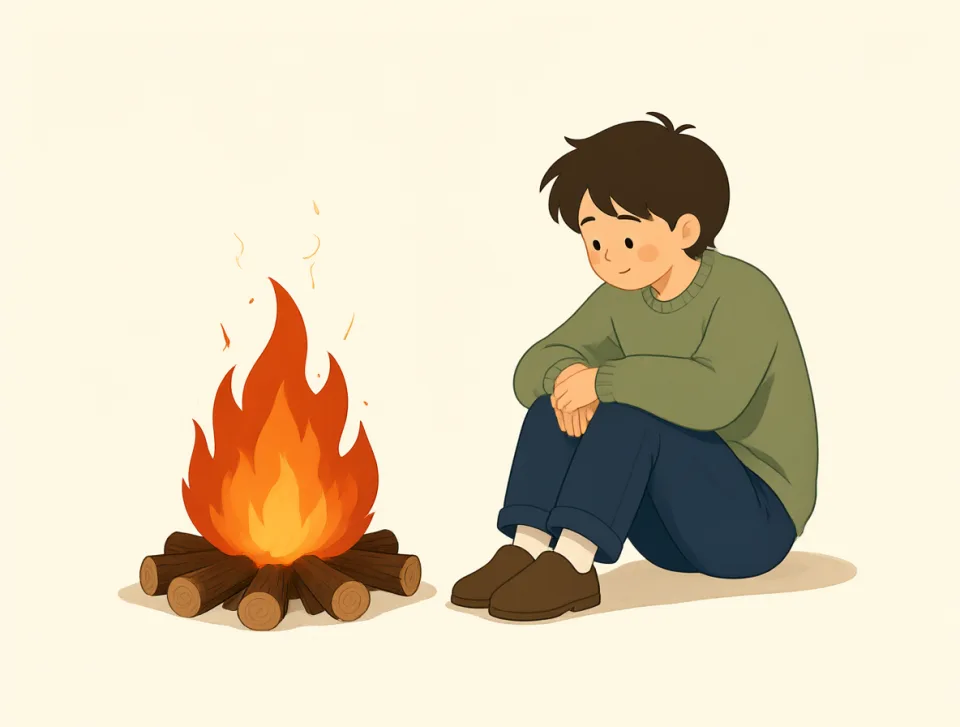
heat
#1141noun, verb
жара; нагревать
the quality of being hot, or to make something hot
Состояние высокой температуры или действие, в результате которого что-либо становится горячим.

The heat was too strong, so we opened the windows.
Жара была слишком сильной, поэтому мы открыли окна.
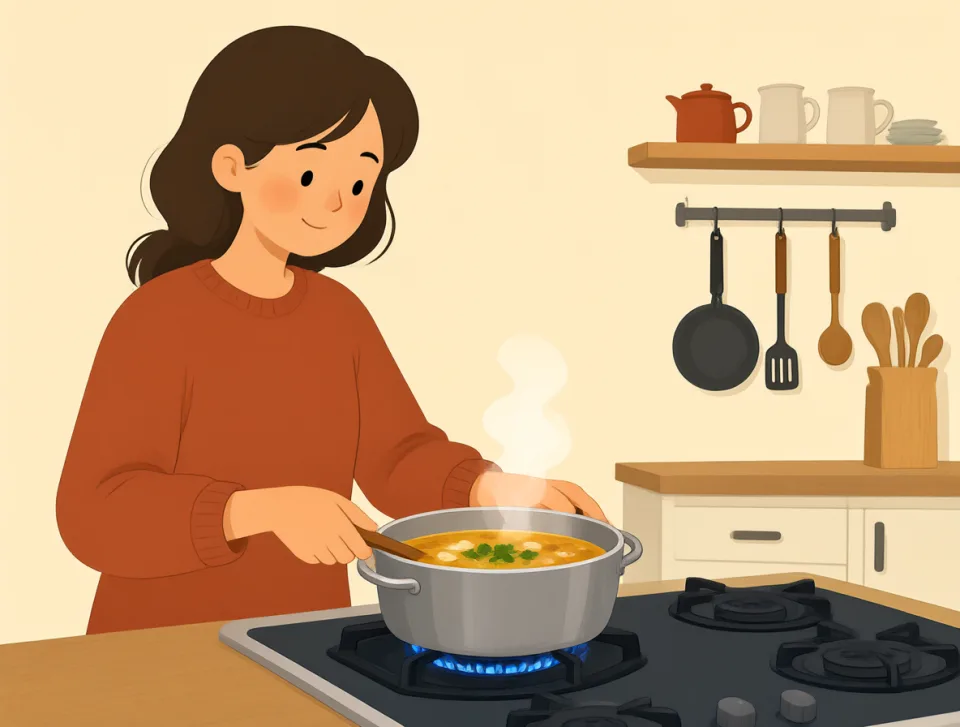
Please heat the soup before serving it.
Пожалуйста, разогрейте суп перед подачей.

This jacket will keep you warm in the winter heat.
Эта куртка сохранит тепло зимой.

The heat from the oven made the kitchen uncomfortable.
Жар от духовки сделал кухню некомфортной.

The workers stopped because of the extreme heat.
Рабочие остановились из-за сильной жары.

excite
#1142verb
восхищать; воодушевлять
to make someone feel very happy, interested, or eager about something
Заставлять кого-либо испытывать большую радость, интерес или сильное желание сделать что-либо.

The trip to the beach really excited the children.
Поездка на пляж очень воодушевила детей.

I am excited about starting my new job.
Я с нетерпением жду начала работы на новой должности.

The science experiment excited the students.
Научный эксперимент очень заинтересовал студентов.

Our guests were excited by the delicious birthday cake.
Наши гости были в восторге от вкусного праздничного торта.

The new treatment excited doctors because patients improved quickly.
Новое лечение воодушевило врачей, потому что пациенты быстро пошли на поправку.

reader
#1143noun
читатель
A person who reads books, newspapers, or other written information.
Человек, который читает книги, газеты или другую письменную информацию.

She is an avid reader who finishes several books each month.
Она заядлая читательница и каждый месяц заканчивает несколько книг.

The newspaper reader folded the paper and drank his coffee.
Читатель газеты сложил её и выпил кофе.

Every reader should bring a book for the long train journey.
Каждый читатель должен взять с собой книгу для долгой поездки на поезде.

The teacher asked each reader to share one favorite story.
Учитель попросил каждого читателя поделиться одной любимой историей.

The screen reader helps people with poor eyesight use a computer.
Программа экранного доступа помогает людям с плохим зрением пользоваться компьютером.

importance
#1144noun
важность
The quality of being important or having a strong effect.
Свойство быть важным или оказывать сильное влияние.
She understands the importance of getting enough sleep every night.
Она понимает, как важно каждую ночь высыпаться.

The teacher explained the importance of practicing English every day.
Учитель объяснил, как важно ежедневно практиковаться в английском языке.
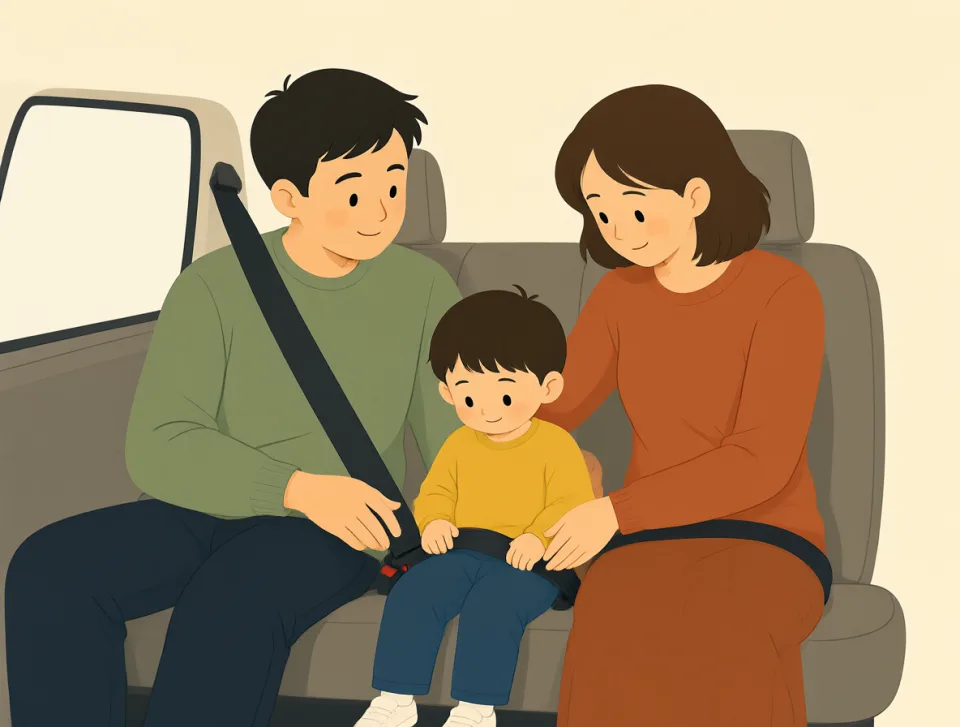
We learned the importance of wearing a seat belt during the trip.
Во время поездки мы узнали, как важно пристёгиваться ремнём безопасности.

The doctor talked about the importance of eating fresh vegetables.
Врач рассказал о важности употребления свежих овощей.

The manager stressed the importance of arriving at work on time.
Менеджер подчеркнул важность своевременного прихода на работу.
distance
#1145noun
расстояние
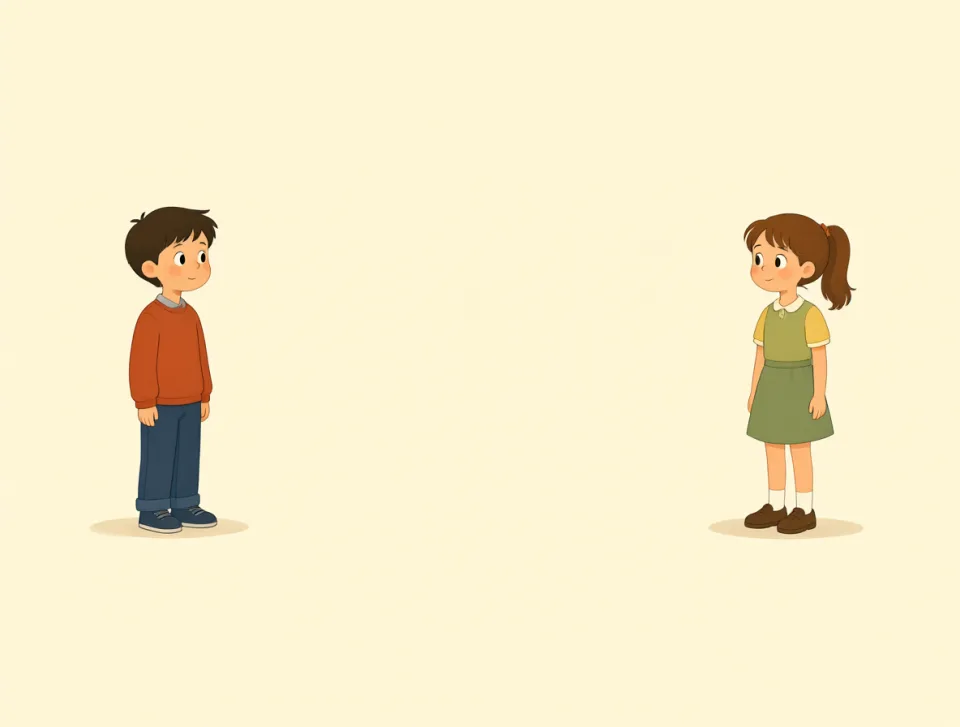
The amount of space between two people, places, or things.
Величина пространства между двумя людьми, местами или предметами.

The distance from my home to school is only two kilometers.
Расстояние от моего дома до школы составляет всего два километра.

Please keep your distance from the wild animals at the zoo.
Пожалуйста, держитесь подальше от диких животных в зоопарке.

We live within walking distance of the train station.
Мы живём в пешей доступности от железнодорожного вокзала.

I could see mountains in the distance from our hotel.
Из нашего отеля вдали виднелись горы.

The company offers distance learning for workers in other cities.
Компания предлагает дистанционное обучение для сотрудников из других городов.

guide
#1146noun, verb
гид
A person who shows you where to go or explains how to do something.
Человек, который показывает, куда идти, или объясняет, как что-то сделать.

Our guide showed us around the old castle.
Наш гид показал нам старый замок.

Please read the guide before using the new coffee machine.
Пожалуйста, прочитайте инструкцию перед тем, как пользоваться новой кофемашиной.

The teacher guided the students through the difficult experiment.
Учитель помог ученикам провести сложный эксперимент.

A local guide took us to a quiet beach.
Местный гид отвёл нас на тихий пляж.

This map will guide you to the nearest pharmacy.
Эта карта поможет вам найти ближайшую аптеку.

grant
#1147noun, verb
предоставлять; грант
To officially give something, or money given for a special project.
Официально предоставлять что-либо; также деньги, выделенные на специальный проект.

The college granted her a scholarship after reviewing her application.
Колледж выделил ей стипендию после рассмотрения её заявления.

The bank granted us a loan for our first home.
Банк выдал нам кредит на покупку нашего первого дома.

The city granted permission to build a new playground.
Городские власти разрешили построить новую детскую площадку.

She received a government grant to open a small bakery.
Она получила государственный грант на открытие небольшой пекарни.

His parents finally granted his request for a later curfew.
Наконец родители разрешили ему возвращаться домой позже.

taxi
#1148noun, verb
такси
A car with a driver that you pay to take you somewhere.
Автомобиль с водителем, которому вы платите за поездку в нужное место.

We took a taxi to the airport early this morning.
Сегодня рано утром мы поехали в аэропорт на такси.
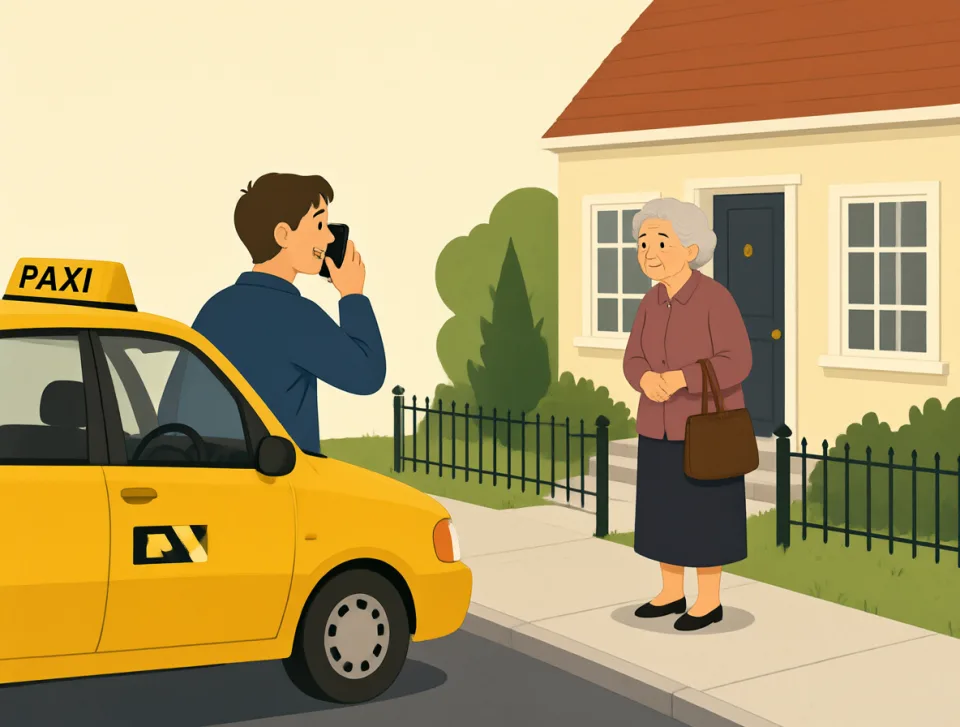
Please call a taxi to take Grandma to the hospital.
Пожалуйста, вызовите такси, чтобы отвезти бабушку в больницу.

I shared a taxi with two friends after the concert.
После концерта я разделил такси с двумя друзьями.

The taxi driver helped me carry my shopping bags.
Водитель такси помог мне донести пакеты с покупками.

She taxied across town because the buses had stopped running.
Она пересекла весь город на такси, потому что автобусы перестали ходить.
feed
#1149verb, noun
кормить; лента
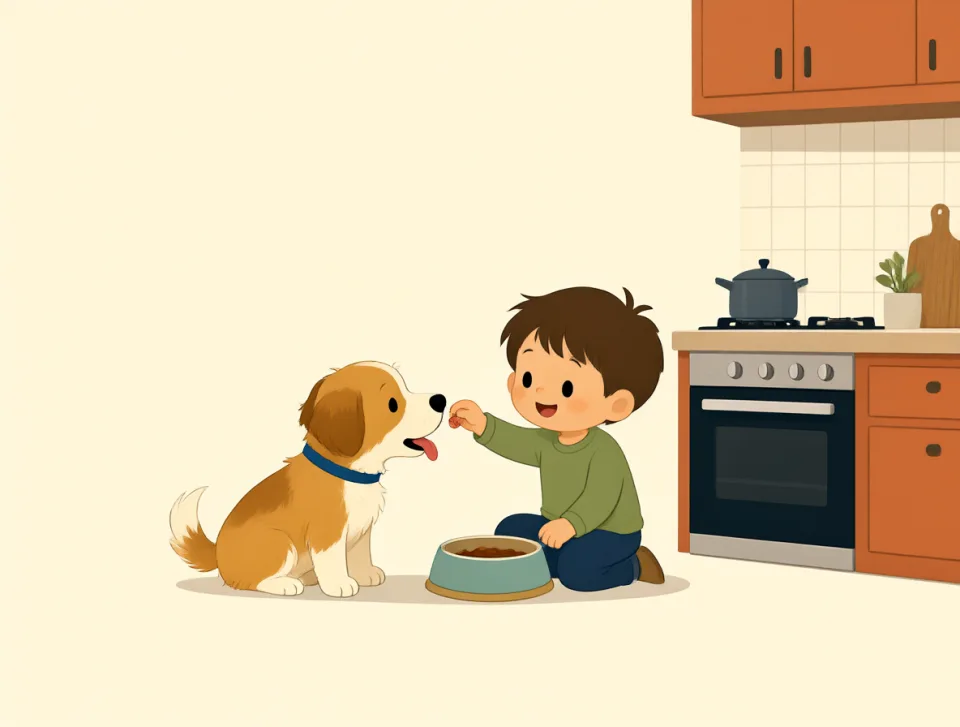
to give food to a person or animal; a supply of information or food
Давать еду человеку или животному; также запас или поток информации либо еды.
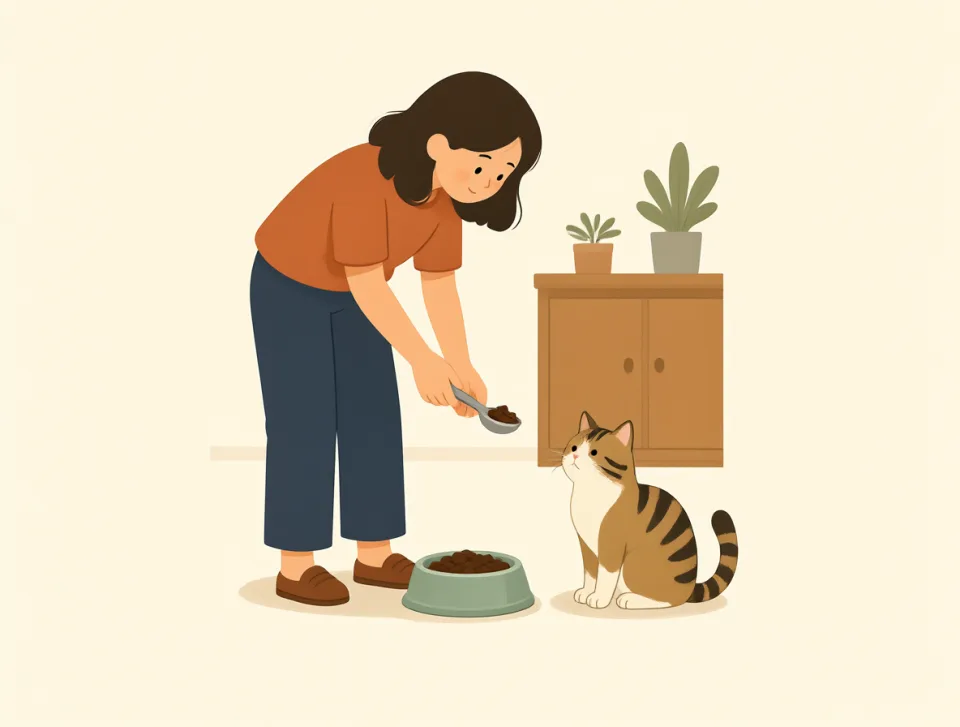
Please feed the cat before you leave for work.
Пожалуйста, покорми кота, прежде чем уйдёшь на работу.

The baby is feeding herself with a spoon.
Малышка ест сама ложкой.
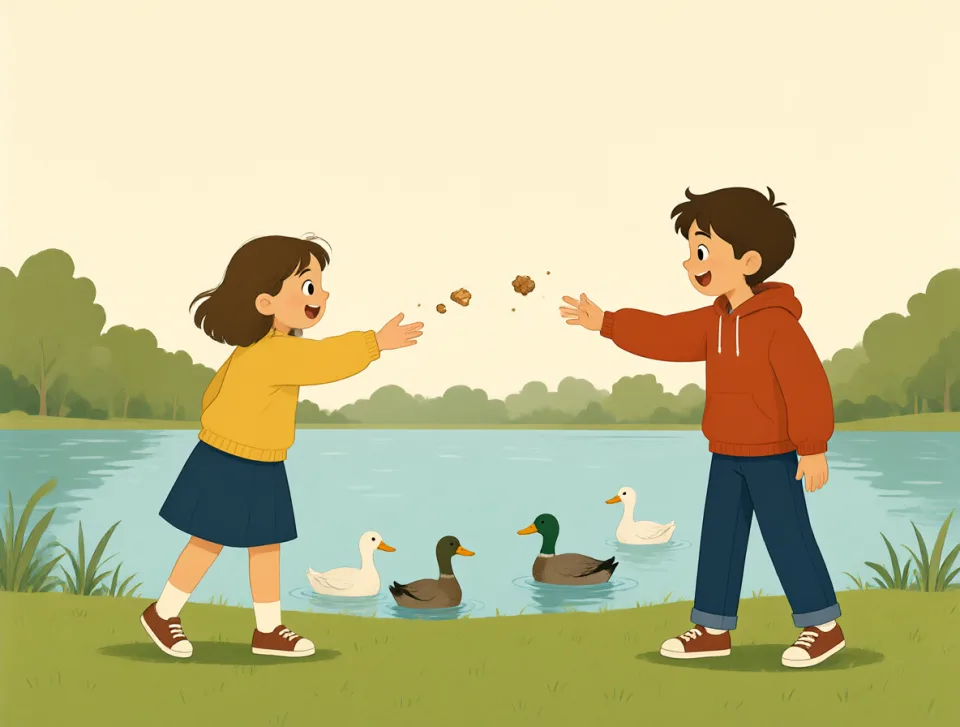
We fed the ducks by the lake yesterday.
Вчера мы кормили уток у озера.
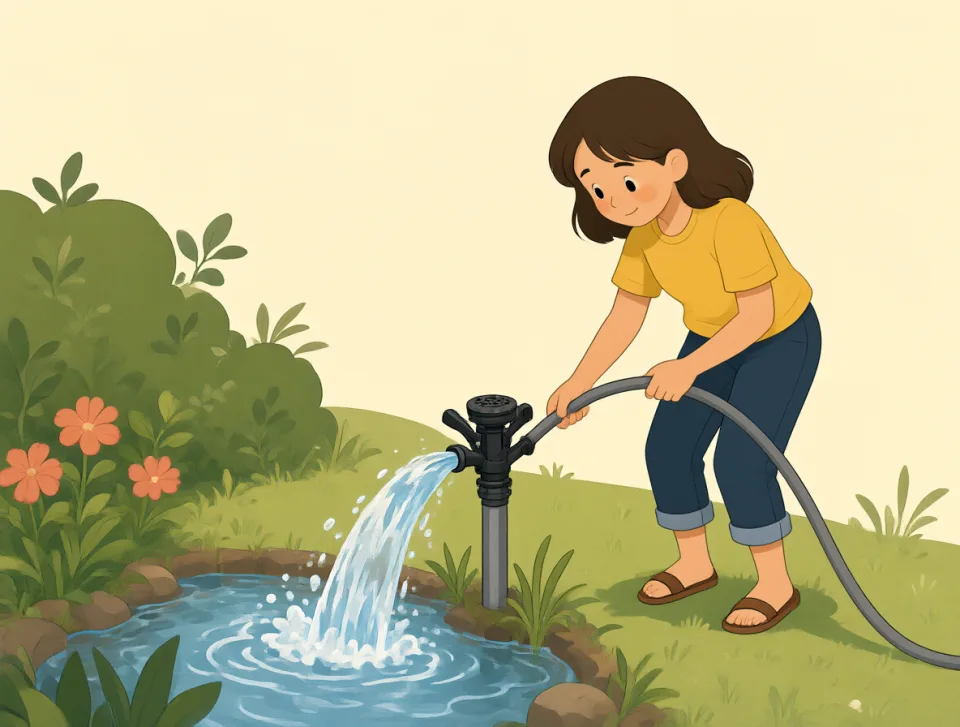
This pipe feeds water into the garden.
По этой трубе вода поступает в сад.
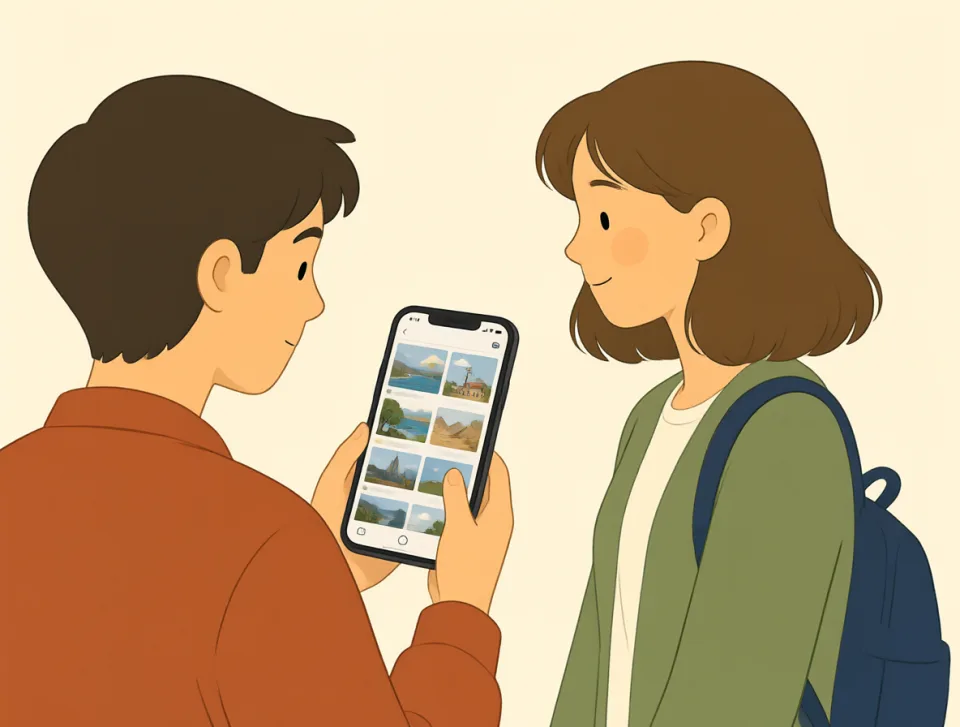
The news feed showed photos from my friend's trip.
В ленте новостей появились фотографии из поездки моего друга.
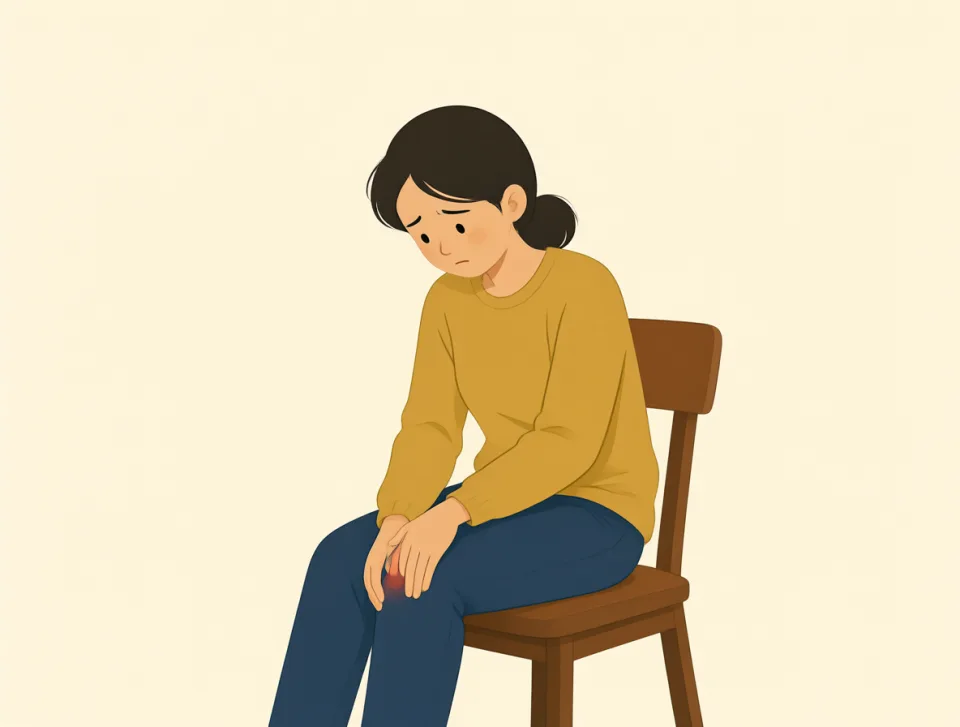
pain
#1150noun, verb
боль
A feeling of physical suffering, or to make someone feel physical suffering.
Физическое страдание или причинение кому-либо физической боли.
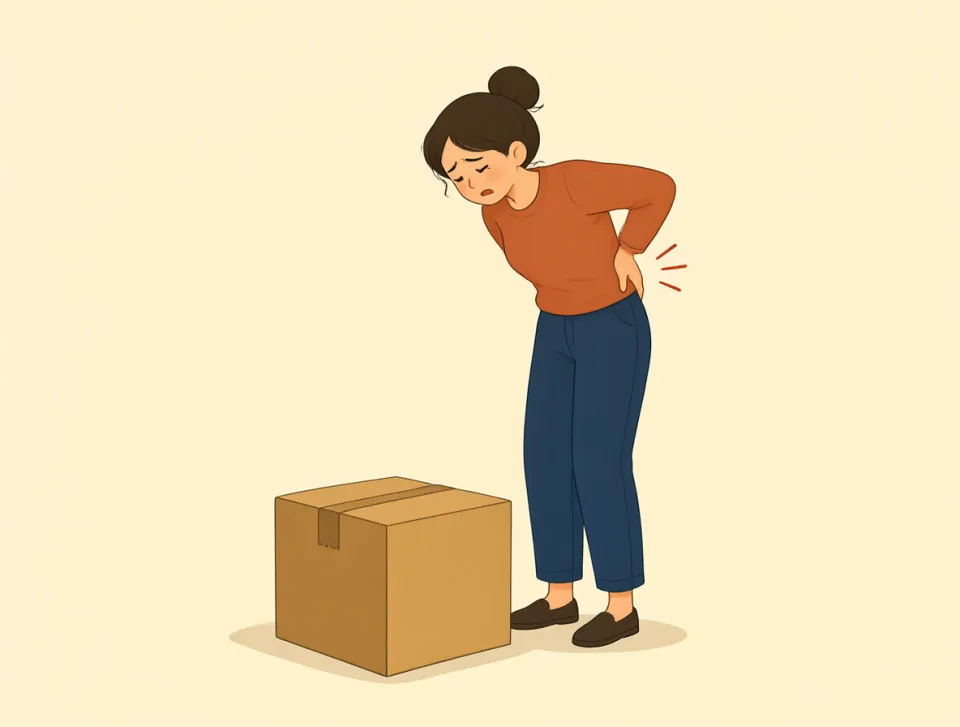
She felt a sharp pain in her back after lifting the box.
После того как она подняла коробку, у неё резко заболела спина.

The doctor gave me medicine to relieve the pain.
Врач дал мне лекарство, чтобы облегчить боль.

My tooth hurts, and the pain keeps me awake at night.
У меня болит зуб, и из-за боли я не могу спать по ночам.
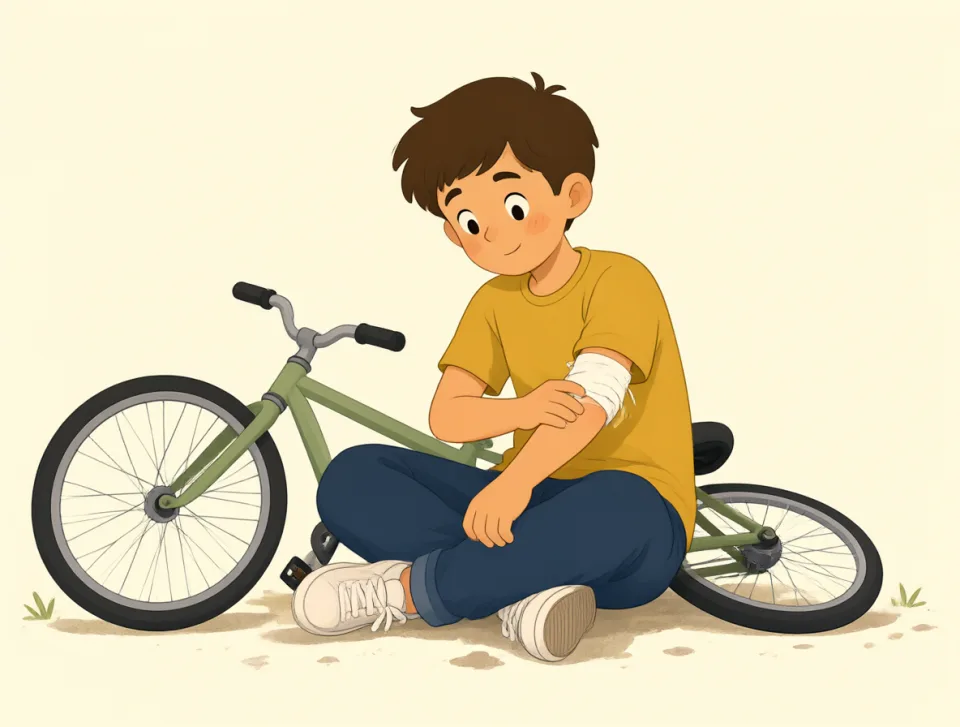
He was in pain after falling off his bicycle.
После падения с велосипеда ему было больно.

The painful shoes made walking around the city difficult.
Из-за неудобной обуви было трудно гулять по городу.

sector
#1151noun
сектор
A part of an industry, economy, or area that has a particular purpose.
Часть отрасли, экономики или территории, выполняющая определённую функцию.

The technology sector is growing quickly in our country.
Технологический сектор в нашей стране быстро развивается.
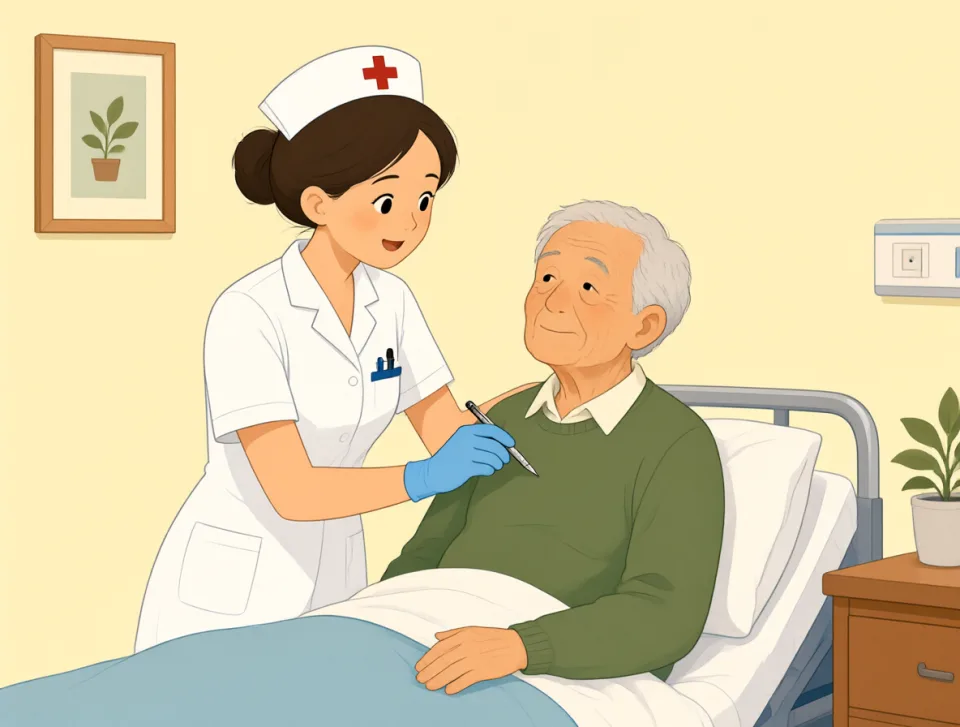
She works in the health sector at a local hospital.
Она работает в сфере здравоохранения в местной больнице.

This sector of the city has many small shops and cafés.
В этой части города много небольших магазинов и кафе.

The farmer planted vegetables in one sector of the field.
Фермер посадил овощи на одном участке поля.

Passengers waited in the quiet sector of the airport.
Пассажиры ждали в тихой зоне аэропорта.

mistake
#1152noun
ошибка
Something you do or say that is not correct.
То, что вы делаете или говорите неправильно.
I made a mistake in my homework and corrected it.
Я допустил ошибку в домашнем задании и исправил её.

She took the wrong bus by mistake.
Она по ошибке села не на тот автобус.
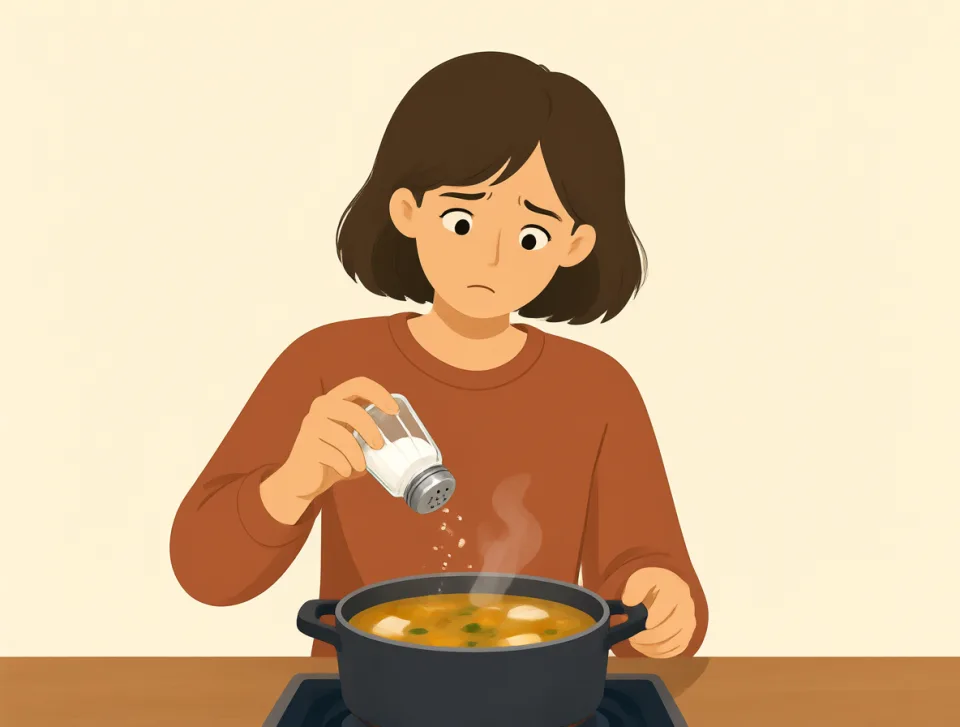
I added too much salt to the soup by mistake.
Я случайно добавил в суп слишком много соли.

He admitted his mistake and apologized to his friend.
Он признал свою ошибку и извинился перед другом.
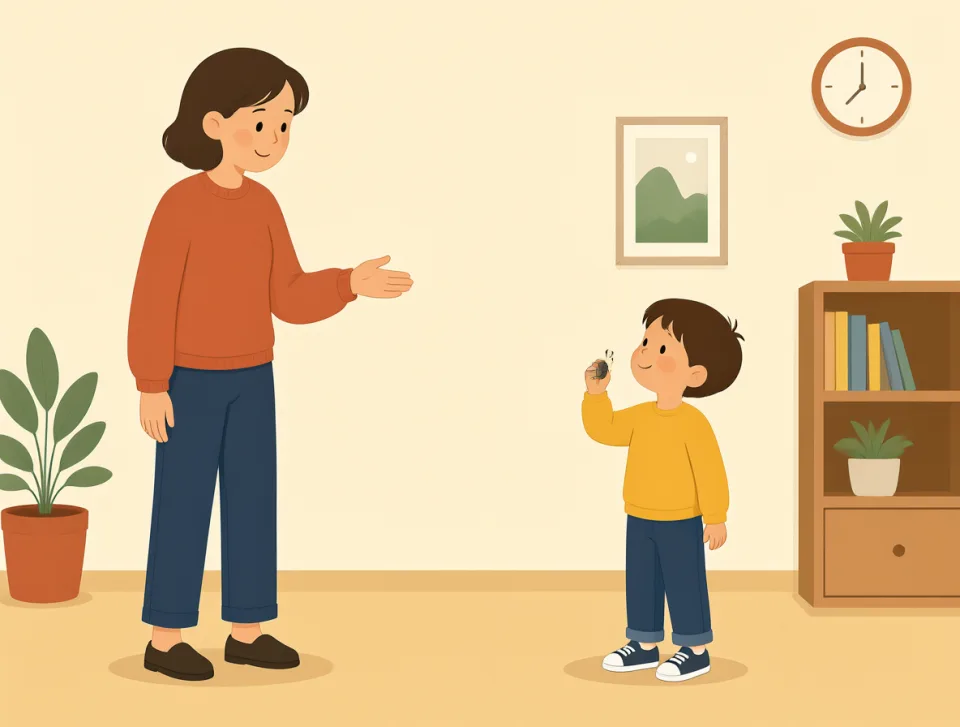
We learn from our mistakes when we try again.
Когда мы пробуем снова, мы учимся на своих ошибках.

ensure
#1153verb
обеспечить
to make certain that something happens or is true
сделать так, чтобы что-то произошло или оказалось правдой
Please ensure the door is locked before you leave.
Пожалуйста, убедитесь, что дверь заперта, прежде чем уйти.
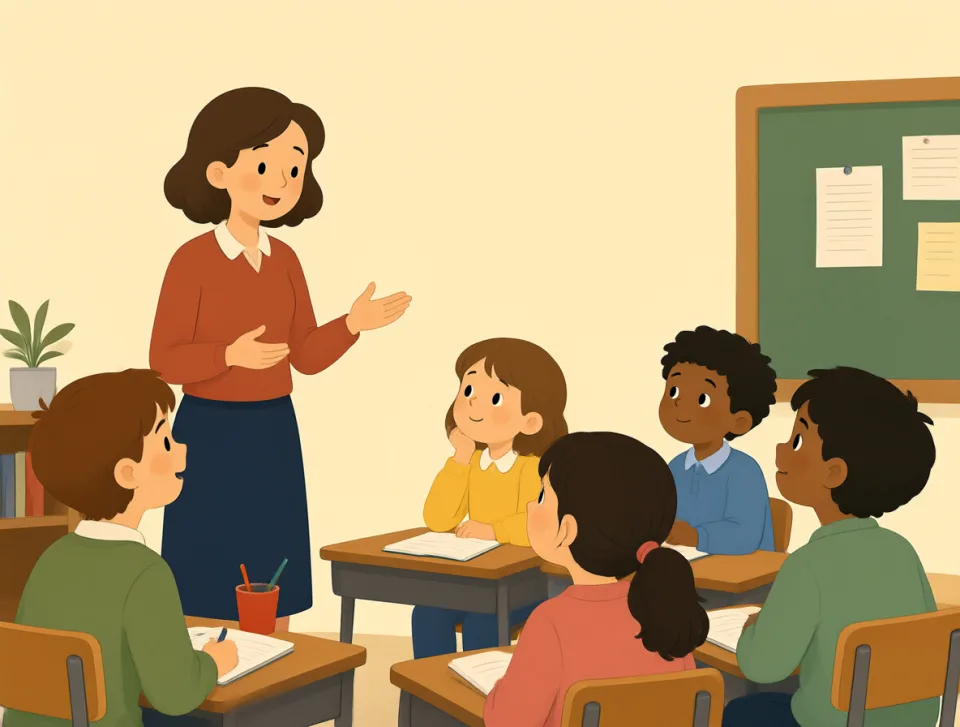
The teacher ensured that every student understood the instructions.
Учитель убедился, что каждый ученик понял инструкции.

We arrived early to ensure a good seat.
Мы приехали пораньше, чтобы занять хорошие места.

This cream helps ensure your skin stays soft.
Этот крем помогает сохранить кожу мягкой.

The hotel staff ensured our bags were delivered to our room.
Персонал отеля позаботился о том, чтобы наши сумки доставили в номер.

satisfy
#1154verb
удовлетворить
to make someone happy or meet a need or requirement
сделать кого-то довольным или выполнить потребность либо требование
This meal should satisfy your hunger until dinner.
Эта еда утолит голод до ужина.

The product must satisfy all safety requirements before sale.
Перед продажей продукт должен соответствовать всем требованиям безопасности.

We need to satisfy the customer before she leaves.
Нам нужно удовлетворить потребности клиентки, прежде чем она уйдёт.

His answer did not satisfy the teacher.
Его ответ не удовлетворил учителя.

I was satisfied with the hotel and friendly service.
Я остался доволен отелем и дружелюбным обслуживанием.

chief
#1155noun, adjective
главный; руководитель
The most important person or main part of something.
Самый важный человек или основная часть чего-либо.

The police chief spoke to reporters after the accident.
Начальник полиции поговорил с журналистами после аварии.
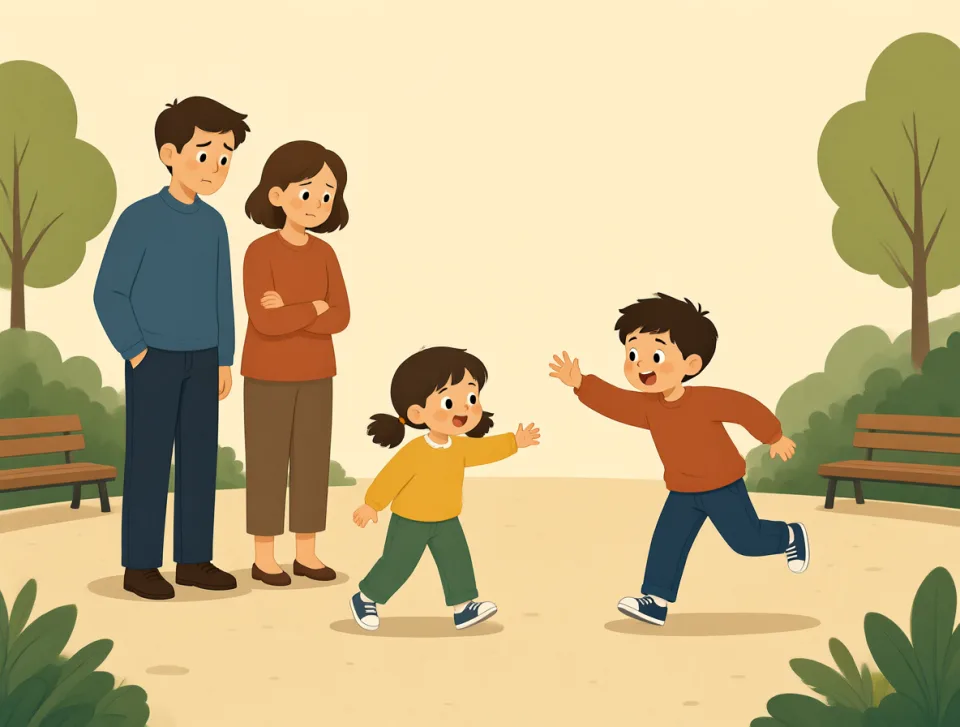
Our chief concern is keeping the children safe.
Наша главная забота — обеспечить безопасность детей.

The village chief welcomed us with a warm smile.
Глава деревни тепло улыбнулся и поприветствовал нас.

The chef prepared the chief dish for the wedding dinner.
Шеф-повар приготовил главное блюдо для свадебного ужина.

The chief reason I left was the long working hours.
Главной причиной моего ухода был долгий рабочий день.

cool
#1156adjective, verb, interjection
прохладный; классный
Slightly cold; fashionable, calm, or showing that you approve.
Слегка холодный; модный, спокойный или выражающий одобрение.

The water feels cool after a long walk in the sun.
После долгой прогулки под солнцем вода кажется прохладной.
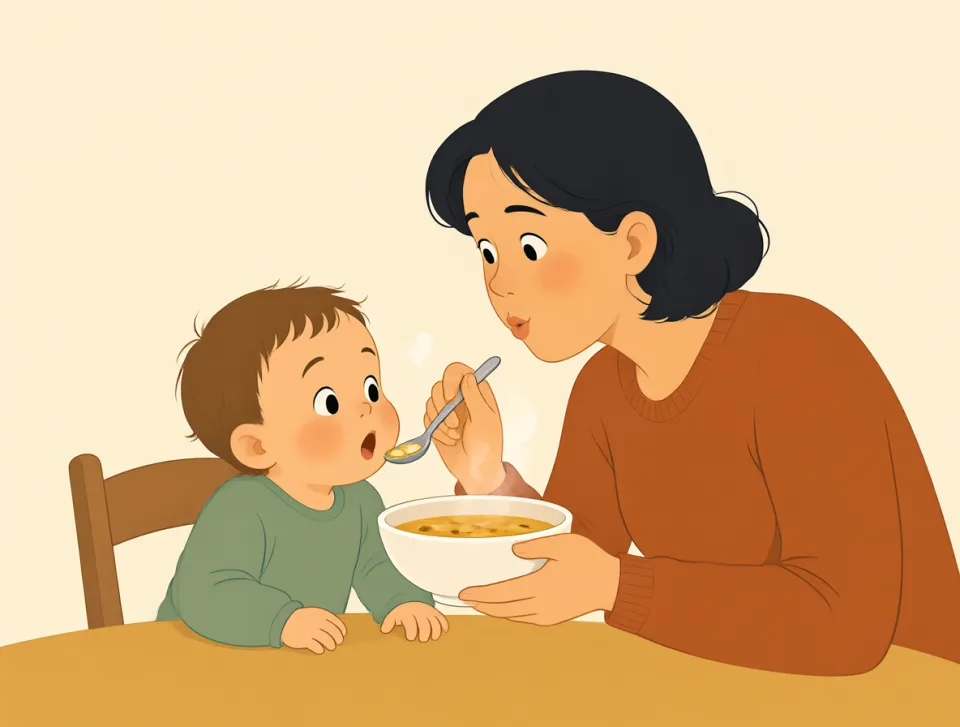
Please cool the soup before you give it to the baby.
Пожалуйста, остудите суп, прежде чем давать его ребёнку.

She wore a cool jacket and looked great at the party.
На вечеринку она надела классную куртку и выглядела отлично.

Stay cool and take deep breaths during the interview.
Во время собеседования сохраняйте спокойствие и глубоко дышите.

“Cool! We can visit the museum after lunch.”
«Класс! После обеда мы можем сходить в музей».

expert
#1157noun, adjective
эксперт
A person with special knowledge or skill in a particular subject or activity.
Человек, обладающий специальными знаниями или навыками в определённой области или деятельности.

We asked an expert for advice about repairing the roof.
Мы попросили эксперта дать совет по ремонту крыши.

She is an expert at making delicious Italian food.
Она отлично умеет готовить вкусные блюда итальянской кухни.

The travel expert helped us plan our trip to Japan.
Эксперт по путешествиям помог нам спланировать поездку в Японию.

My brother is an expert driver, even on snowy roads.
Мой брат — отличный водитель, даже на заснеженных дорогах.

The school invited a computer expert to speak to students.
Школа пригласила эксперта по компьютерам выступить перед учениками.

wave
#1158noun, verb
волна; махать рукой
a moving line of water, air, or people; to move your hand to say hello or goodbye
Движущаяся линия воды, воздуха или людей; двигать рукой, чтобы поздороваться или попрощаться.

She waved goodbye as the train left the station.
Она помахала на прощание, когда поезд отъезжал от станции.

He gave me a friendly wave from across the street.
Он дружелюбно помахал мне с другой стороны улицы.

The children jumped over the waves at the beach.
Дети перепрыгивали через волны на пляже.

A huge wave crashed against the rocks during the storm.
Во время шторма огромная волна обрушилась на скалы.

The crowd waved their hands when the singer came onstage.
Когда певец вышел на сцену, толпа замахала руками.

south
#1159noun, adjective, adverb, preposition
юг
the direction or area opposite north
Направление или область, противоположные северу.

We drove south to visit my grandparents for the weekend.
На выходные мы поехали на юг навестить бабушку и дедушку.

Our hotel is in the south of the city.
Наш отель находится на юге города.

Many birds fly south when the weather becomes colder.
Многие птицы улетают на юг, когда погода становится холоднее.
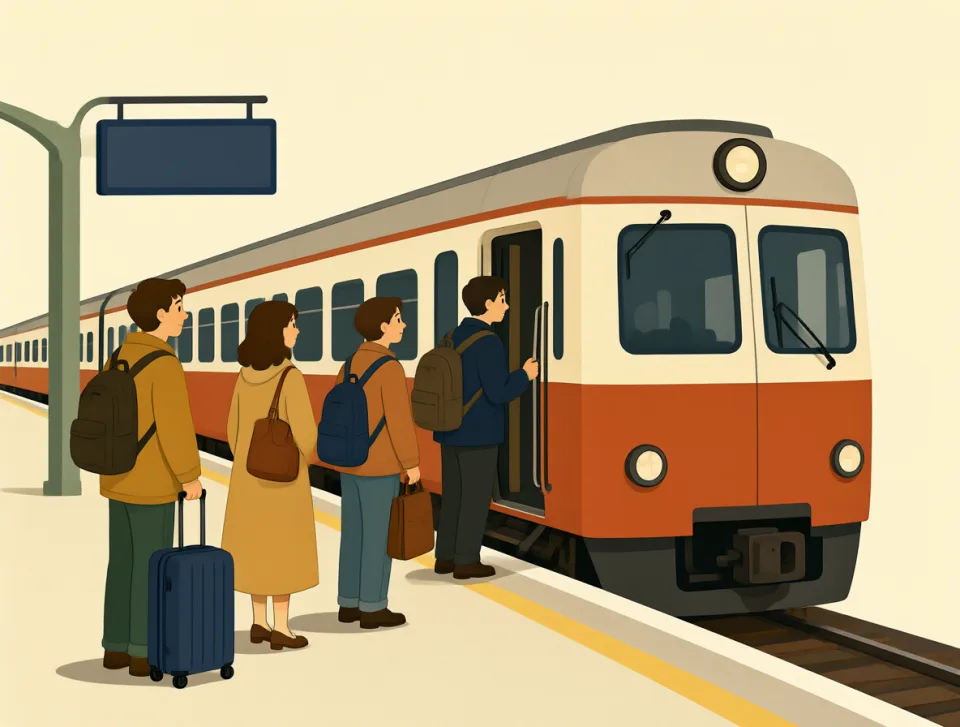
The train leaves for the south at eight tomorrow morning.
Завтра утром поезд отправляется на юг в восемь часов.

She moved south for a new job near the beach.
Она переехала на юг ради новой работы недалеко от пляжа.

labor
#1160noun, verb
труд; роды
Work, especially hard physical work, or the process of giving birth.
Работа, особенно тяжёлая физическая работа, или процесс рождения ребёнка.
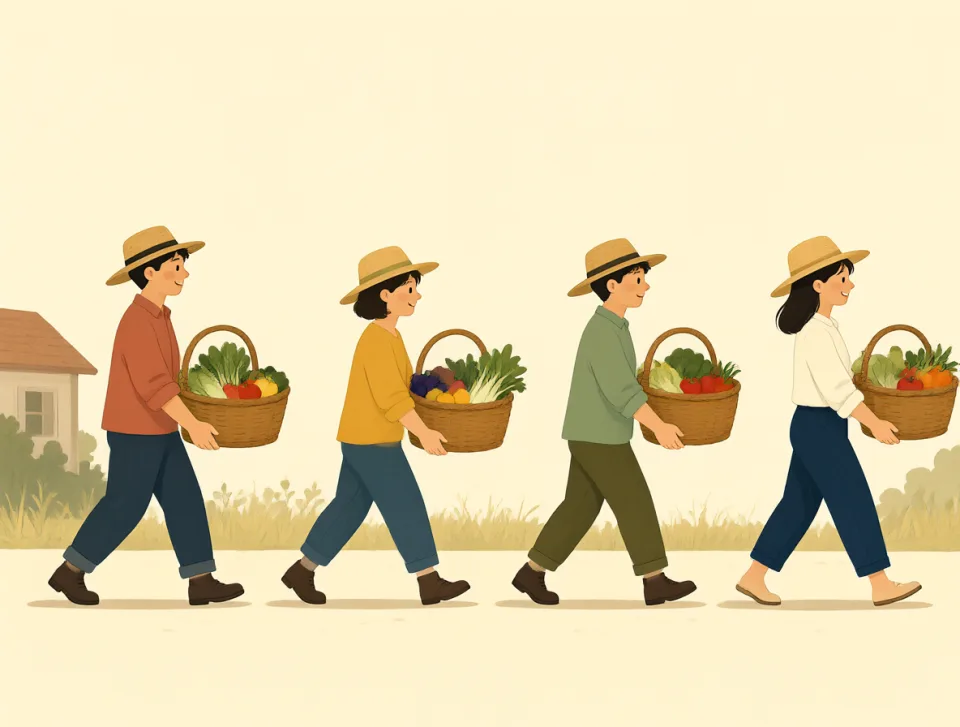
The farm labor was hard, but everyone worked together.
Работа на ферме была тяжёлой, но все трудились сообща.

The company hired extra labor for the busy summer season.
Компания наняла дополнительных работников на напряжённый летний сезон.

She went into labor while visiting her sister.
У неё начались роды, когда она навещала сестру.

The workers labored all day to repair the damaged road.
Рабочие весь день трудились, ремонтируя повреждённую дорогу.

The labor of preparing dinner left him tired and hungry.
Из-за трудов по приготовлению ужина он устал и проголодался.