Asking Your Manager About Tomorrow
ถามผู้จัดการเรื่องวันพรุ่งนี้
Before she leaves, Emma asks Grace what time to come in and what to bring tomorrow. Grace gives her a short plan for the next day.
ก่อนกลับ เอมมาถามเกรซว่าพรุ่งนี้ควรมากี่โมงและต้องเอาอะไรมา เกรซบอกแผนคร่าว ๆ สำหรับวันถัดไปให้เธอฟัง
บทสนทนา8
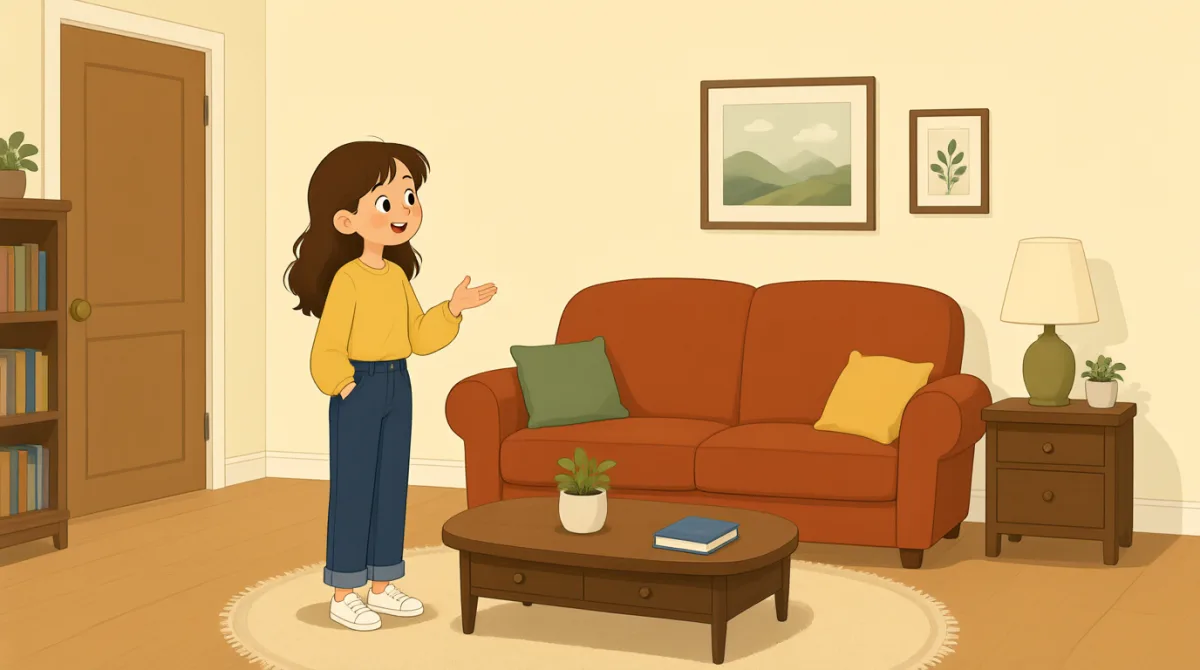

Grace, before I leave, what time should I come in tomorrow?
เกรซ ก่อนกลับ พรุ่งนี้ฉันควรมากี่โมงเหรอ?

Come in at nine. You can use the main entrance and your badge.
มาตอนเก้าโมงนะ ใช้ทางเข้าหลักและบัตรพนักงานได้เลย
Great. Should I bring anything with me?
ดีเลย ฉันต้องเอาอะไรติดตัวมาด้วยไหม?
Bring your notebook. We’ll go over your training plan in the morning.
เอาสมุดโน้ตมาด้วยนะ ตอนเช้าเราจะทบทวนแผนการฝึกงานของเธอกัน
Okay. Where should I meet you when I arrive?
โอเค พอฉันมาถึงแล้วควรไปเจอเธอที่ไหน?
Meet me by the reception desk. I’ll be there at nine.
มาเจอฉันที่เคาน์เตอร์ประชาสัมพันธ์นะ ฉันจะอยู่ที่นั่นตอนเก้าโมง
So, nine o’clock, notebook, and meet you at reception. Is that right?
สรุปว่า เก้าโมง เอาสมุดโน้ตมา แล้วเจอเธอที่ประชาสัมพันธ์ ถูกไหม?
That’s right. Have a good evening, Emma. See you tomorrow!
ถูกต้อง ขอให้มีความสุขกับช่วงเย็นนะ เอมมา แล้วเจอกันพรุ่งนี้!
คำศัพท์8
- come inมาทำงาน
In this conversation, it means to arrive at work. You can use it to ask or say what time someone should arrive.
ในบทสนทนานี้ หมายถึงมาถึงที่ทำงาน ใช้ถามหรือบอกได้ว่าควรมาถึงกี่โมง
- main entranceทางเข้าหลัก
This is the main door people use to enter a building. You can ask where to go by saying, “Should I use the main entrance?”
คือประตูหลักที่คนใช้เข้าอาคาร คุณถามทางได้ว่า “Should I use the main entrance?” (ฉันควรใช้ทางเข้าหลักไหม?)
- badgeบัตรพนักงาน
A badge is a card or pass that shows you can enter a workplace. You may need to bring or wear your badge at work.
บัตรพนักงานคือบัตรหรือบัตรผ่านที่แสดงว่าคุณเข้าไปในที่ทำงานได้ บางครั้งคุณอาจต้องพกหรือคล้องบัตรไว้ตอนทำงาน
- bring anything with meเอาอะไรติดตัวมาด้วย
This means to take something along when you go somewhere. Use it to ask if you need to take something to a meeting or work.
หมายถึงนำบางอย่างติดตัวไปด้วยเมื่อไปที่ไหนสักแห่ง ใช้ถามว่าต้องเอาอะไรไปประชุมหรือที่ทำงานไหม
- go overทบทวน
Here, it means to look at or discuss something together. You can say, “Let’s go over the plan” when you want to review it.
ในที่นี้หมายถึงดูหรือพูดคุยเกี่ยวกับบางอย่างด้วยกัน คุณพูดว่า “Let’s go over the plan” (มาทบทวนแผนกันเถอะ) เมื่อต้องการทบทวนแผน
- training planแผนการฝึกงาน
A training plan explains what someone will learn at work. You can ask when you will go over your training plan.
แผนการฝึกงานอธิบายว่าคนคนหนึ่งจะได้เรียนรู้อะไรบ้างในการทำงาน คุณถามได้ว่าจะทบทวนแผนการฝึกงานเมื่อไร
- reception deskเคาน์เตอร์ประชาสัมพันธ์
This is the desk near the entrance where visitors can ask for help. You can use it as a place to meet someone.
เป็นเคาน์เตอร์ใกล้ทางเข้าที่ผู้มาติดต่อสามารถขอความช่วยเหลือได้ ใช้เป็นจุดนัดพบกับใครสักคนได้
- Have a good eveningขอให้มีความสุขกับช่วงเย็น
This is a friendly way to say goodbye at the end of the day. You can use it when someone is leaving in the evening.
เป็นคำกล่าวลาอย่างเป็นมิตรเมื่อหมดวัน ใช้ได้เมื่อมีคนกำลังกลับในช่วงเย็น
ประโยคสำคัญ8
- 1
What time should I come in tomorrow?
พรุ่งนี้ฉันควรมาทำงานกี่โมง?
Use this to ask when you should arrive at work the next day. You can change “tomorrow” to another day or time period.
ใช้ถามว่าควรมาถึงที่ทำงานเมื่อไรในวันถัดไป คุณเปลี่ยน “tomorrow” เป็นวันอื่นหรือช่วงเวลาอื่นได้
- 2
You can use the main entrance and your badge.
คุณใช้ทางเข้าหลักกับบัตรพนักงานได้
This gives someone simple instructions for entering a workplace. You can use the same pattern to explain what entrance or pass to use.
ประโยคนี้บอกวิธีเข้าที่ทำงานอย่างง่าย ๆ คุณใช้รูปแบบเดียวกันเพื่อบอกว่าควรใช้ทางเข้าหรือบัตรผ่านแบบไหนได้
- 3
Should I bring anything with me?
ฉันต้องเอาอะไรติดตัวมาด้วยไหม?
This is a polite way to ask if you need to take something along. You can use it before a meeting, visit, or workday.
นี่เป็นวิธีสุภาพในการถามว่าต้องนำอะไรติดตัวไปด้วยไหม ใช้ถามก่อนประชุม ไปเยี่ยม หรือไปทำงานได้
- 4
We’ll go over your training plan in the morning.
ตอนเช้าเราจะทบทวนแผนการฝึกงานของเธอกัน
This tells someone what you will do together and when. You can reuse “We’ll go over…” to say you will review a plan or document.
ประโยคนี้บอกว่าจะทำอะไรร่วมกันและทำเมื่อไร คุณนำ “We’ll go over…” ไปใช้ซ้ำเพื่อบอกว่าจะทบทวนแผนหรือเอกสารได้
- 5
Where should I meet you when I arrive?
พอฉันมาถึงแล้วควรไปเจอเธอที่ไหน?
Use this to ask where to find someone after you get there. You can change “when I arrive” to “when I get there.”
ใช้ถามว่าจะไปพบใครที่ไหนหลังจากคุณไปถึงแล้ว คุณเปลี่ยน “when I arrive” เป็น “when I get there” ได้
- 6
I’ll be there at nine.
ฉันจะอยู่ที่นั่นตอนเก้าโมง
This is a clear way to say where or when you will meet someone. You can change the time to give a different meeting time.
เป็นวิธีพูดให้ชัดเจนว่าจะไปพบใครที่ไหนหรือเมื่อไร คุณเปลี่ยนเวลาเพื่อบอกเวลานัดอื่นได้
- 7
So, nine o’clock, notebook, and meet you at reception.
สรุปว่า เก้าโมง สมุดโน้ต แล้วก็เจอเธอที่ประชาสัมพันธ์
This repeats the important details to check that you understood correctly. You can use “So…” to summarize instructions before confirming them.
ประโยคนี้ทวนรายละเอียดสำคัญเพื่อตรวจสอบว่าคุณเข้าใจถูกต้อง คุณใช้ “So…” เพื่อสรุปคำแนะนำก่อนยืนยันได้
- 8
Have a good evening, Emma.
ขอให้มีความสุขกับช่วงเย็นนะ เอมมา
This is a friendly way to say goodbye in the evening. You can use it with someone’s name or leave the name out.
เป็นคำกล่าวลาอย่างเป็นมิตรในช่วงเย็น คุณจะพูดชื่ออีกฝ่ายต่อท้ายหรือไม่พูดก็ได้