Asking Your Manager About Tomorrow
कल के बारे में मैनेजर से पूछना
Before she leaves, Emma asks Grace what time to come in and what to bring tomorrow. Grace gives her a short plan for the next day.
जाने से पहले, एमा ग्रेस से पूछती है कि उसे कल कितने बजे आना चाहिए और क्या लाना चाहिए। ग्रेस उसे अगले दिन का एक छोटा-सा कार्यक्रम बताती है।
संवाद8
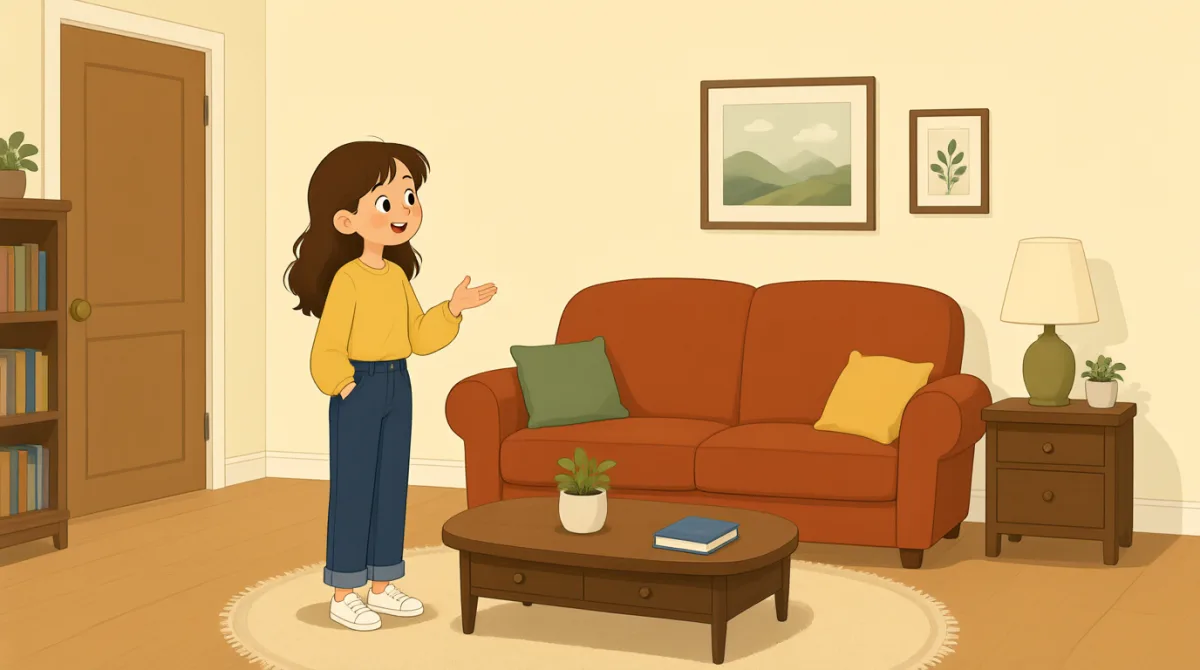

Grace, before I leave, what time should I come in tomorrow?
ग्रेस, जाने से पहले पूछना था, मुझे कल कितने बजे आना चाहिए?

Come in at nine. You can use the main entrance and your badge.
नौ बजे आ जाना। तुम मुख्य प्रवेश द्वार से आ सकती हो और अपना बैज ले आना।
Great. Should I bring anything with me?
अच्छा। क्या मुझे अपने साथ कुछ लाना चाहिए?
Bring your notebook. We’ll go over your training plan in the morning.
अपनी नोटबुक ले आना। सुबह हम तुम्हारी प्रशिक्षण योजना देखेंगे।
Okay. Where should I meet you when I arrive?
ठीक है। पहुँचने पर मैं तुमसे कहाँ मिलूँ?
Meet me by the reception desk. I’ll be there at nine.
रिसेप्शन डेस्क के पास मुझसे मिलना। मैं नौ बजे वहाँ रहूँगी।
So, nine o’clock, notebook, and meet you at reception. Is that right?
तो, नौ बजे, नोटबुक, और रिसेप्शन पर तुमसे मिलना। सही है न?
That’s right. Have a good evening, Emma. See you tomorrow!
बिल्कुल। तुम्हारी शाम अच्छी बीते, एमा। कल मिलते हैं!
शब्दावली8
- come inकाम पर आना
In this conversation, it means to arrive at work. You can use it to ask or say what time someone should arrive.
इस बातचीत में इसका मतलब है काम की जगह पहुँचना। यह पूछने या बताने के लिए इसका इस्तेमाल कर सकते हो कि किसी को कितने बजे पहुँचना चाहिए।
- main entranceमुख्य प्रवेश द्वार
This is the main door people use to enter a building. You can ask where to go by saying, “Should I use the main entrance?”
यह इमारत में आने-जाने के लिए इस्तेमाल होने वाला मुख्य दरवाज़ा होता है। कहाँ से जाना है, यह पूछने के लिए कह सकते हो, “Should I use the main entrance?” (क्या मुझे मुख्य प्रवेश द्वार से आना चाहिए?)
- badgeबैज
A badge is a card or pass that shows you can enter a workplace. You may need to bring or wear your badge at work.
बैज एक कार्ड या पास होता है जिससे पता चलता है कि तुम्हें कार्यस्थल में प्रवेश की अनुमति है। काम पर तुम्हें अपना बैज साथ लाना या पहनना पड़ सकता है।
- bring anything with meअपने साथ कुछ लाना
This means to take something along when you go somewhere. Use it to ask if you need to take something to a meeting or work.
इसका मतलब है कहीं जाते समय कोई चीज़ साथ ले जाना। मीटिंग या काम पर कुछ ले जाने की ज़रूरत है या नहीं, यह पूछने के लिए इसका इस्तेमाल करो।
- go overसाथ मिलकर देखना
Here, it means to look at or discuss something together. You can say, “Let’s go over the plan” when you want to review it.
यहाँ इसका मतलब है किसी चीज़ को साथ में देखना या उस पर चर्चा करना। किसी योजना की समीक्षा करनी हो, तो कह सकते हो, “Let’s go over the plan” (आओ, योजना को साथ में देख लें)।
- training planप्रशिक्षण योजना
A training plan explains what someone will learn at work. You can ask when you will go over your training plan.
प्रशिक्षण योजना बताती है कि कोई व्यक्ति काम पर क्या सीखेगा। तुम पूछ सकते हो कि तुम अपनी प्रशिक्षण योजना पर कब बात करोगे।
- reception deskरिसेप्शन डेस्क
This is the desk near the entrance where visitors can ask for help. You can use it as a place to meet someone.
यह प्रवेश द्वार के पास की वह मेज़ होती है जहाँ आने वाले लोग मदद माँग सकते हैं। किसी से मिलने की जगह के तौर पर इसका इस्तेमाल कर सकते हो।
- Have a good eveningतुम्हारी शाम अच्छी बीते
This is a friendly way to say goodbye at the end of the day. You can use it when someone is leaving in the evening.
दिन के अंत में विदा लेते समय यह कहने का एक दोस्ताना तरीका है। जब कोई शाम को जा रहा हो, तब इसका इस्तेमाल कर सकते हो।
मुख्य वाक्य8
- 1
What time should I come in tomorrow?
मुझे कल कितने बजे काम पर आना चाहिए?
Use this to ask when you should arrive at work the next day. You can change “tomorrow” to another day or time period.
अगले दिन काम पर किस समय पहुँचना है, यह पूछने के लिए इसका इस्तेमाल करो। “tomorrow” की जगह कोई दूसरा दिन या समयावधि रख सकते हो।
- 2
You can use the main entrance and your badge.
तुम मुख्य प्रवेश द्वार से आ सकती हो और अपना बैज इस्तेमाल कर सकती हो।
This gives someone simple instructions for entering a workplace. You can use the same pattern to explain what entrance or pass to use.
यह किसी को कार्यस्थल में दाखिल होने के आसान निर्देश देता है। किस प्रवेश द्वार या पास का इस्तेमाल करना है, यह बताने के लिए इसी ढाँचे का इस्तेमाल कर सकते हो।
- 3
Should I bring anything with me?
क्या मुझे अपने साथ कुछ लाना चाहिए?
This is a polite way to ask if you need to take something along. You can use it before a meeting, visit, or workday.
साथ में कुछ ले जाने की ज़रूरत है या नहीं, यह पूछने का यह एक विनम्र तरीका है। मीटिंग, मुलाक़ात या काम के दिन से पहले इसका इस्तेमाल कर सकते हो।
- 4
We’ll go over your training plan in the morning.
सुबह हम तुम्हारी प्रशिक्षण योजना देखेंगे।
This tells someone what you will do together and when. You can reuse “We’ll go over…” to say you will review a plan or document.
इससे किसी को पता चलता है कि तुम दोनों क्या और कब करोगे। किसी योजना या दस्तावेज़ की समीक्षा करने की बात कहने के लिए “We’ll go over…” का फिर से इस्तेमाल कर सकते हो।
- 5
Where should I meet you when I arrive?
पहुँचने पर मुझे तुमसे कहाँ मिलना चाहिए?
Use this to ask where to find someone after you get there. You can change “when I arrive” to “when I get there.”
वहाँ पहुँचने के बाद किसी को कहाँ ढूँढ़ना है, यह पूछने के लिए इसका इस्तेमाल करो। “when I arrive” की जगह “when I get there” कह सकते हो।
- 6
I’ll be there at nine.
मैं नौ बजे वहाँ रहूँगी।
This is a clear way to say where or when you will meet someone. You can change the time to give a different meeting time.
किसी से मिलने की जगह या समय बताने का यह एक स्पष्ट तरीका है। मिलने का दूसरा समय बताने के लिए समय बदल सकते हो।
- 7
So, nine o’clock, notebook, and meet you at reception.
तो, नौ बजे, नोटबुक, और रिसेप्शन पर तुमसे मिलना।
This repeats the important details to check that you understood correctly. You can use “So…” to summarize instructions before confirming them.
यह ज़रूरी बातों को दोहराकर पक्का करता है कि तुमने सही समझा है। निर्देशों की पुष्टि करने से पहले उनका सार बताने के लिए “So…” का इस्तेमाल कर सकते हो।
- 8
Have a good evening, Emma.
तुम्हारी शाम अच्छी बीते, एमा।
This is a friendly way to say goodbye in the evening. You can use it with someone’s name or leave the name out.
शाम को विदा लेने का यह एक दोस्ताना तरीका है। किसी का नाम जोड़कर कह सकते हो या नाम छोड़ सकते हो।