Asking Your Manager About Tomorrow
Preguntarle a tu jefa por mañana
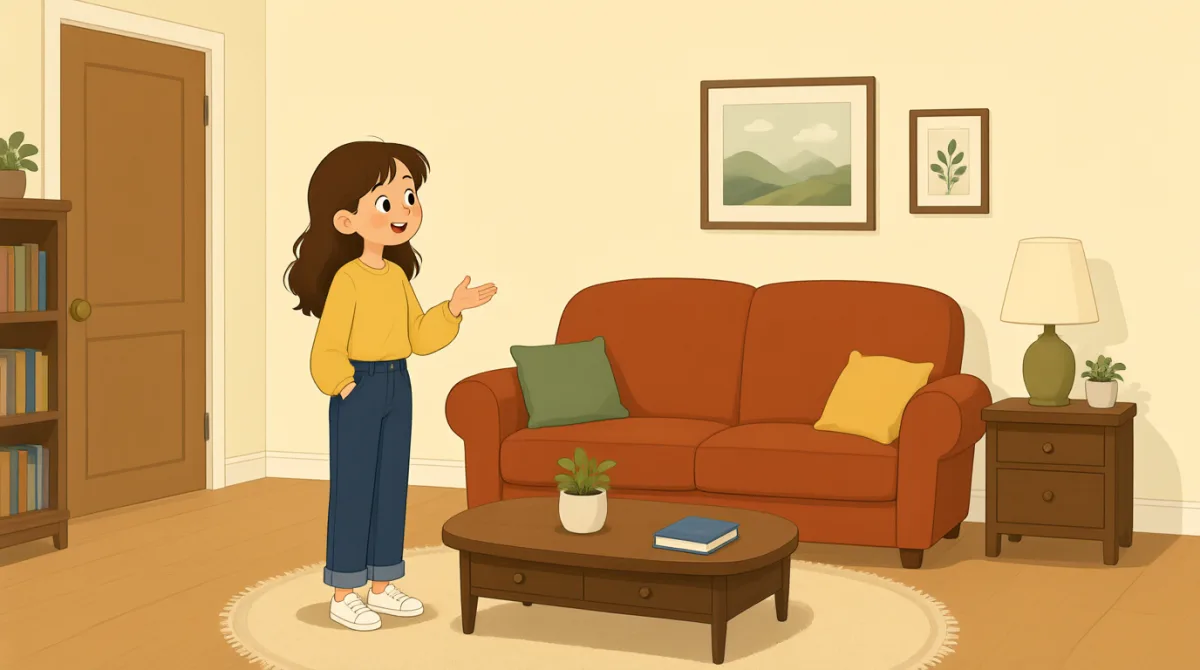
Before she leaves, Emma asks Grace what time to come in and what to bring tomorrow. Grace gives her a short plan for the next day.
Antes de irse, Emma le pregunta a Grace a qué hora debe llegar y qué debe traer mañana. Grace le da un breve plan para el día siguiente.
Diálogo8

Grace, before I leave, what time should I come in tomorrow?
Grace, antes de irme, ¿a qué hora debería llegar mañana?

Come in at nine. You can use the main entrance and your badge.
Llega a las nueve. Puedes entrar por la entrada principal y usar tu credencial.
Great. Should I bring anything with me?
Genial. ¿Debería llevar algo?
Bring your notebook. We’ll go over your training plan in the morning.
Trae tu cuaderno. Por la mañana repasaremos tu plan de capacitación.
Okay. Where should I meet you when I arrive?
De acuerdo. ¿Dónde debería reunirme contigo cuando llegue?
Meet me by the reception desk. I’ll be there at nine.
Nos vemos junto al mostrador de recepción. Estaré allí a las nueve.
So, nine o’clock, notebook, and meet you at reception. Is that right?
Entonces, a las nueve, con el cuaderno, y nos vemos en recepción. ¿Es así?
That’s right. Have a good evening, Emma. See you tomorrow!
Así es. Que tengas una buena tarde, Emma. ¡Hasta mañana!
Vocabulario8
- come inllegar al trabajo
In this conversation, it means to arrive at work. You can use it to ask or say what time someone should arrive.
En esta conversación, significa llegar al trabajo. Puedes usarlo para preguntar o decir a qué hora debería llegar alguien.
- main entranceentrada principal
This is the main door people use to enter a building. You can ask where to go by saying, “Should I use the main entrance?”
Es la puerta principal por la que se entra a un edificio. Puedes preguntar por dónde entrar diciendo: “Should I use the main entrance?” (¿Debería entrar por la entrada principal?).
- badgecredencial
A badge is a card or pass that shows you can enter a workplace. You may need to bring or wear your badge at work.
Una credencial es una tarjeta o pase que permite entrar al lugar de trabajo. Puede que tengas que llevarla contigo o usarla en el trabajo.
- bring anything with mellevar algo conmigo
This means to take something along when you go somewhere. Use it to ask if you need to take something to a meeting or work.
Significa llevar algo cuando vas a algún sitio. Úsalo para preguntar si necesitas llevar algo a una reunión o al trabajo.
- go overrepasar
Here, it means to look at or discuss something together. You can say, “Let’s go over the plan” when you want to review it.
Aquí significa revisar o comentar algo juntos. Puedes decir “Let’s go over the plan” (Repasemos el plan) cuando quieras revisarlo.
- training planplan de capacitación
A training plan explains what someone will learn at work. You can ask when you will go over your training plan.
Un plan de capacitación explica lo que alguien aprenderá en el trabajo. Puedes preguntar cuándo repasarán tu plan de capacitación.
- reception deskmostrador de recepción
This is the desk near the entrance where visitors can ask for help. You can use it as a place to meet someone.
Es el mostrador cerca de la entrada donde los visitantes pueden pedir ayuda. Puedes usarlo como punto de encuentro.
- Have a good eveningQue tengas una buena tarde
This is a friendly way to say goodbye at the end of the day. You can use it when someone is leaving in the evening.
Es una forma amable de despedirse al final del día. Puedes decirlo cuando alguien se va por la tarde.
Frases clave8
- 1
What time should I come in tomorrow?
¿A qué hora debería llegar mañana?
Use this to ask when you should arrive at work the next day. You can change “tomorrow” to another day or time period.
Usa esta frase para preguntar a qué hora debes llegar al trabajo al día siguiente. Puedes cambiar “tomorrow” por otro día o período de tiempo.
- 2
You can use the main entrance and your badge.
Puedes entrar por la entrada principal y usar tu credencial.
This gives someone simple instructions for entering a workplace. You can use the same pattern to explain what entrance or pass to use.
Esta frase da instrucciones sencillas para entrar al lugar de trabajo. Puedes usar el mismo patrón para explicar qué entrada o pase hay que usar.
- 3
Should I bring anything with me?
¿Debería llevar algo?
This is a polite way to ask if you need to take something along. You can use it before a meeting, visit, or workday.
Es una forma cortés de preguntar si tienes que llevar algo. Puedes usarla antes de una reunión, una visita o un día de trabajo.
- 4
We’ll go over your training plan in the morning.
Por la mañana repasaremos tu plan de capacitación.
This tells someone what you will do together and when. You can reuse “We’ll go over…” to say you will review a plan or document.
Esta frase le dice a alguien qué harán juntos y cuándo. Puedes reutilizar “We’ll go over…” para decir que revisarán un plan o documento.
- 5
Where should I meet you when I arrive?
¿Dónde debería reunirme contigo cuando llegue?
Use this to ask where to find someone after you get there. You can change “when I arrive” to “when I get there.”
Usa esta frase para preguntar dónde encontrarás a alguien cuando llegues. Puedes cambiar “when I arrive” por “when I get there.”
- 6
I’ll be there at nine.
Estaré allí a las nueve.
This is a clear way to say where or when you will meet someone. You can change the time to give a different meeting time.
Es una forma clara de decir dónde o cuándo te reunirás con alguien. Puedes cambiar la hora para indicar otro momento de encuentro.
- 7
So, nine o’clock, notebook, and meet you at reception.
Entonces, a las nueve, con el cuaderno, y nos vemos en recepción.
This repeats the important details to check that you understood correctly. You can use “So…” to summarize instructions before confirming them.
Esta frase repite los detalles importantes para comprobar que entendiste bien. Puedes usar “So…” para resumir las instrucciones antes de confirmarlas.
- 8
Have a good evening, Emma.
Que tengas una buena tarde, Emma.
This is a friendly way to say goodbye in the evening. You can use it with someone’s name or leave the name out.
Es una forma amable de despedirse por la tarde. Puedes decir el nombre de la persona o dejarlo fuera.