Asking Your Manager About Tomorrow
明日のことを上司に尋ねる
Before she leaves, Emma asks Grace what time to come in and what to bring tomorrow. Grace gives her a short plan for the next day.
帰る前に、エマはグレースに明日は何時に来ればよいか、何を持ってくればよいかを尋ねます。グレースは翌日の簡単な予定を伝えます。
会話8
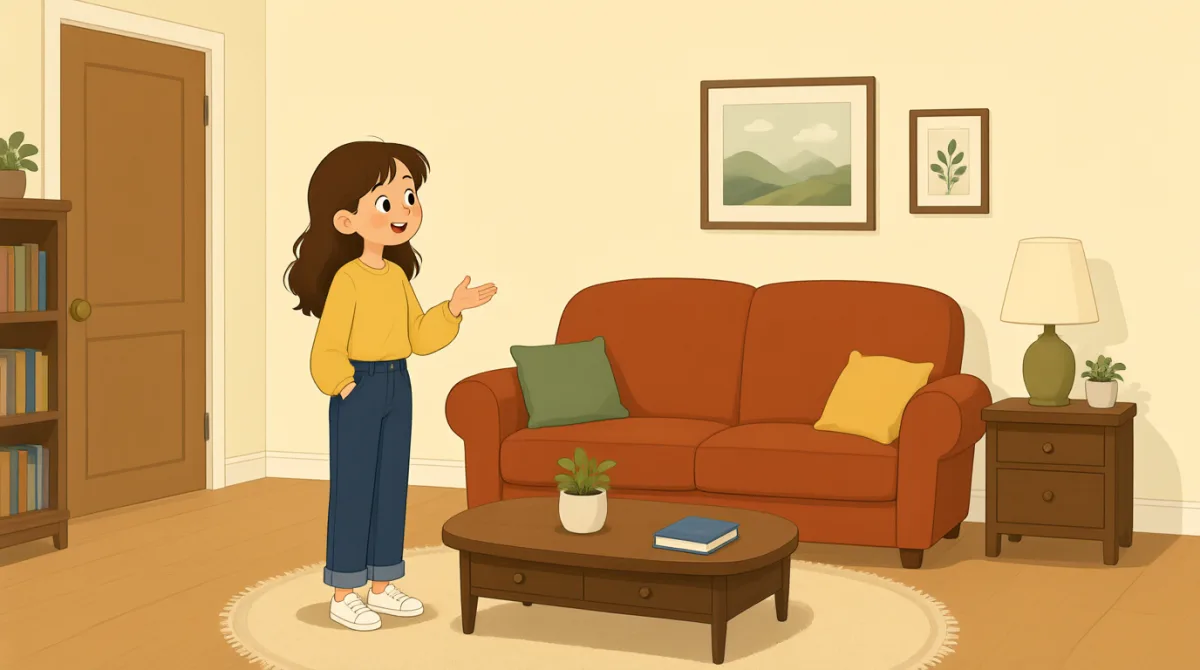

Grace, before I leave, what time should I come in tomorrow?
グレース、帰る前に聞いておきたいんですが、明日は何時に来ればいいですか?

Come in at nine. You can use the main entrance and your badge.
9時に来てください。正面玄関から入って、社員証を使ってください。
Great. Should I bring anything with me?
わかりました。何か持っていったほうがいいですか?
Bring your notebook. We’ll go over your training plan in the morning.
ノートを持ってきてください。午前中に研修計画を一緒に確認しましょう。
Okay. Where should I meet you when I arrive?
わかりました。着いたらどこで待ち合わせればいいですか?
Meet me by the reception desk. I’ll be there at nine.
受付のところで待ち合わせましょう。9時にそこにいますね。
So, nine o’clock, notebook, and meet you at reception. Is that right?
では、9時に来て、ノートを持って、受付で待ち合わせですね。合っていますか?
That’s right. Have a good evening, Emma. See you tomorrow!
そのとおりです。よい夜を過ごしてくださいね、エマ。また明日!
語彙8
- come in来る
In this conversation, it means to arrive at work. You can use it to ask or say what time someone should arrive.
この会話では、職場に来るという意味です。何時に来ればよいかを尋ねたり、伝えたりするときに使えます。
- main entrance正面玄関
This is the main door people use to enter a building. You can ask where to go by saying, “Should I use the main entrance?”
建物に入るときに多くの人が使う、正面の入口のことです。“Should I use the main entrance?”(正面玄関を使えばいいですか?)と言えば、どこから入ればよいか尋ねられます。
- badge社員証
A badge is a card or pass that shows you can enter a workplace. You may need to bring or wear your badge at work.
職場に入る許可があることを示すカードや通行証です。職場で社員証を持参したり、身につけたりする必要がある場合があります。
- bring anything with me何か持っていく
This means to take something along when you go somewhere. Use it to ask if you need to take something to a meeting or work.
どこかへ行くときに、何かを一緒に持っていくという意味です。会議や仕事に何か持っていく必要があるか尋ねるときに使えます。
- go over一緒に確認する
Here, it means to look at or discuss something together. You can say, “Let’s go over the plan” when you want to review it.
ここでは、何かを一緒に見たり話し合ったりするという意味です。内容を確認したいときは、“Let’s go over the plan”(計画を一緒に確認しましょう)と言えます。
- training plan研修計画
A training plan explains what someone will learn at work. You can ask when you will go over your training plan.
職場で何を学ぶかをまとめた計画です。いつ研修計画を一緒に確認するのか、尋ねることもできます。
- reception desk受付
This is the desk near the entrance where visitors can ask for help. You can use it as a place to meet someone.
入口の近くにある、訪問者が案内を求められるカウンターです。人と待ち合わせる場所としても使えます。
- Have a good eveningよい夜をお過ごしください
This is a friendly way to say goodbye at the end of the day. You can use it when someone is leaving in the evening.
一日の終わりに別れるときに使う、親しみのこもった挨拶です。夕方に誰かが帰るときに使えます。
重要な文8
- 1
What time should I come in tomorrow?
明日は何時に来ればいいですか?
Use this to ask when you should arrive at work the next day. You can change “tomorrow” to another day or time period.
翌日に職場へ何時に来ればよいか尋ねる表現です。“tomorrow”を別の日や期間に置き換えることもできます。
- 2
You can use the main entrance and your badge.
正面玄関から入って、社員証を使ってください。
This gives someone simple instructions for entering a workplace. You can use the same pattern to explain what entrance or pass to use.
職場への入り方を簡潔に伝える表現です。同じ形を使って、どの入口や通行証を使えばよいか説明できます。
- 3
Should I bring anything with me?
何か持っていったほうがいいですか?
This is a polite way to ask if you need to take something along. You can use it before a meeting, visit, or workday.
何かを持っていく必要があるか、丁寧に尋ねる表現です。会議や訪問、出勤日の前に使えます。
- 4
We’ll go over your training plan in the morning.
午前中に研修計画を一緒に確認しましょう。
This tells someone what you will do together and when. You can reuse “We’ll go over…” to say you will review a plan or document.
何をいつ一緒にするかを伝える表現です。“We’ll go over…”を使うと、計画や書類を確認する予定だと伝えられます。
- 5
Where should I meet you when I arrive?
着いたらどこで待ち合わせればいいですか?
Use this to ask where to find someone after you get there. You can change “when I arrive” to “when I get there.”
到着したあと、どこで相手に会えばよいか尋ねる表現です。“when I arrive”は“when I get there”に置き換えられます。
- 6
I’ll be there at nine.
9時にそこにいますね。
This is a clear way to say where or when you will meet someone. You can change the time to give a different meeting time.
どこで、または何時に会うかをはっきり伝える表現です。時刻を変えれば、別の待ち合わせ時間を伝えられます。
- 7
So, nine o’clock, notebook, and meet you at reception.
では、9時に来て、ノートを持って、受付で待ち合わせですね。
This repeats the important details to check that you understood correctly. You can use “So…” to summarize instructions before confirming them.
大事な点を繰り返して、正しく理解できたか確認する表現です。“So…”を使うと、指示を確認する前に内容をまとめられます。
- 8
Have a good evening, Emma.
よい夜をお過ごしください、エマ。
This is a friendly way to say goodbye in the evening. You can use it with someone’s name or leave the name out.
夕方に別れるときの、親しみのこもった挨拶です。相手の名前を添えても、省いても使えます。