Neighbor Post-Injury/Minor Illness
เพื่อนบ้านหลังบาดเจ็บหรือเจ็บป่วยเล็กน้อย
One neighbor notices another has a visible minor injury (e.g., a sprained ankle) or hears they had a minor cold, and politely inquires about their recovery.
เพื่อนบ้านคนหนึ่งสังเกตเห็นว่าอีกคนมีอาการบาดเจ็บเล็กน้อยที่เห็นได้ชัด เช่น ข้อเท้าแพลง หรือได้ยินว่าอีกฝ่ายเป็นหวัดเล็กน้อย จึงถามไถ่อาการอย่างสุภาพ
บทสนทนา6
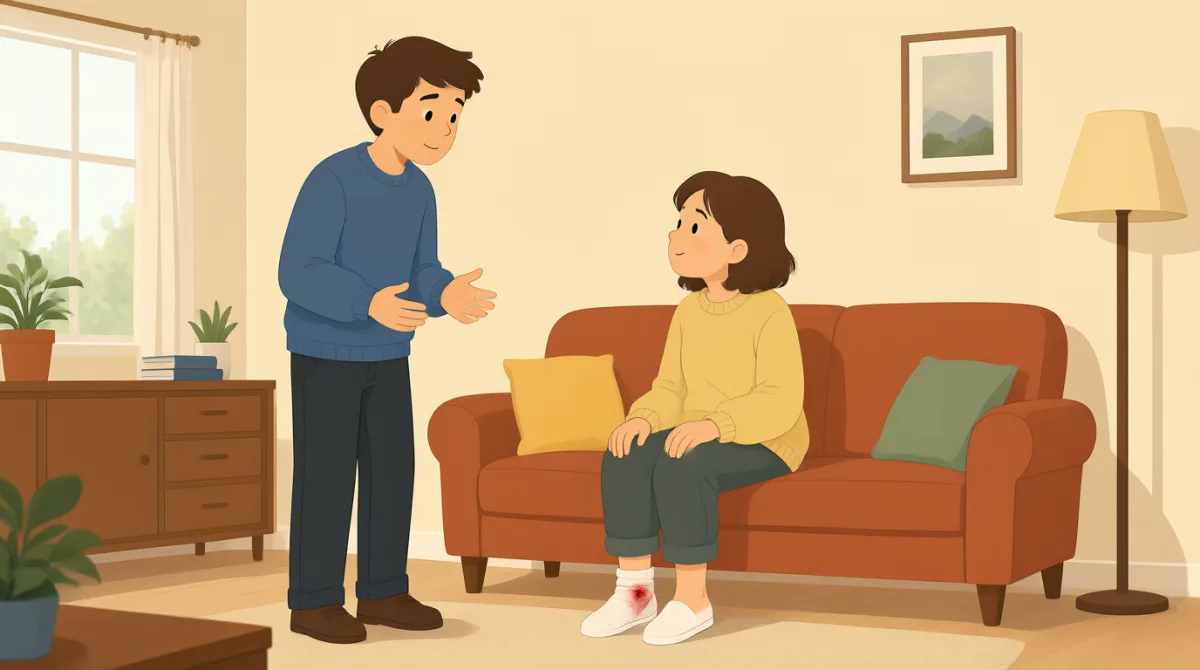

Hey Jack! I heard you weren't feeling well last week. How are you doing now?
เฮ้ แจ็ก! ได้ยินว่าสัปดาห์ที่แล้วนายไม่ค่อยสบาย ตอนนี้เป็นยังไงบ้าง?

Hi Mia! Yeah, I had a bit of a nasty cold, but I'm much better, thanks for asking. Almost back to normal.
หวัดดี มีอา! ใช่ ฉันเป็นหวัดหนักอยู่หน่อย แต่ตอนนี้ดีขึ้นมากแล้ว ขอบใจที่ถามนะ เกือบหายเป็นปกติแล้วล่ะ
Oh, that's good to hear. I was a bit worried when I didn't see you out and about.
อ๋อ ดีจังที่ได้ยินแบบนั้น ฉันแอบเป็นห่วงนิดหน่อย ตอนที่ไม่เห็นนายออกมาแถวนี้เลย
Appreciate that. The worst of it passed by Wednesday. Just a lingering cough now.
ขอบใจนะ อาการหนักที่สุดก็หายไปตั้งแต่วันพุธแล้ว ตอนนี้เหลือแค่ไอไม่หายสักที
Well, take it easy still. Don't rush back into everything. Glad you're on the mend!
ยังไงก็พักผ่อนเยอะ ๆ นะ อย่าเพิ่งรีบกลับไปทำทุกอย่างเหมือนเดิม ดีใจที่อาการกำลังดีขึ้น!
I will, thanks Mia! See you around.
ได้เลย ขอบใจนะ มีอา! ไว้เจอกันแถวนี้นะ
คำศัพท์6
- nastyรุนแรง, หนัก
Means unpleasant or severe, like a bad cold. Use it to describe something uncomfortable, e.g., 'a nasty headache.'
หมายถึงไม่น่าพอใจหรือรุนแรง เช่น เป็นหวัดหนัก ใช้บรรยายสิ่งที่ทำให้รู้สึกไม่สบาย เช่น 'a nasty headache' (ปวดหัวอย่างหนัก)
- lingeringที่ยังคงอยู่, ไม่หายไป
Means something that lasts longer than expected, like a cough that doesn't go away quickly. Common in health contexts.
หมายถึงอาการที่เป็นอยู่นานกว่าที่คาดไว้ เช่น อาการไอที่ไม่หายไปเร็ว ๆ มักใช้พูดถึงอาการเจ็บป่วย
- appreciateซาบซึ้ง, รู้สึกขอบคุณ
To feel grateful for someone's kindness or help. It's polite to say this when thanking someone for caring.
หมายถึงรู้สึกขอบคุณในน้ำใจหรือความช่วยเหลือของใครสักคน เป็นคำสุภาพที่ใช้ขอบคุณเมื่อมีคนแสดงความห่วงใย
- mendฟื้นตัว, หายดี
To recover from illness or injury. Often used in 'on the mend' to mean getting better.
หมายถึงฟื้นตัวจากอาการเจ็บป่วยหรือบาดเจ็บ มักใช้ในสำนวน 'on the mend' ซึ่งหมายถึงอาการกำลังดีขึ้น
- rushรีบ
To hurry or do something too quickly. In advice, 'don't rush' means take your time to avoid problems.
หมายถึงเร่งรีบหรือทำอะไรเร็วเกินไป ในคำแนะนำ 'don't rush' หมายถึงอย่ารีบ ค่อย ๆ ทำเพื่อหลีกเลี่ยงปัญหา
- out and aboutออกไปข้างนอกและทำกิจกรรมต่าง ๆ
Means going outside and being active in daily life. Use it when noticing someone's absence, like 'I didn't see you out and about.'
หมายถึงออกไปข้างนอกและทำกิจวัตรประจำวัน ใช้เมื่อสังเกตว่าใครบางคนไม่ค่อยออกมา เช่น 'I didn't see you out and about.' (ฉันไม่เห็นเธอออกมาแถวนี้เลย)
ประโยคสำคัญ6
- 1
How are you doing now?
ตอนนี้เป็นยังไงบ้าง?
This is a polite way to ask about someone's current health after hearing they were unwell. It's useful for casual check-ins; 'how are you doing' is informal for 'how is your condition?'
ประโยคนี้ใช้ถามไถ่อาการในปัจจุบันอย่างสุภาพ หลังจากได้ยินว่าอีกฝ่ายไม่สบาย เหมาะกับการถามสารทุกข์สุกดิบแบบเป็นกันเอง 'how are you doing' เป็นวิธีพูดไม่เป็นทางการที่หมายถึง 'อาการเป็นอย่างไรบ้าง'
- 2
I'm much better, thanks for asking.
ฉันดีขึ้นมากแล้ว ขอบใจที่ถามนะ
A common response to health inquiries, showing improvement and politeness. 'Much better' means significantly improved; use it to update friends on recovery.
เป็นคำตอบที่ใช้กันทั่วไปเมื่อมีคนถามไถ่อาการ แสดงว่าอาการดีขึ้นและตอบอย่างสุภาพ 'Much better' หมายถึงดีขึ้นอย่างเห็นได้ชัด ใช้บอกเพื่อน ๆ ว่ากำลังฟื้นตัว
- 3
That's good to hear.
ดีจังที่ได้ยินแบบนั้น
Expresses relief or happiness about positive news. It's a simple, empathetic reply in conversations; great for showing you care without saying much.
ใช้แสดงความโล่งใจหรือดีใจเมื่อได้ยินข่าวดี เป็นคำตอบสั้น ๆ ที่แสดงความเห็นอกเห็นใจและความห่วงใยได้ดี
- 4
Take it easy still.
ยังไงก็พักผ่อนเยอะ ๆ นะ
Advice to relax and not overdo activities during recovery. 'Take it easy' is an idiom for rest; 'still' emphasizes continuing caution. Use when encouraging someone to heal slowly.
เป็นคำแนะนำให้พักผ่อนและอย่าทำกิจกรรมหักโหมระหว่างพักฟื้น 'Take it easy' เป็นสำนวนที่หมายถึงพักผ่อน ส่วน 'still' เน้นว่ายังควรระมัดระวังต่อไป ใช้เมื่อต้องการแนะนำให้ใครค่อย ๆ ฟื้นตัว
- 5
Glad you're on the mend!
ดีใจที่อาการกำลังดีขึ้น!
Shows happiness that someone is recovering. 'On the mend' is an idiom meaning getting better; exclamation adds warmth. Perfect for ending health chats positively.
ใช้แสดงความดีใจที่อีกฝ่ายกำลังฟื้นตัว 'On the mend' เป็นสำนวนที่หมายถึงอาการกำลังดีขึ้น เครื่องหมายอัศเจรีย์ช่วยเพิ่มความอบอุ่น เหมาะสำหรับปิดท้ายบทสนทนาเรื่องสุขภาพในแง่บวก
- 6
See you around.
ไว้เจอกันแถวนี้นะ
A casual goodbye meaning we'll meet again soon, often used with neighbors or acquaintances. It's informal and friendly; no specific grammar, just a common phrase for partings.
เป็นคำลาจากันแบบเป็นกันเอง หมายถึงคงได้เจอกันอีกเร็ว ๆ นี้ มักใช้กับเพื่อนบ้านหรือคนรู้จัก เป็นวลีไม่เป็นทางการและเป็นมิตรที่ใช้บอกลา