Neighbor Post-Injury/Minor Illness
पड़ोसी की चोट या हल्की बीमारी के बाद
One neighbor notices another has a visible minor injury (e.g., a sprained ankle) or hears they had a minor cold, and politely inquires about their recovery.
एक पड़ोसी दूसरे को मामूली चोट (जैसे टखने में मोच) के साथ देखता है या सुनता है कि उसे हल्की सर्दी हुई थी, और विनम्रता से पूछता है कि अब उसकी तबीयत कैसी है।
संवाद6
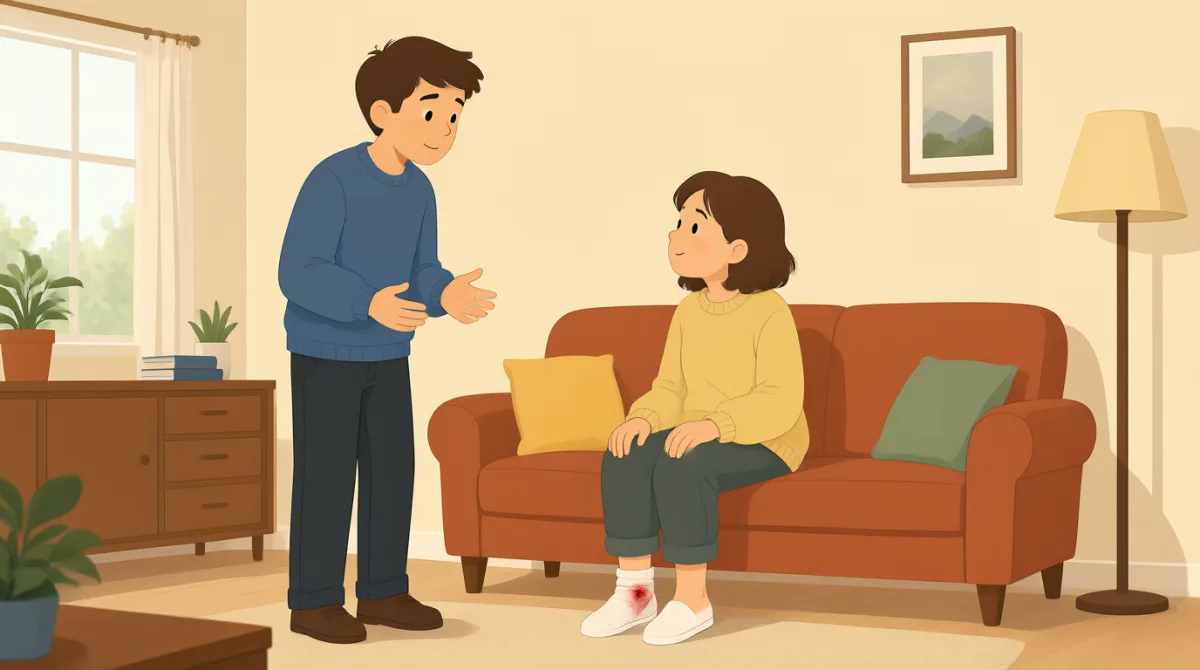

Hey Jack! I heard you weren't feeling well last week. How are you doing now?
अरे जैक! सुना था कि पिछले हफ़्ते तुम्हारी तबीयत ठीक नहीं थी। अब कैसी तबीयत है?

Hi Mia! Yeah, I had a bit of a nasty cold, but I'm much better, thanks for asking. Almost back to normal.
हाय मिया! हाँ, मुझे काफ़ी तेज़ सर्दी हो गई थी, लेकिन अब बहुत बेहतर हूँ। पूछने के लिए शुक्रिया। लगभग पहले जैसा हो गया हूँ।
Oh, that's good to hear. I was a bit worried when I didn't see you out and about.
अच्छा, यह सुनकर अच्छा लगा। जब तुम बाहर दिखाई नहीं दिए, तो मुझे थोड़ी चिंता हुई थी।
Appreciate that. The worst of it passed by Wednesday. Just a lingering cough now.
तुम्हारा ध्यान रखने के लिए शुक्रिया। बुधवार तक सबसे बुरा दौर गुज़र गया था। अब बस खाँसी रह गई है।
Well, take it easy still. Don't rush back into everything. Glad you're on the mend!
अच्छा, फिर भी आराम करते रहना। सब कुछ दोबारा शुरू करने में जल्दबाज़ी मत करना। खुशी है कि तुम ठीक हो रहे हो!
I will, thanks Mia! See you around.
ज़रूर, शुक्रिया मिया! फिर मिलते हैं।
शब्दावली6
- nastyतेज़ / बुरा
Means unpleasant or severe, like a bad cold. Use it to describe something uncomfortable, e.g., 'a nasty headache.'
इसका मतलब है अप्रिय या गंभीर, जैसे तेज़ सर्दी। इसका इस्तेमाल किसी तकलीफ़देह चीज़ के लिए करें, जैसे 'a nasty headache' (तेज़ सिरदर्द)।
- lingeringलंबे समय तक बना रहने वाला
Means something that lasts longer than expected, like a cough that doesn't go away quickly. Common in health contexts.
इसका मतलब है ऐसी चीज़ जो उम्मीद से ज़्यादा समय तक रहे, जैसे ऐसी खाँसी जो जल्दी ठीक न हो। सेहत के संदर्भ में यह शब्द आम है।
- appreciateआभारी होना
To feel grateful for someone's kindness or help. It's polite to say this when thanking someone for caring.
किसी की दयालुता या मदद के लिए आभार महसूस करना। जब कोई आपकी परवाह करे, तो उसे धन्यवाद देते समय यह कहना विनम्रता भरा होता है।
- mendठीक होना
To recover from illness or injury. Often used in 'on the mend' to mean getting better.
बीमारी या चोट से उबरना। 'on the mend' में इसका इस्तेमाल अक्सर होता है, जिसका मतलब है कि कोई ठीक हो रहा है।
- rushजल्दबाज़ी करना
To hurry or do something too quickly. In advice, 'don't rush' means take your time to avoid problems.
जल्दी करना या कोई काम बहुत तेज़ी से करना। सलाह देते समय 'don't rush' का मतलब है कि समस्याओं से बचने के लिए समय लेकर काम करें।
- out and aboutबाहर आना-जाना
Means going outside and being active in daily life. Use it when noticing someone's absence, like 'I didn't see you out and about.'
इसका मतलब है बाहर जाना और रोज़मर्रा की ज़िंदगी में सक्रिय रहना। किसी की गैरमौजूदगी का ज़िक्र करते समय इसका इस्तेमाल करें, जैसे 'I didn't see you out and about.' (तुम बाहर आते-जाते दिखाई नहीं दिए।)।
मुख्य वाक्य6
- 1
How are you doing now?
अब तुम्हारी तबीयत कैसी है?
This is a polite way to ask about someone's current health after hearing they were unwell. It's useful for casual check-ins; 'how are you doing' is informal for 'how is your condition?'
किसी के बीमार होने की बात सुनने के बाद उसकी मौजूदा सेहत के बारे में पूछने का यह एक विनम्र तरीका है। यह अनौपचारिक हालचाल पूछने के लिए उपयोगी है; 'how are you doing' का अनौपचारिक अर्थ है 'तुम्हारी तबीयत कैसी है?'।
- 2
I'm much better, thanks for asking.
पूछने के लिए शुक्रिया, अब मैं बहुत बेहतर हूँ।
A common response to health inquiries, showing improvement and politeness. 'Much better' means significantly improved; use it to update friends on recovery.
तबीयत के बारे में पूछे जाने पर दिया जाने वाला यह एक आम जवाब है, जो सुधार और विनम्रता दिखाता है। 'Much better' का मतलब है काफ़ी सुधार होना; ठीक होने की खबर दोस्तों को देने के लिए इसका इस्तेमाल करें।
- 3
That's good to hear.
यह सुनकर अच्छा लगा।
Expresses relief or happiness about positive news. It's a simple, empathetic reply in conversations; great for showing you care without saying much.
इससे अच्छी खबर मिलने पर राहत या खुशी ज़ाहिर होती है। बातचीत में यह एक सरल और संवेदनशील जवाब है; ज़्यादा कुछ कहे बिना परवाह दिखाने के लिए बढ़िया है।
- 4
Take it easy still.
अभी भी आराम करते रहना।
Advice to relax and not overdo activities during recovery. 'Take it easy' is an idiom for rest; 'still' emphasizes continuing caution. Use when encouraging someone to heal slowly.
ठीक होते समय आराम करने और ज़रूरत से ज़्यादा काम न करने की यह सलाह है। 'Take it easy' आराम करने के लिए इस्तेमाल होने वाला मुहावरा है; 'still' सावधानी जारी रखने पर ज़ोर देता है। किसी को धीरे-धीरे ठीक होने के लिए प्रोत्साहित करते समय इसका इस्तेमाल करें।
- 5
Glad you're on the mend!
खुशी है कि तुम ठीक हो रहे हो!
Shows happiness that someone is recovering. 'On the mend' is an idiom meaning getting better; exclamation adds warmth. Perfect for ending health chats positively.
इससे किसी के ठीक होने पर खुशी ज़ाहिर होती है। 'On the mend' एक मुहावरा है जिसका मतलब है ठीक होना; विस्मयादिबोधक चिह्न इसे गर्मजोशी देता है। सेहत के बारे में बातचीत को सकारात्मक ढंग से खत्म करने के लिए यह बढ़िया है।
- 6
See you around.
फिर मिलते हैं।
A casual goodbye meaning we'll meet again soon, often used with neighbors or acquaintances. It's informal and friendly; no specific grammar, just a common phrase for partings.
यह एक अनौपचारिक विदाई है, जिसका मतलब है कि हम जल्द ही फिर मिलेंगे। इसका इस्तेमाल अक्सर पड़ोसियों या जान-पहचान वालों के साथ होता है। यह दोस्ताना और बेफ़िक्र अंदाज़ है; इसमें कोई खास व्याकरण नहीं, बस विदा लेते समय कहा जाने वाला एक आम वाक्यांश है।