Discussing Missed/Incomplete Chores
คุยเรื่องงานบ้านที่ไม่ได้ทำหรือทำไม่เรียบร้อย
One roommate confronts another about a chore that was missed, done poorly, or consistently neglected, leading to a potentially difficult conversation about accountability.
เพื่อนร่วมห้องคนหนึ่งทักท้วงอีกคนเรื่องงานบ้านที่ไม่ได้ทำ ทำได้ไม่ดี หรือถูกละเลยอยู่บ่อย ๆ จนนำไปสู่บทสนทนาที่อาจคุยกันยากเกี่ยวกับความรับผิดชอบ
บทสนทนา8
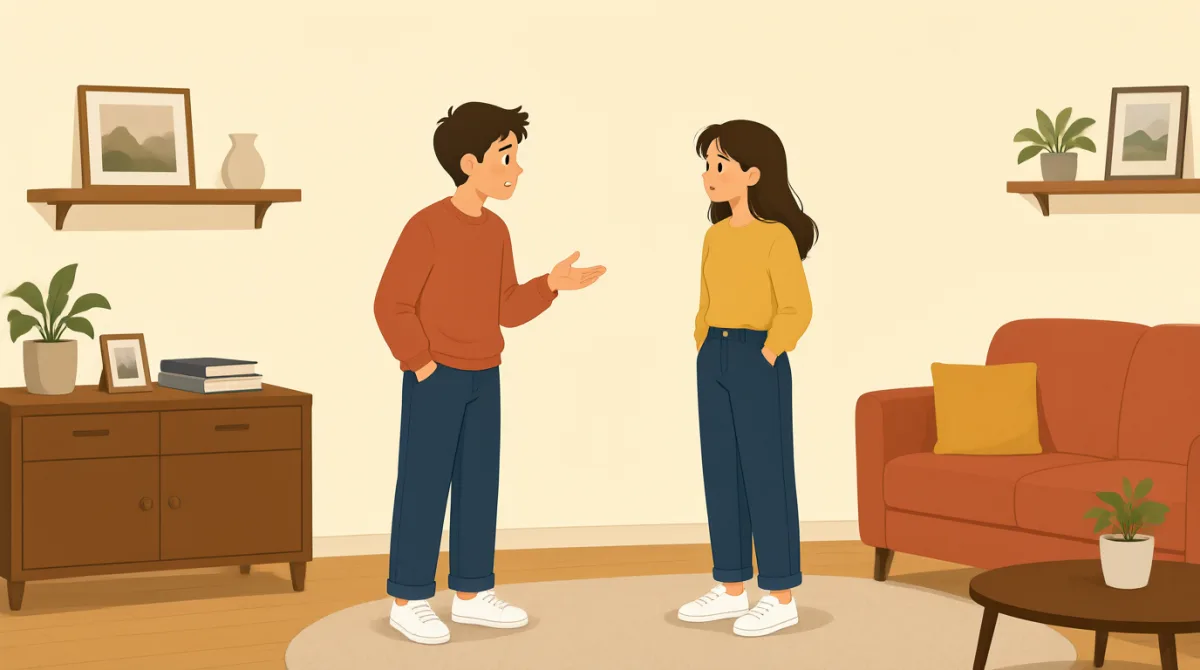

Hey Jack, can we talk for a sec about the kitchen? I noticed the trash hasn't been taken out since your turn on Tuesday.
นี่แจ็ก คุยเรื่องครัวแป๊บนึงได้ไหม เราสังเกตว่าตั้งแต่เวรของเธอเมื่อวันอังคาร ก็ยังไม่ได้เอาขยะไปทิ้งเลย

Oh, right, the trash. My bad, I completely forgot about that. Things have been a bit hectic with work lately.
อ๋อ จริงด้วย เรื่องขยะนี่เอง โทษที เราลืมสนิทเลย ช่วงนี้งานยุ่งวุ่นวายนิดหน่อยน่ะ
I get that, but it's really starting to pile up, and it's attracting fruit flies. Plus, it's not the first time this chore has been missed.
เราเข้าใจนะ แต่ขยะเริ่มกองพะเนินแล้ว แถมยังเรียกแมลงหวี่มาด้วย แล้วนี่ก็ไม่ใช่ครั้งแรกที่งานนี้ถูกลืมด้วย
Yeah, you're right. I'm really sorry about that. I need to be better about keeping track of the chore schedule. I'll take it out right now.
ใช่ เธอพูดถูก เราขอโทษจริง ๆ เราต้องใส่ใจตารางงานบ้านให้มากกว่านี้ เดี๋ยวเราเอาไปทิ้งตอนนี้เลย
Thanks, Jack. I appreciate that. It's just important that we all pull our weight to keep the place tidy, you know?
ขอบใจนะแจ็ก เราซึ้งใจนะ แค่อยากให้เราทุกคนช่วยกันรับผิดชอบ จะได้รักษาบ้านให้สะอาดเรียบร้อย เข้าใจใช่ไหม
Absolutely. And I totally agree. Maybe we can set up a reminder system or something to help me stay on top of things?
แน่นอน เราเห็นด้วยสุด ๆ บางทีเราน่าจะตั้งระบบเตือนหรืออะไรสักอย่าง ช่วยให้เราจัดการทุกอย่างได้ดีขึ้นไหม
That's a good idea. We could use a shared app or just set up some recurring alarms. We can discuss it more later, but for now, if you could just get that trash taken care of.
เป็นความคิดที่ดีนะ เราใช้แอปร่วมกันก็ได้ หรือจะตั้งนาฬิกาปลุกซ้ำเป็นประจำก็ได้ ไว้ค่อยคุยกันละเอียดอีกที แต่ตอนนี้ช่วยจัดการขยะนั่นก่อนนะ
Consider it done. And thanks for bringing it up. I know it's not easy to have these conversations.
ได้เลย เดี๋ยวจัดการให้ ขอบใจที่พูดขึ้นมานะ เรารู้ว่าการคุยเรื่องแบบนี้ไม่ง่ายเลย
คำศัพท์8
- choreงานบ้าน
A small job or task, especially one that is done regularly at home, like cleaning or washing dishes. In this dialogue, it refers to household responsibilities shared among roommates.
งานเล็ก ๆ หรืองานที่ต้องทำเป็นประจำ โดยเฉพาะงานในบ้าน เช่น ทำความสะอาดหรือล้างจาน ในบทสนทนานี้หมายถึงหน้าที่ในบ้านที่เพื่อนร่วมห้องช่วยกันรับผิดชอบ
- trashขยะ
Garbage or waste that needs to be thrown away. In American English, it's commonly used for household rubbish, like in 'take out the trash'.
ของเสียหรือสิ่งที่ต้องนำไปทิ้ง ในภาษาอังกฤษแบบอเมริกัน คำนี้ใช้เรียกขยะในบ้านทั่วไป เช่นใน 'take out the trash' (เอาขยะไปทิ้ง)
- my badโทษที
An informal slang expression meaning 'my mistake' or 'I apologize'. It's casual and often used among friends to admit a small error without being too formal.
สำนวนไม่เป็นทางการที่หมายถึง 'ฉันผิดเอง' หรือ 'ขอโทษนะ' มักใช้พูดยอมรับว่าพลาดเรื่องเล็ก ๆ กับเพื่อน โดยไม่ต้องพูดอย่างเป็นทางการ
- hecticยุ่งวุ่นวาย
Very busy and full of activity, often in a chaotic way. For example, 'Things have been hectic' means life or work is overwhelming and hard to manage.
ยุ่งมากและมีเรื่องให้ทำเต็มไปหมด จนอาจรู้สึกวุ่นวายหรือจัดการยาก ตัวอย่างเช่น 'Things have been hectic' หมายถึงช่วงนี้ชีวิตหรืองานหนักจนรับมือไม่ค่อยไหว
- pile upกองพะเนิน
To accumulate or build up over time, like dirt or items. In the dialogue, 'it's starting to pile up' describes the trash growing and becoming a problem.
สะสมหรือเพิ่มพูนขึ้นเรื่อย ๆ เช่น ฝุ่นหรือสิ่งของ ในบทสนทนานี้ 'it's starting to pile up' หมายถึงขยะเริ่มกองมากขึ้นจนกลายเป็นปัญหา
- pull our weightช่วยกันทำหน้าที่ของตัวเอง
An idiom meaning to do one's fair share of work in a group. It's useful for talking about shared responsibilities, like 'We all need to pull our weight in the house.'
สำนวนที่หมายถึงการทำส่วนแบ่งงานของตัวเองอย่างยุติธรรมเมื่อทำงานเป็นกลุ่ม ใช้พูดถึงความรับผิดชอบร่วมกันได้ เช่น 'We all need to pull our weight in the house.' (เราทุกคนต้องช่วยกันทำหน้าที่ของตัวเองในบ้าน)
- stay on top of thingsจัดการทุกอย่างได้ดี
To keep control or manage tasks effectively so nothing gets forgotten. In the context, it means remembering and completing chores on time.
ดูแลงานต่าง ๆ ให้เรียบร้อยและไม่ปล่อยให้ลืม ในบริบทนี้หมายถึงจำและทำงานบ้านให้เสร็จตรงเวลา
- recurringที่เกิดซ้ำเป็นประจำ
Happening repeatedly or on a regular schedule. For example, 'recurring alarms' are reminders that repeat daily or weekly, helpful for routines like chores.
เกิดขึ้นซ้ำ ๆ หรือตามกำหนดเวลาเป็นประจำ ตัวอย่างเช่น 'recurring alarms' คือนาฬิกาปลุกเตือนซ้ำทุกวันหรือทุกสัปดาห์ ซึ่งช่วยให้ทำกิจวัตรอย่างงานบ้านได้สม่ำเสมอ
ประโยคสำคัญ8
- 1
Hey Jack, can we talk for a sec about the kitchen?
นี่แจ็ก คุยเรื่องครัวแป๊บนึงได้ไหม
This is a casual way to start a conversation politely. 'For a sec' means 'for a second' or briefly. It's useful for roommates to bring up issues without sounding too serious; use it when you need to discuss something quickly.
เป็นวิธีเริ่มบทสนทนาแบบสบาย ๆ แต่ยังสุภาพ 'For a sec' หมายถึง 'แป๊บเดียว' หรือช่วงเวลาสั้น ๆ เพื่อนร่วมห้องใช้เปิดประเด็นโดยไม่ทำให้ฟังดูจริงจังเกินไปได้ เหมาะเวลาต้องคุยเรื่องอะไรอย่างรวดเร็ว
- 2
My bad, I completely forgot about that.
โทษที เราลืมสนิทเลย
An informal admission of fault using 'my bad' for 'my mistake', and 'completely forgot' emphasizes the error. This sentence shows how to apologize casually; it's great for everyday situations like forgetting a task, helping to keep the tone light.
เป็นการยอมรับผิดแบบไม่เป็นทางการ โดยใช้ 'my bad' แทน 'ฉันผิดเอง' และ 'completely forgot' เน้นว่าลืมไปจริง ๆ ประโยคนี้เป็นตัวอย่างการขอโทษสบาย ๆ ใช้ได้ในชีวิตประจำวัน เช่น เมื่อลืมทำงานอะไรสักอย่าง และช่วยให้บรรยากาศไม่ตึงเครียด
- 3
I get that, but it's really starting to pile up.
เราเข้าใจนะ แต่ขยะเริ่มกองพะเนินแล้ว
This acknowledges the other person's point ('I get that' means 'I understand') but adds a counter with 'but'. 'Pile up' means accumulating. It's useful for polite disagreements in conversations about responsibilities, showing empathy while stating the problem.
ประโยคนี้แสดงว่าเข้าใจสิ่งที่อีกฝ่ายพูด ('I get that' หมายถึง 'ฉันเข้าใจ') แล้วใช้ 'but' เพื่อแย้งหรือเสริมอีกประเด็น 'Pile up' หมายถึงสะสมมากขึ้น ใช้พูดแย้งอย่างสุภาพเรื่องความรับผิดชอบ โดยแสดงความเห็นใจพร้อมกับบอกปัญหาได้
- 4
I'm really sorry about that. I need to be better about keeping track of the chore schedule.
เราขอโทษจริง ๆ เราต้องใส่ใจตารางงานบ้านให้มากกว่านี้
A sincere apology followed by self-reflection. 'Keeping track' means monitoring. This pattern is helpful for showing accountability; use it when admitting a repeated mistake and committing to improvement in shared living situations.
เป็นการขอโทษอย่างจริงใจ แล้วตามด้วยการทบทวนตัวเอง 'Keeping track' หมายถึงคอยติดตามหรือจดจำสิ่งที่ต้องทำ รูปแบบนี้ช่วยแสดงความรับผิดชอบ ใช้ได้เมื่อต้องยอมรับว่าทำพลาดซ้ำและตั้งใจปรับปรุงตัวเมื่ออยู่ร่วมกับคนอื่น
- 5
It's just important that we all pull our weight to keep the place tidy.
แค่อยากให้เราทุกคนช่วยกันรับผิดชอบ จะได้รักษาบ้านให้สะอาดเรียบร้อย
Uses the idiom 'pull our weight' for fair contribution, with 'the place' referring to the home. The structure 'It's important that...' explains why something matters. This is practical for discussing group duties; say it to remind others of shared effort without blaming.
ใช้สำนวน 'pull our weight' ในความหมายว่าทุกคนควรช่วยกันทำส่วนของตัวเอง ส่วน 'the place' หมายถึงบ้าน โครงสร้าง 'It's important that...' ใช้บอกว่าทำไมบางเรื่องจึงสำคัญ ประโยคนี้เหมาะกับการคุยเรื่องหน้าที่ของกลุ่ม และใช้เตือนให้ทุกคนช่วยกันโดยไม่กล่าวโทษใคร
- 6
Maybe we can set up a reminder system or something to help me stay on top of things?
บางทีเราน่าจะตั้งระบบเตือนหรืออะไรสักอย่าง ช่วยให้เราจัดการทุกอย่างได้ดีขึ้นไหม
A suggestion using 'maybe' for a soft proposal, and 'or something' to keep it casual. 'Stay on top of things' means managing well. This is useful for problem-solving in dialogues; use it to offer solutions collaboratively after an issue is raised.
ใช้ 'maybe' เพื่อเสนอความคิดแบบไม่กดดัน และใช้ 'or something' ให้ฟังเป็นกันเอง 'Stay on top of things' หมายถึงจัดการสิ่งต่าง ๆ ได้ดี ประโยคนี้เหมาะกับการช่วยกันหาทางแก้ปัญหา ใช้เสนอทางออกหลังจากมีคนยกเรื่องขึ้นมาคุย
- 7
Consider it done.
ได้เลย เดี๋ยวจัดการให้
A confident assurance meaning 'it's already handled' or 'I'll take care of it immediately'. It's idiomatic and reassuring. Use this short phrase when promising quick action, like fixing a chore, to end a conversation positively.
เป็นการรับปากอย่างมั่นใจ หมายถึง 'จัดการเรียบร้อยแล้ว' หรือ 'เดี๋ยวฉันจัดการให้ทันที' เป็นสำนวนที่ฟังแล้วอุ่นใจ ใช้ประโยคสั้น ๆ นี้เมื่อต้องการรับปากว่าจะรีบลงมือ เช่น จัดการงานบ้าน และช่วยปิดบทสนทนาในแง่ดี
- 8
Thanks for bringing it up. I know it's not easy to have these conversations.
ขอบใจที่พูดขึ้นมานะ เรารู้ว่าการคุยเรื่องแบบนี้ไม่ง่ายเลย
Expresses gratitude for raising the issue and empathy ('bringing it up' means mentioning it). This shows appreciation and understanding. It's valuable for de-escalating tense talks; use it to acknowledge the difficulty of confronting someone about responsibilities.
ประโยคนี้ขอบคุณอีกฝ่ายที่ยกเรื่องขึ้นมาพูด และแสดงความเข้าใจด้วย ('bringing it up' หมายถึงพูดถึงเรื่องนั้น) เป็นการแสดงความซาบซึ้งและเห็นอกเห็นใจ ช่วยลดความตึงเครียดในการคุยได้ ใช้เพื่อยอมรับว่าการทักท้วงเรื่องความรับผิดชอบไม่ใช่เรื่องง่าย