Declining a Snack Politely
ปฏิเสธขนมอย่างสุภาพ
A colleague has offered you a snack, but you are not hungry, have dietary restrictions, or simply don't want any. You need to decline politely without offending them.
เพื่อนร่วมงานยื่นขนมให้คุณ แต่คุณไม่หิว มีข้อจำกัดเรื่องอาหาร หรือแค่ไม่อยากกิน คุณจึงต้องปฏิเสธอย่างสุภาพโดยไม่ทำให้อีกฝ่ายรู้สึกไม่ดี
บทสนทนา7
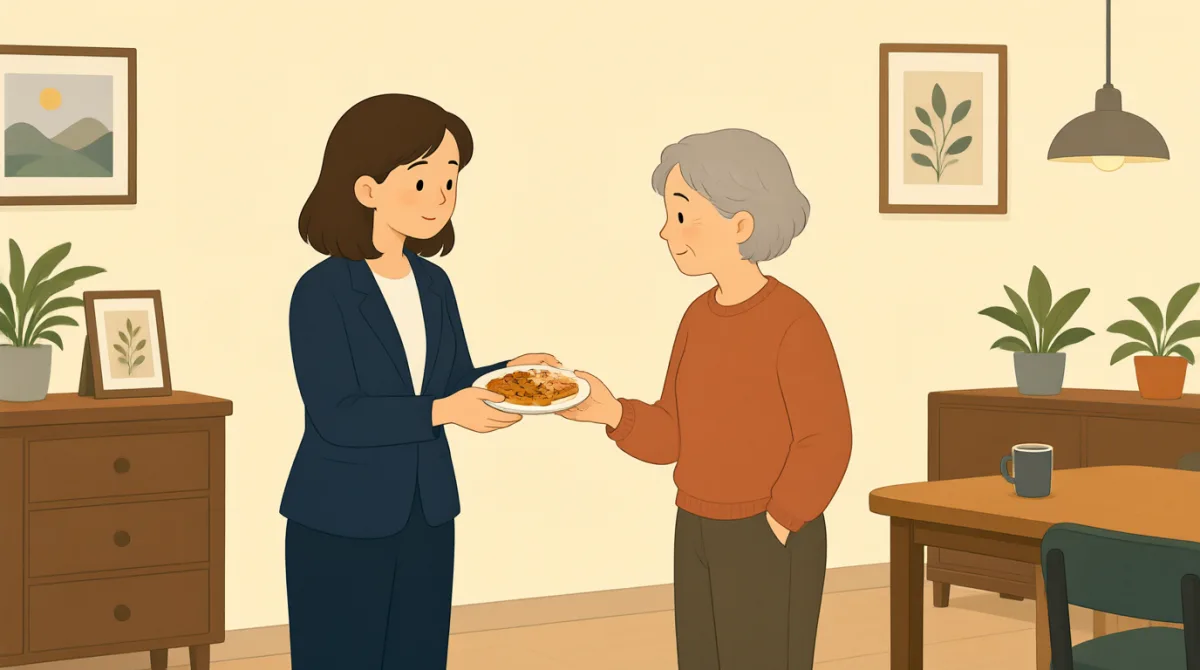

Hey Jack, I brought some cookies if you want one.
เฮ้ แจ็ก ฉันเอาคุกกี้มาฝาก ถ้าอยากกินก็หยิบได้เลยนะ

Oh, thanks, Emma! That's really thoughtful of you.
อ้อ ขอบใจนะ เอ็มมา! ใจดีจังเลย
No problem! They're homemade chocolate chip.
ไม่เป็นไรเลย! เป็นคุกกี้ช็อกโกแลตชิปทำเองน่ะ
They sound delicious, but I think I'll pass for now. I just had a big lunch.
ฟังดูน่าอร่อยนะ แต่ตอนนี้ขอผ่านก่อนดีกว่า เพิ่งกินมื้อกลางวันชุดใหญ่ไปเอง
No worries at all. Maybe later then?
ไม่เป็นไรเลย งั้นไว้คราวหน้านะ?
Yeah, perhaps! Thanks again for offering.
อืม ไว้คราวหน้าก็ได้! ขอบใจอีกครั้งที่ชวนนะ
Anytime! Just let me know.
ได้เสมอ! บอกฉันได้เลยนะ
คำศัพท์6
- thoughtfulใส่ใจ
Thoughtful means kind and considerate, showing you care about others. Use it to thank someone for a nice gesture, like offering food.
Thoughtful หมายถึงใจดีและรู้จักนึกถึงความรู้สึกของคนอื่น ใช้ขอบคุณใครสักคนที่ทำสิ่งดี ๆ ให้ เช่น ยื่นอาหารให้
- homemadeทำเองที่บ้าน
Homemade means made at home, not bought in a store. It's often used to describe food that's fresh and personal.
Homemade หมายถึงทำขึ้นเองที่บ้าน ไม่ได้ซื้อจากร้าน มักใช้บรรยายอาหารที่ทำสดใหม่และตั้งใจทำให้เป็นพิเศษ
- passขอผ่าน
To pass means to decline or say no politely, like 'I'll pass on the offer.' It's casual and friendly for refusing without offending.
To pass หมายถึงปฏิเสธหรือบอกว่าไม่เอาอย่างสุภาพ เช่น 'I'll pass on the offer.' เป็นสำนวนสบาย ๆ และเป็นกันเอง ใช้ปฏิเสธโดยไม่ทำให้อีกฝ่ายรู้สึกไม่ดี
- deliciousอร่อย
Delicious means very tasty and enjoyable to eat. Use it to compliment food even if you're not eating it.
Delicious หมายถึงมีรสชาติดีมากและกินเพลิน ใช้ชมอาหารได้แม้คุณจะไม่ได้กินก็ตาม
- no worriesไม่เป็นไร
No worries is a casual way to say 'it's okay' or 'don't worry about it.' It's reassuring and common in friendly conversations.
No worries เป็นวิธีพูดแบบเป็นกันเองว่า 'ไม่เป็นไร' หรือ 'ไม่ต้องกังวลนะ' ใช้เพื่อให้อีกฝ่ายสบายใจ และพบได้บ่อยในบทสนทนาระหว่างคนที่เป็นมิตรต่อกัน
- anytimeได้เสมอ
Anytime means 'whenever you want' or 'you're welcome at any time.' It's used to show openness for future offers or help.
Anytime หมายถึง 'เมื่อไรก็ได้' หรือ 'ยินดีเสมอ' ใช้แสดงว่าพร้อมช่วยหรือยื่นข้อเสนอให้อีกในอนาคต
ประโยคสำคัญ6
- 1
Hey Jack, I brought some cookies if you want one.
เฮ้ แจ็ก ฉันเอาคุกกี้มาฝาก ถ้าอยากกินก็หยิบได้เลยนะ
This is a casual way to offer food to a colleague. 'If you want one' makes it optional and polite. Use it to share snacks at work without pressure.
นี่เป็นวิธีชวนเพื่อนร่วมงานกินอาหารแบบสบาย ๆ 'If you want one' ทำให้ผู้รับรู้ว่าเลือกได้ ไม่ได้เป็นการกดดัน ใช้แบ่งขนมกันที่ทำงานได้อย่างสุภาพ
- 2
Oh, thanks, Emma! That's really thoughtful of you.
อ้อ ขอบใจนะ เอ็มมา! ใจดีจังเลย
This expresses appreciation for the offer. 'That's really thoughtful' highlights the kindness. It's useful to respond positively before deciding.
ประโยคนี้ใช้แสดงความขอบคุณที่อีกฝ่ายยื่นข้อเสนอให้ 'That's really thoughtful' เน้นว่าอีกฝ่ายมีน้ำใจ ใช้ตอบรับในทางบวกก่อนตัดสินใจได้
- 3
They sound delicious, but I think I'll pass for now. I just had a big lunch.
ฟังดูน่าอร่อยนะ แต่ตอนนี้ขอผ่านก่อนดีกว่า เพิ่งกินมื้อกลางวันชุดใหญ่ไปเอง
This politely declines the snack. 'I'll pass for now' is a soft refusal, and giving a reason like 'I just had a big lunch' keeps it friendly. Use it when you're not hungry.
ประโยคนี้ใช้ปฏิเสธขนมอย่างสุภาพ 'I'll pass for now' เป็นการปฏิเสธแบบนุ่มนวล และการบอกเหตุผลอย่าง 'I just had a big lunch' ช่วยให้บรรยากาศเป็นกันเอง ใช้ได้เมื่อคุณไม่หิว
- 4
No worries at all. Maybe later then?
ไม่เป็นไรเลย งั้นไว้คราวหน้านะ?
This accepts the decline gracefully. 'No worries' reassures the person, and 'Maybe later then?' keeps the door open. It's great for maintaining good relationships.
ประโยคนี้แสดงว่ายอมรับการปฏิเสธอย่างไม่ถือสา 'No worries' ช่วยให้อีกฝ่ายสบายใจ ส่วน 'Maybe later then?' ก็เปิดโอกาสไว้สำหรับคราวหน้า ใช้รักษาความสัมพันธ์ที่ดีได้
- 5
Yeah, perhaps! Thanks again for offering.
อืม ไว้คราวหน้าก็ได้! ขอบใจอีกครั้งที่ชวนนะ
This is a polite follow-up to a decline. 'Yeah, perhaps' shows openness without committing, and repeating thanks is courteous. Use it to end positively.
นี่เป็นการตอบกลับอย่างสุภาพหลังจากปฏิเสธ 'Yeah, perhaps' แสดงว่ายังเปิดใจ แต่ไม่ได้รับปากแน่นอน และการขอบคุณซ้ำก็แสดงมารยาท ใช้จบบทสนทนาในแง่ดีได้
- 6
Anytime! Just let me know.
ได้เสมอ! บอกฉันได้เลยนะ
This invites future requests. 'Anytime' means always available, and 'Just let me know' is simple and encouraging. It's useful for ongoing friendliness at work.
ประโยคนี้เป็นการเปิดโอกาสให้อีกฝ่ายขอความช่วยเหลือหรือรับข้อเสนอในอนาคต 'Anytime' หมายถึงพร้อมเสมอ ส่วน 'Just let me know' เป็นคำชวนง่าย ๆ ที่ฟังดูให้กำลังใจ ใช้แสดงความเป็นมิตรกับเพื่อนร่วมงานได้เสมอ