इकाई 62
शब्द 1221–1240 · solve, neighbor, background, technique, traffic, improvement
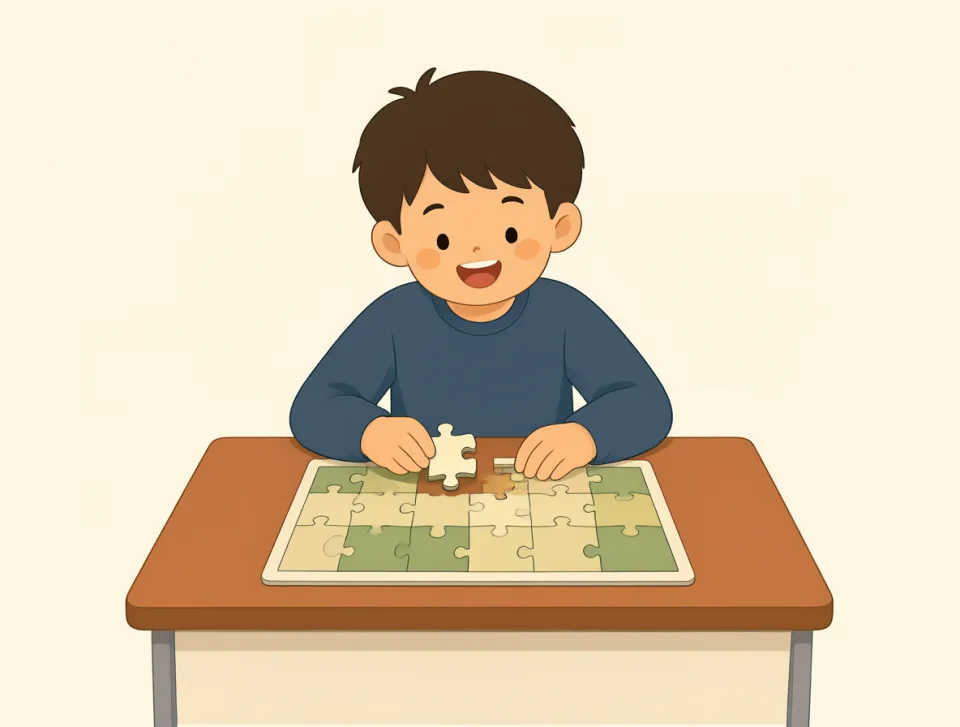
solve
#1221verb
हल करना
to find an answer to a problem or a way to deal with something
किसी समस्या का जवाब या उससे निपटने का तरीका ढूँढ़ना।

We need to solve this problem before the meeting starts.
बैठक शुरू होने से पहले हमें यह समस्या हल करनी है।
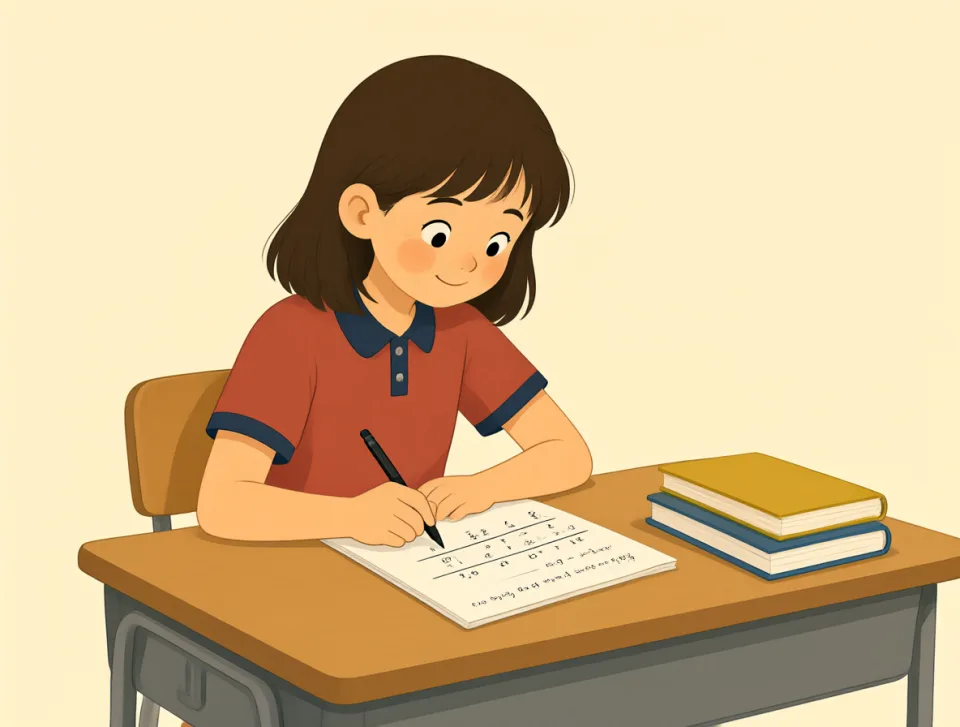
She solved the difficult math question by herself.
उसने गणित का मुश्किल सवाल खुद हल किया।
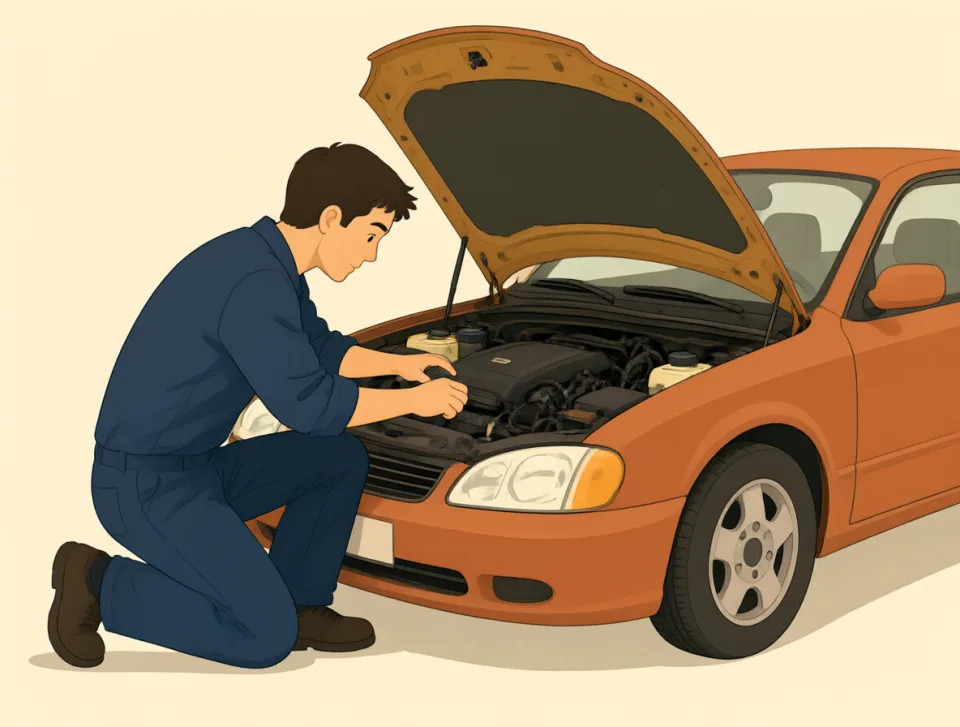
The mechanic is solving the car problem in the garage.
मैकेनिक गैरेज में कार की समस्या ठीक कर रहा है।

They solved the mystery during their train journey.
उन्होंने ट्रेन के सफ़र के दौरान रहस्य सुलझा लिया।

Drinking water helped solve his headache.
पानी पीने से उसका सिरदर्द ठीक करने में मदद मिली।
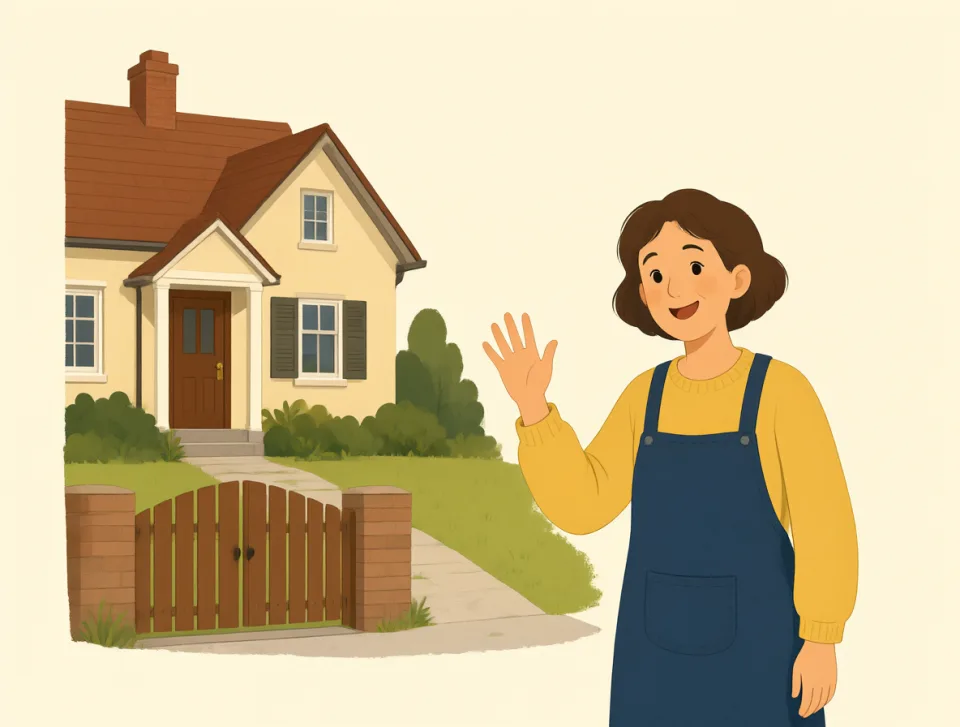
neighbor
#1222noun
पड़ोसी
A person who lives near you.
वह व्यक्ति जो आपके पास रहता है।
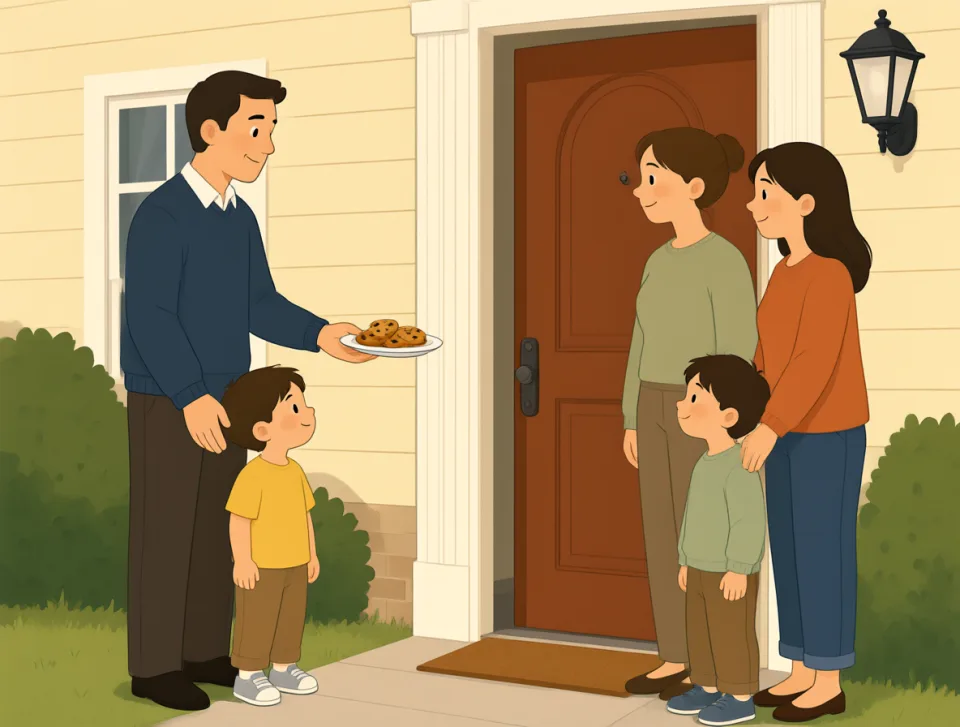
Our new neighbor brought us cookies to welcome us.
हमारे नए पड़ोसी ने स्वागत के लिए हमें कुकीज़ दीं।
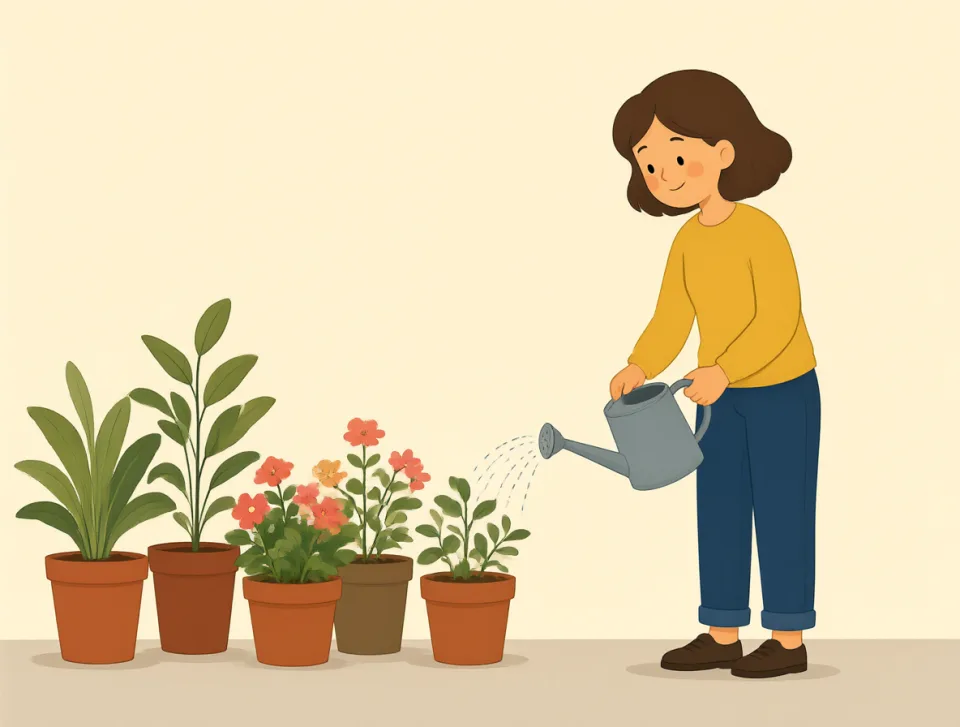
I asked my neighbor to water the plants while I traveled.
सफ़र पर जाते समय मैंने अपने पड़ोसी से पौधों को पानी देने के लिए कहा।

The neighbors complained because our dog barked all night.
हमारे कुत्ते के पूरी रात भौंकने की वजह से पड़ोसियों ने शिकायत की।
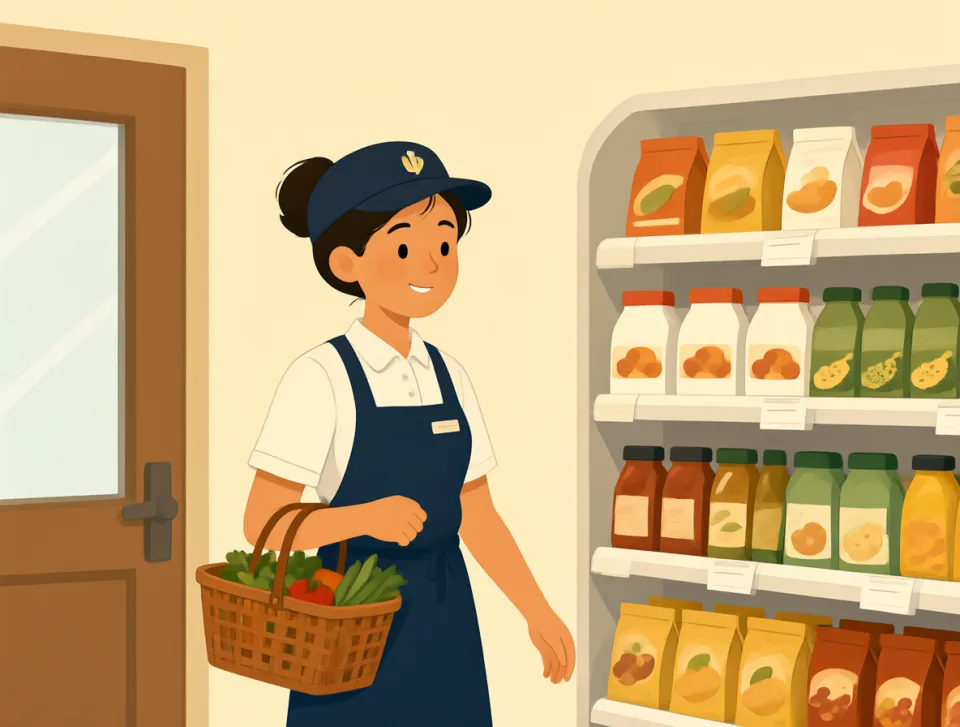
My neighbor works at the grocery store near our apartment.
मेरा पड़ोसी हमारे अपार्टमेंट के पास किराने की दुकान में काम करता है।

A friendly neighbor helped me carry my bags upstairs.
एक मिलनसार पड़ोसी ने मेरा सामान सीढ़ियों से ऊपर ले जाने में मदद की।

background
#1223noun
पृष्ठभूमि
The part behind the main subject in a picture, place, or situation.
किसी तस्वीर, जगह या स्थिति में मुख्य विषय के पीछे का हिस्सा।

The mountains look beautiful in the background of this photo.
इस तस्वीर की पृष्ठभूमि में पहाड़ बहुत सुंदर लग रहे हैं।
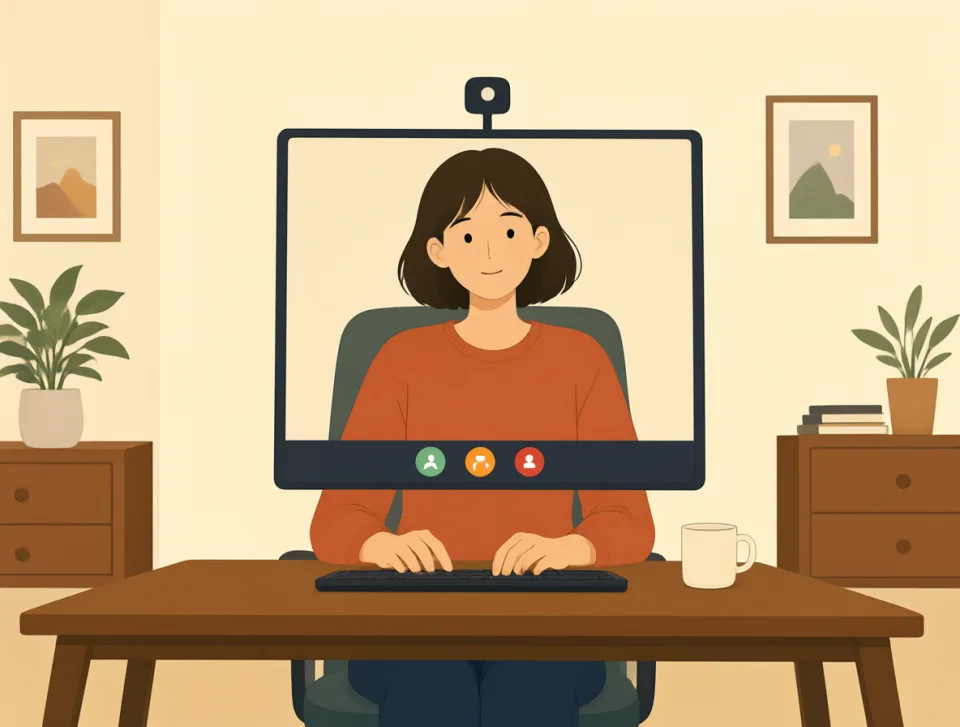
Please choose a quiet background for your video call.
कृपया अपनी वीडियो कॉल के लिए कोई शांत पृष्ठभूमि चुनें।

She has a background in science and works at a hospital.
उसकी पढ़ाई विज्ञान के क्षेत्र में हुई है और वह अस्पताल में काम करती है।
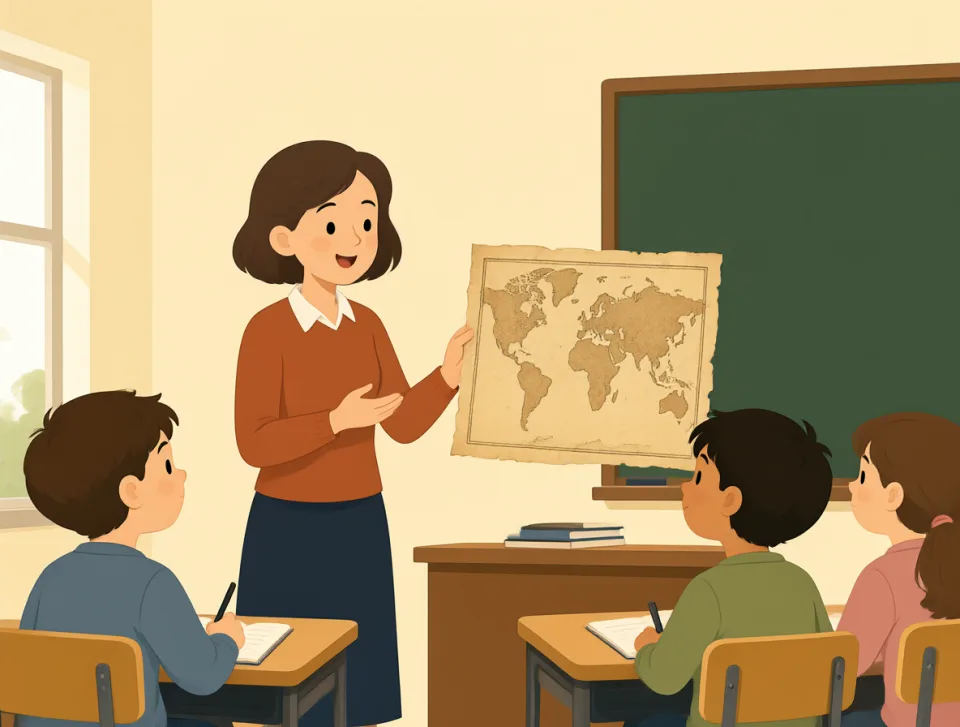
The teacher explained the historical background of the story.
शिक्षक ने कहानी की ऐतिहासिक पृष्ठभूमि समझाई।
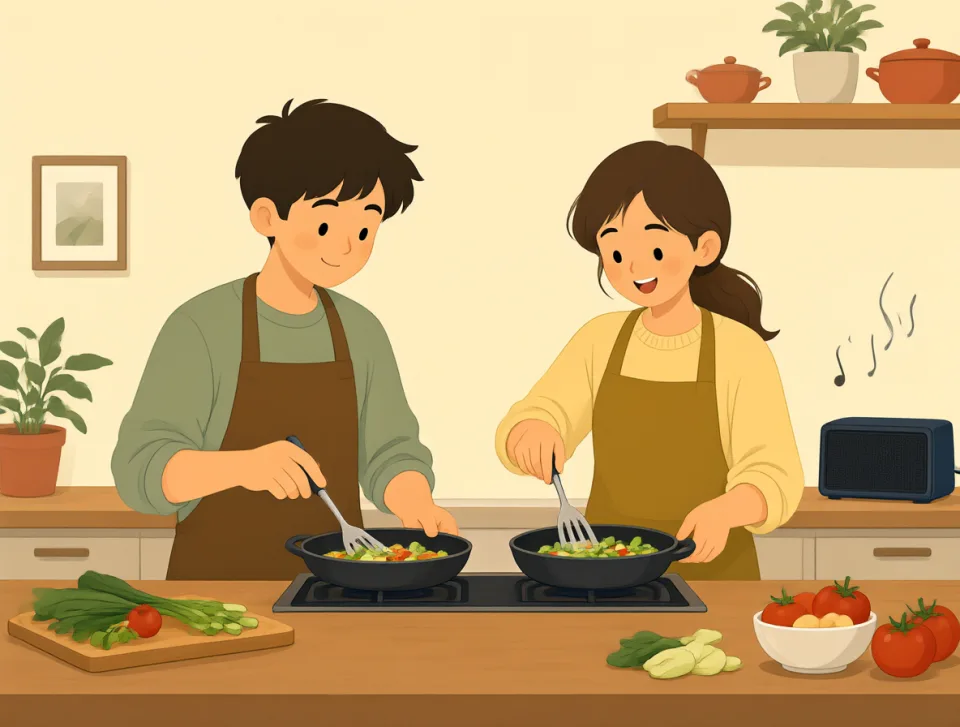
Music played softly in the background while we cooked dinner.
जब हम रात का खाना बना रहे थे, तब धीमा संगीत पृष्ठभूमि में बज रहा था।
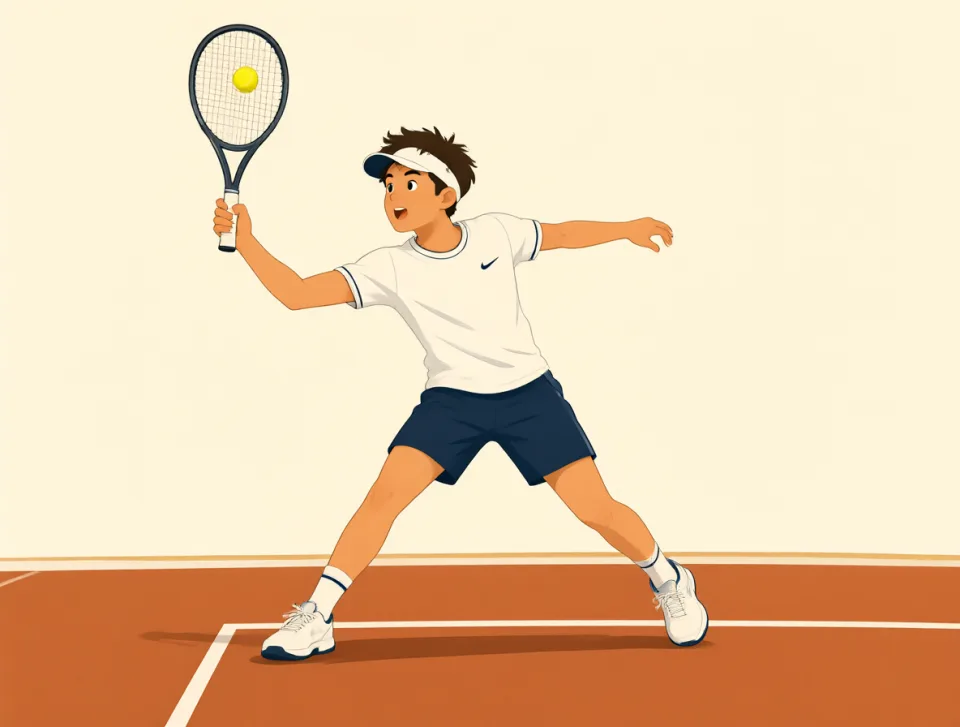
technique
#1224noun
तकनीक
a special way of doing something, especially one that needs skill or practice
कुछ करने का खास तरीका, जिसमें अक्सर कौशल या अभ्यास की ज़रूरत होती है।
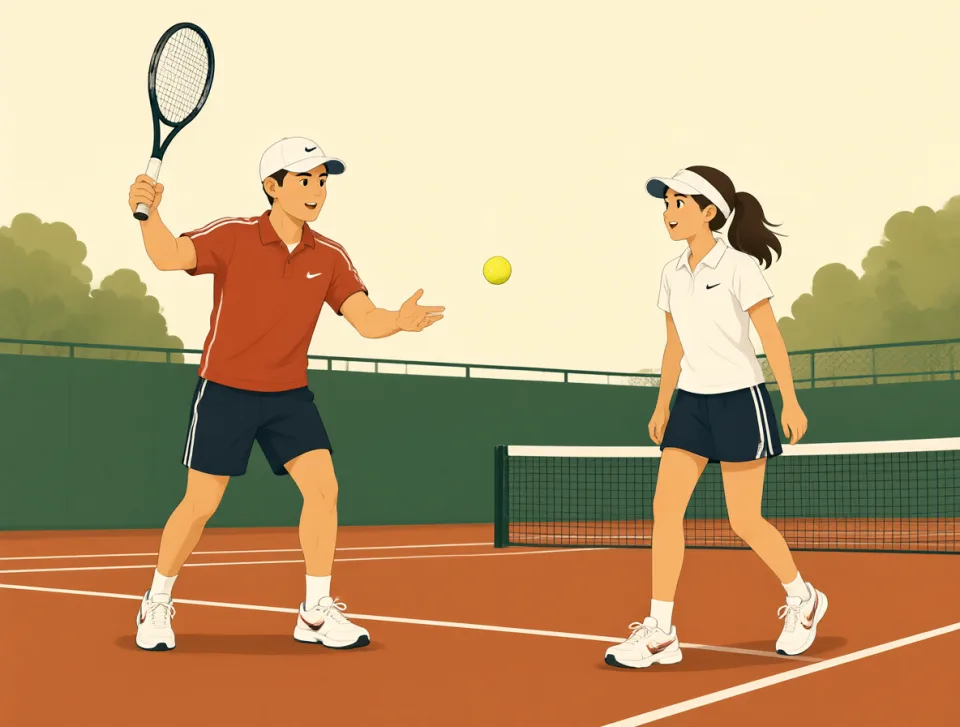
The coach taught us a new technique for serving the ball.
कोच ने हमें गेंद सर्व करने की एक नई तकनीक सिखाई।
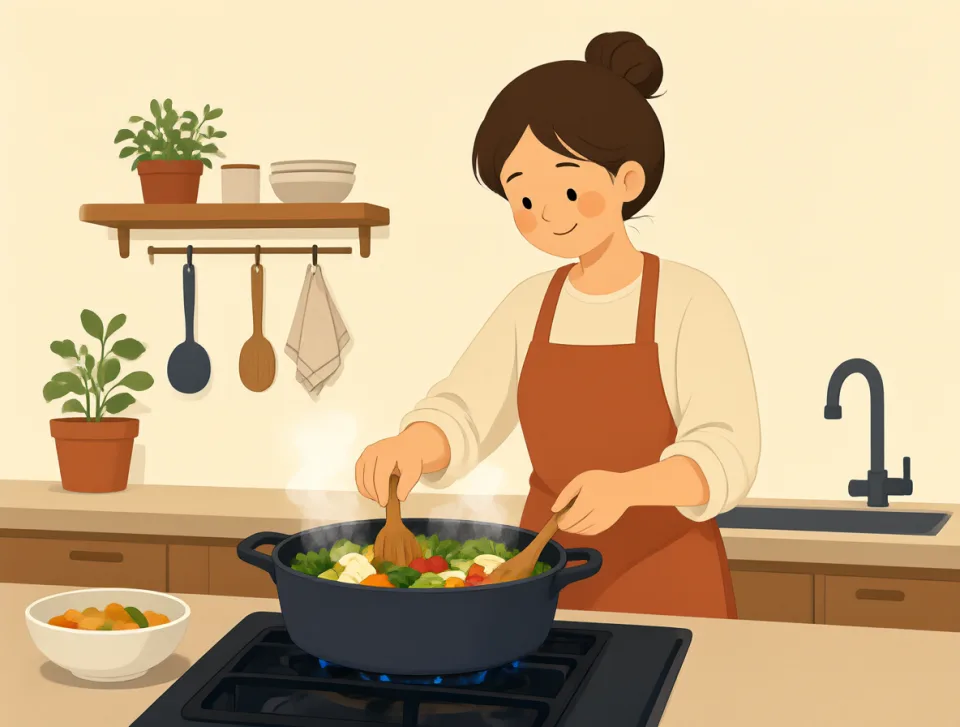
This cooking technique makes vegetables soft without losing their color.
खाना पकाने की इस तकनीक से सब्ज़ियाँ अपना रंग खोए बिना नरम हो जाती हैं।

She used a simple technique to remember new English words.
उसने नए अंग्रेज़ी शब्द याद रखने के लिए एक आसान तरीका अपनाया।

The dentist explained a brushing technique that protects my gums.
दंत चिकित्सक ने ब्रश करने की ऐसी तकनीक समझाई जिससे मेरे मसूड़ों की रक्षा होती है।

The photographer tried different techniques to take better travel pictures.
फ़ोटोग्राफ़र ने यात्रा की बेहतर तस्वीरें लेने के लिए अलग-अलग तकनीकें आज़माईं।

traffic
#1225noun
यातायात
The cars, buses, and trucks moving along roads, or the movement of messages through a system.
सड़कों पर चलती कारें, बसें और ट्रक, या किसी प्रणाली में संदेशों का आवागमन।
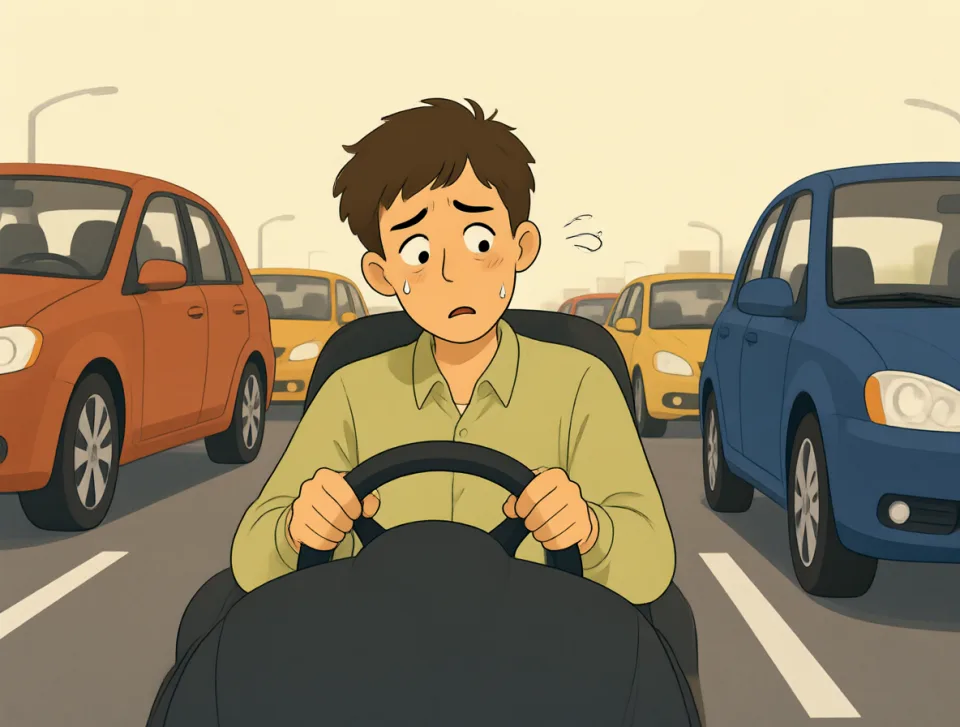
Heavy traffic made us late for work this morning.
आज सुबह भारी यातायात की वजह से हमें काम पर पहुँचने में देर हो गई।

There was a lot of traffic near the shopping center.
शॉपिंग सेंटर के पास बहुत यातायात था।
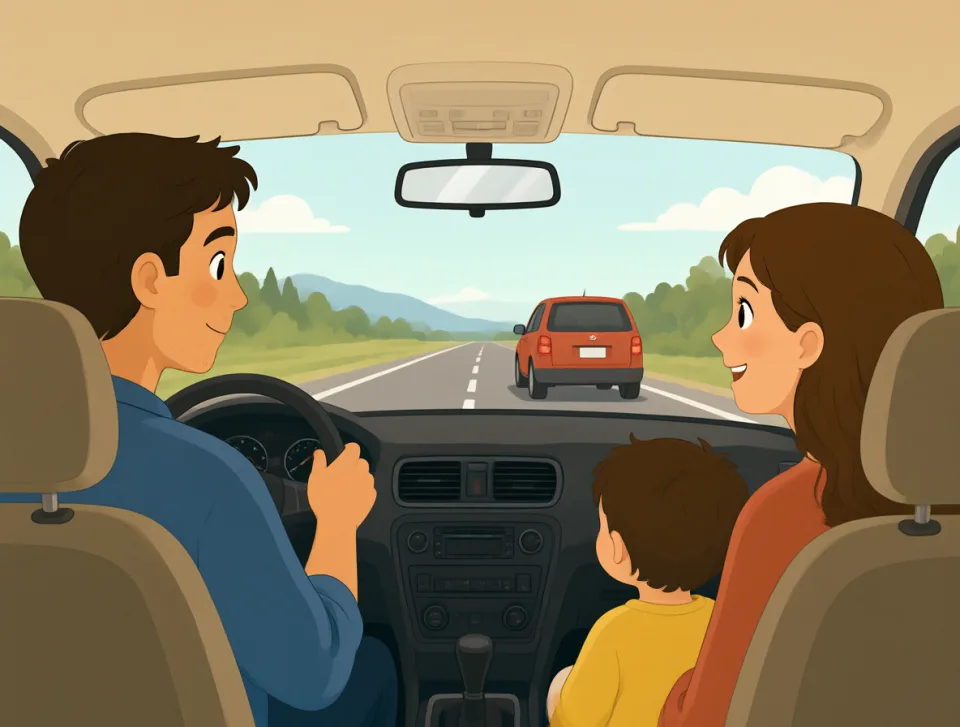
We checked the traffic before driving to the airport.
हवाई अड्डे जाने से पहले हमने यातायात की स्थिति देखी।
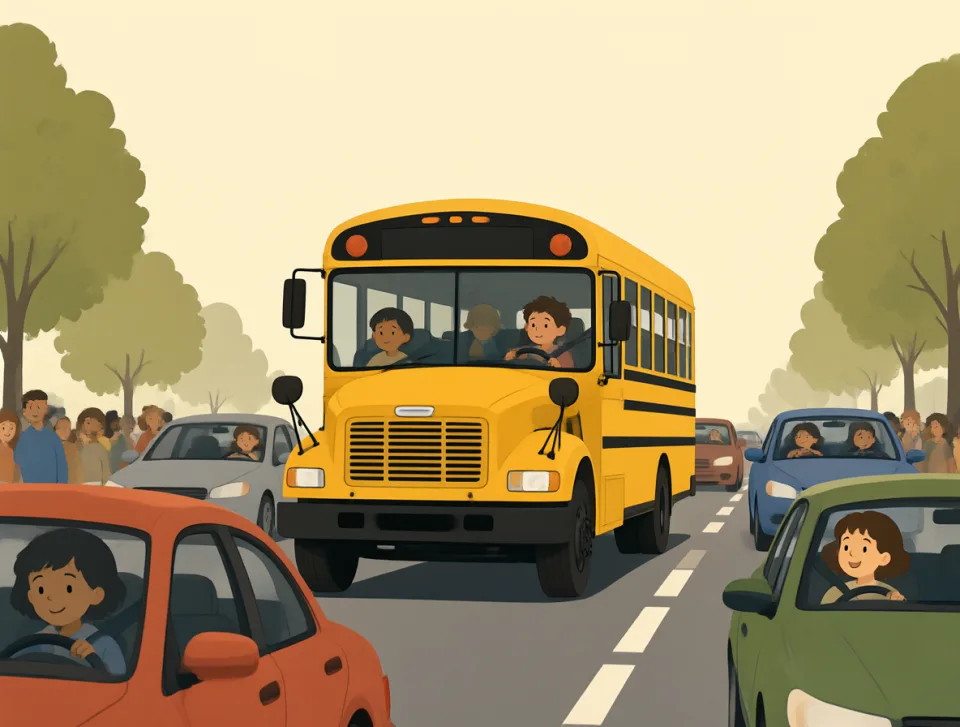
The school bus was stuck in traffic after lunch.
दोपहर के खाने के बाद स्कूल बस यातायात में फँस गई।
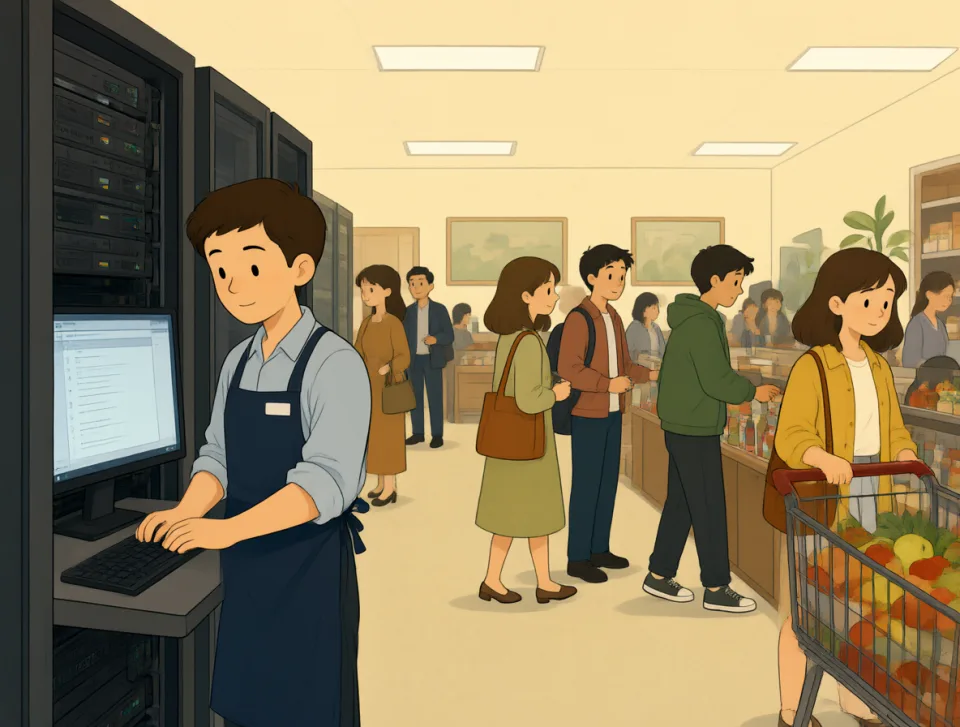
The website received heavy traffic during the evening sale.
शाम की सेल के दौरान वेबसाइट पर बहुत ज़्यादा लोग आए।

improvement
#1226noun
सुधार
A change that makes something better.
ऐसा बदलाव जिससे कोई चीज़ बेहतर हो जाए।
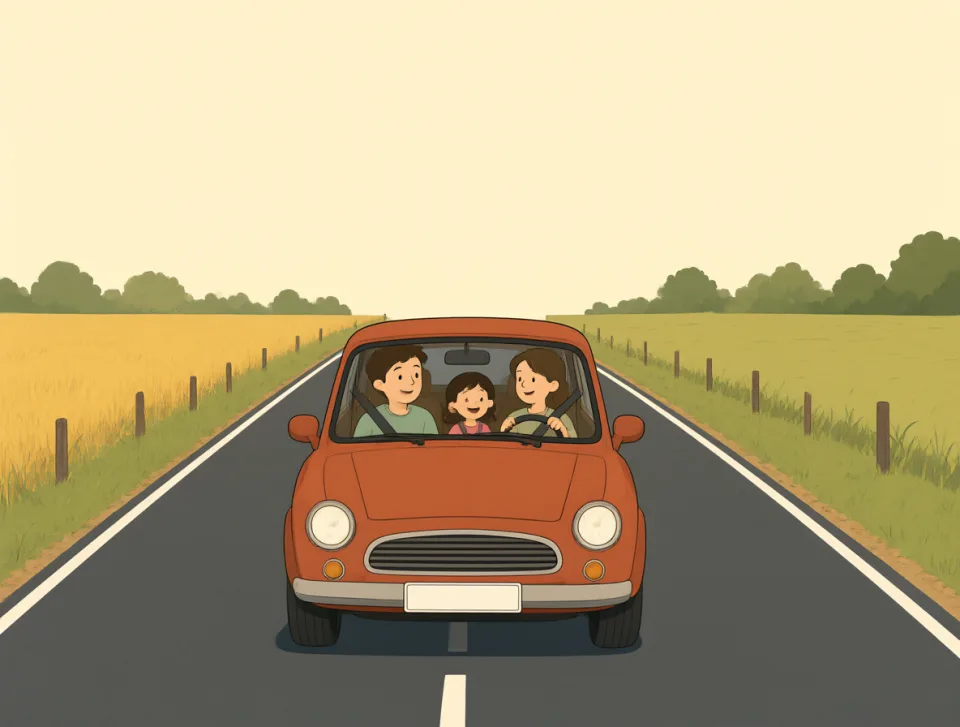
The new road brought a big improvement to our daily journey.
नई सड़क से हमारे रोज़ के सफ़र में काफ़ी सुधार हुआ।

There has been a clear improvement in her English this year.
इस साल उसकी अंग्रेज़ी में साफ़ सुधार हुआ है।

We made several improvements to our kitchen last weekend.
पिछले सप्ताहांत हमने अपनी रसोई में कई सुधार किए।
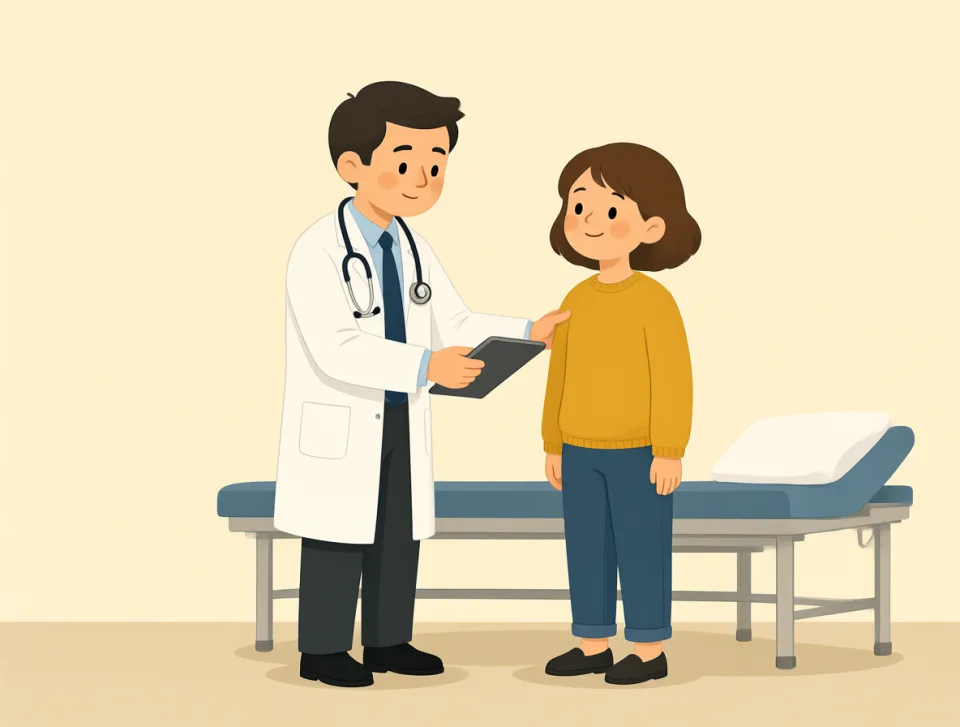
The doctor noticed an improvement in his health after treatment.
इलाज के बाद डॉक्टर ने उसकी सेहत में सुधार देखा।
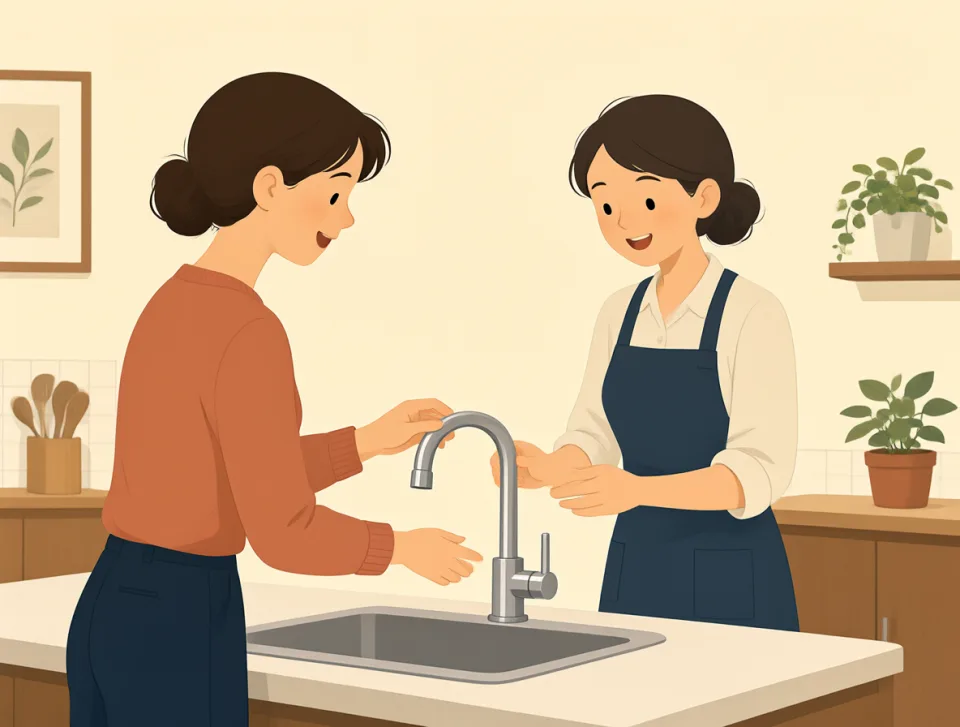
This shop offers home improvements at reasonable prices.
यह दुकान घर की मरम्मत और सुधार का काम उचित दामों पर करती है।
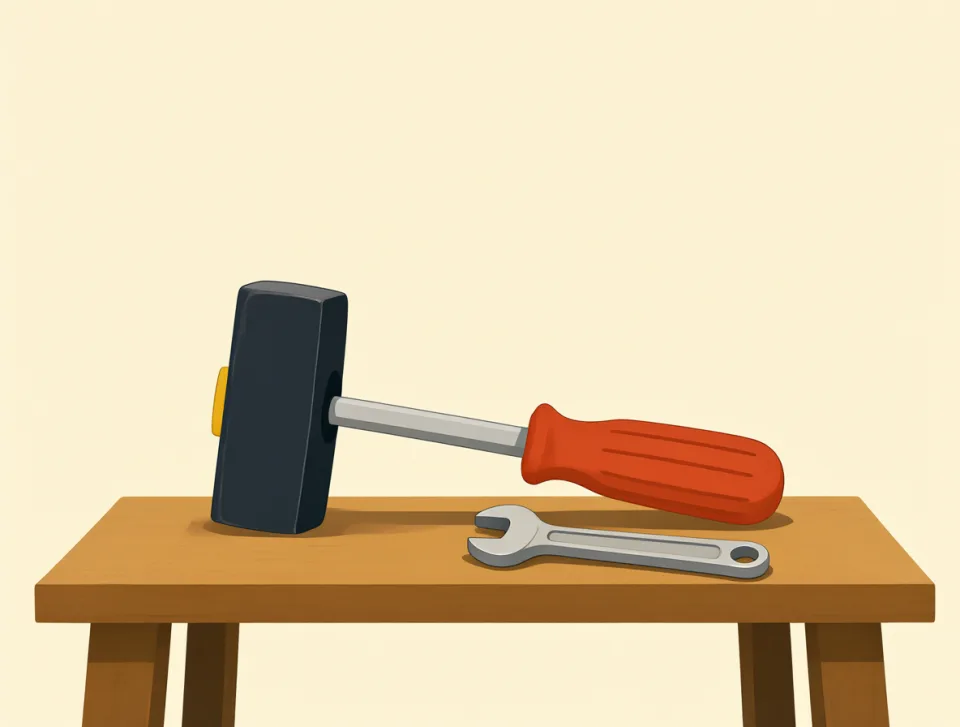
tool
#1227noun, verb
औज़ार
an object used to do a particular job; to use an object to do a job
किसी खास काम को करने के लिए इस्तेमाल की जाने वाली वस्तु; किसी काम को करने के लिए किसी वस्तु का इस्तेमाल करना।
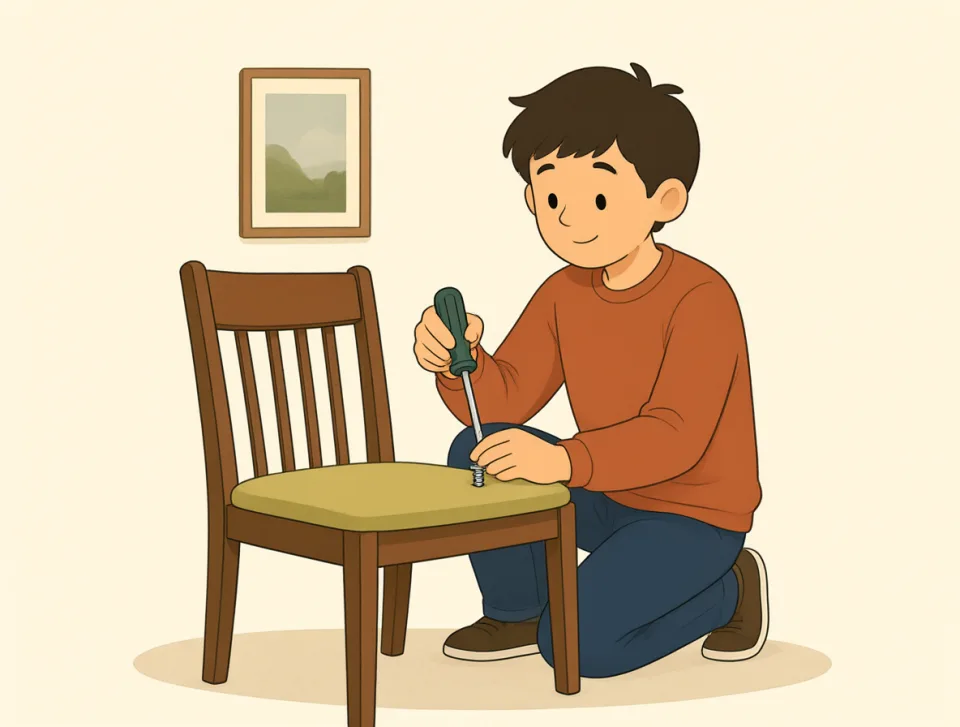
This tool makes it easy to tighten loose screws.
इस औज़ार से ढीले पेंच कसना आसान हो जाता है।
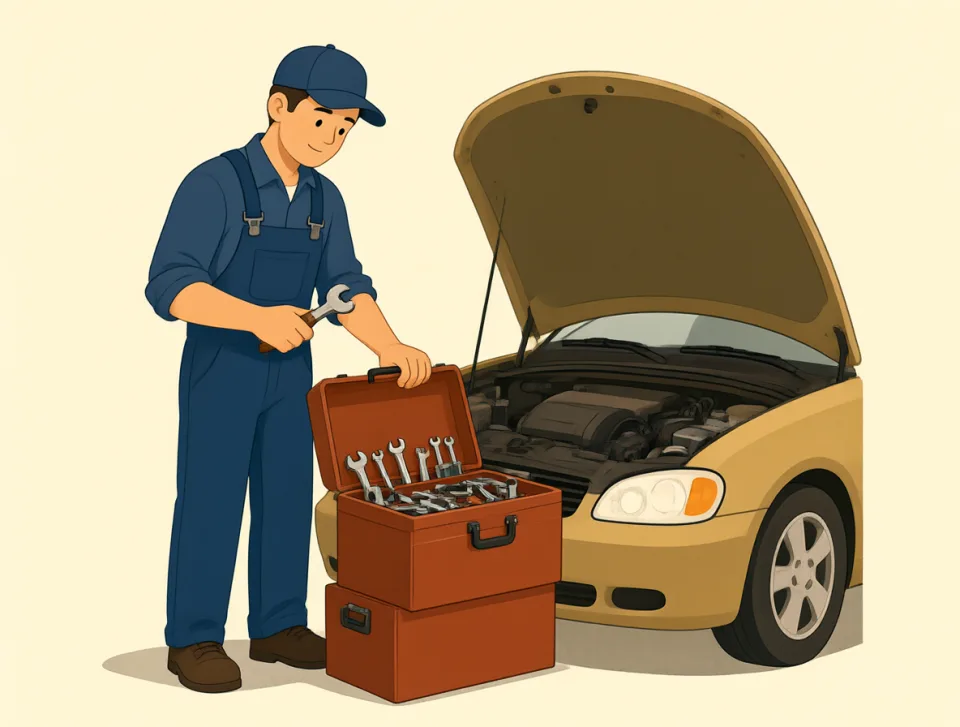
The mechanic keeps his tools in a large blue box.
मैकेनिक अपने औज़ार एक बड़े नीले बक्से में रखता है।
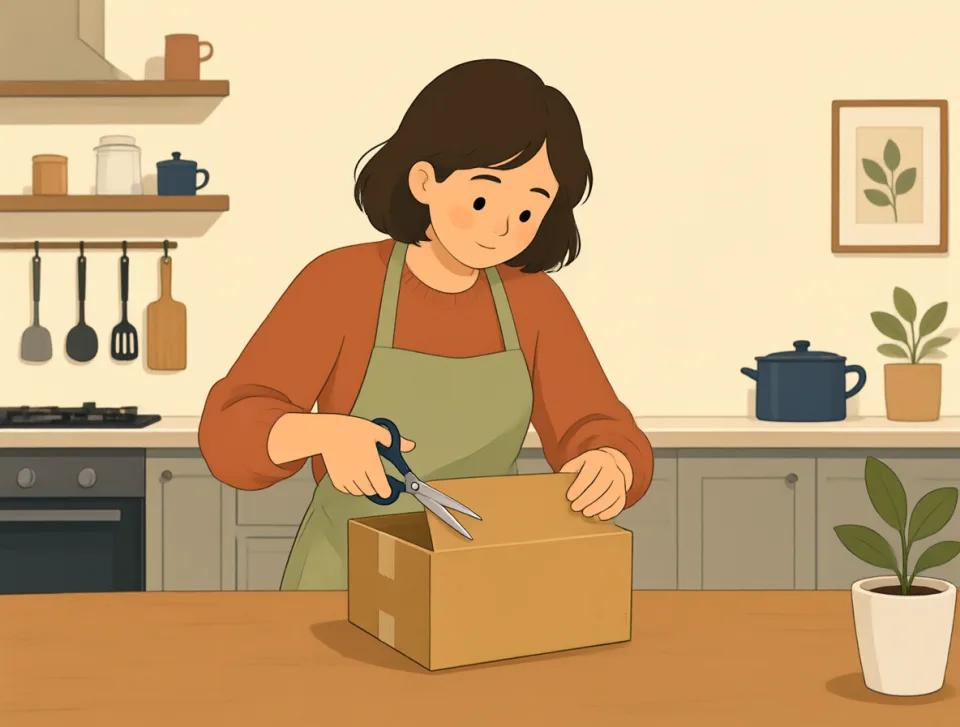
You need the right tool to open this package.
इस पैकेट को खोलने के लिए आपको सही औज़ार चाहिए।
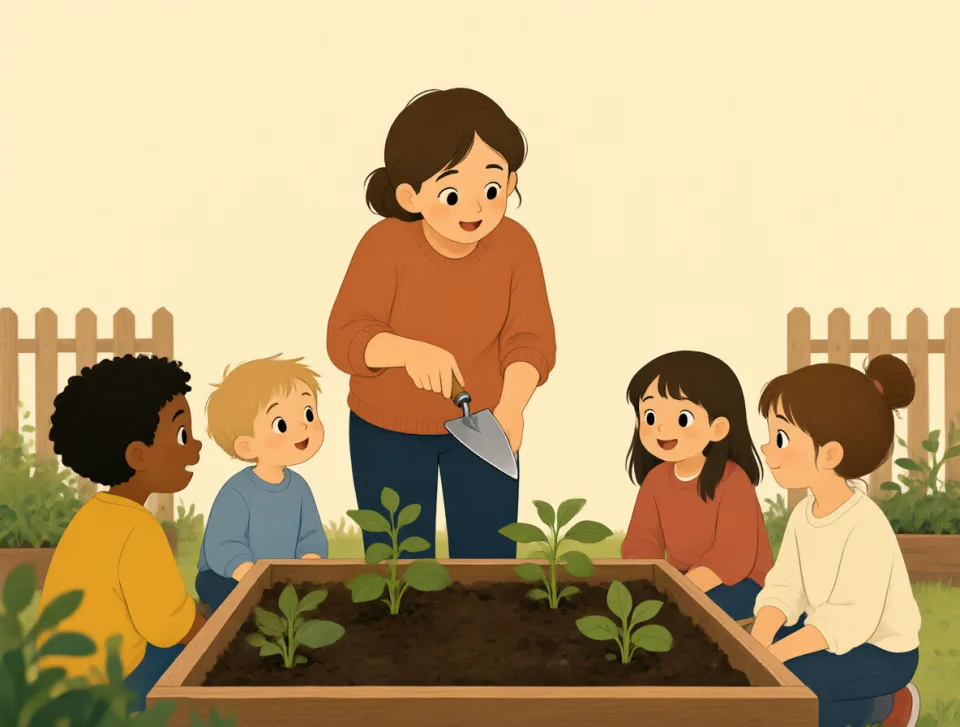
The teacher showed us how to use a simple gardening tool.
शिक्षक ने हमें दिखाया कि बागवानी का एक साधारण औज़ार कैसे इस्तेमाल करते हैं।
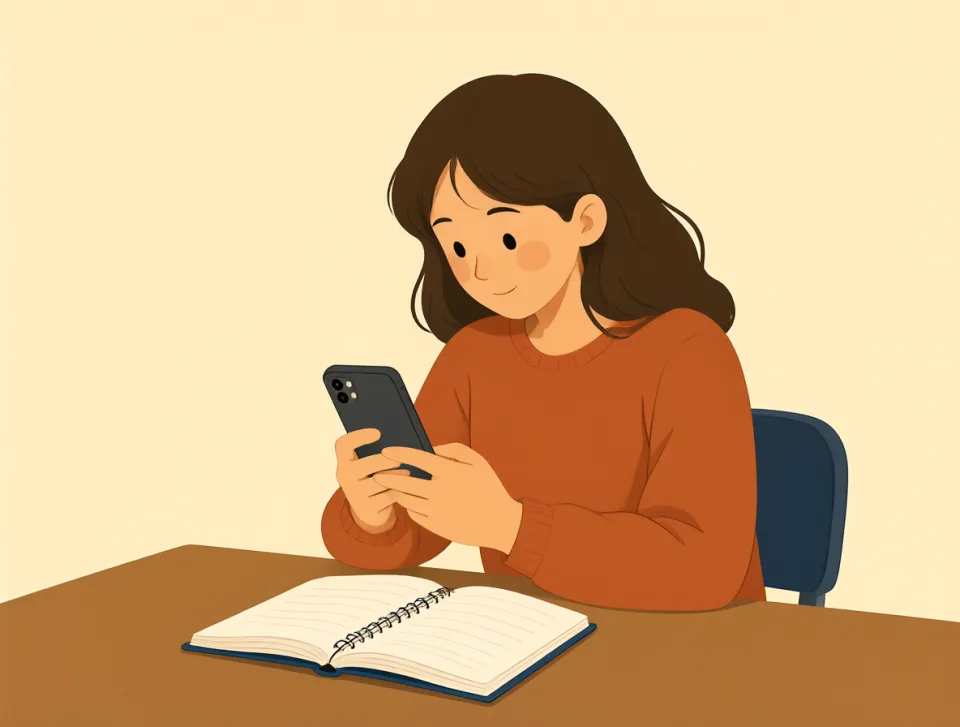
A smartphone can be a useful tool for learning English.
अंग्रेज़ी सीखने के लिए स्मार्टफ़ोन एक उपयोगी साधन हो सकता है।

consequence
#1228noun
परिणाम
a result of an action or event, especially a bad one
किसी काम या घटना का नतीजा, खासकर बुरा नतीजा।
Every action has consequences, so think before you speak.
हर काम का कोई न कोई नतीजा होता है, इसलिए बोलने से पहले सोचो।
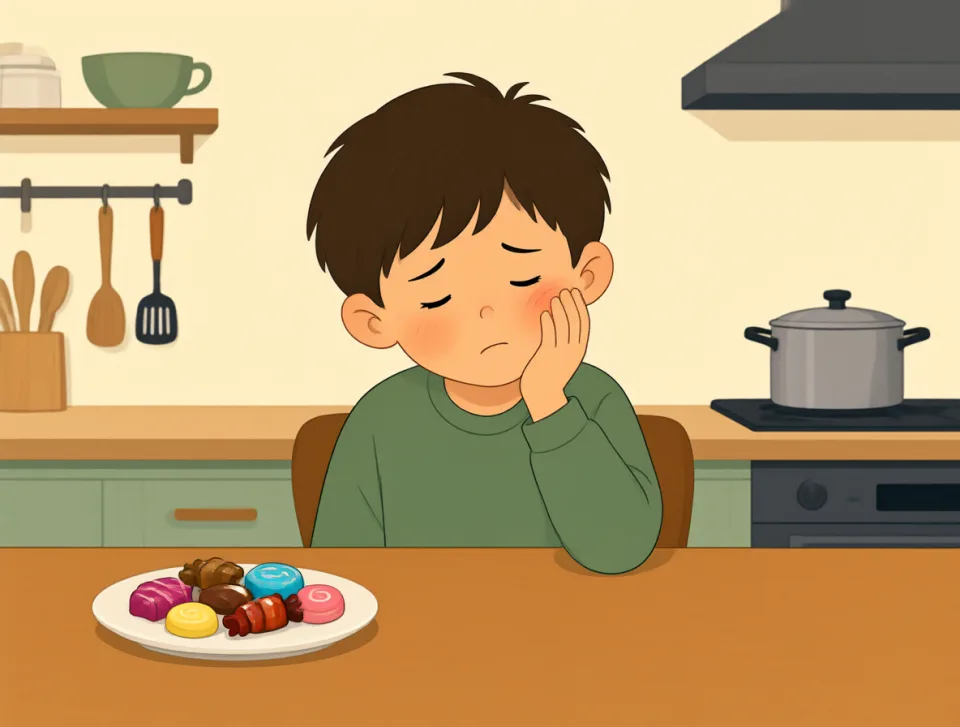
One consequence of eating too much sugar is tooth decay.
बहुत ज़्यादा चीनी खाने का एक नतीजा दाँतों में सड़न होना है।

Workers may face serious consequences for ignoring safety rules.
सुरक्षा नियमों की अनदेखी करने पर कर्मचारियों को गंभीर नतीजे भुगतने पड़ सकते हैं।

She missed the bus and, as a consequence, arrived late.
वह बस चूक गई और नतीजतन देर से पहुँची।
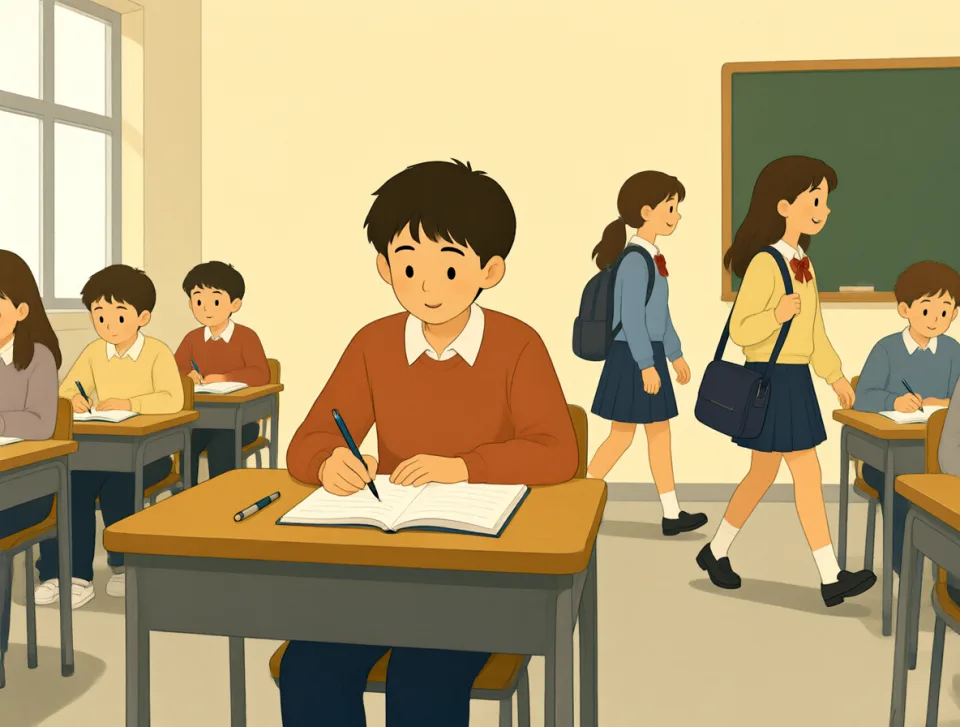
The consequence of forgetting your homework was staying after class.
गृहकार्य भूलने का नतीजा यह हुआ कि तुम्हें कक्षा के बाद रुकना पड़ा।

circumstance
#1229noun
परिस्थिति
the facts or conditions that affect a situation
किसी स्थिति को प्रभावित करने वाले तथ्य या हालात।
Under the circumstances, we decided to stay home tonight.
हालात को देखते हुए, हमने आज रात घर पर रहने का फ़ैसला किया।
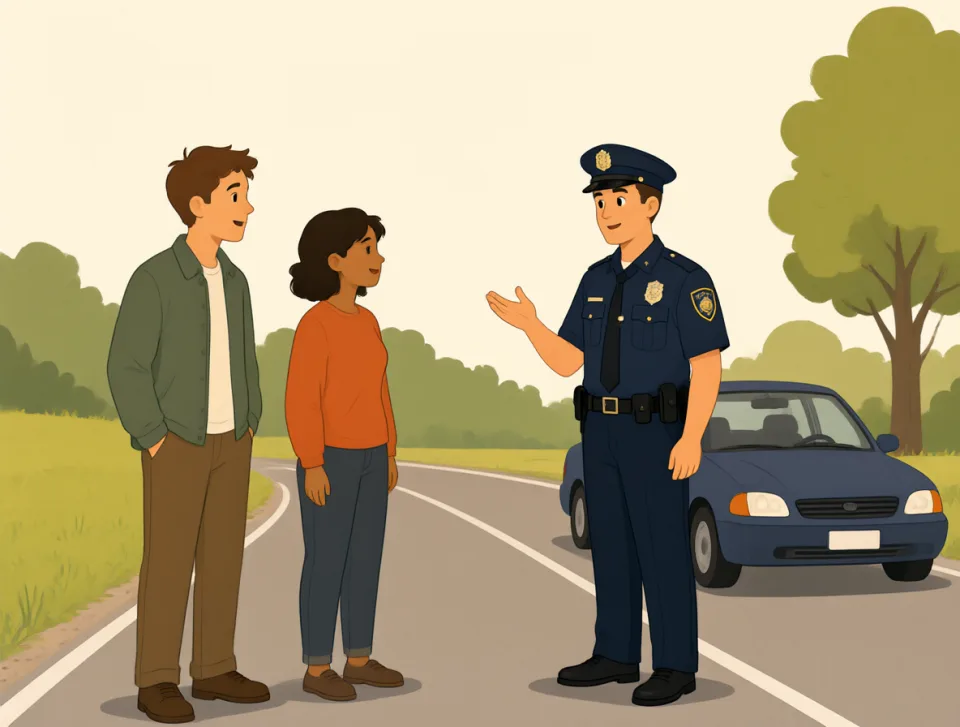
The circumstances of the accident are still unclear.
हादसे की परिस्थितियाँ अब भी साफ़ नहीं हैं।
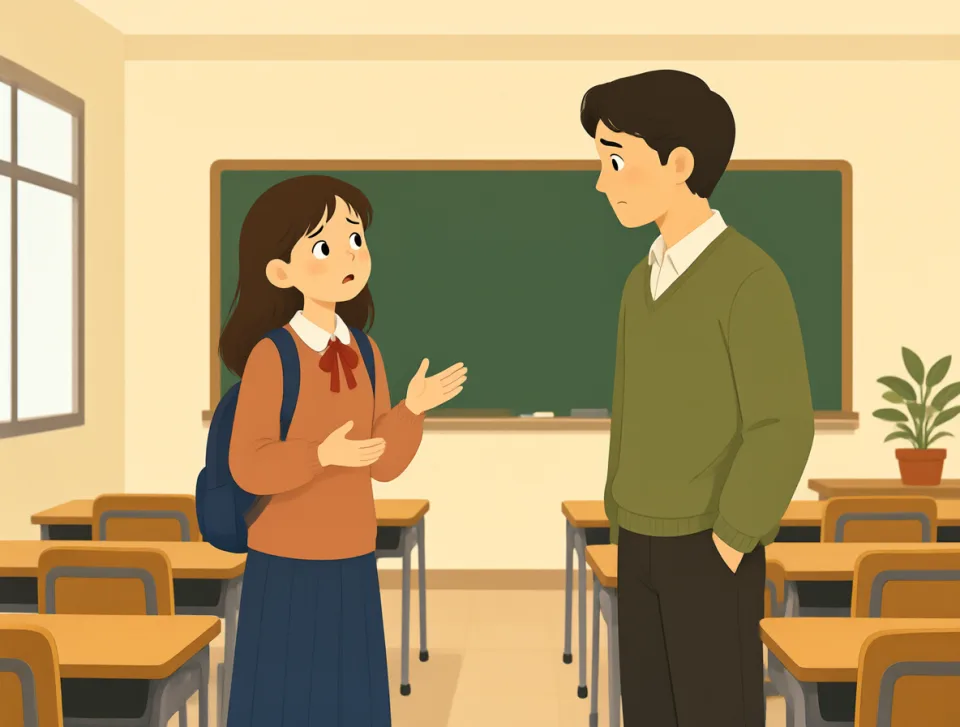
In these circumstances, asking for help is the best choice.
ऐसे हालात में मदद माँगना सबसे अच्छा विकल्प है।

He found himself in difficult circumstances after losing his job.
नौकरी छूटने के बाद वह मुश्किल हालात में पड़ गया।

The hotel changed our booking because of unexpected circumstances.
अचानक आई परिस्थितियों के कारण होटल ने हमारी बुकिंग बदल दी।
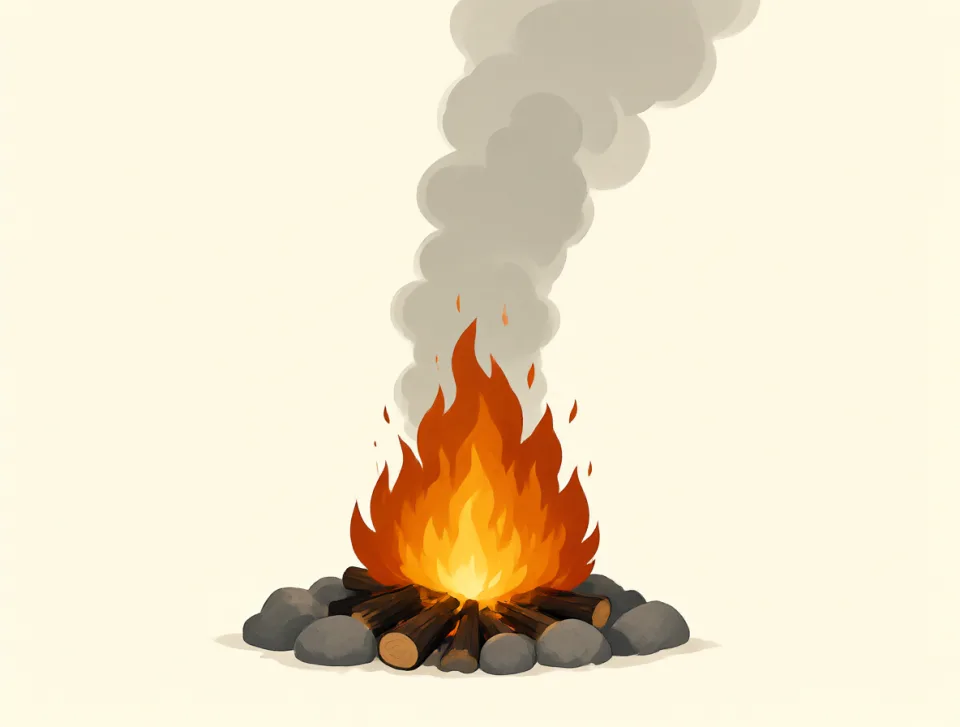
smoke
#1230noun, verb
धुआँ
The gray cloud from something burning, or to produce this cloud.
जलती हुई किसी चीज़ से उठने वाला धूसर बादल, या ऐसा धुआँ पैदा करना।
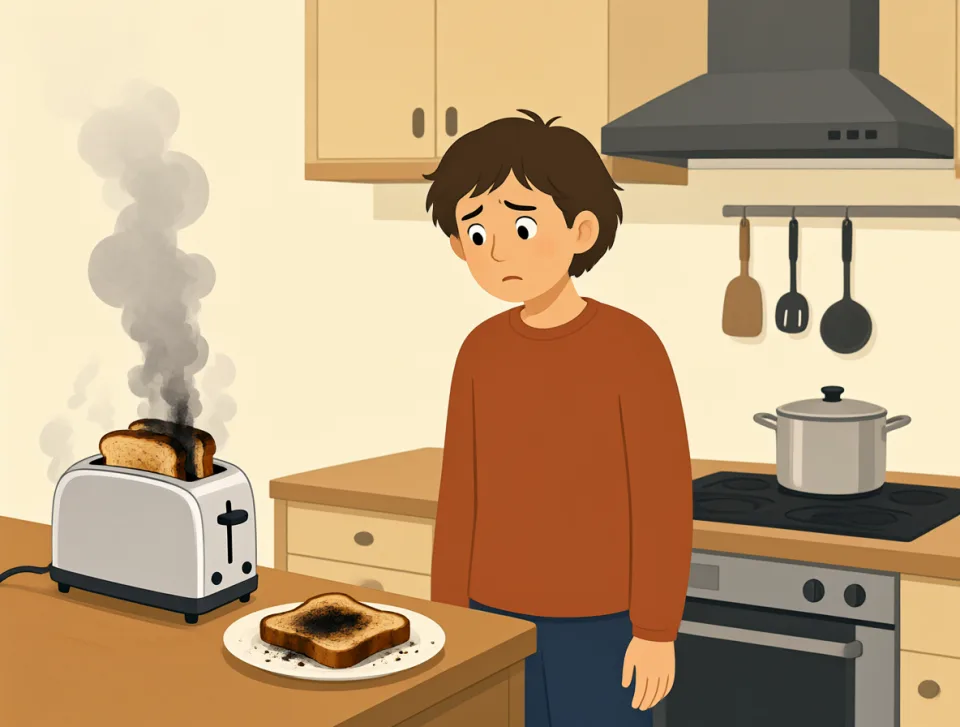
Smoke filled the kitchen when I burned the toast.
टोस्ट जल जाने पर रसोई धुएँ से भर गई।
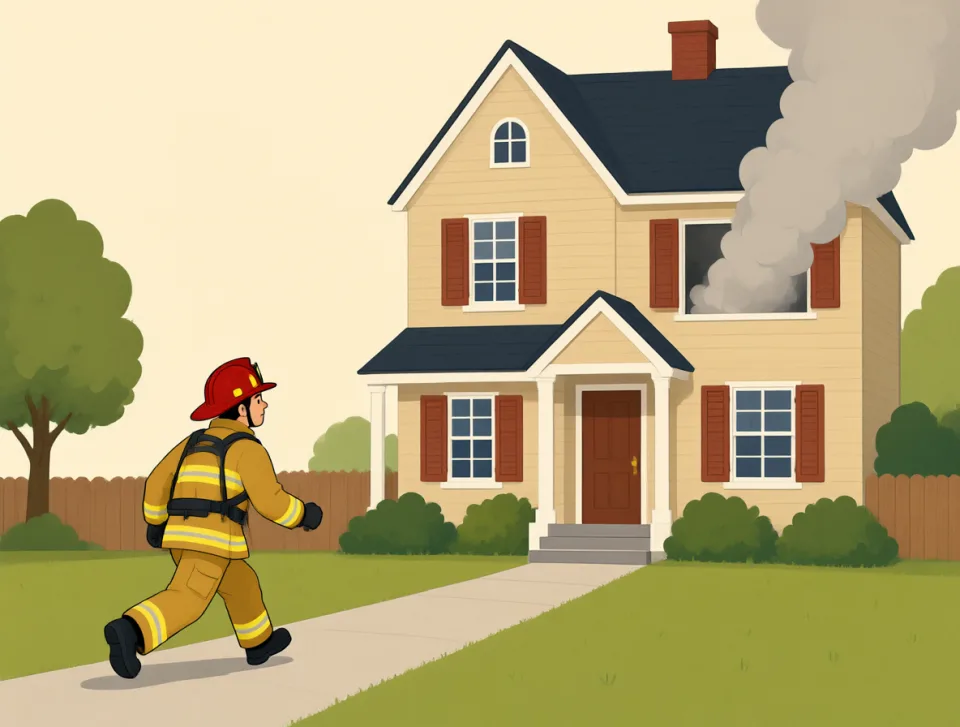
The firefighter ran toward the house through heavy smoke.
दमकलकर्मी घने धुएँ के बीच से घर की ओर दौड़ा।

Please do not smoke inside the restaurant.
कृपया रेस्तराँ के अंदर धूम्रपान न करें।
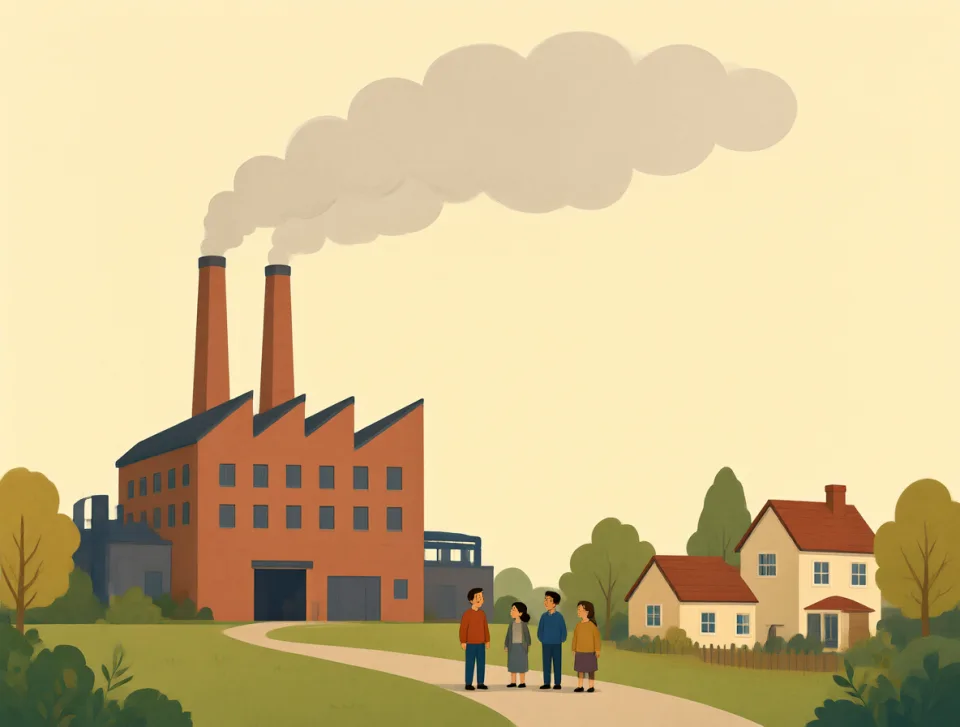
Smoke from the factory covered the town this morning.
आज सुबह कारखाने का धुआँ पूरे शहर पर छा गया।
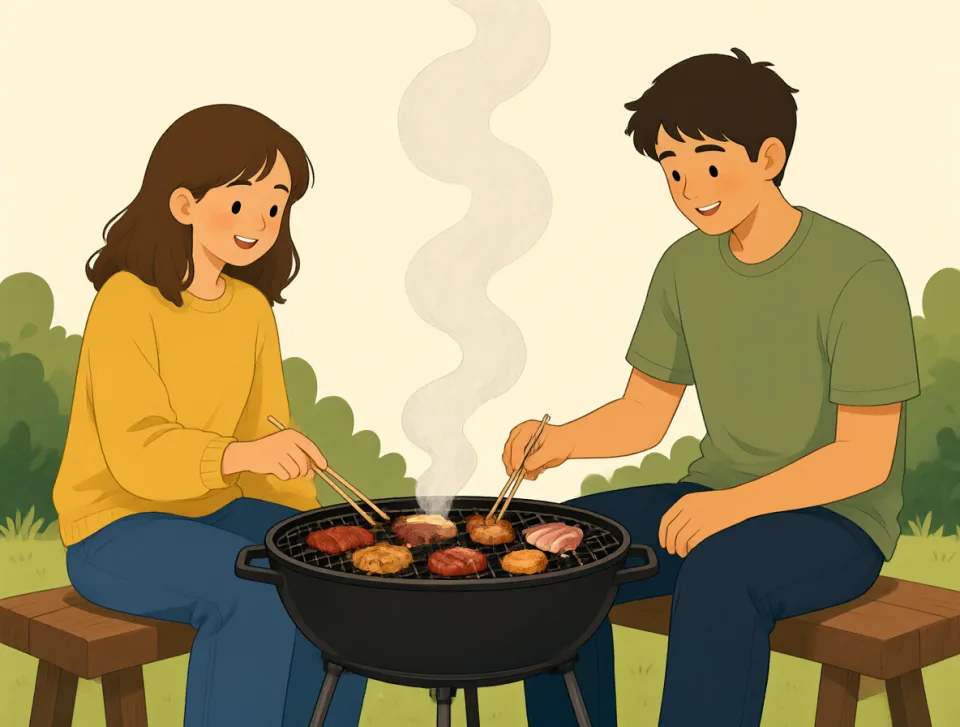
We sat outside and watched smoke rise from the barbecue.
हम बाहर बैठे और बारबेक्यू से उठते धुएँ को देखते रहे।

reaction
#1231noun
प्रतिक्रिया
A feeling or action caused by something that happens.
किसी घटना के कारण महसूस होने वाली भावना या की जाने वाली क्रिया।

Her reaction to the surprise party was pure happiness.
सरप्राइज़ पार्टी पर उसकी प्रतिक्रिया खुशी से भरपूर थी।

The manager had a calm reaction to the customer’s complaint.
ग्राहक की शिकायत पर मैनेजर ने शांत प्रतिक्रिया दी।
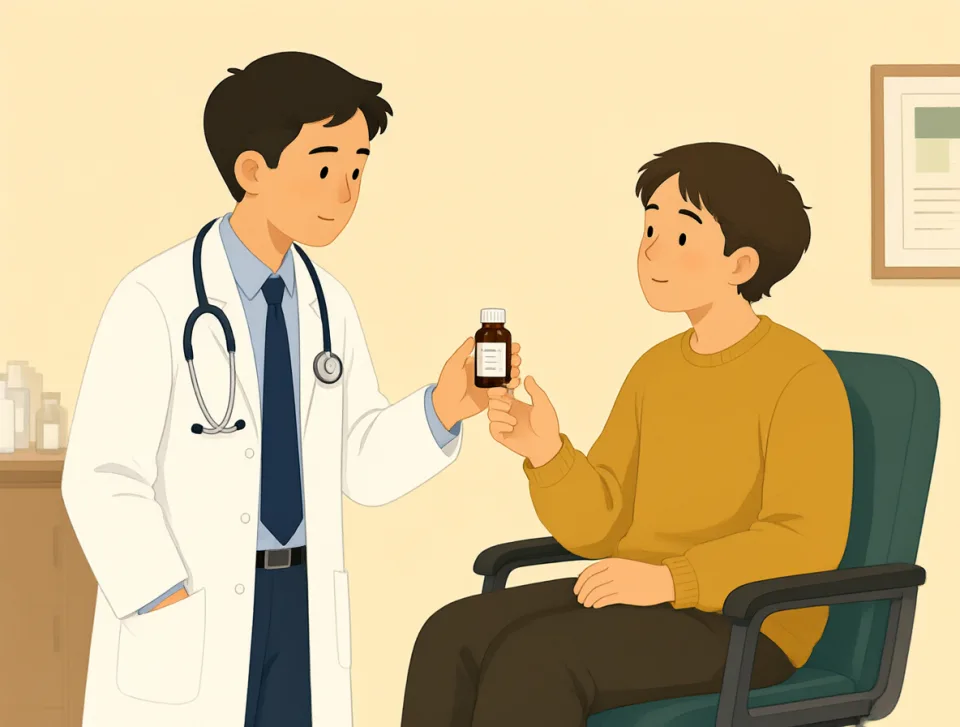
The doctor watched for any reaction after giving him the medicine.
दवा देने के बाद डॉक्टर ने देखा कि उसे कोई प्रतिक्रिया तो नहीं हुई।

The class laughed at Tom’s funny reaction during the science experiment.
विज्ञान के प्रयोग के दौरान टॉम की मज़ेदार प्रतिक्रिया पर पूरी कक्षा हँस पड़ी।

My skin had a bad reaction to the new soap.
नए साबुन से मेरी त्वचा पर बुरी प्रतिक्रिया हुई।
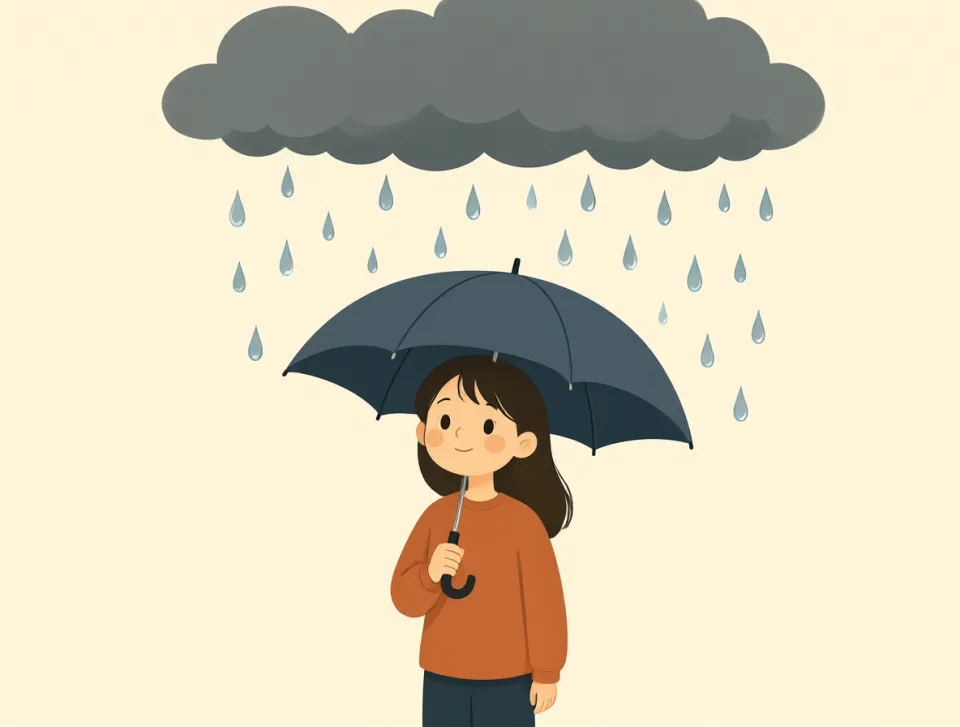
rain
#1232noun, verb
बारिश
Water that falls from clouds, or to fall from clouds as drops of water.
बादलों से गिरने वाला पानी, या बादलों से पानी की बूँदों के रूप में गिरना।
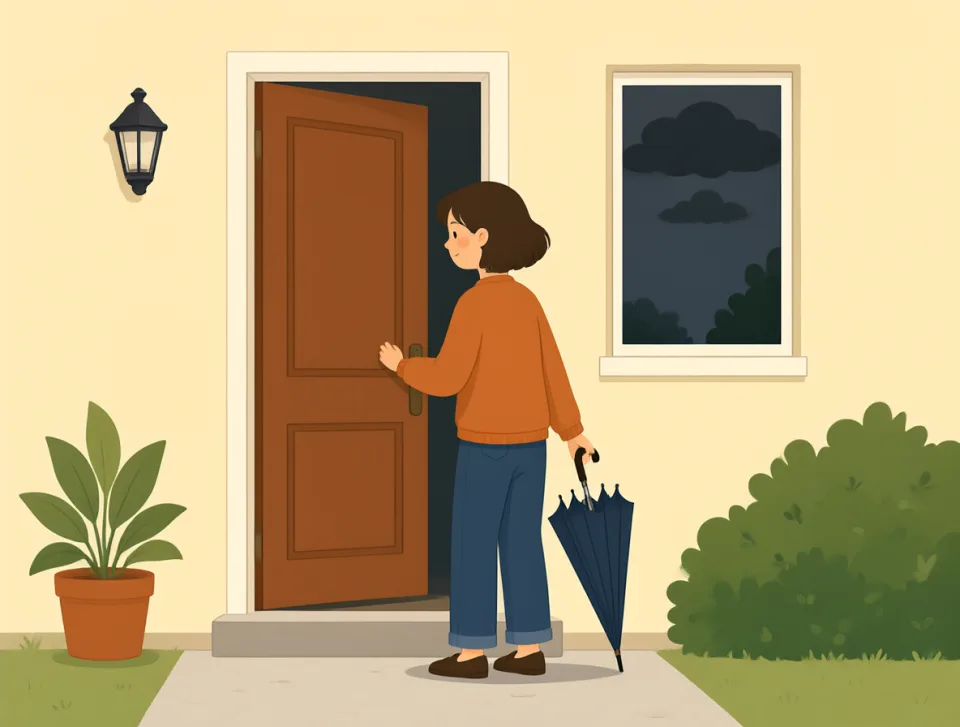
Take an umbrella because it may rain this afternoon.
छाता ले लो, क्योंकि आज दोपहर बारिश हो सकती है।

Heavy rain flooded the streets during our evening walk.
शाम की सैर के दौरान तेज़ बारिश से सड़कों पर पानी भर गया।
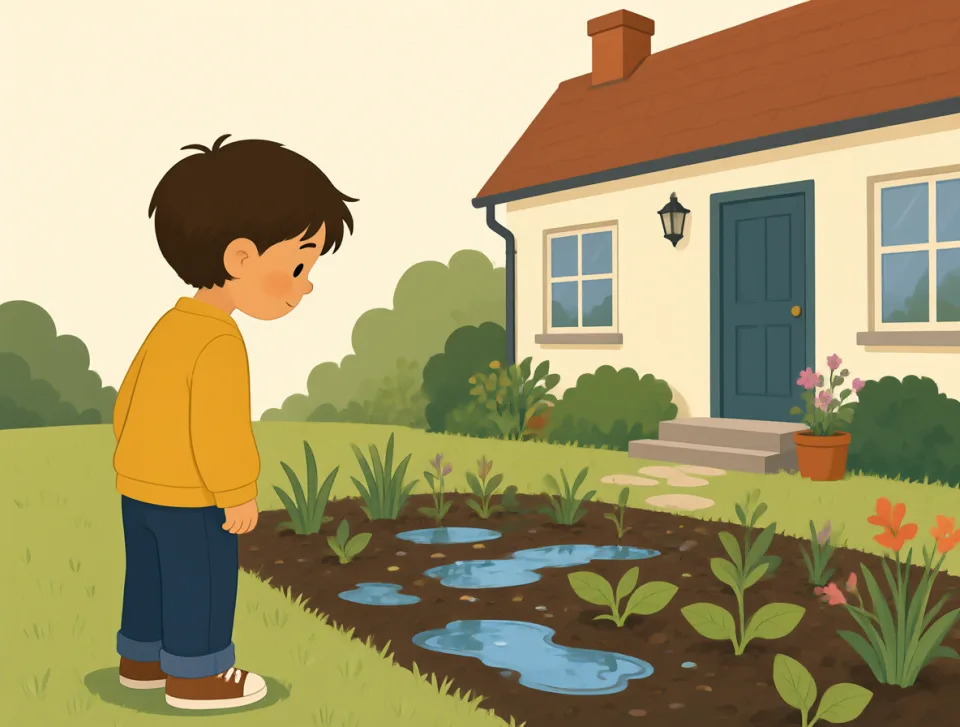
It rained all night, so the garden is very wet.
पूरी रात बारिश हुई, इसलिए बगीचा बहुत गीला है।

We stayed home and watched a film while it was raining.
बारिश के दौरान हम घर पर रहे और फ़िल्म देखी।
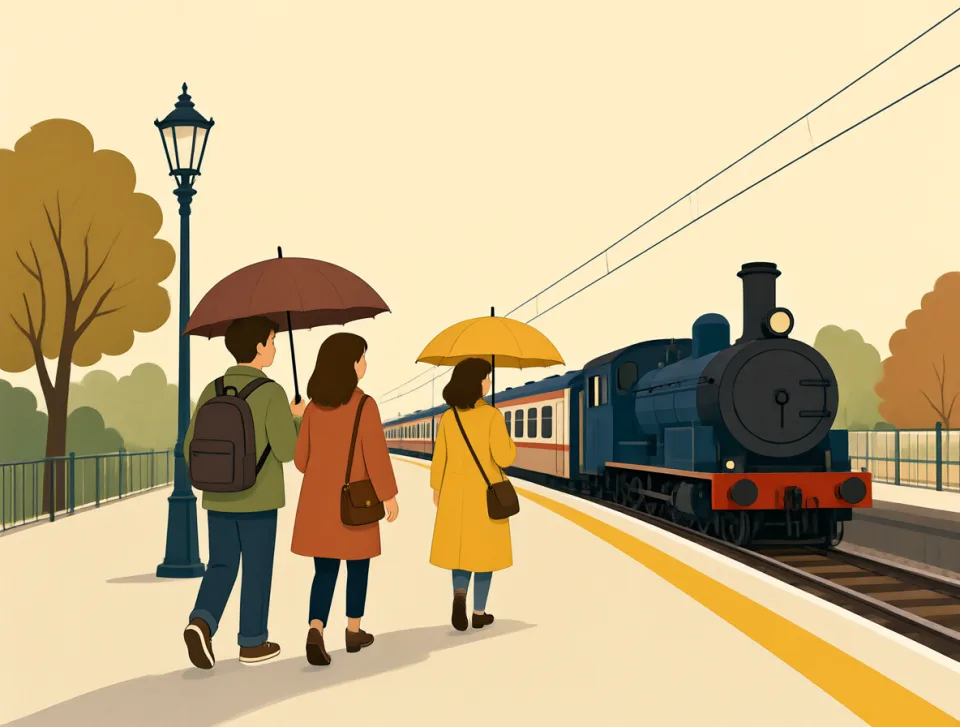
The rain stopped before our train left the station.
हमारी ट्रेन के स्टेशन से रवाना होने से पहले बारिश रुक गई।

busy
#1233adjective
व्यस्त
Having a lot to do or many people using your time.
जिसके पास करने के लिए बहुत काम हो या जिसका समय बहुत से लोग ले रहे हों।

I am busy with homework this evening.
आज शाम मैं गृहकार्य में व्यस्त हूँ।

The restaurant is always busy on Friday nights.
शुक्रवार की रातों में रेस्तराँ में हमेशा बहुत भीड़ रहती है।

She has a busy day at work tomorrow.
कल काम पर उसका दिन बहुत व्यस्त रहेगा।
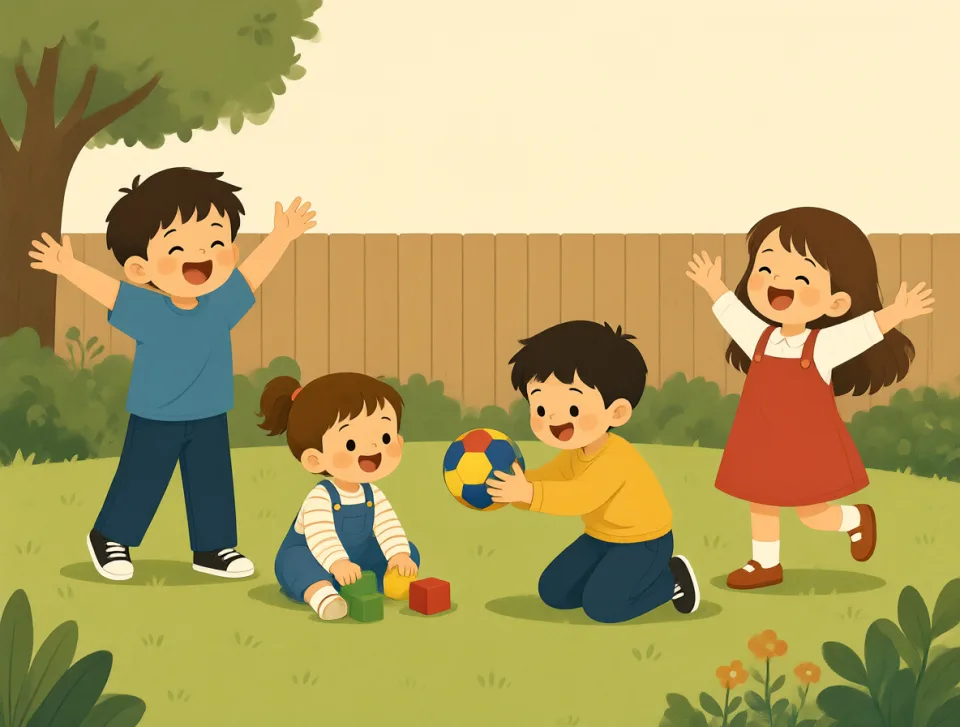
The children are busy playing in the garden.
बच्चे बगीचे में खेलने में मग्न हैं।
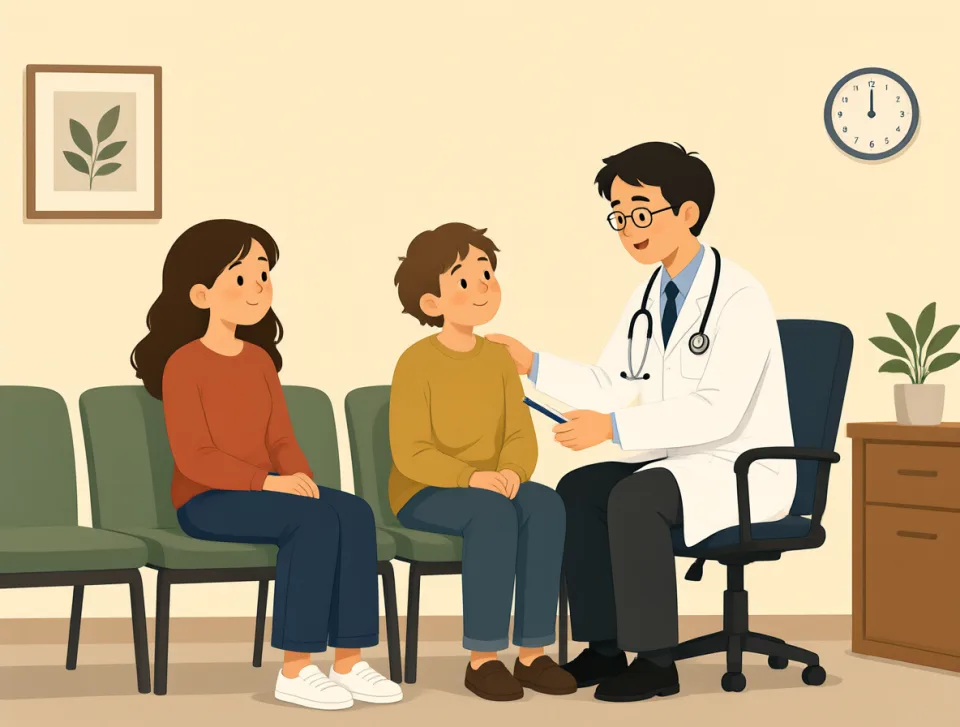
The doctor is busy, so please wait here.
डॉक्टर अभी व्यस्त हैं, इसलिए कृपया यहाँ इंतज़ार करें।
lesson
#1234noun
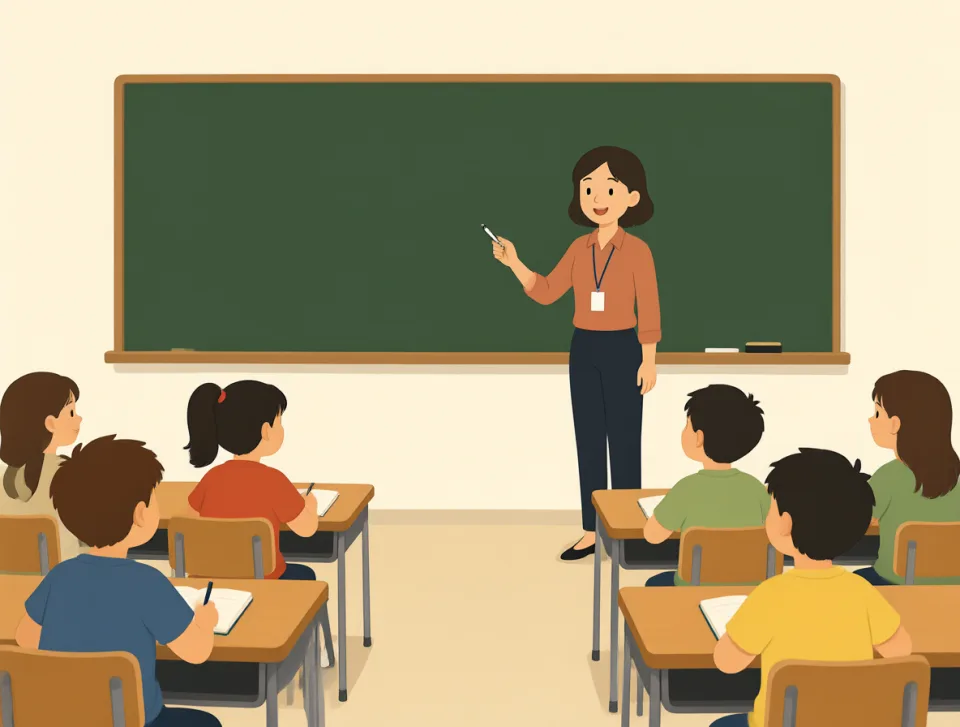
पाठ
A period of learning or teaching about a particular subject or skill.
किसी खास विषय या कौशल को सीखने या सिखाने के लिए निर्धारित समय।
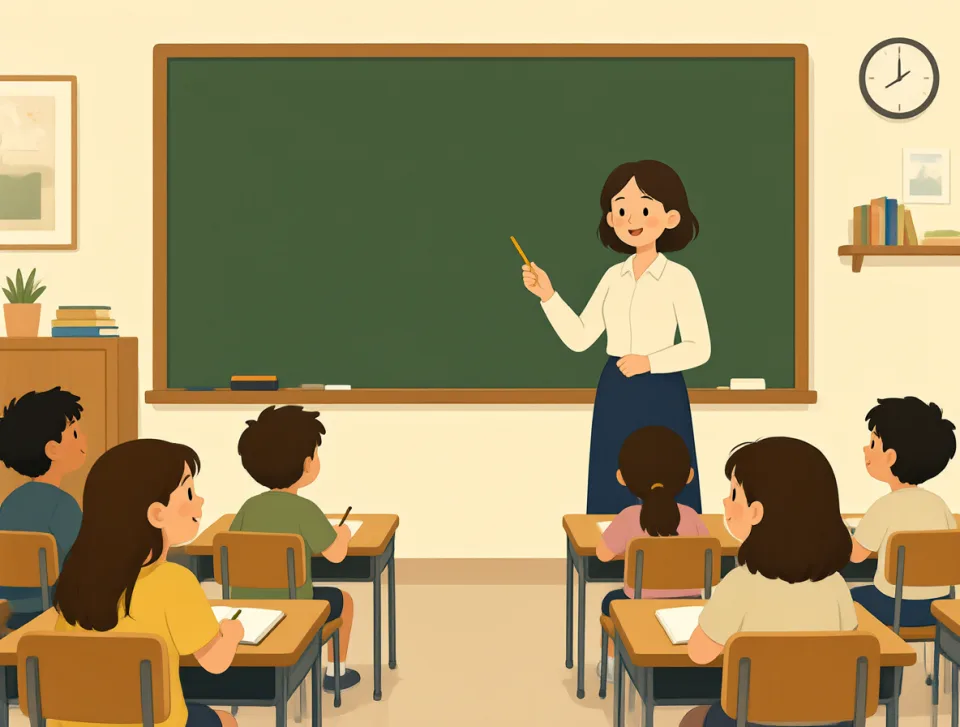
Our English lesson starts at nine o'clock every morning.
हमारा अंग्रेज़ी का पाठ हर सुबह नौ बजे शुरू होता है।
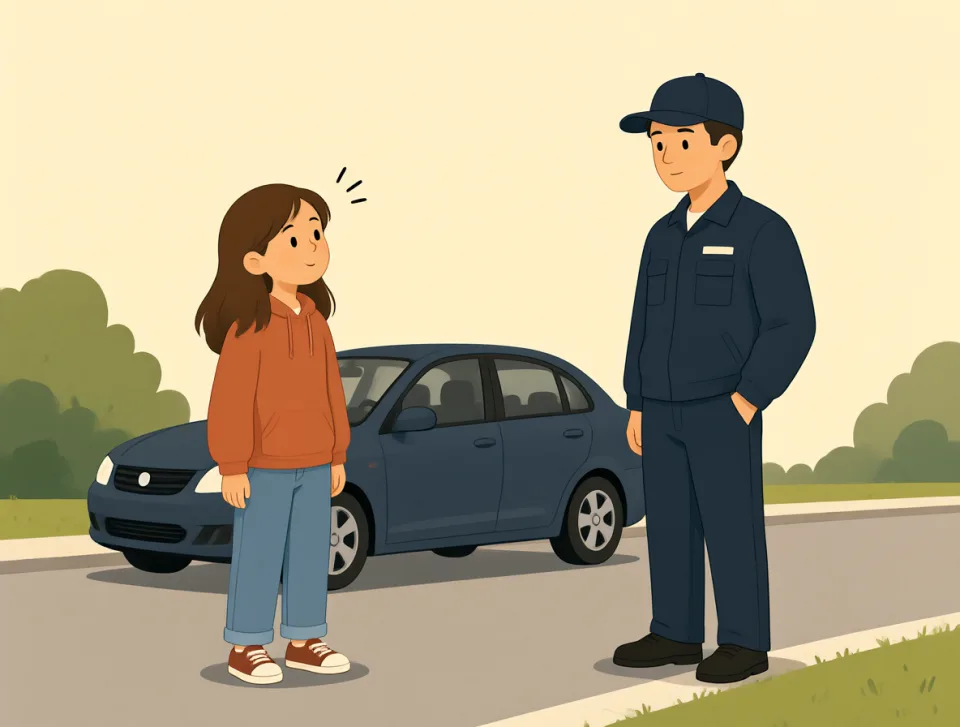
I learned an important lesson from my driving mistake.
गाड़ी चलाने में हुई अपनी गलती से मैंने एक अहम सबक सीखा।
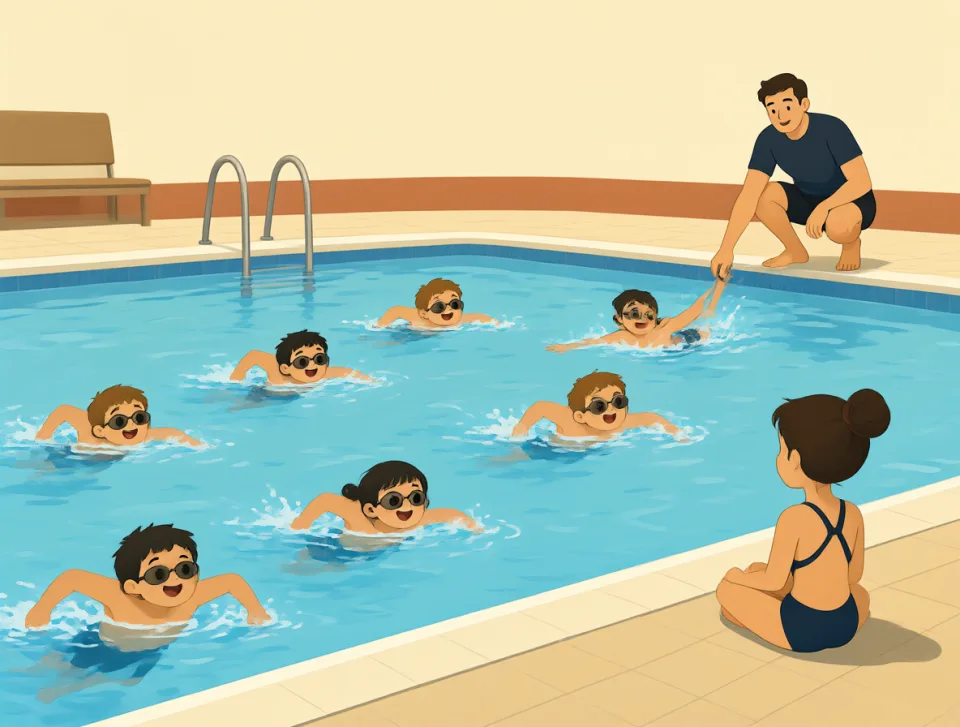
The children had a swimming lesson at the sports center.
बच्चों ने खेल केंद्र में तैराकी का पाठ लिया।
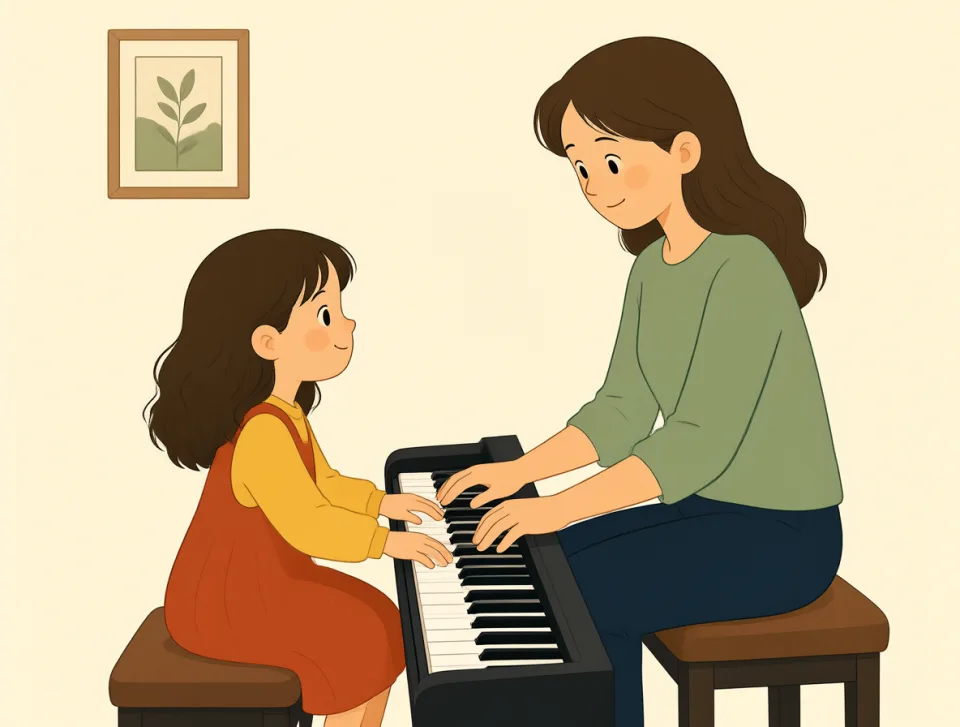
She is taking piano lessons after school this year.
वह इस साल स्कूल के बाद पियानो सीख रही है।

The doctor taught me a lesson about eating too much sugar.
डॉक्टर ने मुझे बहुत ज़्यादा चीनी खाने के बारे में एक सबक सिखाया।
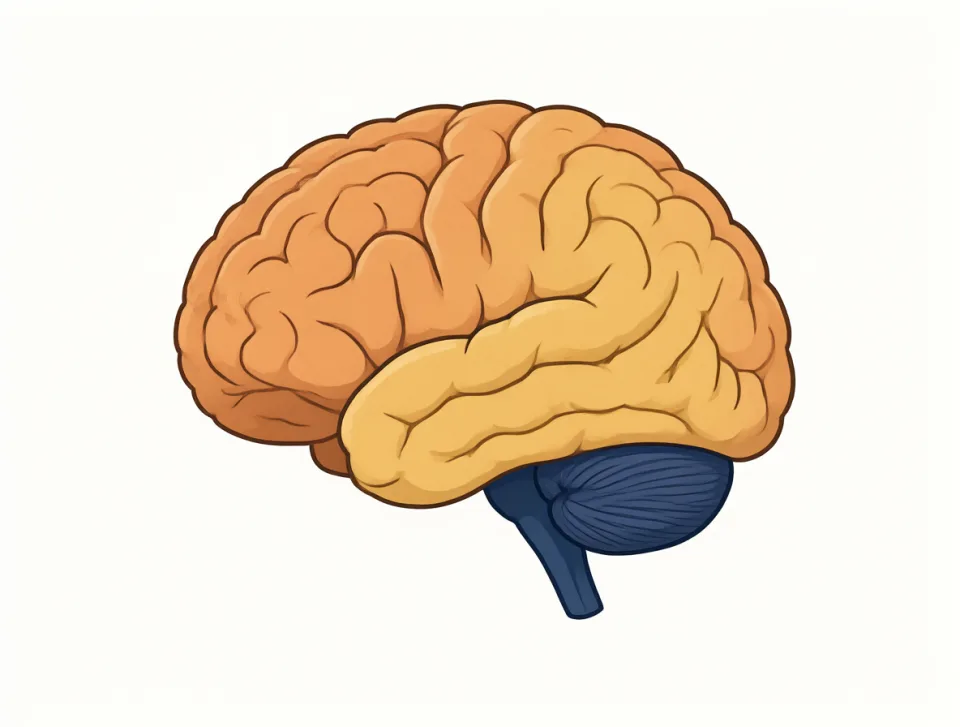
brain
#1235noun
दिमाग
The organ inside your head that controls your thoughts, feelings, and body.
सिर के अंदर का वह अंग जो आपके विचारों, भावनाओं और शरीर को नियंत्रित करता है।
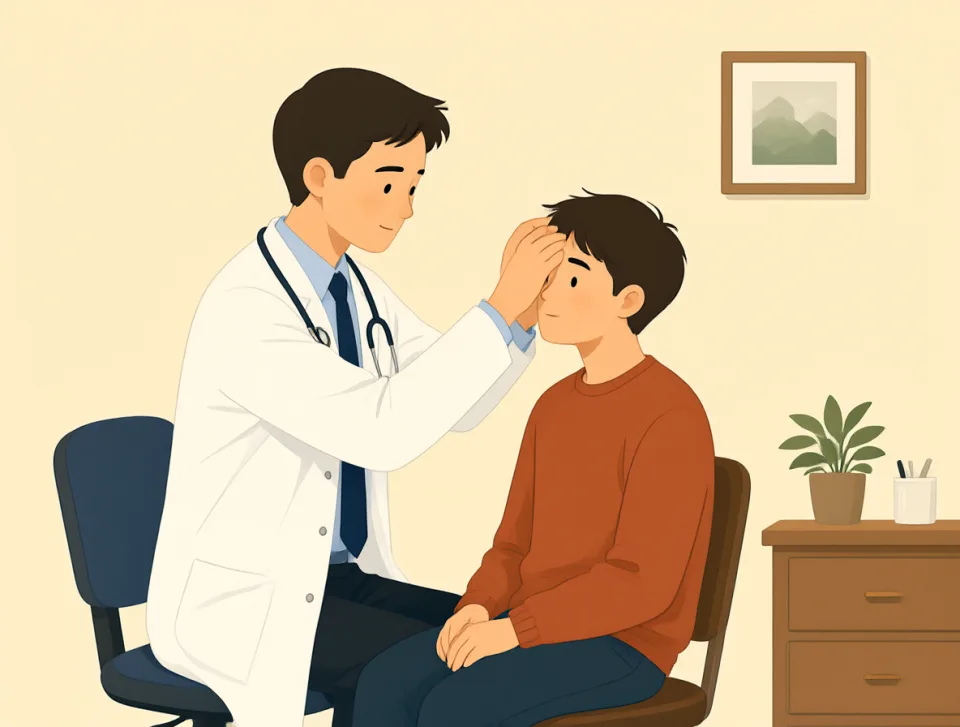
The doctor checked my brain after I hit my head.
सिर पर चोट लगने के बाद डॉक्टर ने मेरे दिमाग की जाँच की।
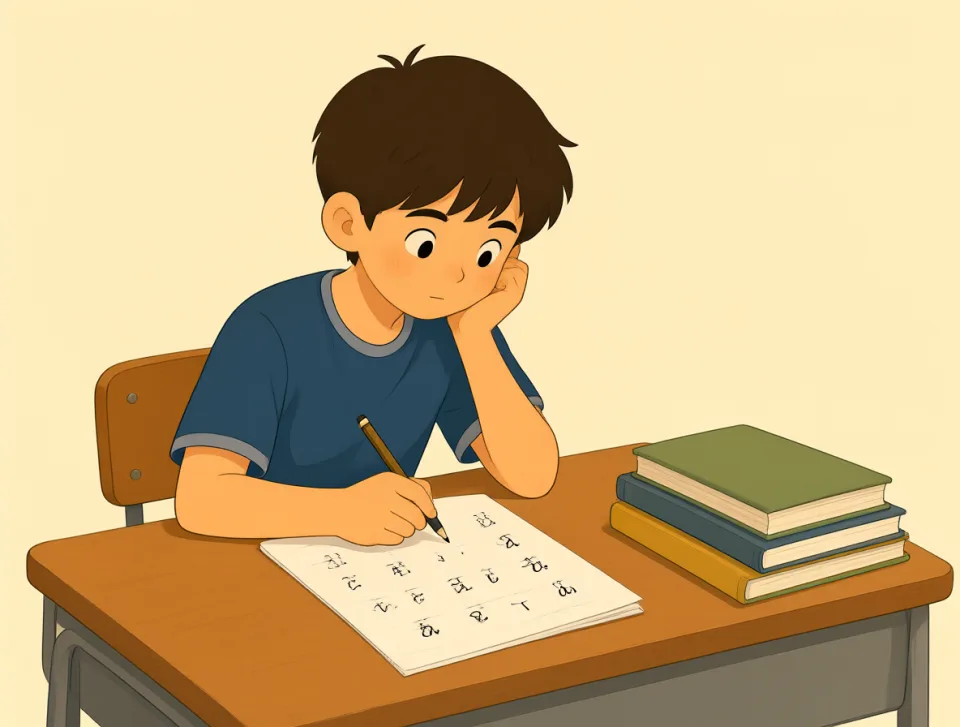
I use my brain to solve difficult math problems.
मुश्किल गणित के सवाल हल करने के लिए मैं अपने दिमाग का इस्तेमाल करता हूँ।

A good night's sleep helps your brain work better.
अच्छी नींद से आपका दिमाग बेहतर ढंग से काम करता है।
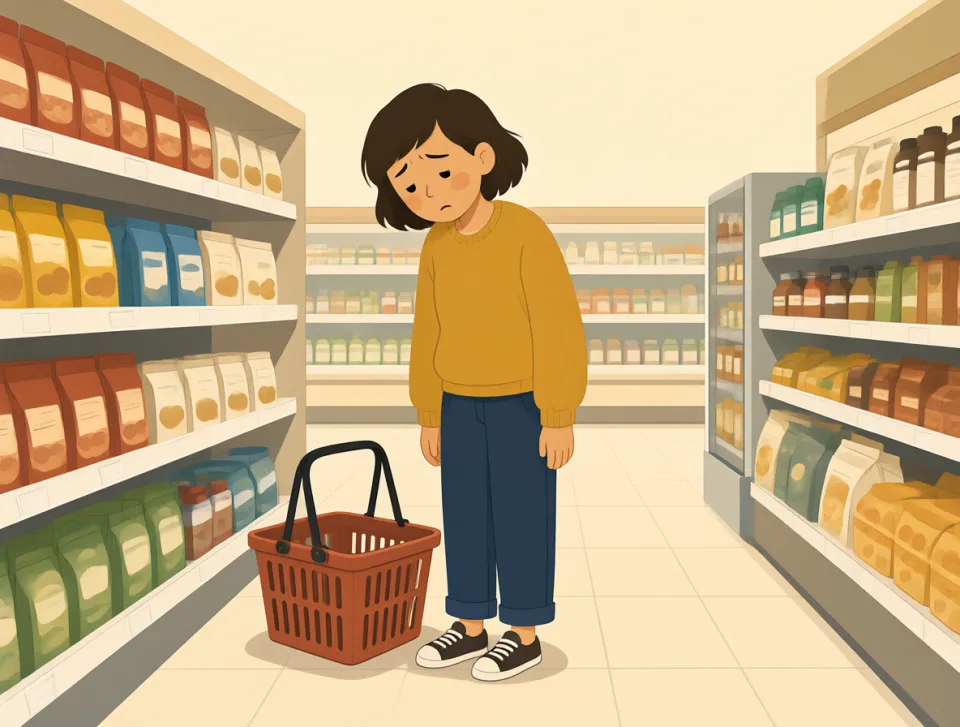
My brain was too tired to remember the shopping list.
मेरा दिमाग इतना थक गया था कि मुझे खरीदारी की सूची याद नहीं रही।

Learning a new language keeps your brain active.
नई भाषा सीखने से आपका दिमाग सक्रिय रहता है।
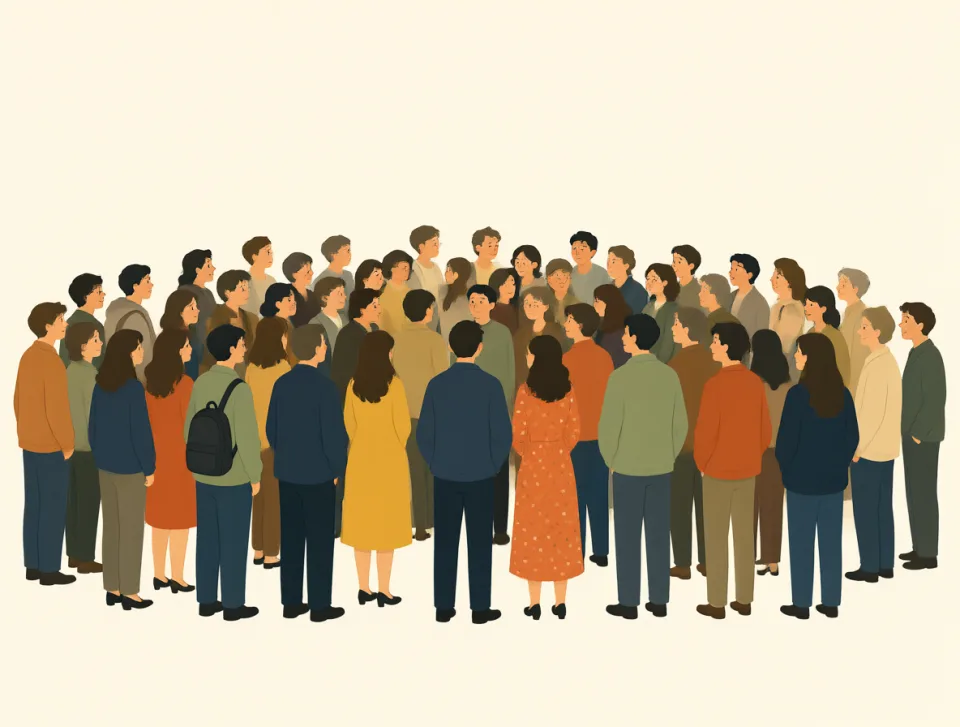
mass
#1236noun, verb, adjective
बड़ी संख्या; समूह
a large amount or group of people or things; to join together in a large group
लोगों या चीज़ों की बड़ी संख्या या समूह; बड़ी संख्या में एक साथ इकट्ठा होना

A mass of people waited outside the concert hall.
कॉन्सर्ट हॉल के बाहर लोगों की भारी भीड़ इंतज़ार कर रही थी।

The snow fell in thick masses during the storm.
तूफ़ान के दौरान घनी बर्फ़ के बड़े-बड़े गुच्छे गिरते रहे।

Mass production makes these shoes cheaper to buy.
बड़े पैमाने पर उत्पादन से ये जूते खरीदना सस्ता हो जाता है।
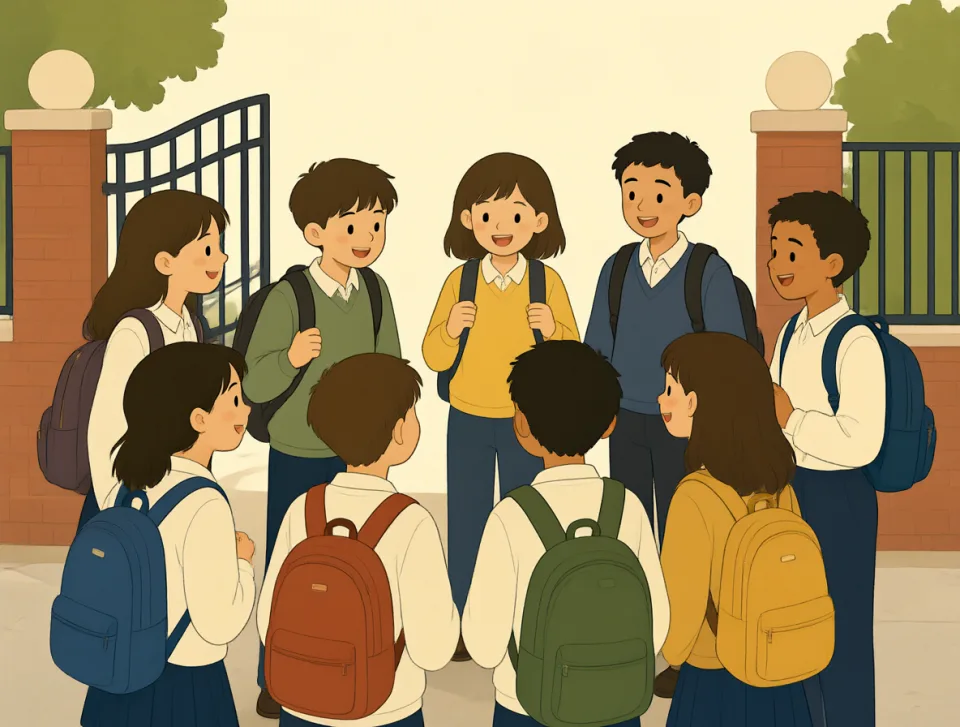
The students massed near the school gate after class.
कक्षा के बाद छात्र स्कूल के गेट के पास इकट्ठा हो गए।
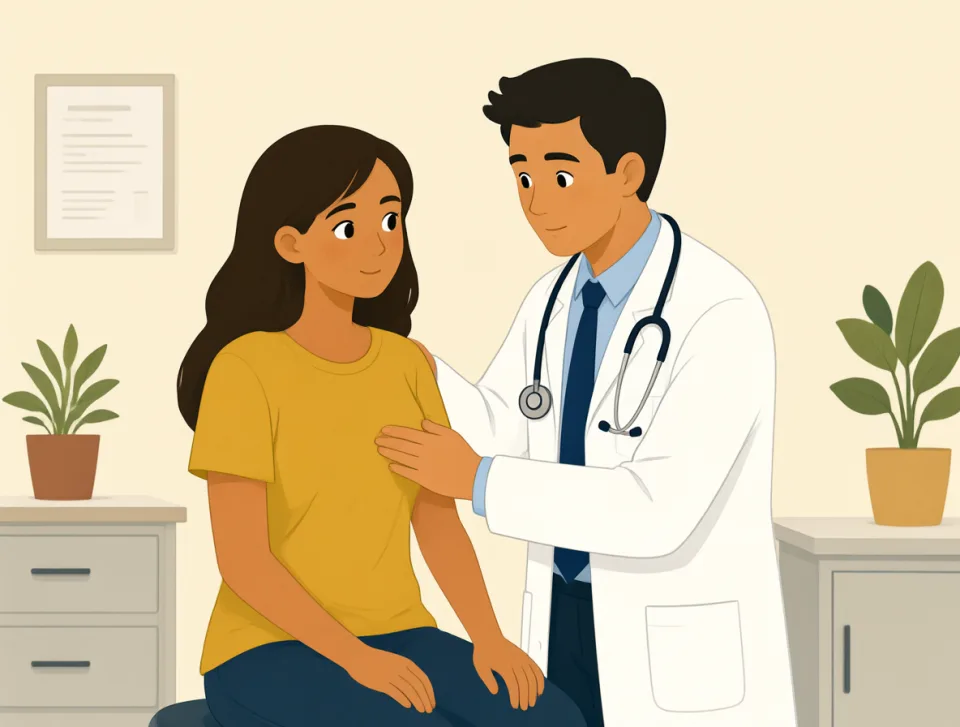
The doctor found a small mass in her breast.
डॉक्टर को उसके स्तन में एक छोटी-सी गाँठ मिली।

funny
#1237adjective
मज़ेदार
Amusing or making you laugh; sometimes strange or unusual.
हँसी दिलाने वाला या मनोरंजक; कभी-कभी अजीब या असामान्य।
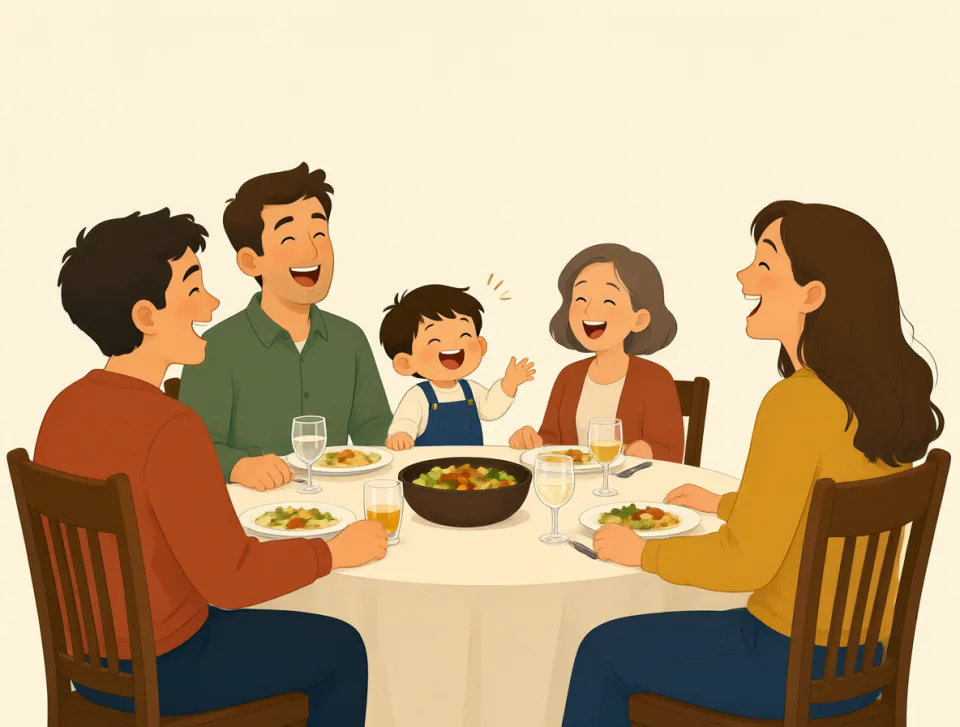
He told a funny joke at dinner, and everyone laughed.
रात के खाने पर उसने एक मज़ेदार चुटकुला सुनाया और सब हँस पड़े।

That funny movie made us laugh all evening.
उस मज़ेदार फ़िल्म ने हमें पूरी शाम हँसाया।
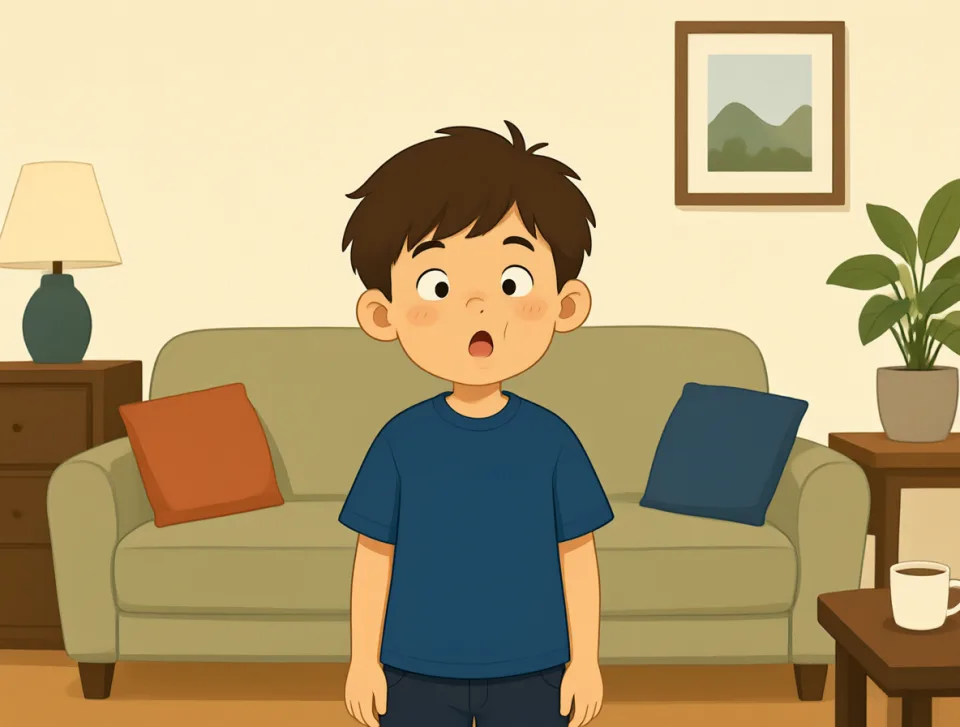
My little brother makes funny faces when he is bored.
मेरा छोटा भाई ऊबने पर मज़ेदार चेहरे बनाता है।

She wore a funny hat to the party.
वह पार्टी में एक अजीब-सी टोपी पहनकर आई।
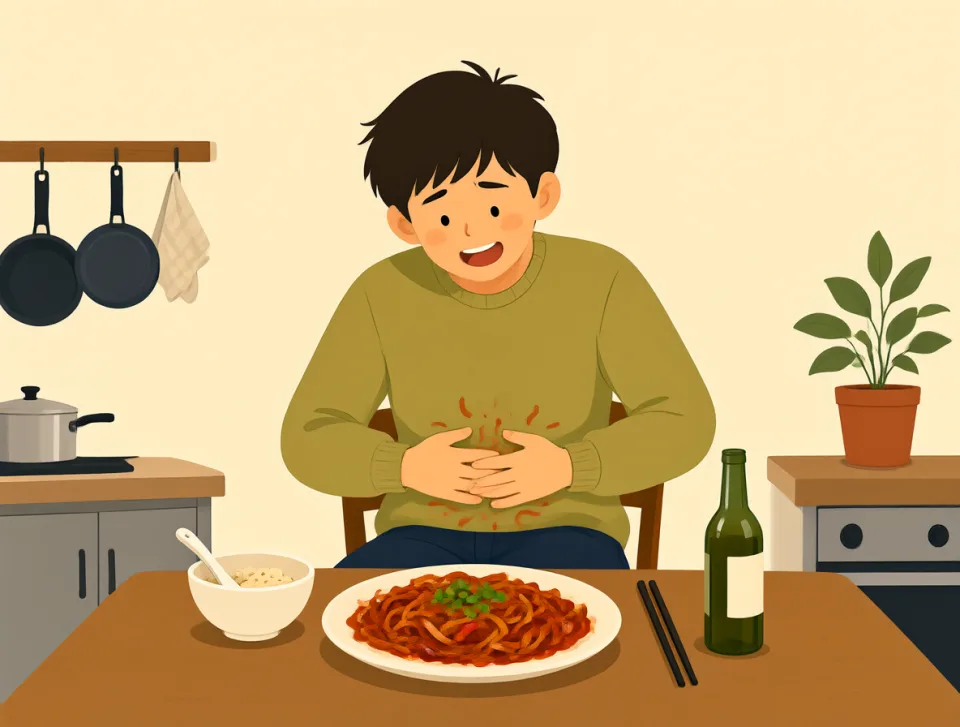
I felt funny after eating too much spicy food.
बहुत ज़्यादा तीखा खाना खाने के बाद मुझे अजीब-सा लगा।
contribute
#1238verb
योगदान देना
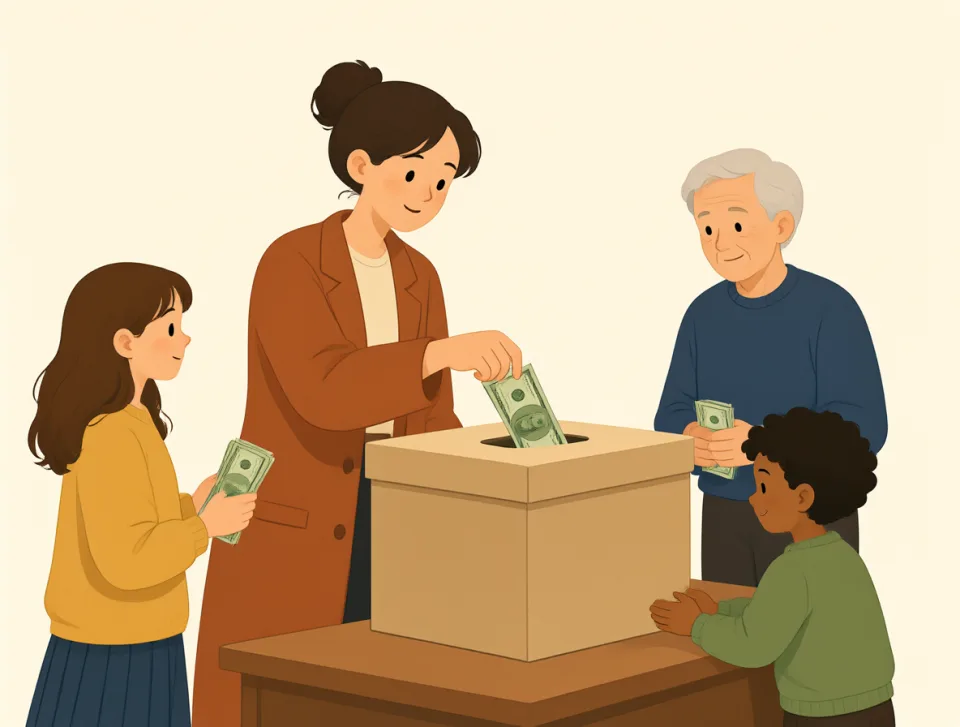
to give something, such as time, money, or ideas, to help achieve something
किसी काम को पूरा करने में मदद के लिए समय, पैसा या विचार जैसी कोई चीज़ देना
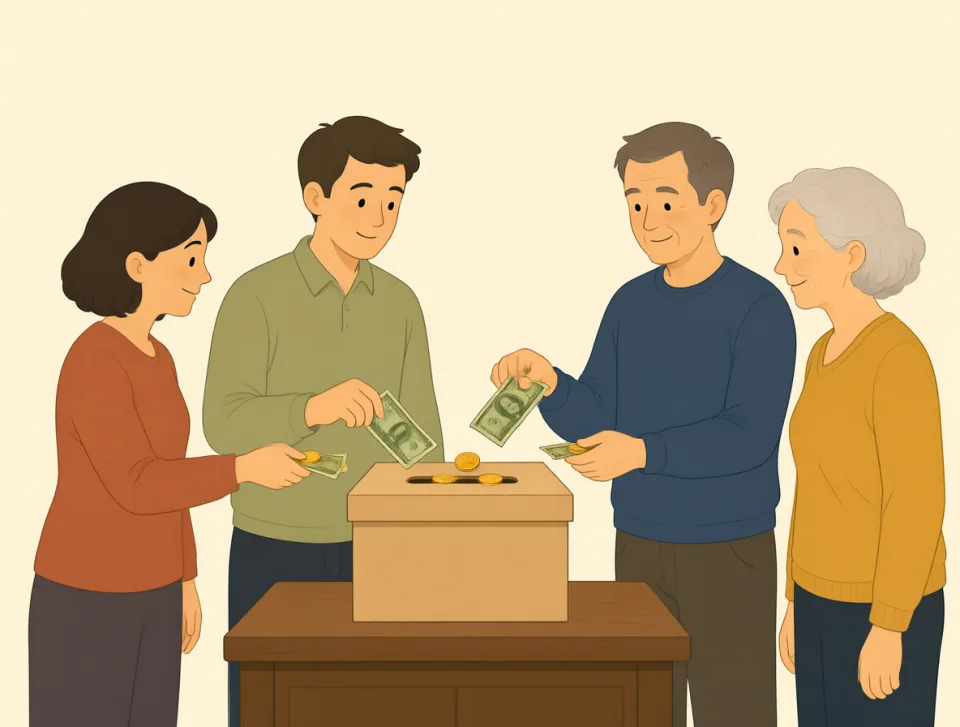
Many people contributed money to help the family.
परिवार की मदद के लिए बहुत से लोगों ने पैसे दिए।

Everyone contributed ideas during the team meeting.
टीम की बैठक में सबने अपने विचार दिए।
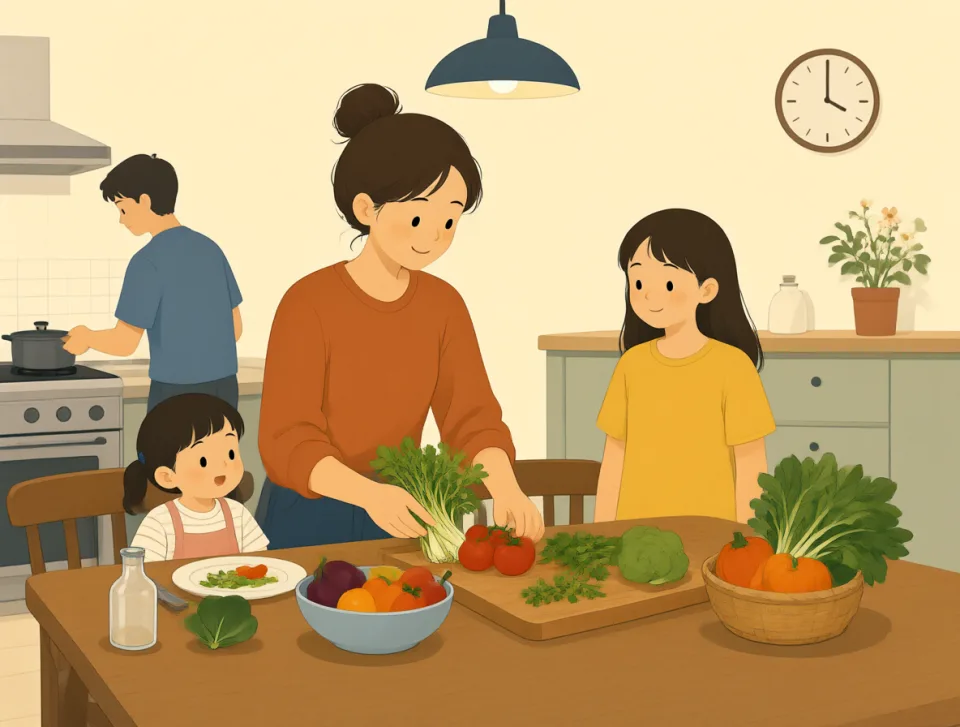
She contributes fresh vegetables to our family meals.
वह हमारे पारिवारिक भोजन के लिए ताज़ी सब्ज़ियाँ देती है।
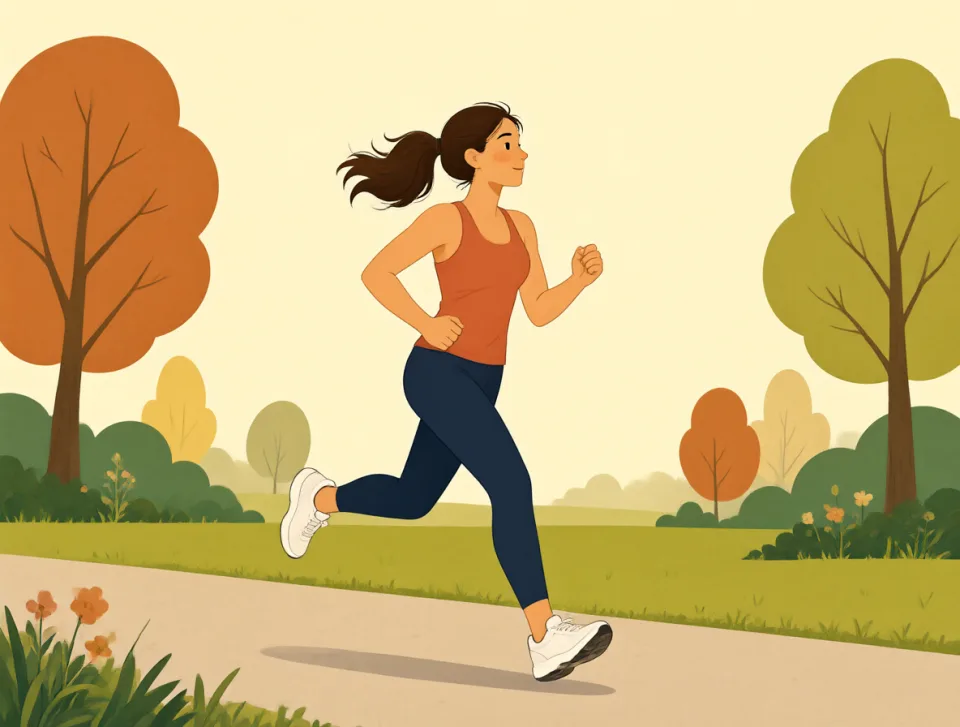
Regular exercise contributes to better health.
नियमित व्यायाम बेहतर स्वास्थ्य में मदद करता है।

The warm weather contributed to a successful beach trip.
गर्म मौसम ने समुद्र तट की हमारी सैर को सफल बनाने में मदद की।
failure
#1239noun
असफलता
a lack of success, or a person or thing that does not succeed
सफलता न मिलना, या ऐसा व्यक्ति या चीज़ जो सफल न हो
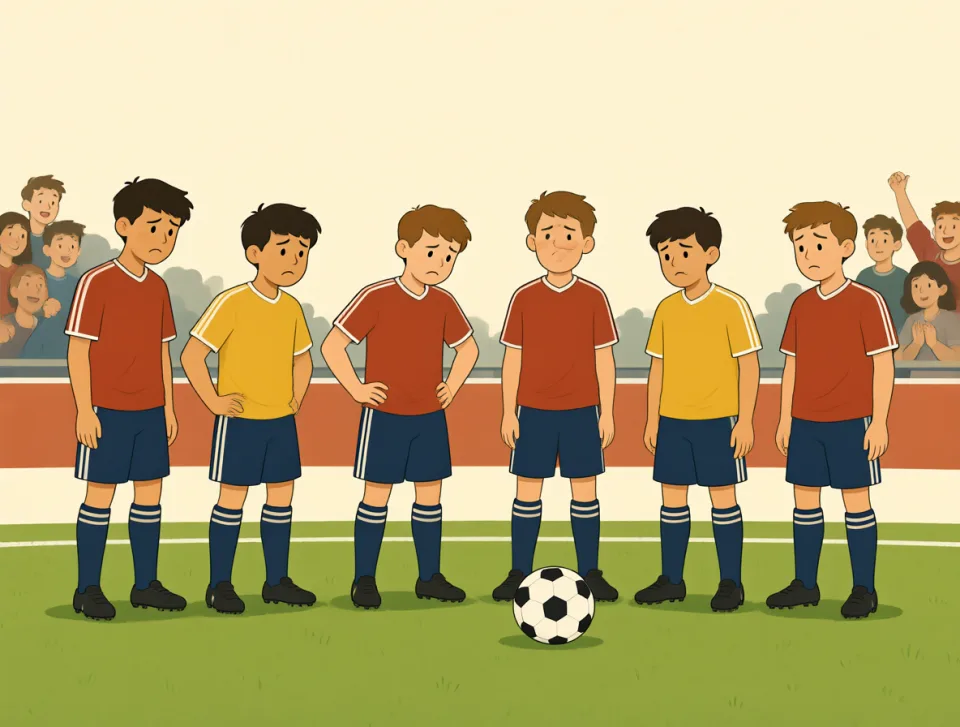
The team's failure to win the game disappointed all the fans.
टीम के खेल न जीत पाने से सभी प्रशंसक निराश हो गए।
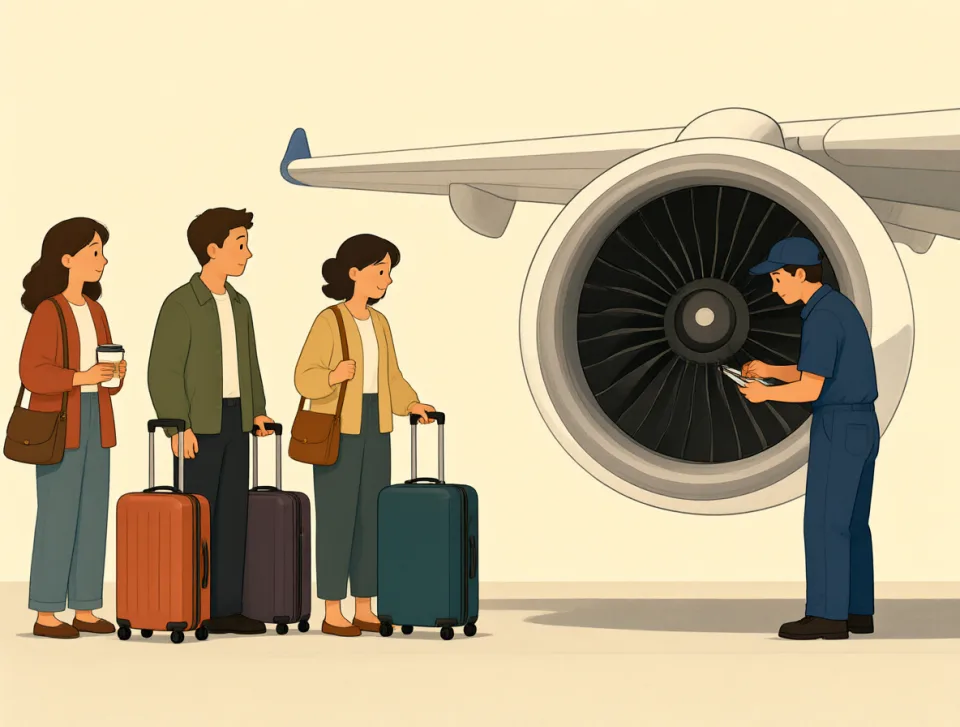
The flight was delayed because of an engine failure.
इंजन खराब होने की वजह से उड़ान में देरी हुई।
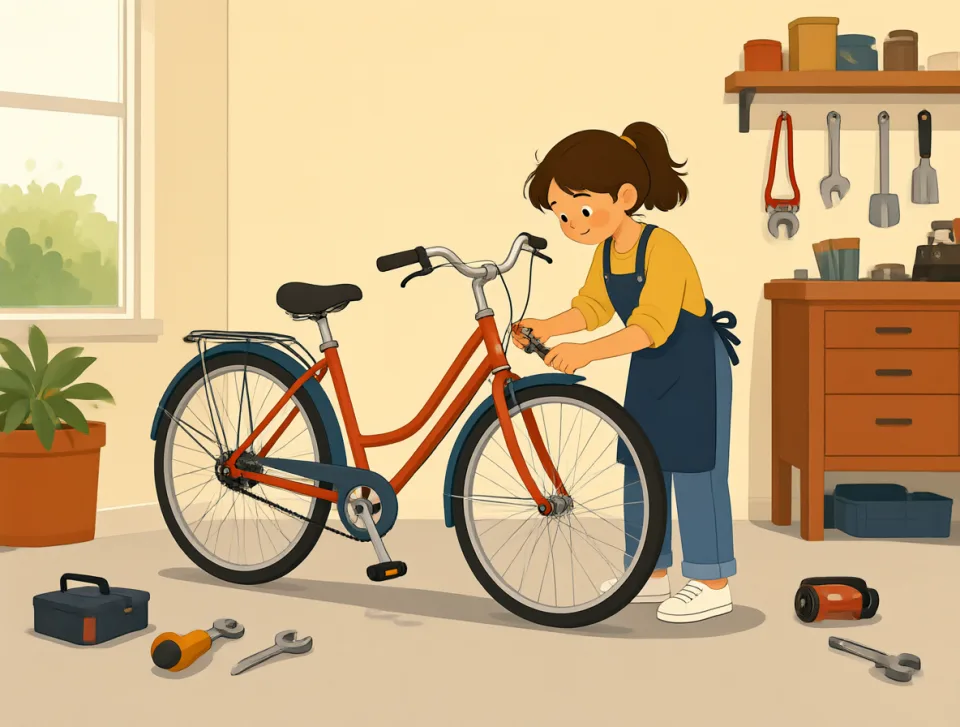
After several failures, she finally fixed the broken bike.
कई बार नाकाम होने के बाद आखिरकार उसने टूटी हुई साइकिल ठीक कर दी।

His failure in the exam made him study harder.
परीक्षा में असफल होने के बाद उसने और मेहनत से पढ़ाई की।
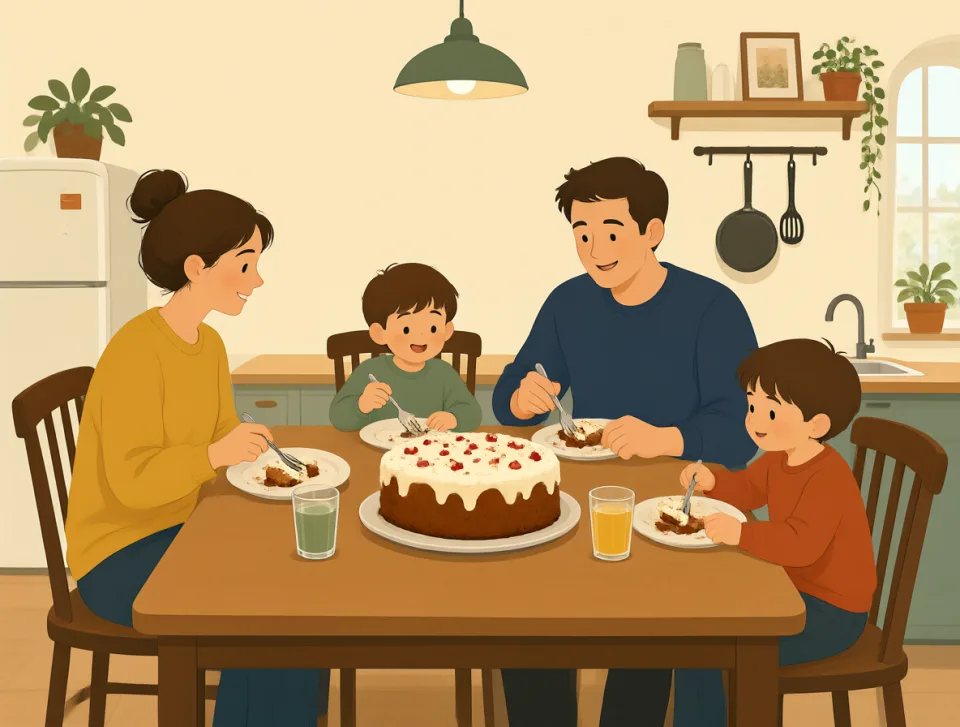
The cake was a failure, but we ate it anyway.
केक ठीक नहीं बना, फिर भी हमने उसे खा लिया।
schedule
#1240noun, verb
कार्यक्रम
A plan that shows when activities or events will happen.
ऐसी योजना जिसमें बताया जाता है कि गतिविधियाँ या कार्यक्रम कब होंगे।
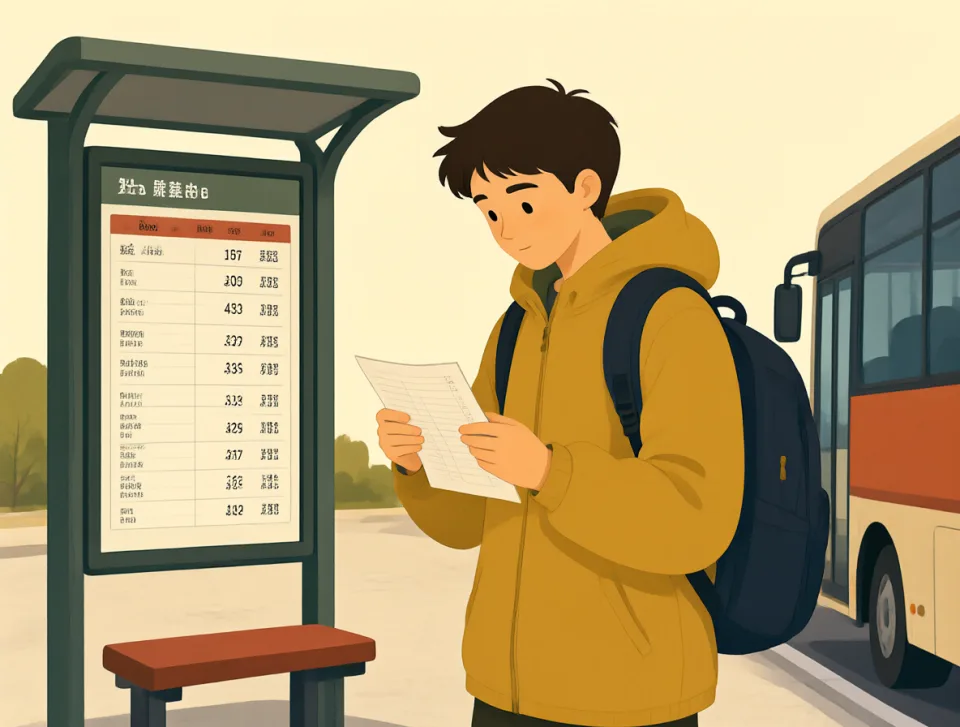
Check the bus schedule before you leave for the station.
स्टेशन के लिए निकलने से पहले बस का समय-सारणी देख लें।

I have a busy schedule this week, so let's meet Sunday.
इस हफ़्ते मेरा कार्यक्रम बहुत व्यस्त है, तो चलो रविवार को मिलते हैं।
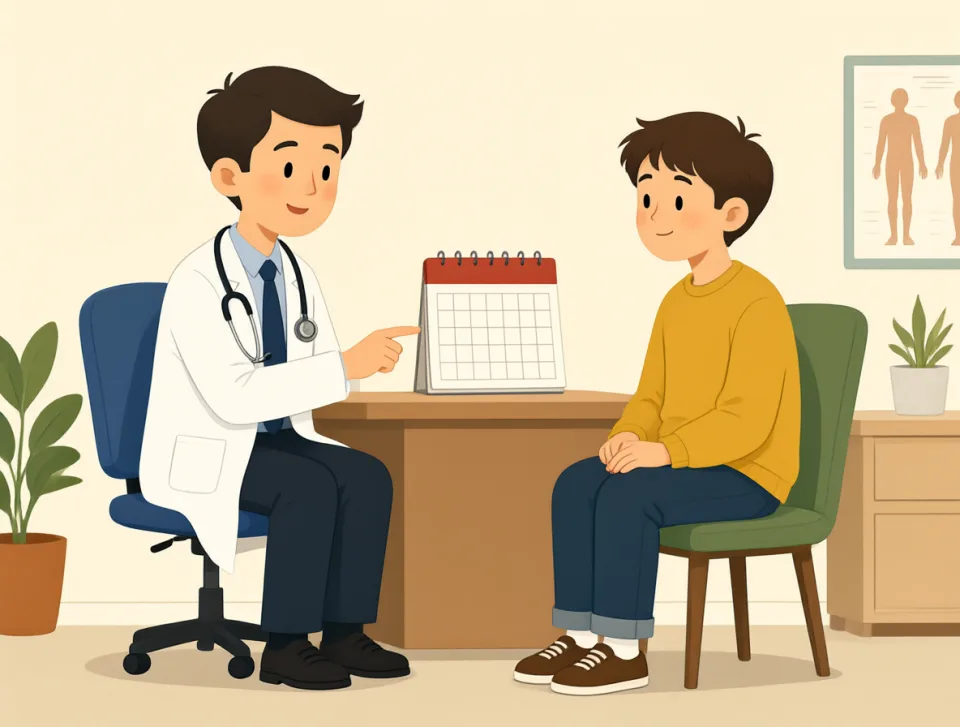
The doctor scheduled my appointment for Monday morning.
डॉक्टर ने मेरी मुलाक़ात सोमवार सुबह के लिए तय की।

The airline scheduled our flight to leave at six.
एयरलाइन ने हमारी उड़ान का समय छह बजे तय किया।

She is scheduling a dentist visit around her work hours.
वह अपने काम के समय के हिसाब से दाँतों के डॉक्टर से मिलने का समय तय कर रही है।